
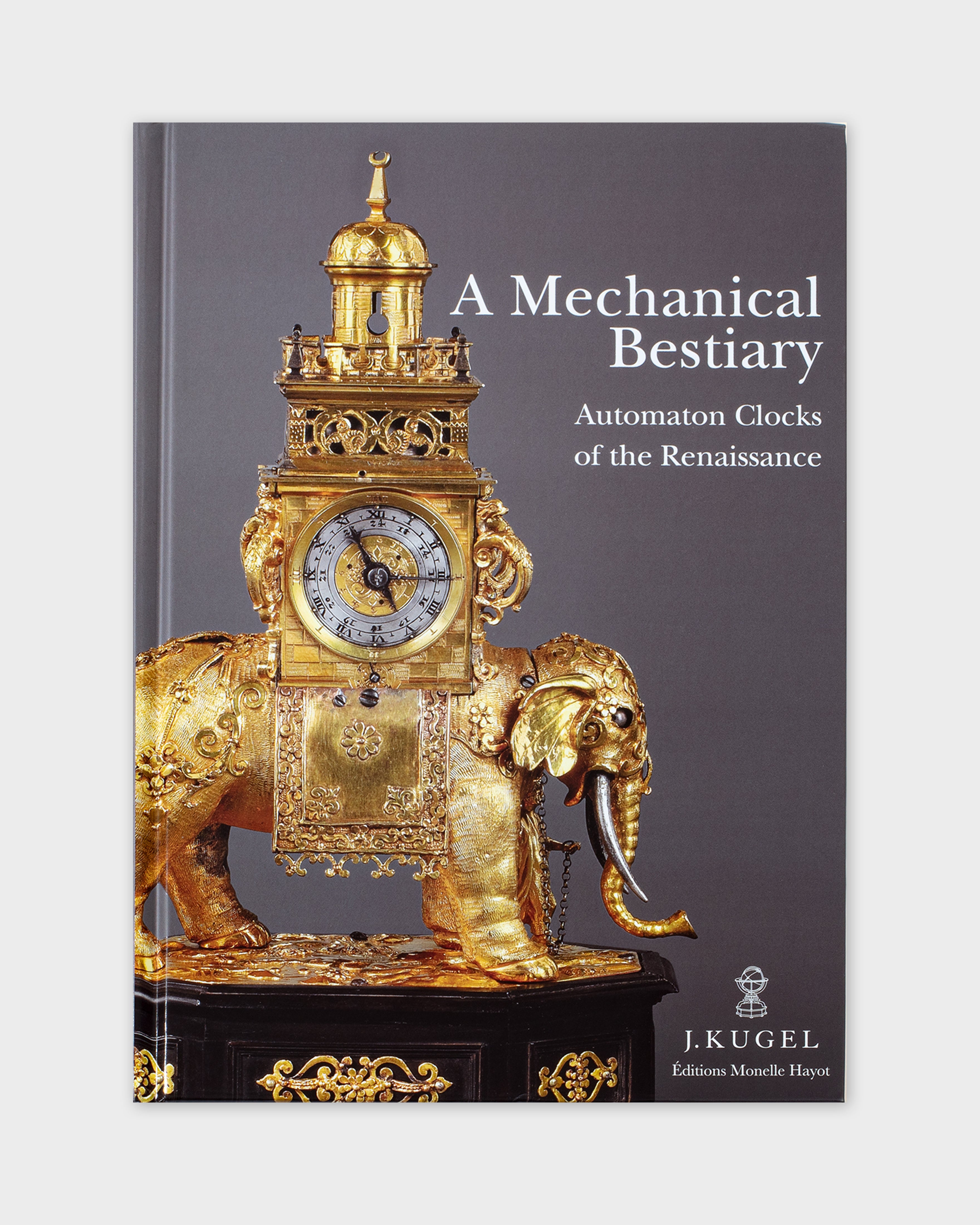
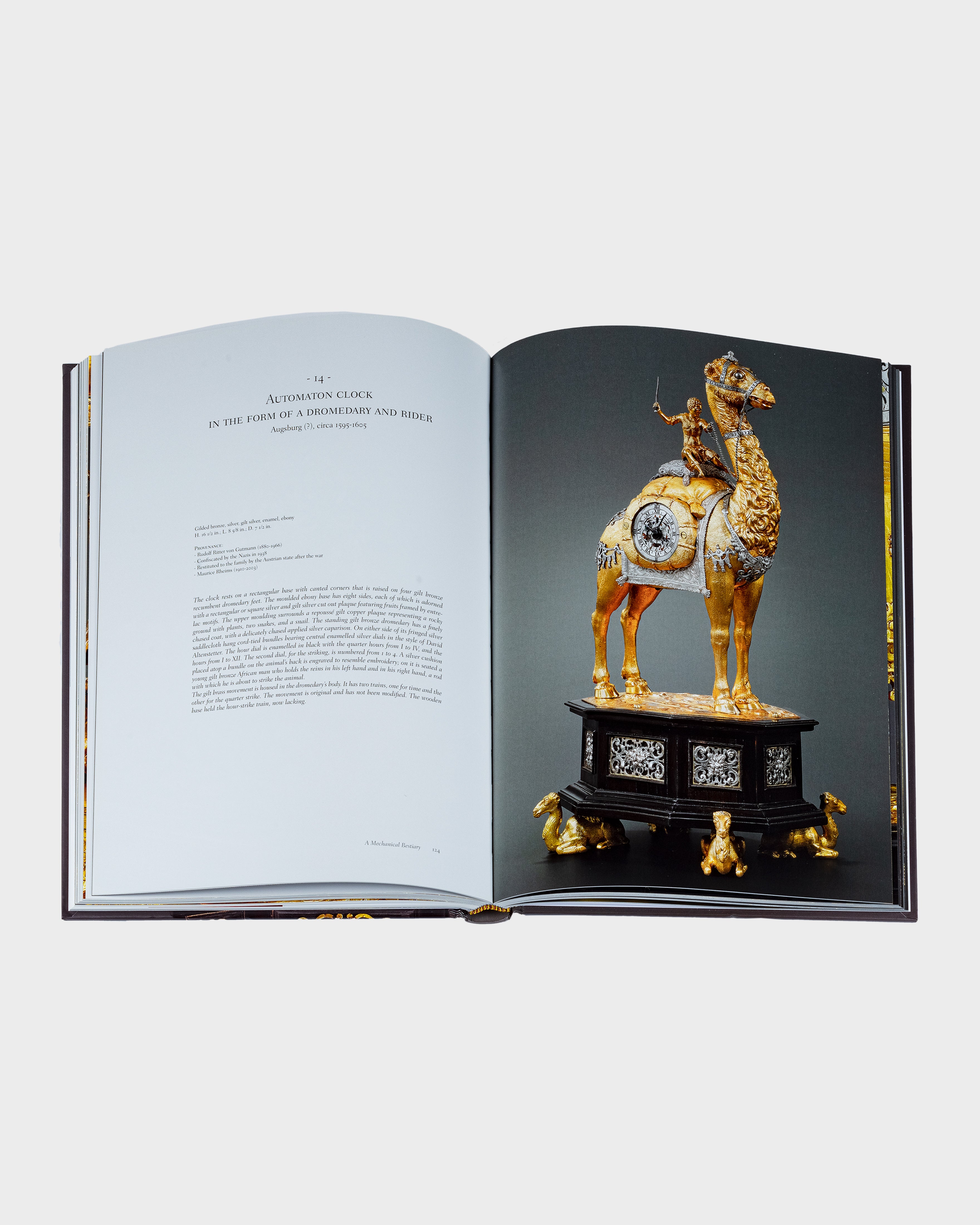
Sudpsuez A Mechanical Bestiary: Automaton Clocks from the Renaissance by Alexis Kugel
Words by Alexis Kugel
This exhibition, Galerie Kugel’s tenth, continues the tradition of seeking out little-known but fascinating fields in the art world. Renaissance automaton clocks have never been the subject of scientific study, authors of horological reference works devoting at best merely a chapter to them.
These automaton clocks date from 1580 to 1630 and were for the most part created in Augsburg, the main German artistic centre of the time. These wonderful objects combine the arts of sculpture and horology. Rivalling in fantasy and ingenuity, they fascinated the European courts. Today, they can be found in museums holding great princely collections in Vienna, Dresden, Munich. Automaton clocks were also used as diplomatic presents.
The thirty-one automaton clocks presented in this exhibition and book are the largest group ever displayed. While studying them we have made surprising discoveries. For example, the troubling similarities between some of the most extraordinary anonymous clocks displayed here: the Elephant (cat. 3), the large Pacing Lion and his Tamer (cat. 7), the large Seated Lion (cat. 9), and the Chariot of Bacchus (cat. 11), which strongly argue for their having been produced in the same workshop. Among all the clocks published in this book, only one comes from Nuremberg (cat. 21). The chronological presentation that we chose also led us to rethink the conventional dating of certain pieces.
The title “Mechanical Bestiary” is somewhat restrictive, for among the clocks presented here, a quarter represent human figures without animals, and certain pieces possess no mechanical movements. Yet the thirty-one pieces assembled here clearly form a homogeneous and coherent whole. All were created for the same reason: to amuse and delight the collectors of their time.
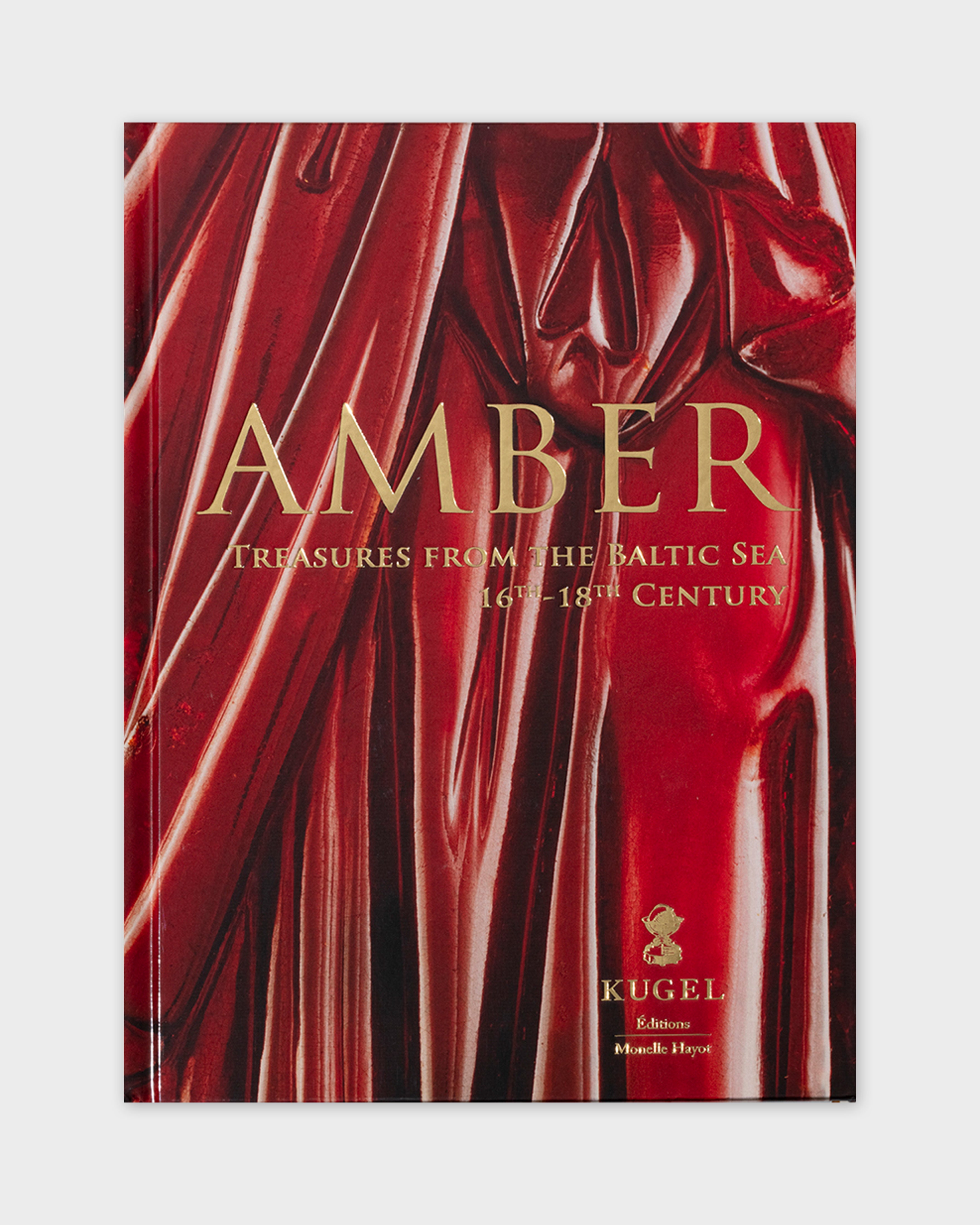
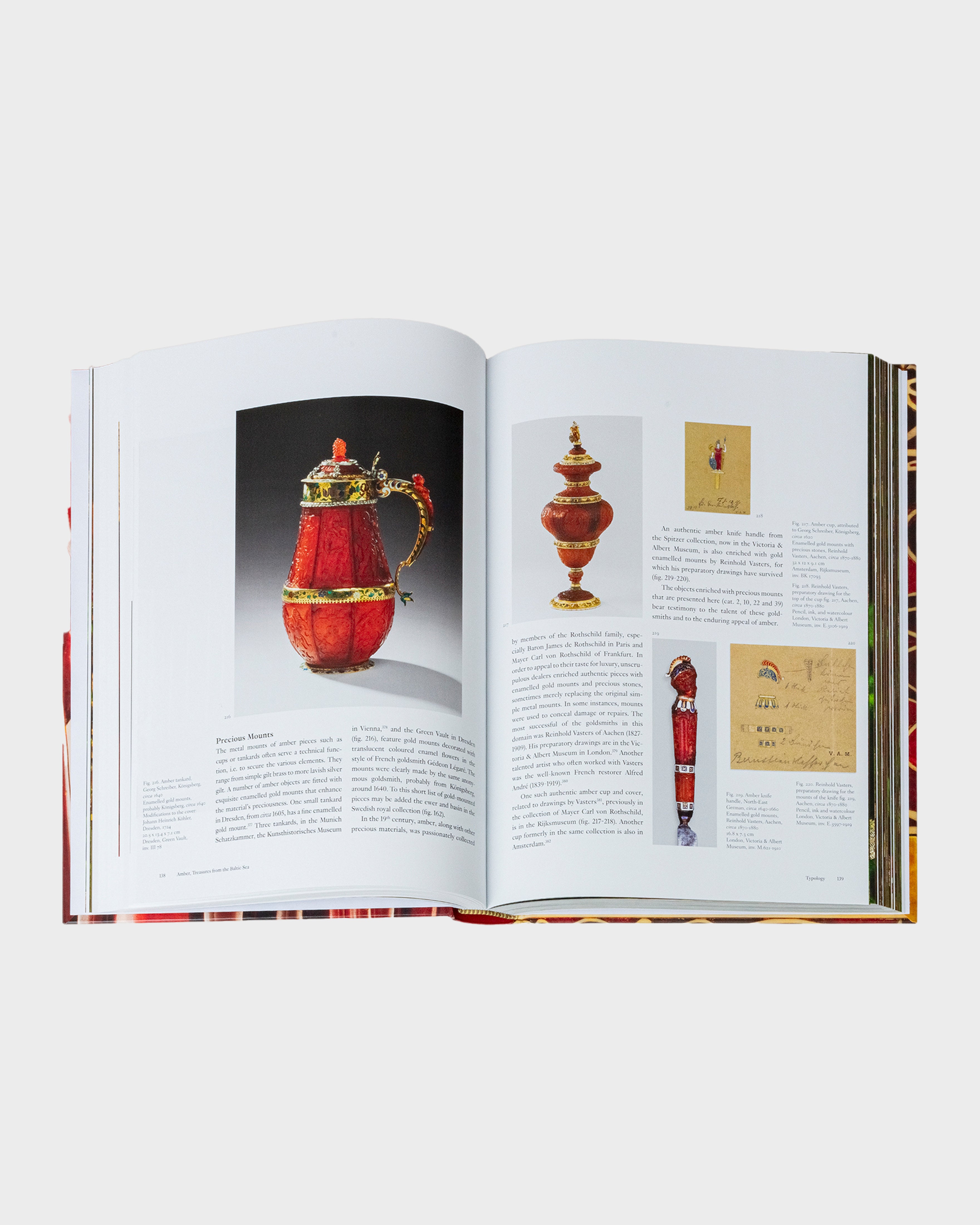
Sudpsuez Amber: Treasures from The Baltic Sea, 16th-18th Century by Alexis Kugel and Rahul Kulka
Words by Alexis Kugel and Rahul Kulka
This richly illustrated catalogue, published on the occasion of the exhibition “Amber: Treasures from the Baltic Sea,” traces the history of artworks made from this mysterious material through the centuries.
In addition to the fifty works assembled and showcased by Galerie Kugel, this book focuses on the geographical and political context of the region from which Baltic amber originates, as well as the extensive typology of amber objects known in international museums.
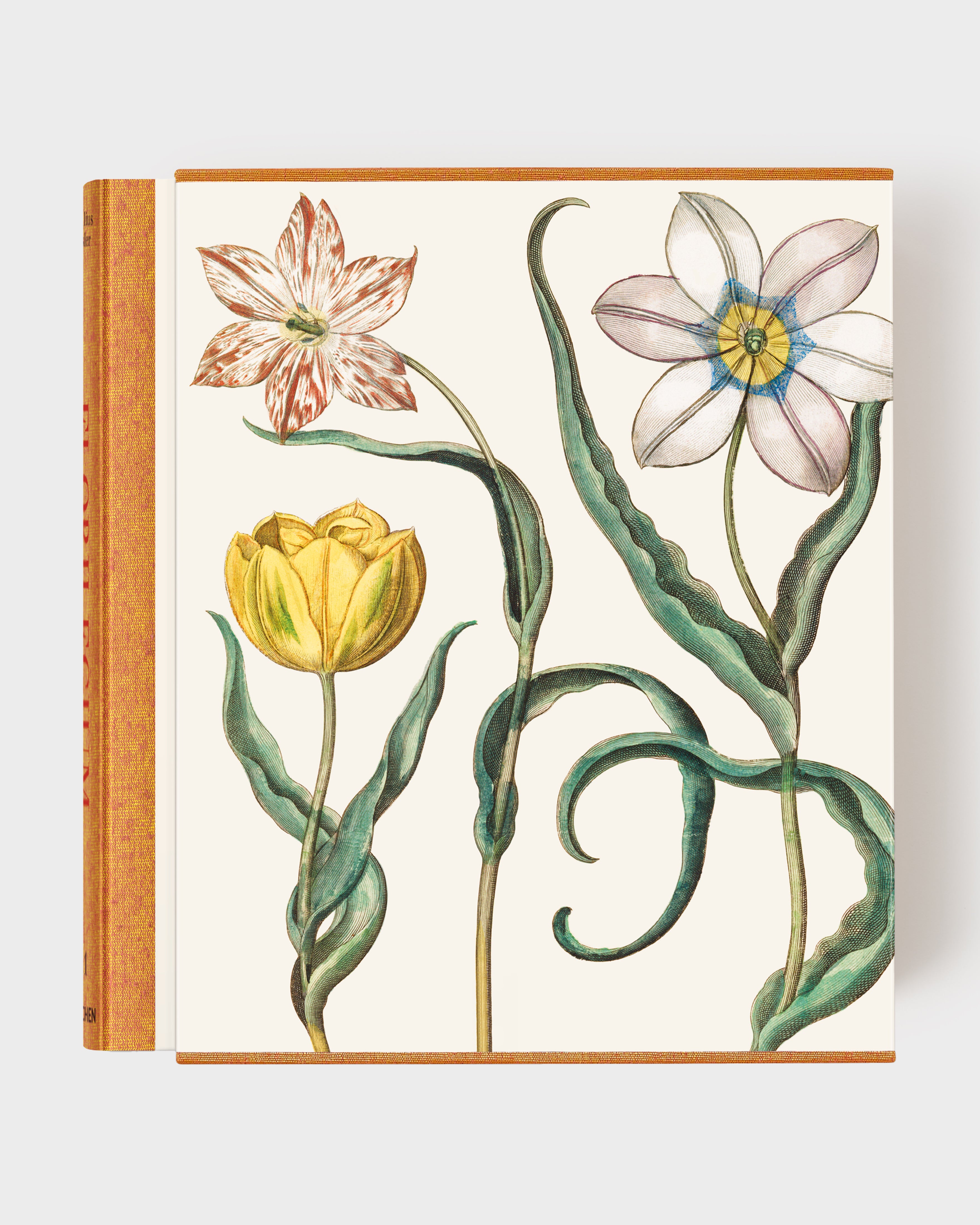
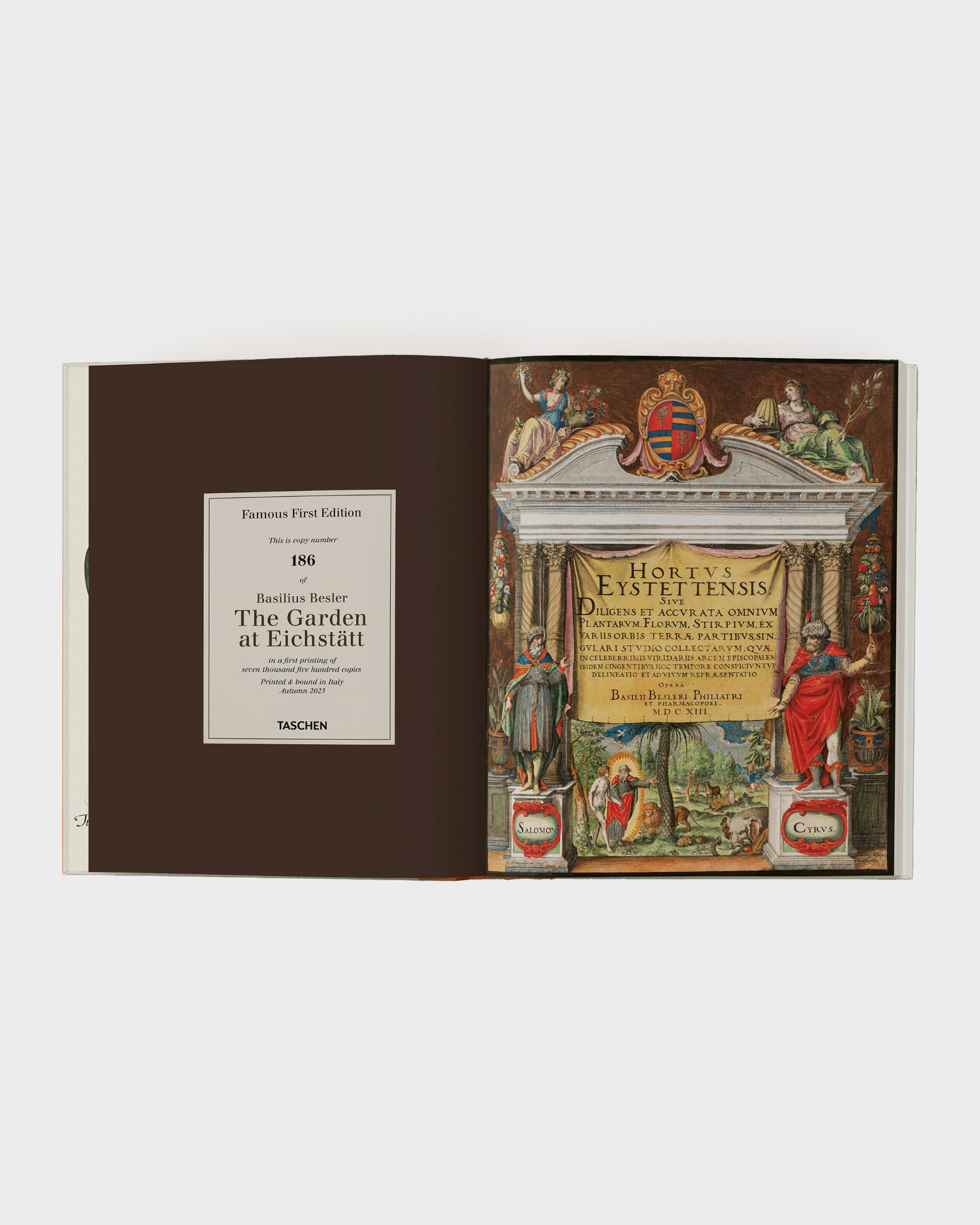
Sudpsuez Basilius Besler. The Garden at Eichstätt
Words by Basilius Besler
When Prince-Bishop Johann Konrad von Gemmingen (1593/95–1612) undertook a radical renovation of the Willibaldsburg Castle, overlooking the Altmühl River in Eichstätt, Bavaria, he also created a surrounding palatial pleasure garden of magnificence and grandeur. To preserve the garden for future generations – and provide an ‘evergreen’ record of its contents, compiling plants from all four seasons and presenting them in that order – he commissioned the garden’s director, Nuremberg apothecary Basilius Besler (1561–1629), and a team of engravers to immortalize its treasures in print.
The resulting Hortus Eystettensis, published in Nuremberg in 1613 and containing 367 hand-colored plates and detailed descriptions, was a work of meticulous execution and spectacular diversity, and remarkably expensive for its time. As the garden contained a variety of plants imported from exotic locales, the three volumes exhibited a remarkable range, covering a total of 90 families and 340 genera. Due to the decorative, stylized execution of these illustrations, which began to see plants in aesthetic, rather than merely practical or medicinal terms, the book is seen as a milestone in the art of botanical illustration. While published before a time of standardized classification systems, it was nonetheless later described by Carl Linnaeus as an “incomparable work”.
Besler’s catalog long outlived the gardens, which were destroyed in 1634 by invading Swedish troops during the Thirty Years’ War. However, a lengthy redevelopment project at the historic site has culminated in the opening of the modern Bastion Garden in 1998, containing many of the plants shown in the Hortus Eystettensis.
Offering high-quality reproductions of these arresting illustrations, based on the copy of the Hortus Eystettensis at the University Library of Eichstätt-Ingolstadt, this facsimile edition is accompanied by detailed plate descriptions of each plant’s botanical, pharmaceutical, and symbolic significance and an appendix of further essays which place the garden and the book in their historical contexts.
This edition presents a valuable piece of botanical literature which, on the rare occasions where a copy appears on the market, can fetch prices of over $1,000,000 at auction. In line with Besler’s original intentions, this facsimile unfurls the garden to a wider audience and captures it for posterity.
Published by Taschen
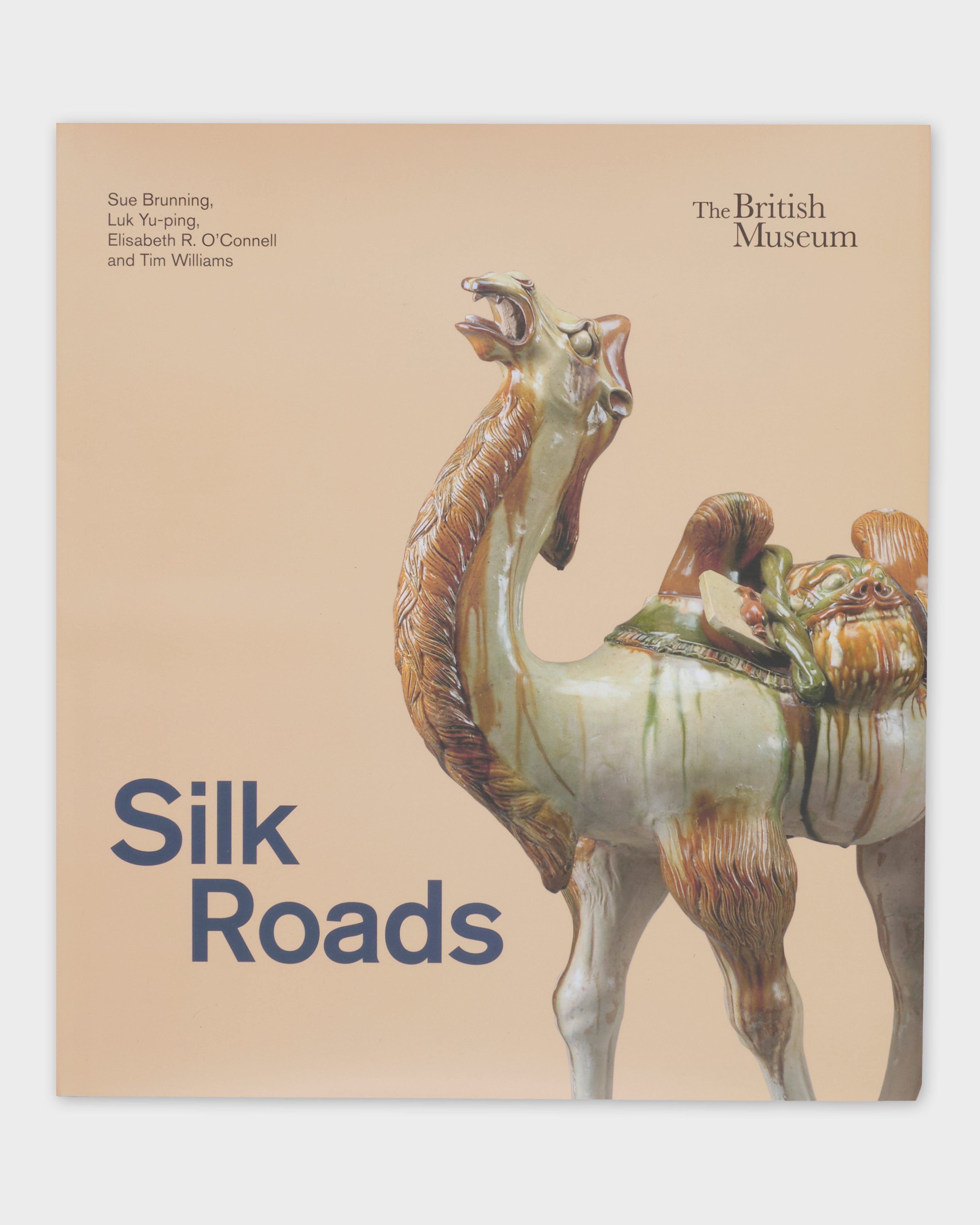
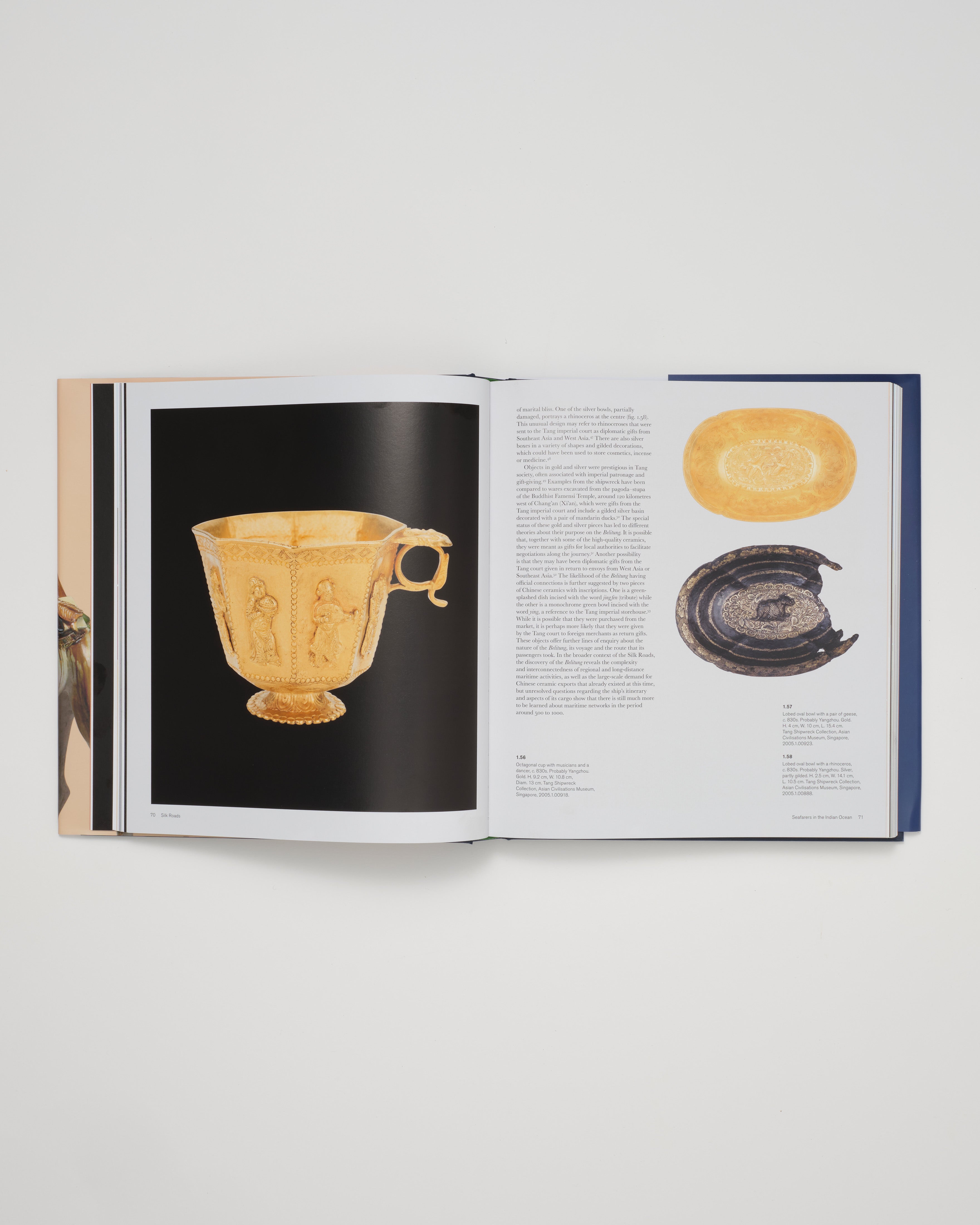
Sudpsuez British Museums: Silk Roads
Words by Sue Brunning, Luk Yu-ping, Elisabeth R. O’Connell
‘The true soul of this new exhibition has been encapsulated within a single book, a treasure trove of stories, images, and insights that brought the ancient trade routes to life.’ – .Cent magazine A richly illustrated publication that explores the networks of contacts and exchanges spanning Afro-Eurasia from 500 to 1000 ce, highlighting how the movement of people, objects and ideas shaped cultures and histories. The term ‘Silk Road’ conjures a range of romantic images. Camel caravans crossing desert dunes. Merchants trading silk and spices. Far-flung commerce between ‘East’ and ‘West’. The reality was far richer. Focusing on a defining period between 500 and 1000 CE, this beautifully illustrated book reimagines the Silk Roads as a web of interlocking networks linking Asia, Africa and Europe, from Japan to Ireland, from the Arctic to Madagascar. It tells a remarkable story of people, objects and ideas flowing in all directions, through the traces these journeys left behind – including ceramics from Tang China recovered from a shipwreck in the Java Sea, sword-fittings set with Indian garnets buried in England, and a selection of letters and legal texts from a synagogue in Cairo revealing a Jewish community’s links from India to al-Andalus. Woven throughout, encounters with various peoples active on the Silk Roads, from seafarers to Sogdians, Aksumites and Vikings, reveal the human stories, innovations and transfers of knowledge that emerged, shaping cultures and histories across continents centuries before the formation of today’s globalised world.
Published by Flammarion
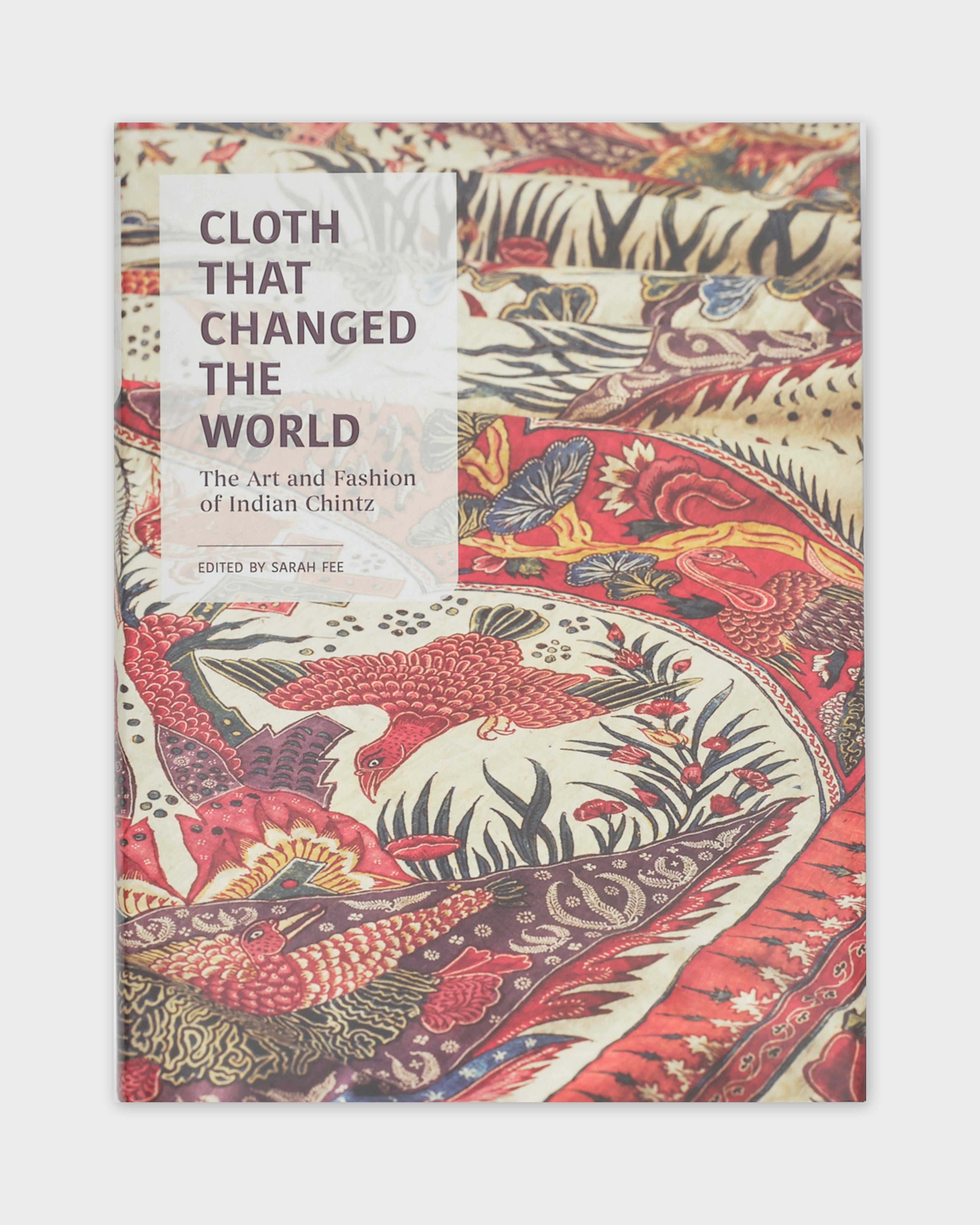
Sudpsuez Cloth That Changed The World by Sarah Fee
Edited by Sarah Fee
The story of India’s exuberantly colored textiles that made their mark on design, technology, and trade around the world
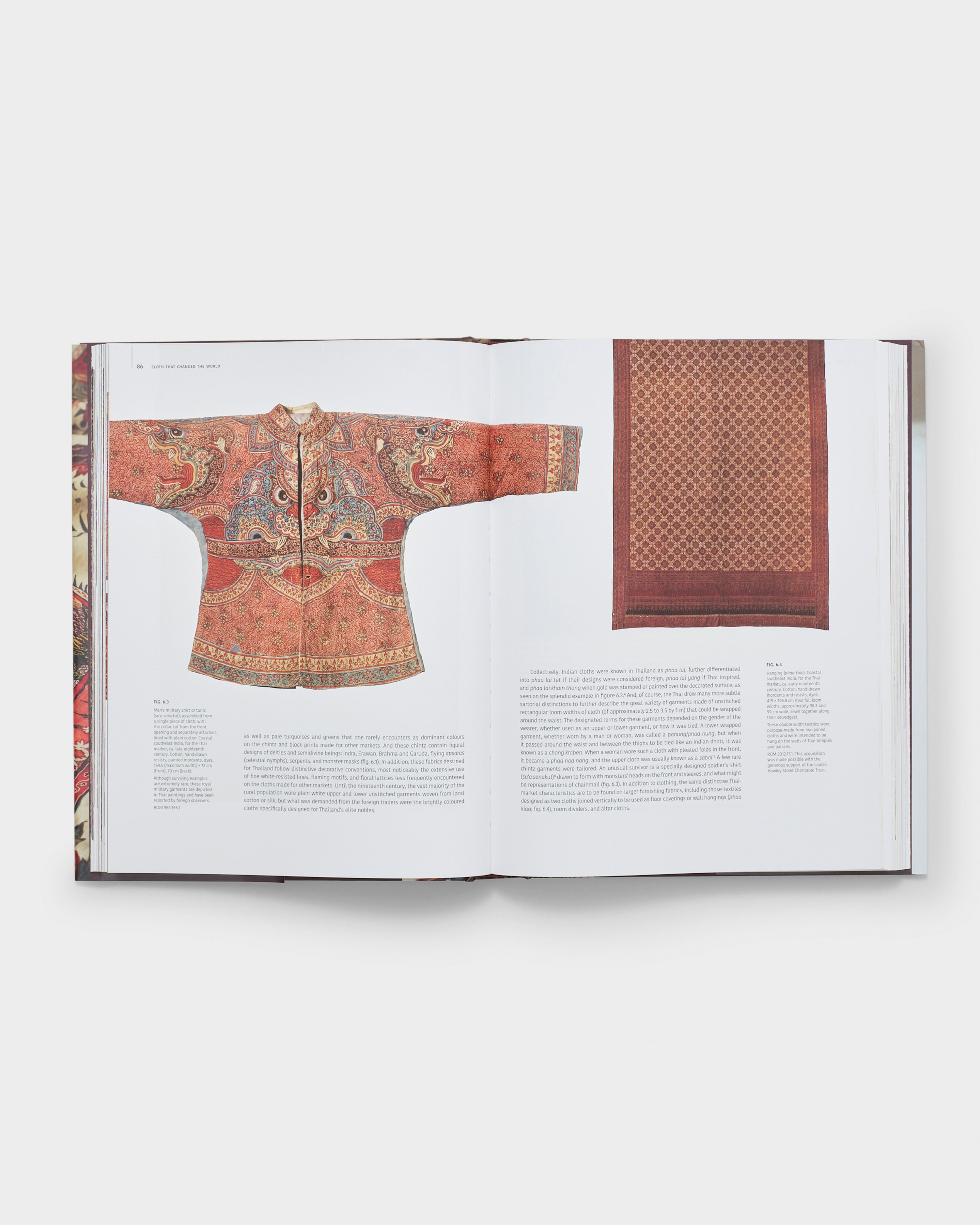
Chintz, a type of multicolored printed or painted cotton cloth, originated in India yet exerted influence far beyond its home shores: it became a driving force of the spice trade in the East Indies, and it attracted European merchants, who by the 17th century were importing millions of pieces. In the 18th century, Indian chintz became so coveted globally that Europeans attempted to imitate its uniquely vibrant dyes and design—a quest that eventually sparked the mechanical and business innovations that ushered in the Industrial Revolution, with its far-reaching societal impacts.
This beautifully illustrated book tells the fascinating and multidisciplinary stories of the widespread desire for Indian chintz over 1,000 years to its latest resurgence in modern fashion and home design. Based on the renowned Indian chintz collections held at the Royal Ontario Museum, the book showcases the genius of Indian chintz makers and the dazzling variety of works they have created for specialized markets: religious and court banners for India, monumental gilded wall hangings for elite homes in Europe and Thailand, luxury women’s dress for England, sacred hangings for ancestral ceremonies in Indonesia, and today’s runways of Lakme Fashion Week in Mumbai.
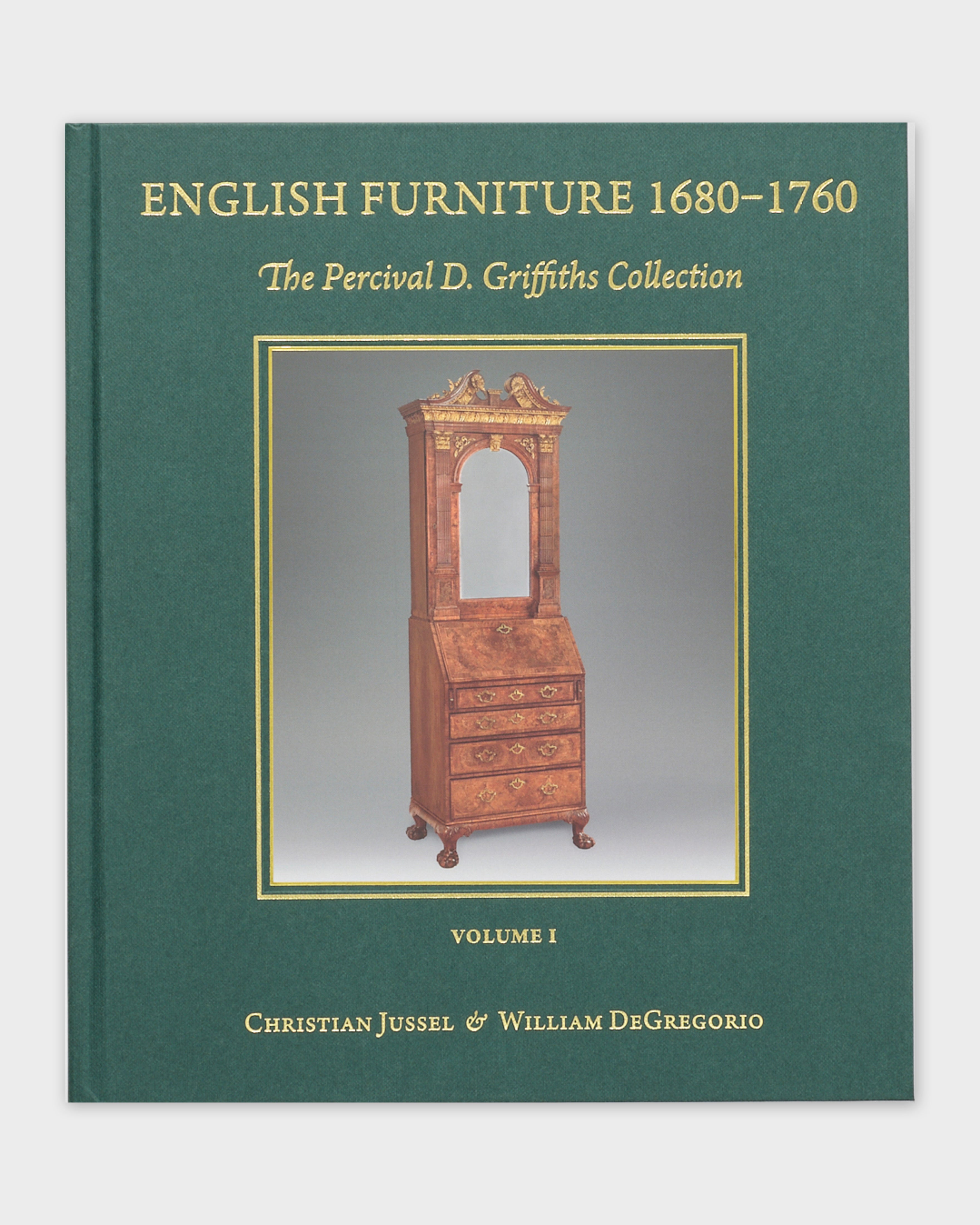
Sudpsuez English Furniture 1680 – 1760 by Christian Jussel and William DeGregorio
Words by Christian Jussel and William DeGregorio
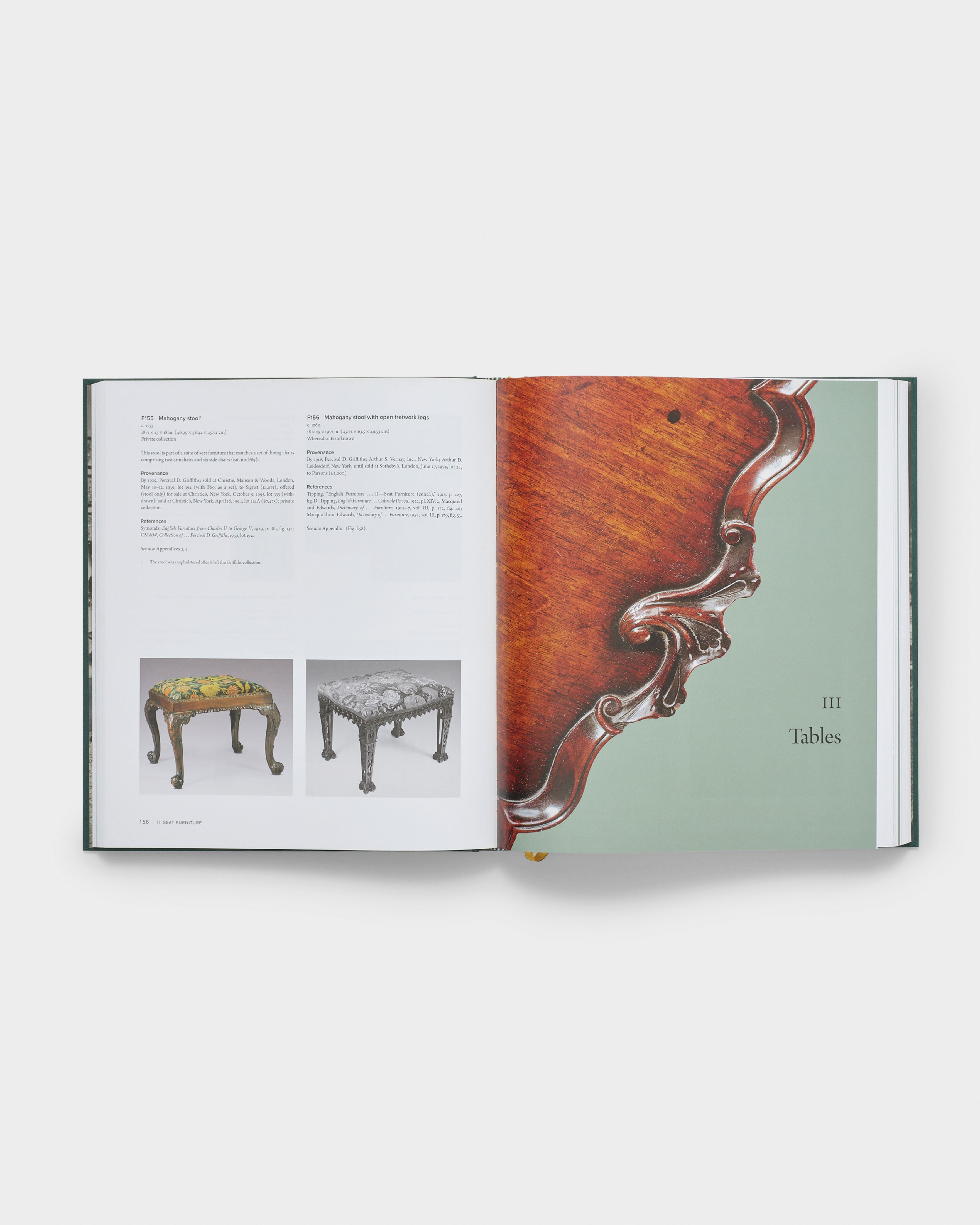
Brings together a superb collection of over 650 detailed examples English furniture and needlework from 1600 to 1760
These volumes are dedicated to one of the finest collections of early English furniture and needlework, formed by Percival D. Griffiths (1861–1937). Together with the noted authority, Robert W. Symonds, Griffiths assembled a pioneering collection of early English decorative arts: furniture, domestic needlework and related objects all dating to the seventeenth and first half of the eighteenth centuries. The book illustrates nearly 700 pieces owned by Griffiths and includes images of his interiors, and biographical data on Griffiths. Catalogue entries provide color images, exhibition histories, references, and provenance. These volumes present a wealth of new information that will aid both the amateur and connoisseur alike.
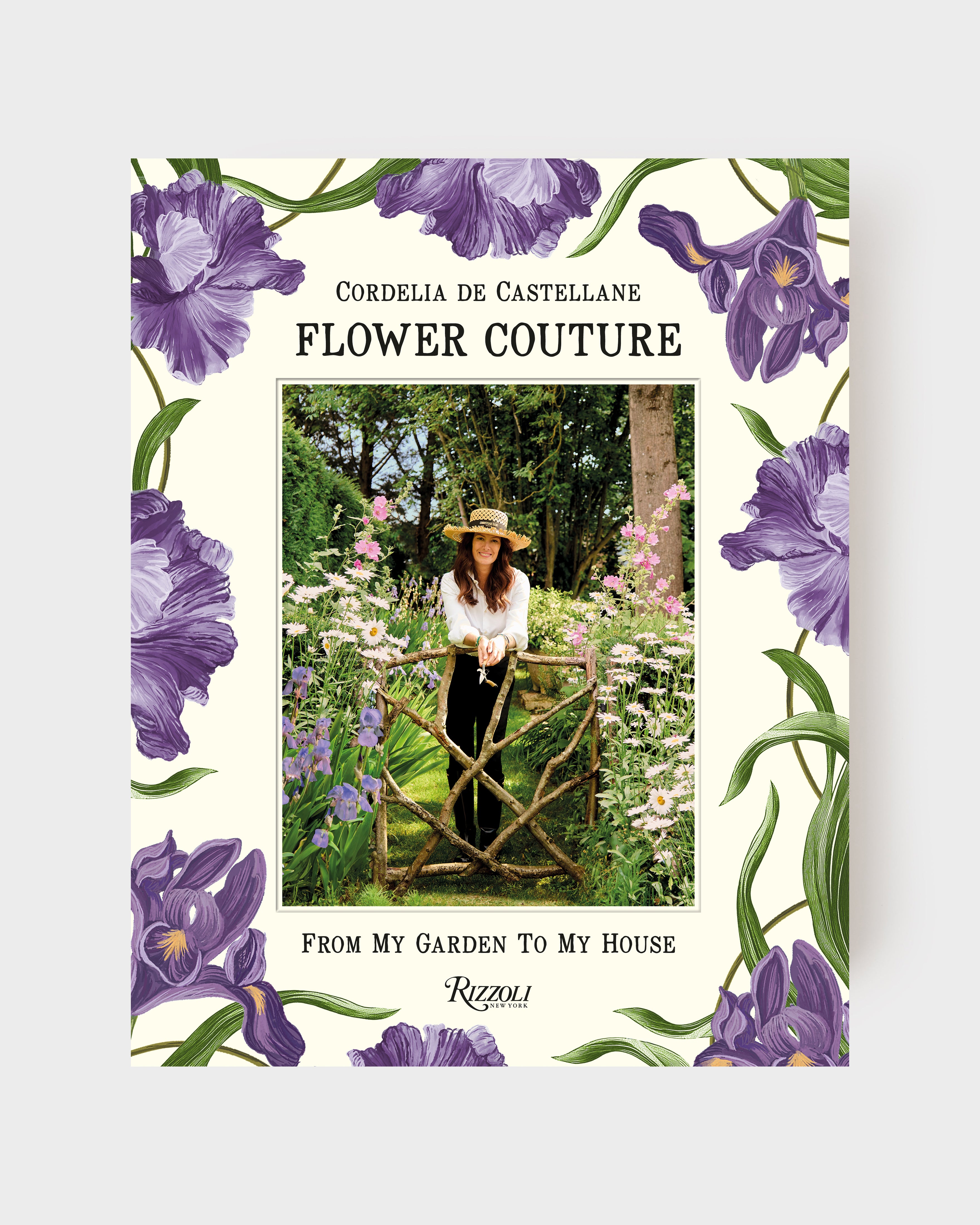
Sudpsuez Flower Couture: From My Garden to My House
Words by Cordelia De Castellane,
Photography by Billal Taright
A second book by French tastemaker Cordelia de Castellane, celebrating her garden as an endless source of inspiration for entertaining.
Cordelia de Castellane, true ambassador of French lifestyle, returns with a sequel to Life in a French Country House and offers her inspiring ideas and secrets for gardening, unique flower arranging, and entertaining.
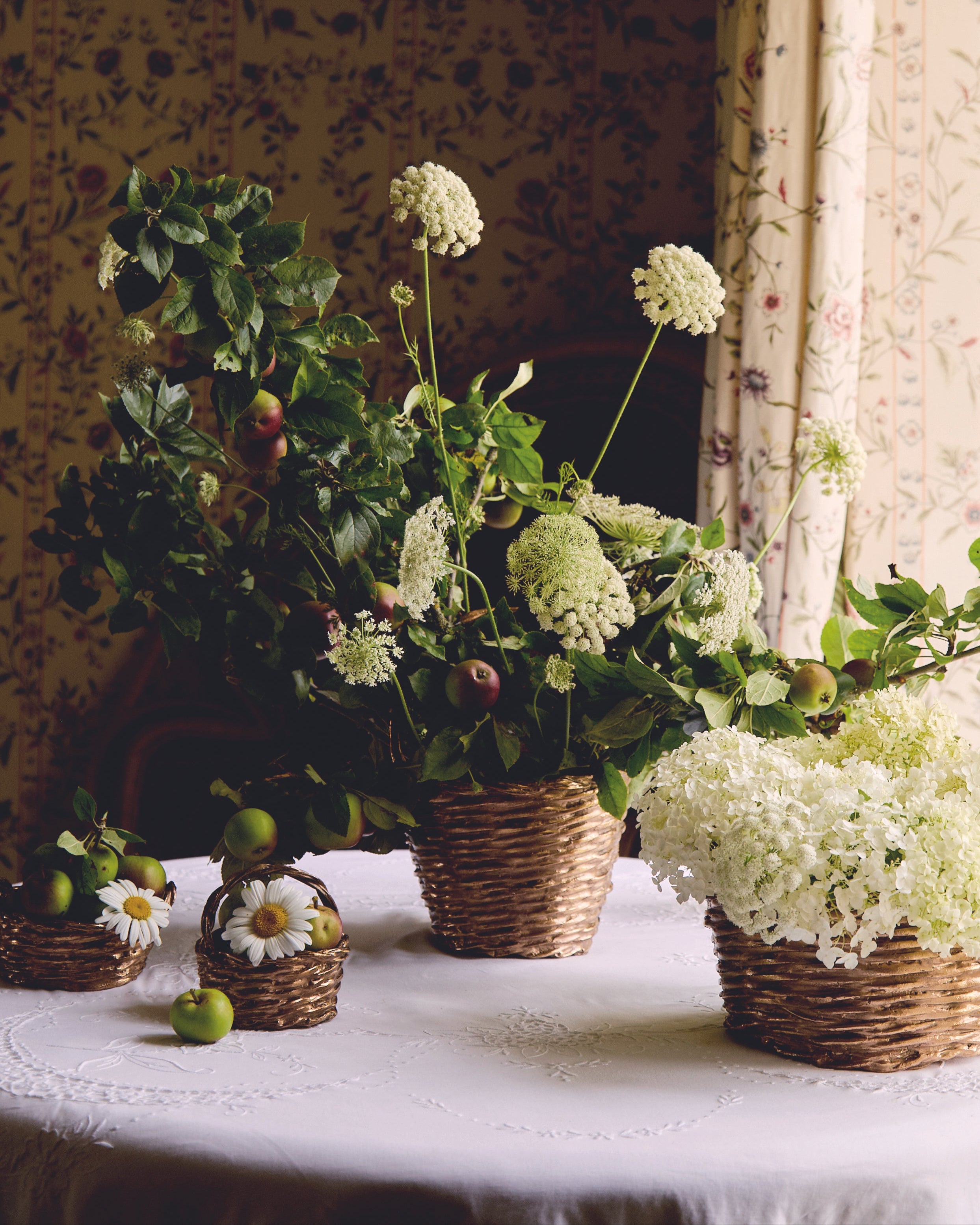
De Castellane turns her eyes to the gorgeous garden of her own private residence in the French countryside to offer insight into how she makes nature her muse. From delicate spring blossoms to vibrant summer bouquets starring on sun-kissed tables, autumnal herbariums, and enchanting winter fetes, each chapter is about a color of her favorite flowers and is complete with informative captions and texts uncovering her tips for living and entertaining à la française. De Castellane offers her recipes for bouquets and perfect tablescaping with examples from her own house: readers discover the journey of a flower from the garden to the tabletop. This book is a must-have guide on how to imbue every day with flair, beauty, and joie de vivre.
Published by Rizzoli
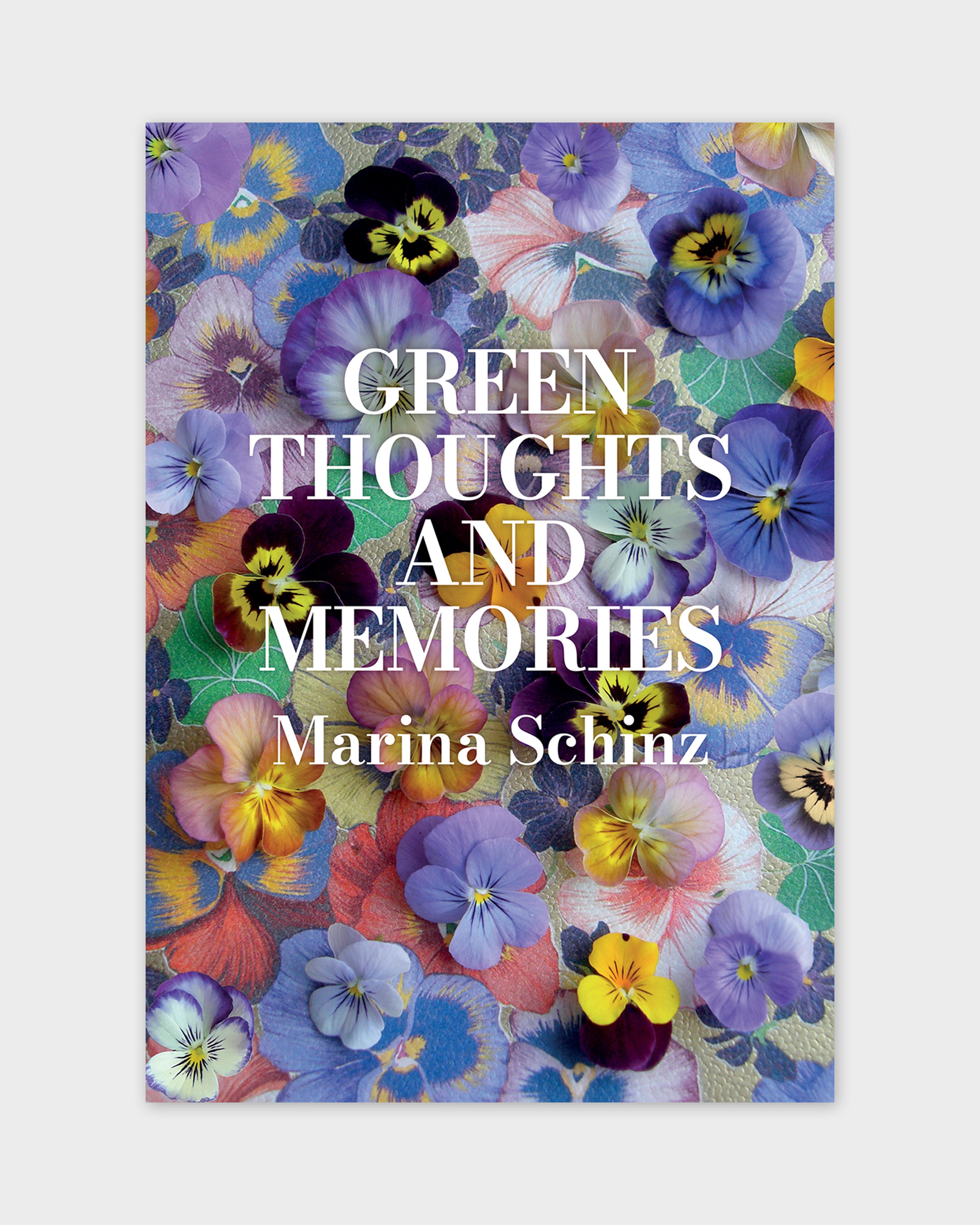
Sudpsuez Green Thoughts and Memories by Marina Schinz
Words & images by Marina Schinz
Discovers the importance of gardening in the work of Swiss-American photographer Marina Schinz.
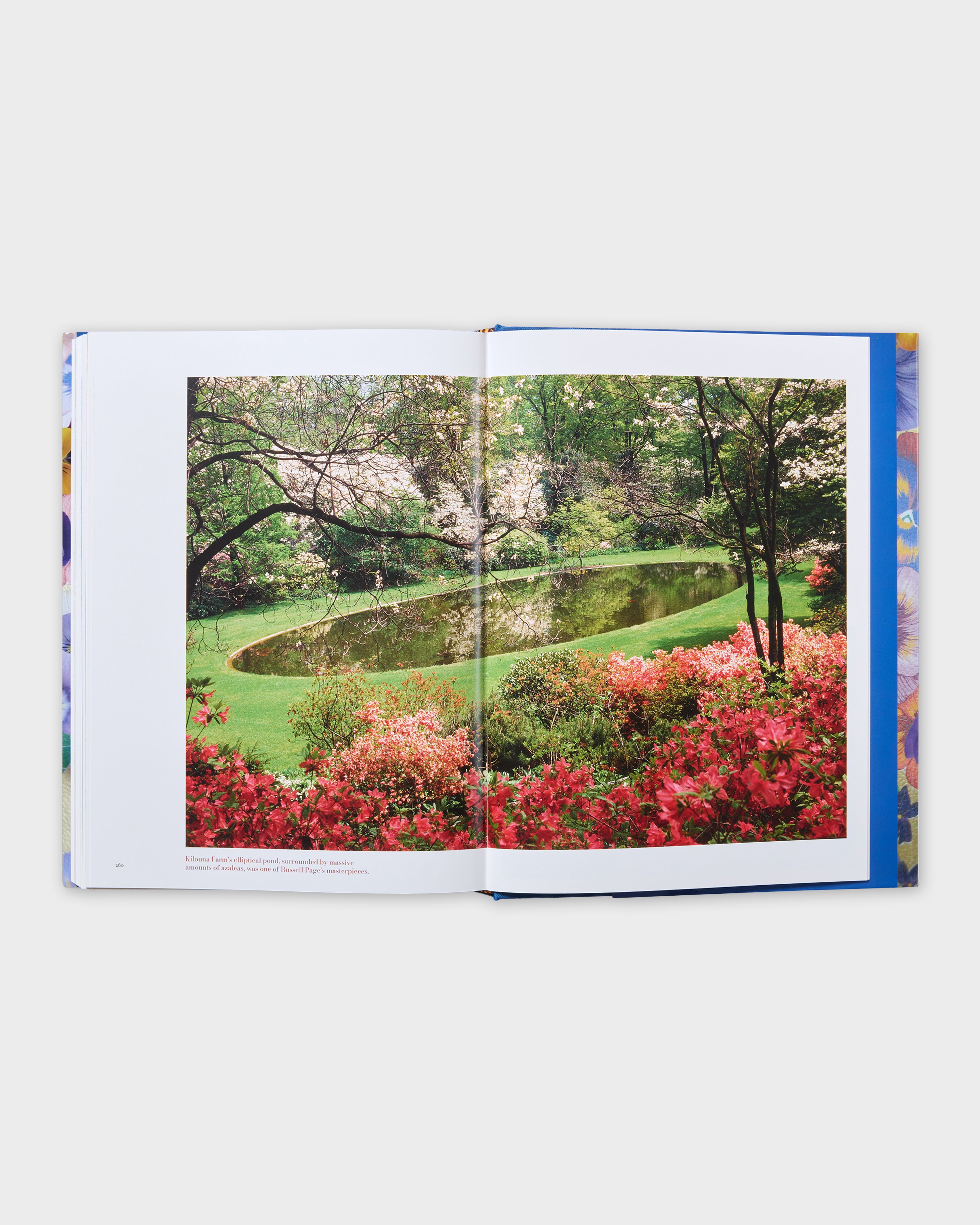
Gardens and flowers have been a core subject of Marina Schinz's career. This found expression in her previous books Visions of Paradise, The Gardens of Russell Page, and A Tuscan Paradise. Visiting and photographing countless gardens around the world made her engage in gardening herself and culminated in major garden design projects for her houses, first in the Hudson Valley and later near Piacenza in Italy.
In Green Thoughts and Memories, Schinz looks back at her gardening adventures, interweaving horticultural observations with memoirs of her childhood in Zurich. Entertaining and engaging at the same time, full of practical considerations, and rendered with humor and philosophy, the book offers an unconventional appreciation of garden art. It conveys basic knowledge to put budding gardeners and rank beginners on the road to planting a mere tree or starting an entire garden. In twelve chapters, it explores all the elements of gardening, such as weather, soil, labor, planning, flowers, shrubs, etc.
Richly illustrated in full color throughout with Schinz's photographs of famous and unknown gardens around the world, this beautiful volume will appeal to anyone with a love of plants and gardens or with a desire to create a personal paradise.
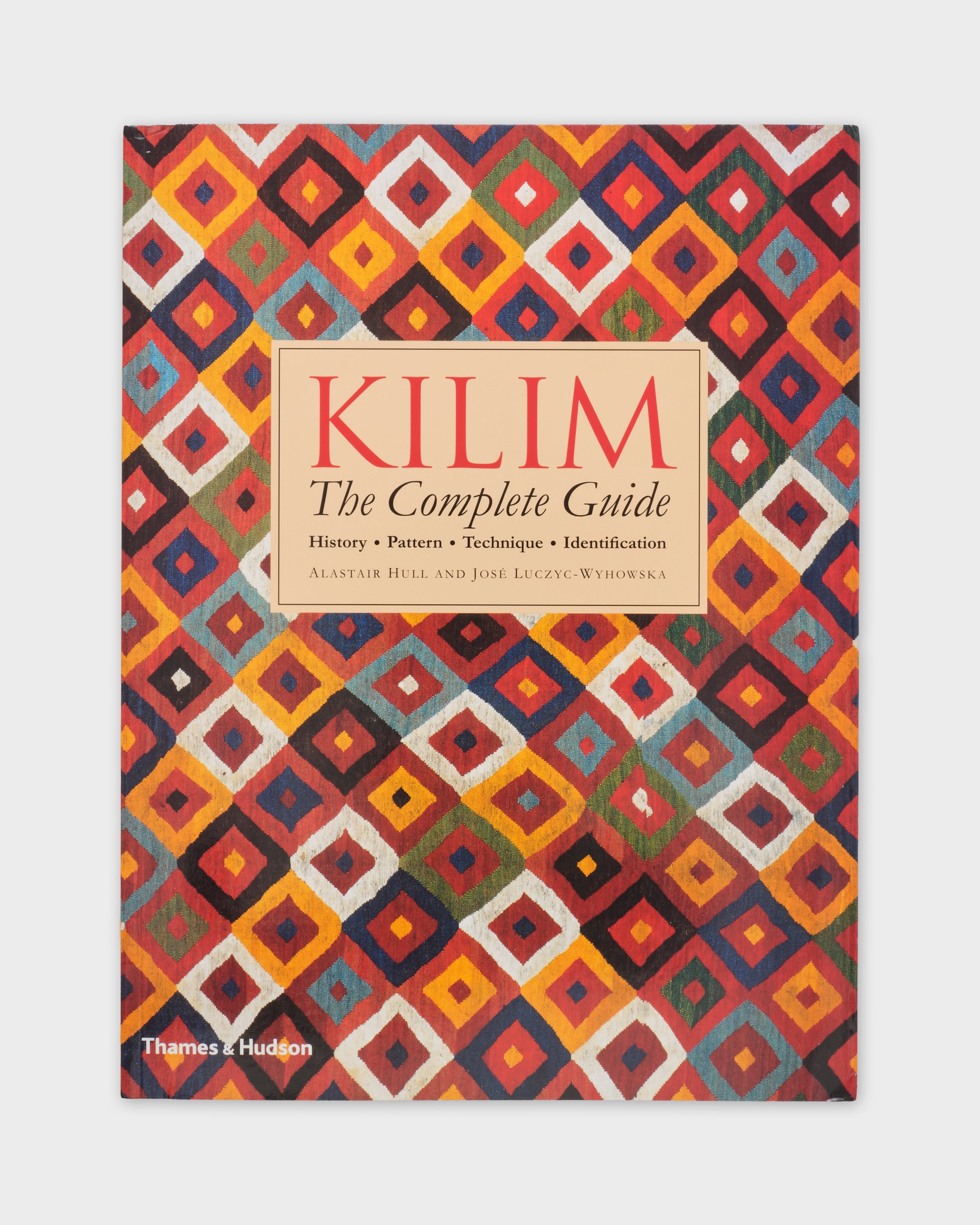
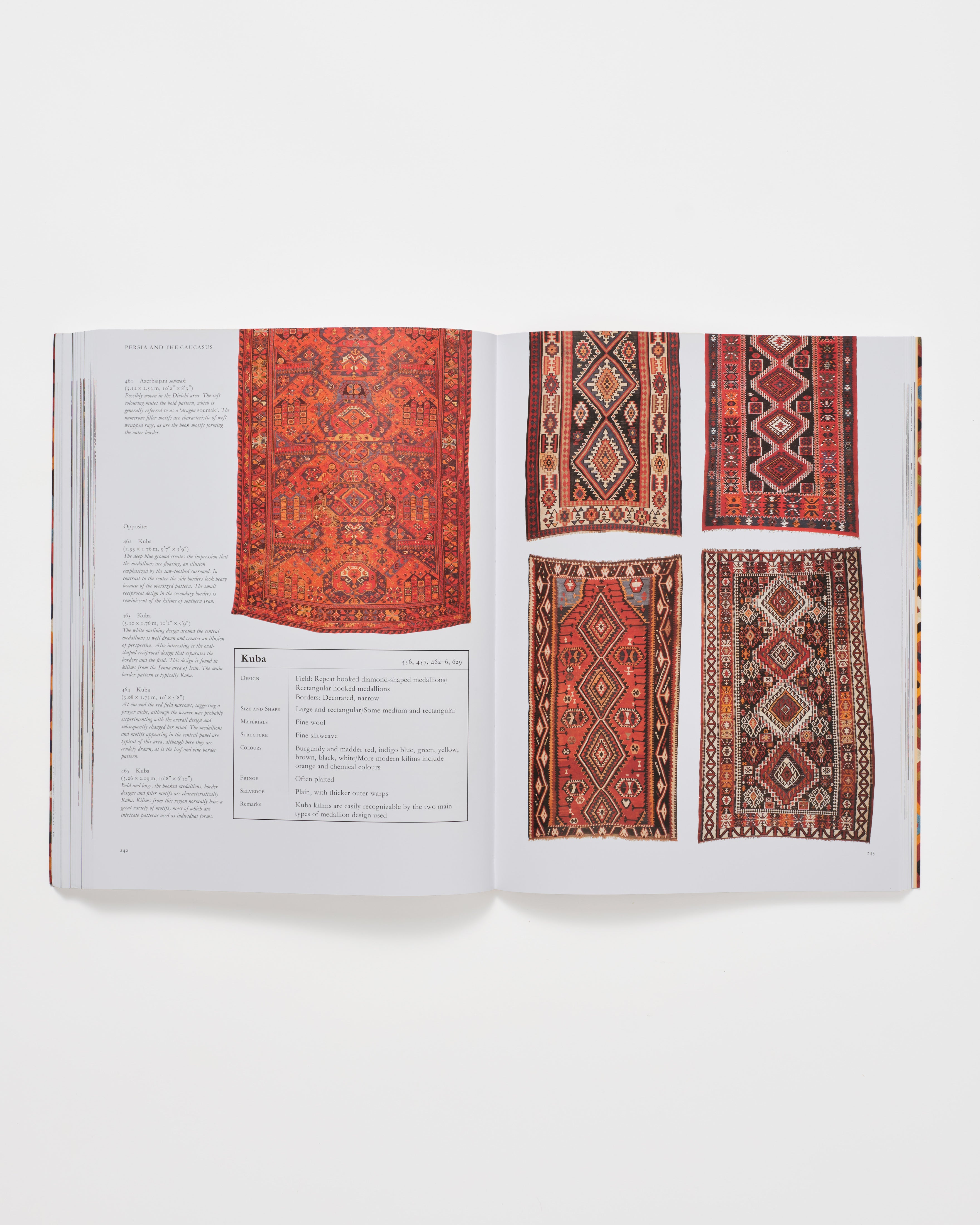
Sudpsuez Kilim by Alastair Hull & Jose Luczyc-Wyhowska
Words by Alastair Hull & Jose Luczyc-Wyhowska
Bold, distinctive patterns; brilliant colors; affordability-these are some of the characteristics that explain the overwhelming popularity of the exquisite, flatwoven textiles from the Near and Far East known as kilims. The most comprehensive and beautifully illustrated survey to date, Kilim contains hundreds of color photographs accompanied by an authoritative text examining the origins, history, and weaving techniques of these unique cloths. A directory to international kilim auction houses; a source listing of dealers and services; and a reference guide to the collecting, care, and further study of kilims conclude this definitive work on a widely appealing subject.
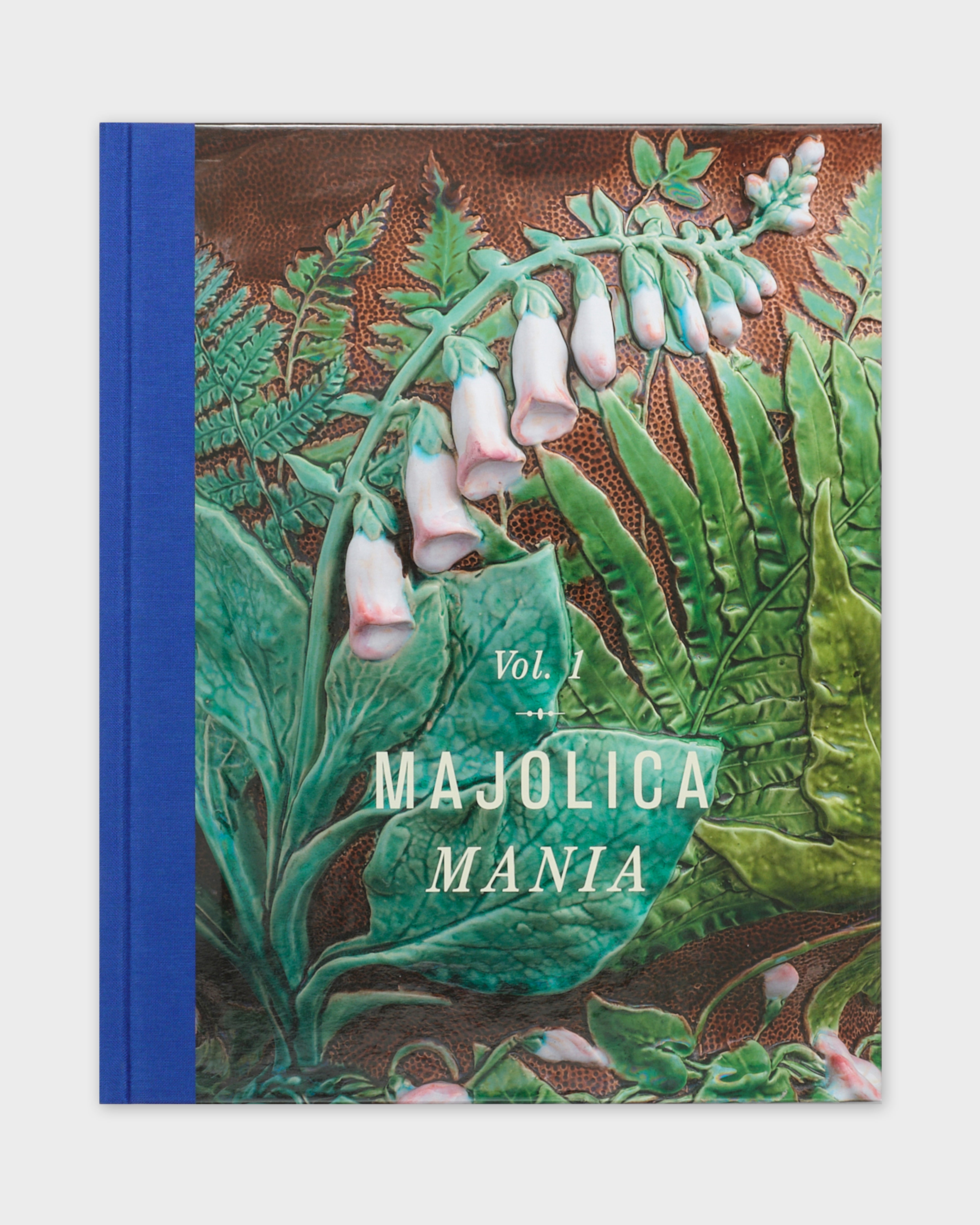
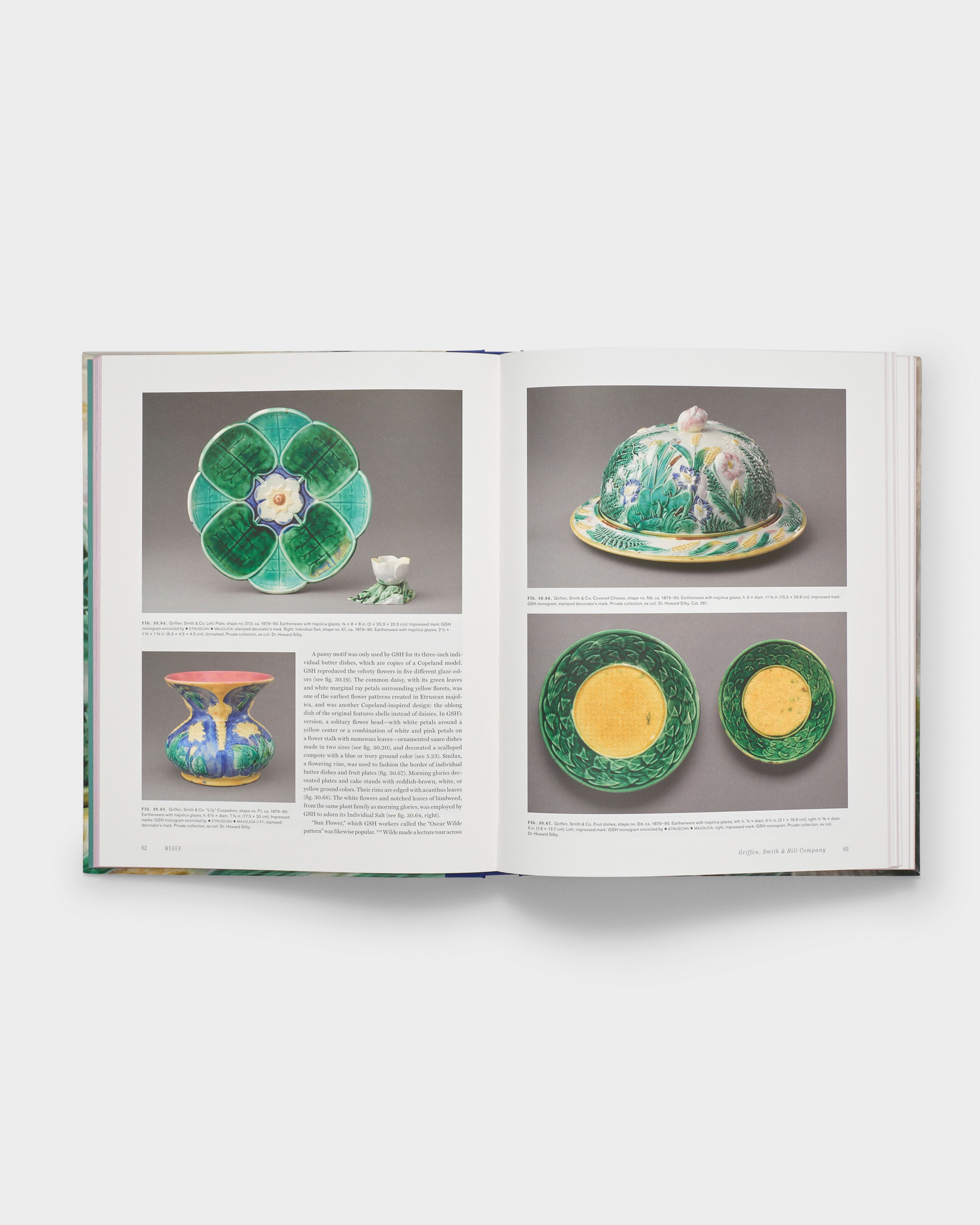
Sudpsuez Majolica Mania
Words by Susan Weber, Eleanor Hughes, Catherine Arbuthnott, Jo Briggs, Earl Martin and Laura Microulis
Contributions by Paul Atterbury, Gaye Blake-Roberts, Claire Blakey, Julius Bryant, Miranda Goodby, Caroline Hannah, Kathleen Eagen Johnson, Martin P. Levy, Ben Miller, Sequoia Miller and Rebecca Wallis
The first comprehensive study of the most important ceramic innovation of the 19th century
Colorful, wildly imaginative, and technically innovative, majolica was functional and aesthetic ceramic ware. Its subject matter reflects a range of 19th-century preoccupations, from botany and zoology to popular humor and the macabre. Majolica Mania examines the medium’s considerable impact, from wares used in domestic settings to monumental pieces at the World’s Fairs. Essays by international experts address the extensive output of the originators and manufacturers in England—including Minton, Wedgwood, and George Jones—and the migration of English craftsmen to the U.S. New research including information on important American makers in New York, Baltimore, and Philadelphia is also featured. Fully illustrated, the book is enlivened by new photography of pieces from major museums and private collections in the U.S. and Great Britain.
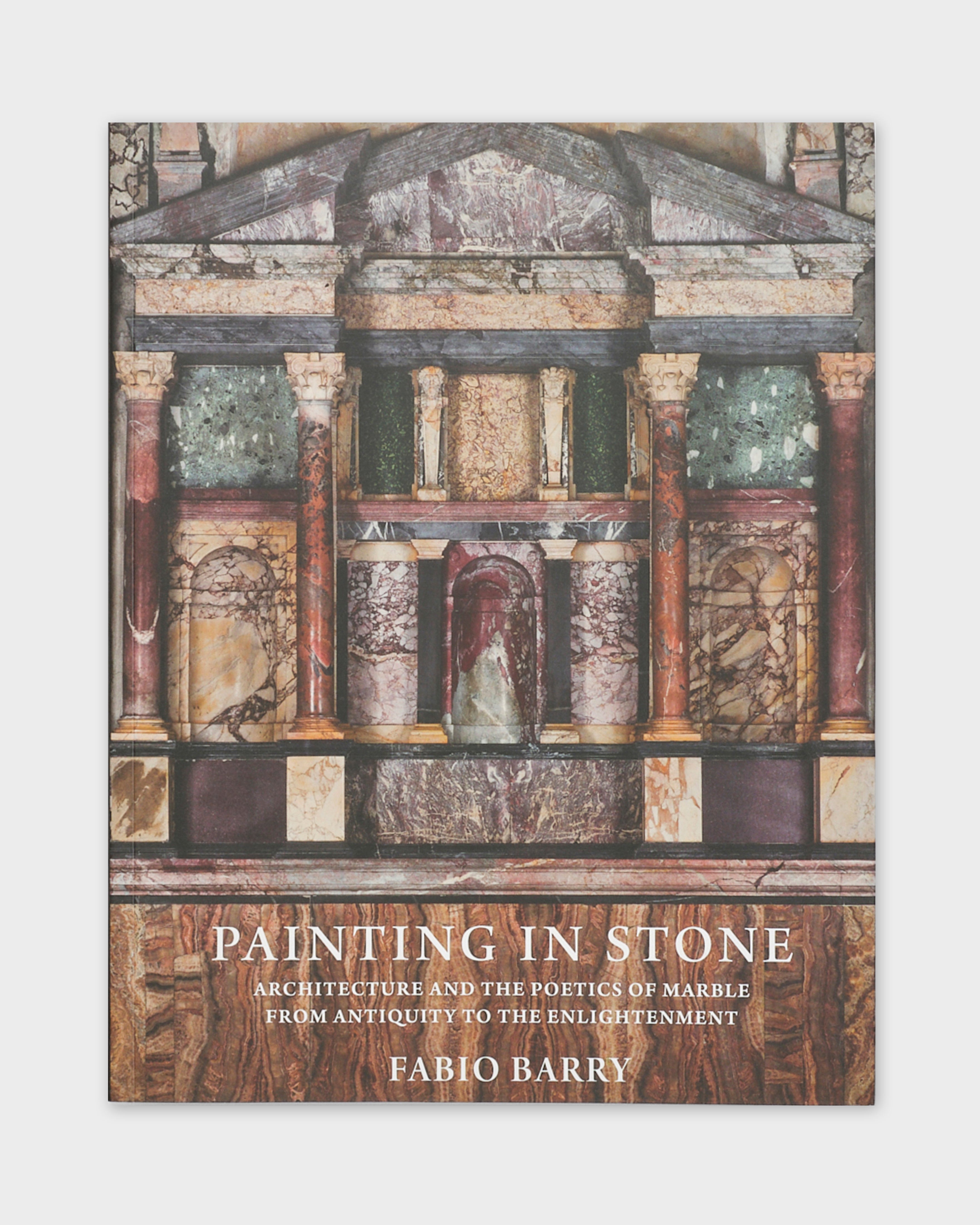
Sudpsuez Painting in Stone: Architecture and the Poetics of Marble from Antiquity to the Enlightenment by Fabio Barry
Words by Fabio Barry
A sweeping history of premodern architecture told through the material of stone
Spanning almost five millennia, Painting in Stone tells a new history of premodern architecture through the material of precious stone. Lavishly illustrated examples include the synthetic gems used to simulate Sumerian and Egyptian heavens; the marble temples and mansions of Greece and Rome; the painted palaces and polychrome marble chapels of early modern Italy; and the multimedia revival in 19th-century England. Poetry, the lens for understanding costly marbles as an artistic medium, summoned a spectrum of imaginative associations and responses, from princes and patriarchs to the populace. Three salient themes sustained this “lithic imagination”: marbles as images of their own elemental substance according to premodern concepts of matter and geology; the perceived indwelling of astral light in earthly stones; and the enduring belief that colored marbles exhibited a form of natural—or divine—painting, thanks to their vivacious veining, rainbow palette, and chance images.
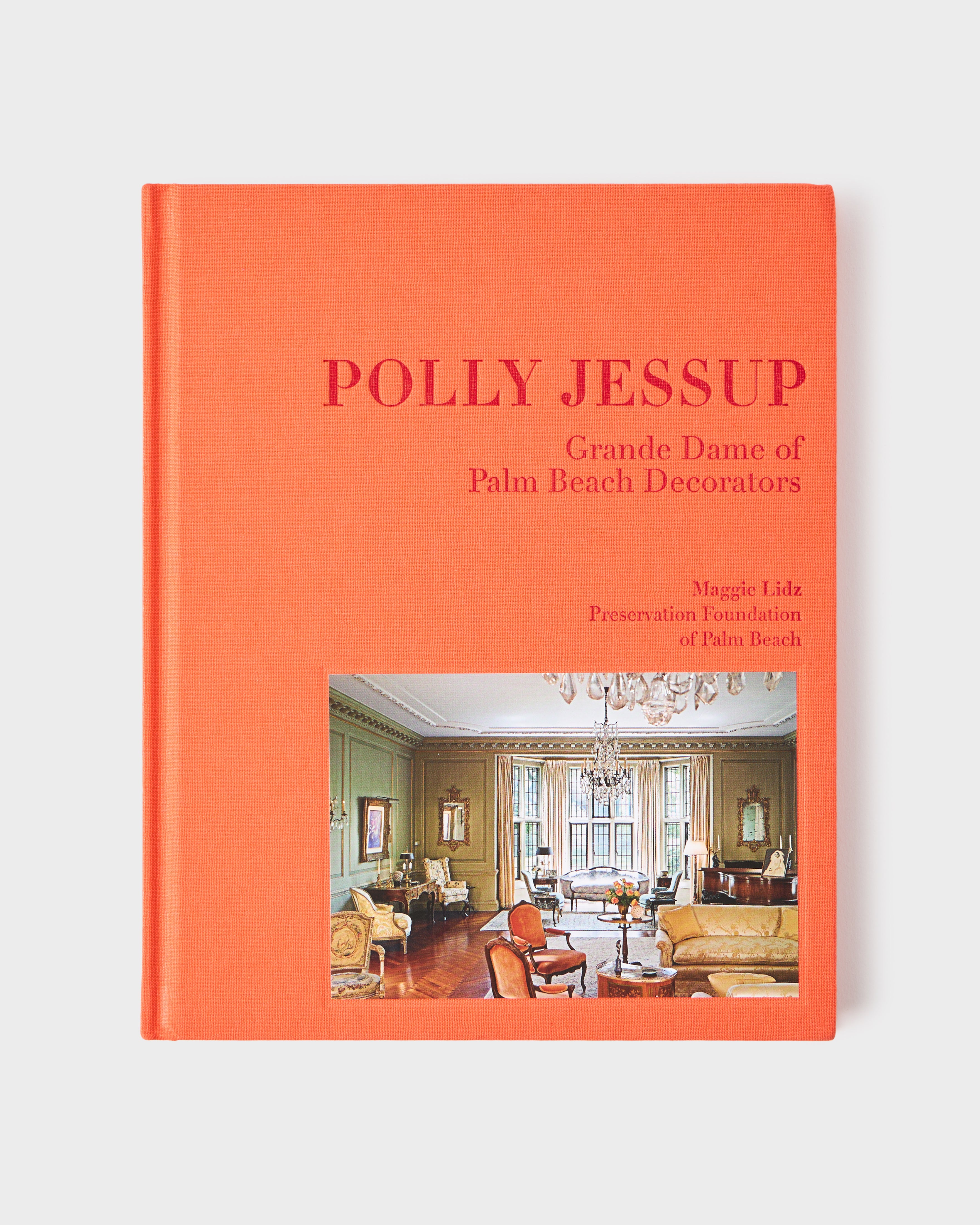
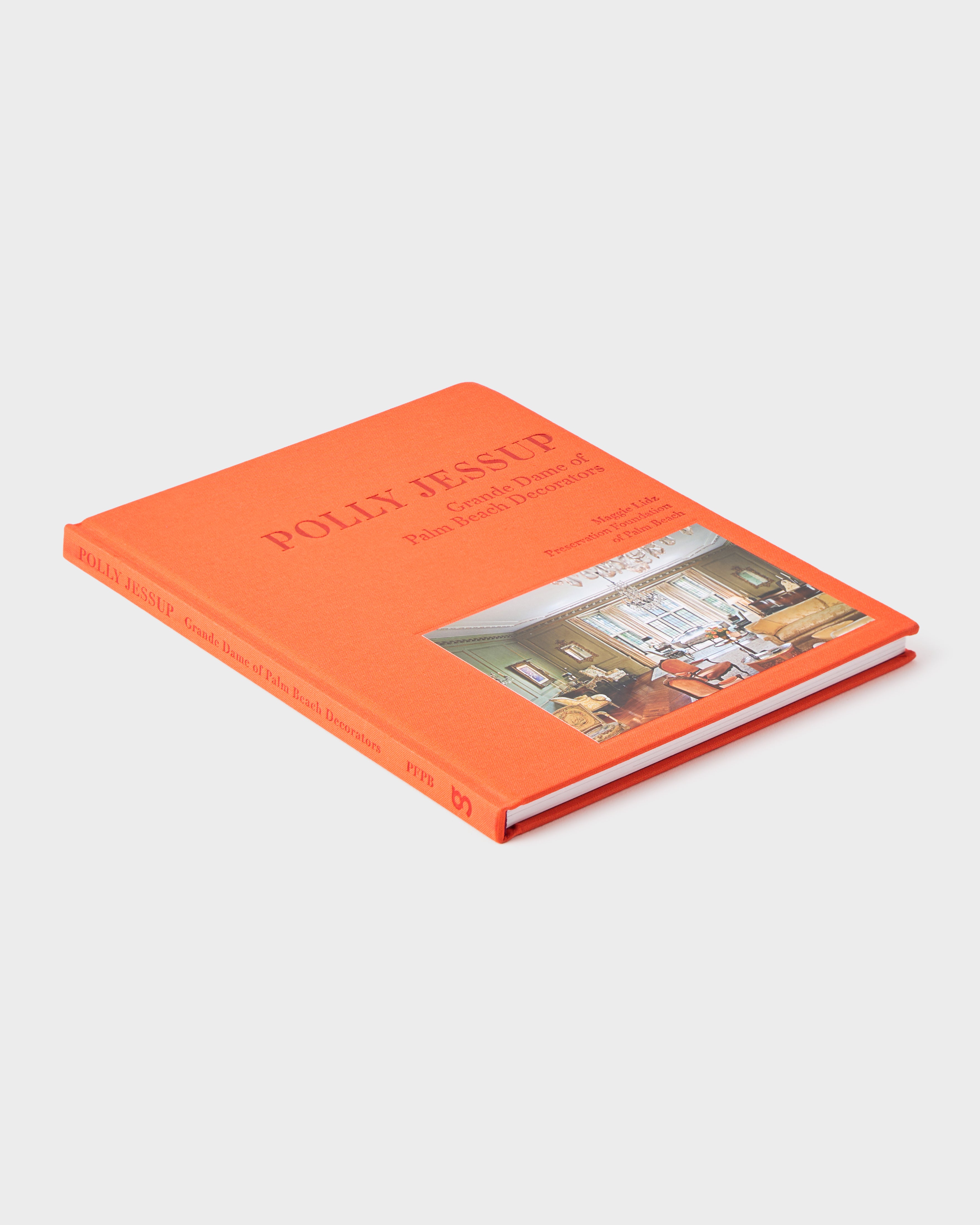
Sudpsuez Polly Jessup: Grand Dame of Palm Beach Decorators
Words by by Maggie Lidz
Pauline Daniel "Polly" Jessup is known for her graceful and sophisticated interior décor for society’s biggest names—du Pont, Ford, Whitney, Mellon, Reed, and countless other socialites. During her prolific six-decade career Jessup, given her nickname in a 1987 New York Times editorial, oversaw many significant commissions, and her work persevered through the economic downtowns of the Great Depression and well after the post war boom. This new volume weaves social history and a fascinating cast of characters into the fabric of her story, using images of her work and recollections from clients and colleagues to document, for the first time, Jessup’s history and contributions to the design canon.
Author and curatorial historian Maggie Lidz, formerly a research consultant to the Edsel & Eleanor Ford House in Grosse Pointe, Michigan, where she first learned of Jessup, Inc., has written the volume’s three principal chapters, which look variously at the life and career of Polly Jessup, Jessup’s notable clients and their “Jessup Rooms”, and key employees of her company, Jessup Inc. Each of these chapters is heavily illustrated with a wealth of color shots of surviving interiors, archival photographs, and ephemera from the collections at the Preservation Foundation of Palm Beach, The Society of the Four Arts, The Edsel and Ethel Ford House, and the Detroit Institute of Arts.
Published by Giles