

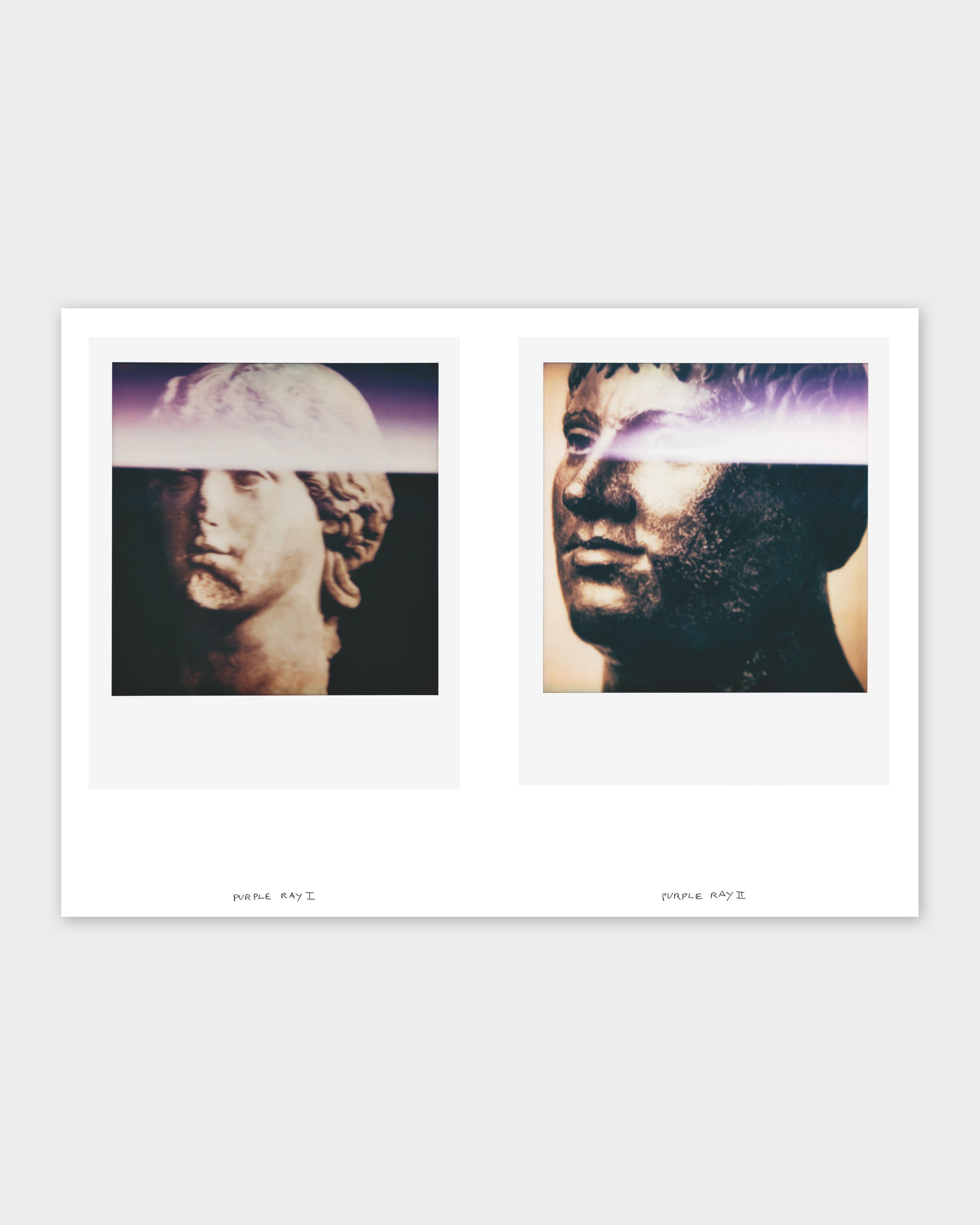
Words by Francois Halard
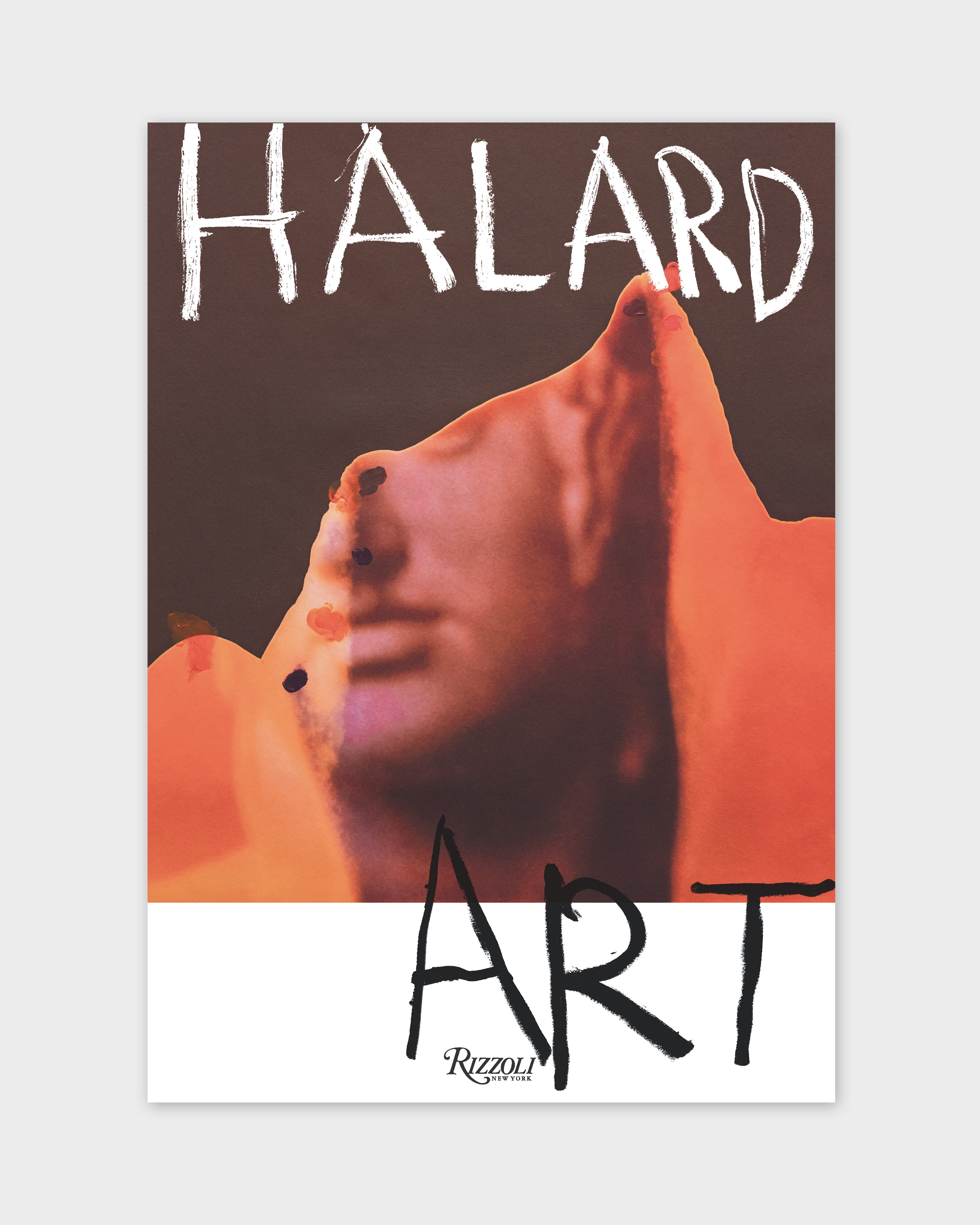
The master photographer’s compelling images of his two most intimate passions: art and flowers.
“His photography has an innate capacity to evoke emotion and tell stories that linger in the mind long after the image is seen,” writes Dries Van Noten in the foreword to this two-volume series of images.
Long revered for his personal photography of the world’s most celebrated buildings and interiors, Halard strikes a new path with two new bodies of work. Confined to his house in Arles after a shoulder injury in early 2024, Halard began photographing the objects immediately surrounding him with his Polaroid camera. In turns traditional and abstract, the Flowers series is a captivating exploration of nature’s beauty. As beautifully described by fashion designer Dries Van Noten, “The Polaroid captures a fleeting moment, blossoming into a lasting memory, while the real flower, vibrant and alive, ultimately withers away, reminding us that beauty can be both preserved and ephemeral.”
In the second series, Art, Halard has enlarged a select number of his Polaroids, which he then worked on top with paint, wax, and other materials to give the final results a strong, layered sense of history and memory. Many of the images are made of ancient statuaries or details of Renaissance paintings from Italy and Greece—the tight crop of a marble head, or the folds of 15th-century drapery. “I am delving into the idea that antiquity can be modern,” Halard states in his interview with art curator Bice Curiger, “I like to start with a specific object to turn it into another, transitory object.” Halard’s transformation of the ephemeral into the permanent, in the case of his flowers; and the permanent into the ephemeral, in the case of his Classical-inspired artworks—give power and beauty to these compelling images.
Published by Rizzoli
Delivery in 2 weeks
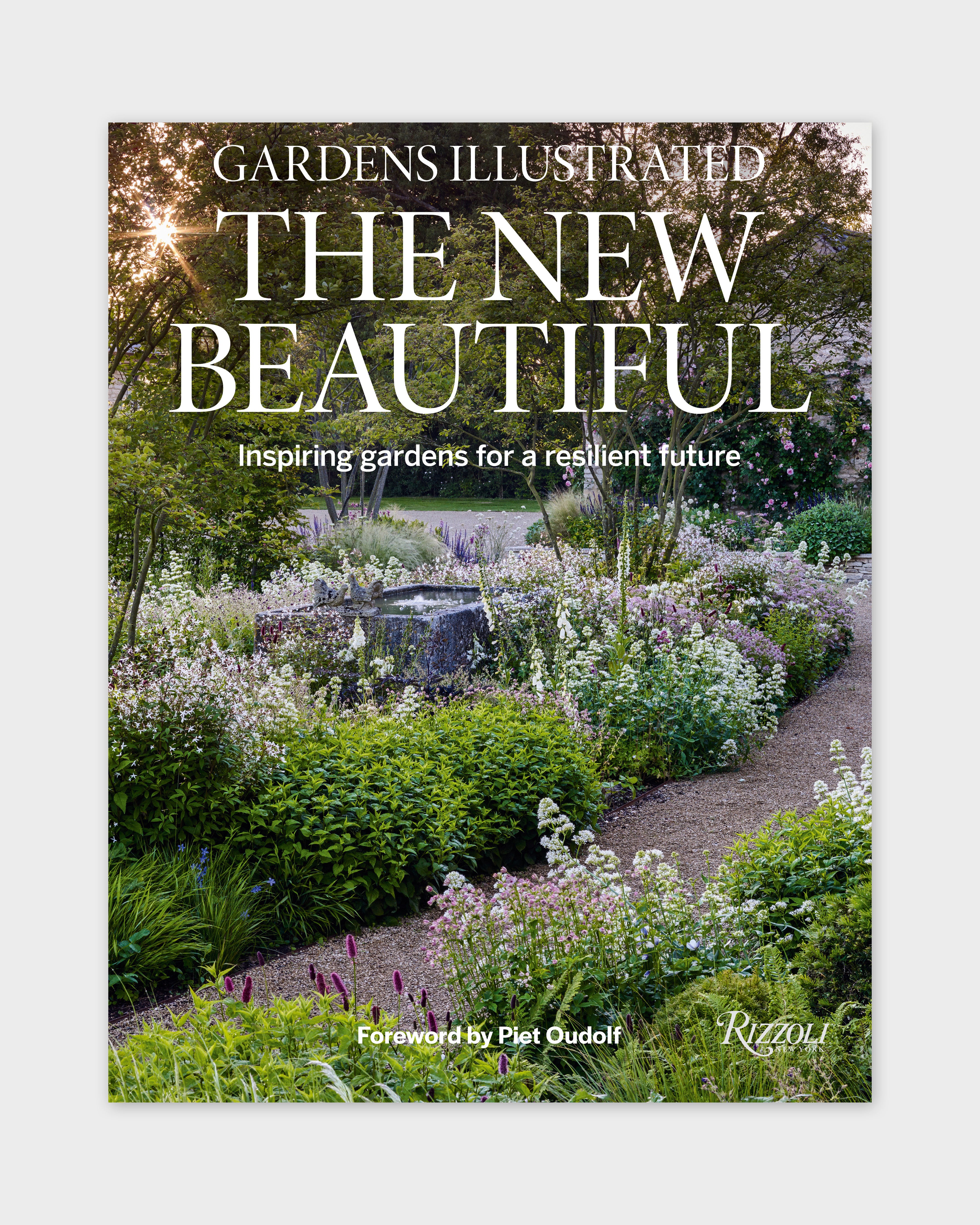
Words by The Editors Of Gardens Illustrated
Introduction by Stephanie Mahon
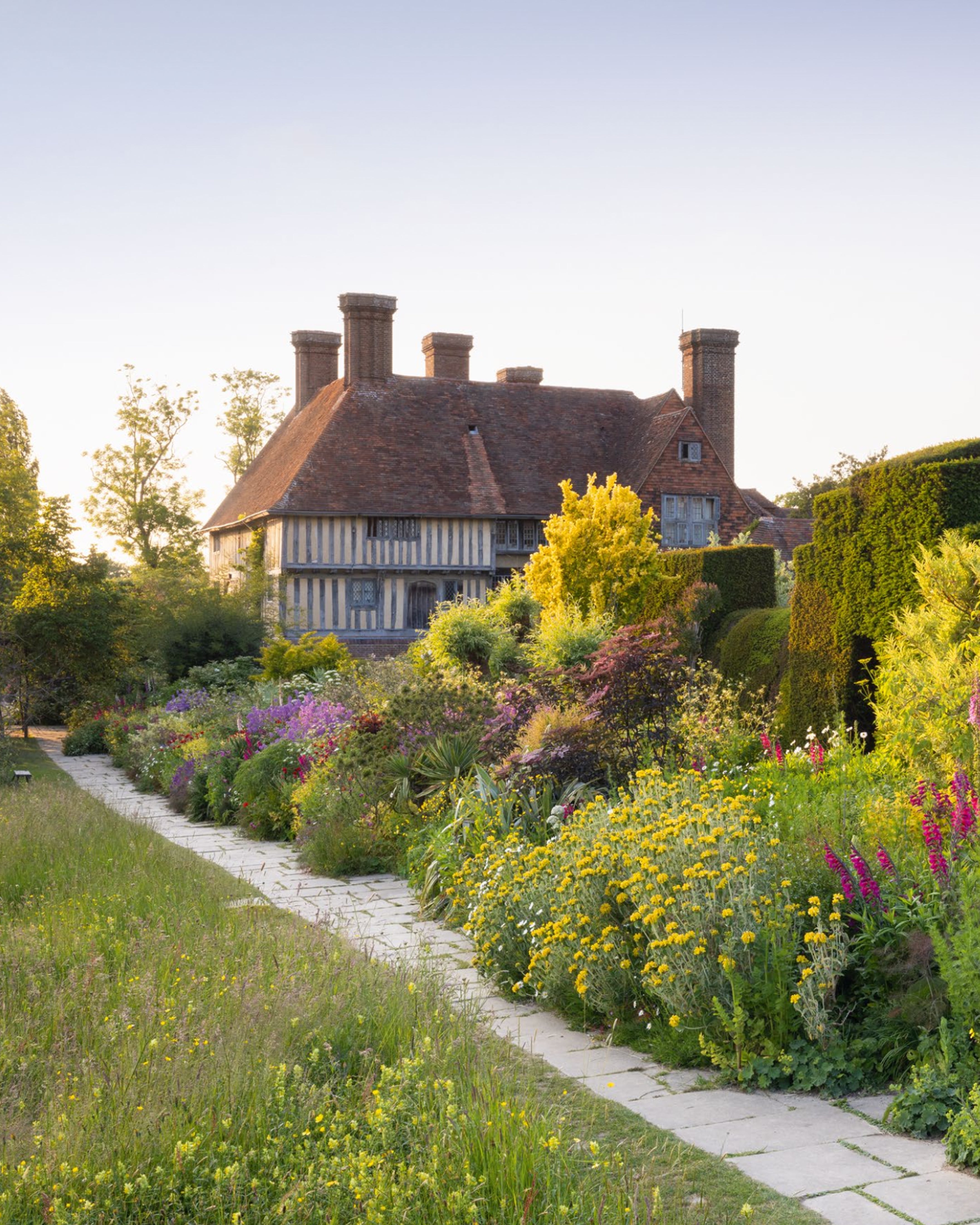
The first book from today’s leading garden magazine, renowned for its stylish features, outstanding photography, and top-notch garden writing full of insights and advice. The editors have selected over fifty of their favorite gardens in a mix of scales and in a variety of climates to appeal to garden enthusiasts everywhere.
Gardens Illustrated is today’s most popular gardening periodical, thanks to its lavishly photographed features on contemporary, forward-thinking gardens that focus on irresistible plants and clever designs. Through these gardens, each selected by the magazine’s editors for a truly exceptional trait, readers will visit the best new gardens from the United States, United Kingdom, and around the world. The scales range from small city spaces aiming to bring biodiversity deep into the built environment to country estates photographed with a new lens on ecology and sustainability, and were created by today’s top garden designers, including Andrea Cochran, Arabella Lennox-Boyd, Peter Korn, Dan Pearson, Andy Salter, Tom Stuart-Smith, Andy Sturgeon, Urquhart & Hunt, and Keith Wiley.
From loose, waving gardens that appear as unexpected mini meadows and support wildlife in small urban backyards to pleached hornbeams that act as a living fence to distinguish the borders of a lush patio from the landscape beyond and gardens that show the best new ideas for hardscape, pathways, fountains, and pergolas, readers will take away hundreds of ideas for incorporating successful plant combinations and other design elements into their own home gardens. Text by the best garden writers relays plenty of plant identification information, tips for successful growth, and most important, provides insight into how these top designers conceived of and implemented the ideas that make each and every featured garden a place full of memorable atmosphere, charm, and relaxation.
Published by Rizzoli
Delivery in 2 weeks
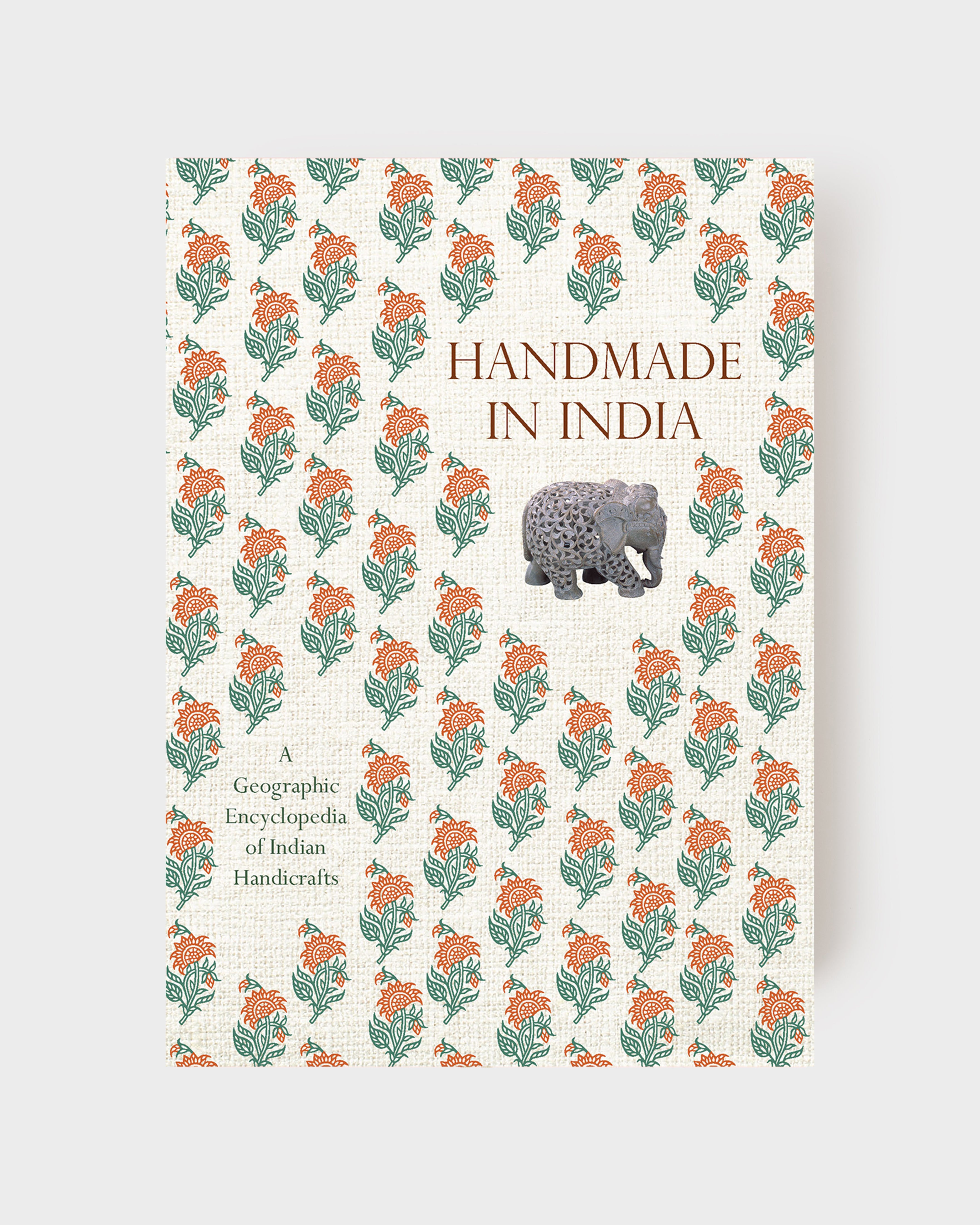
Words by Aditi Ranjan & M.P. Ranjan
Daily life in India is enriched by a colorful profusion of handmade goods, crafted with simple tools by artisans rooted in local traditions. From the richly embroidered gabba rugs of Kashmir to the polished metal mirrors of Kerala, and from the turned-wood vases of Gujarat to the coiled-cane hats of Arunachal Pradesh, the range of Indian handicrafts is as rich and varied as the country’s culture and geography.
Handmade in India is the first book to explore the entire spectrum of Indian crafts, state by state and district by district. The product of extensive fieldwork, it covers all aspects of India’s regional traditions: their historical, social, and cultural context; design and production processes; and markets old and new. Thousands of color photographs show the artisans at work, their tools, and their finished products. The broad geographic scope allows the reader to appreciate not only the astonishing diversity of Indian crafts, but also the variations (sometimes subtle, sometimes surprising) in the same craft as practiced in different regions.
This beautifully illustrated volume is an indispensable reference for product and textile designers, artists, architects, interior designers, development professionals, and collectors alike.
Published Abbeville Press
Edited by Gabriele Borghini
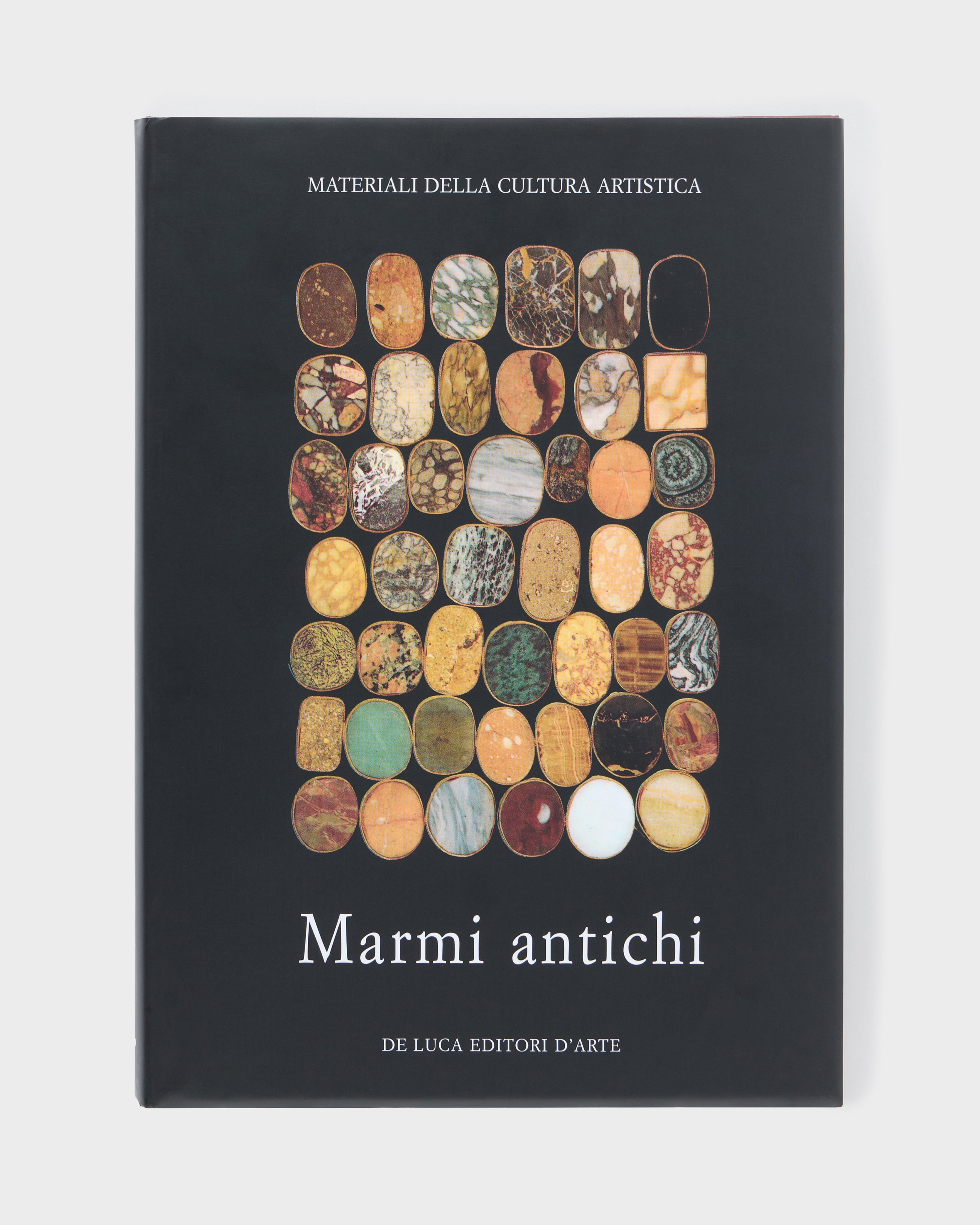
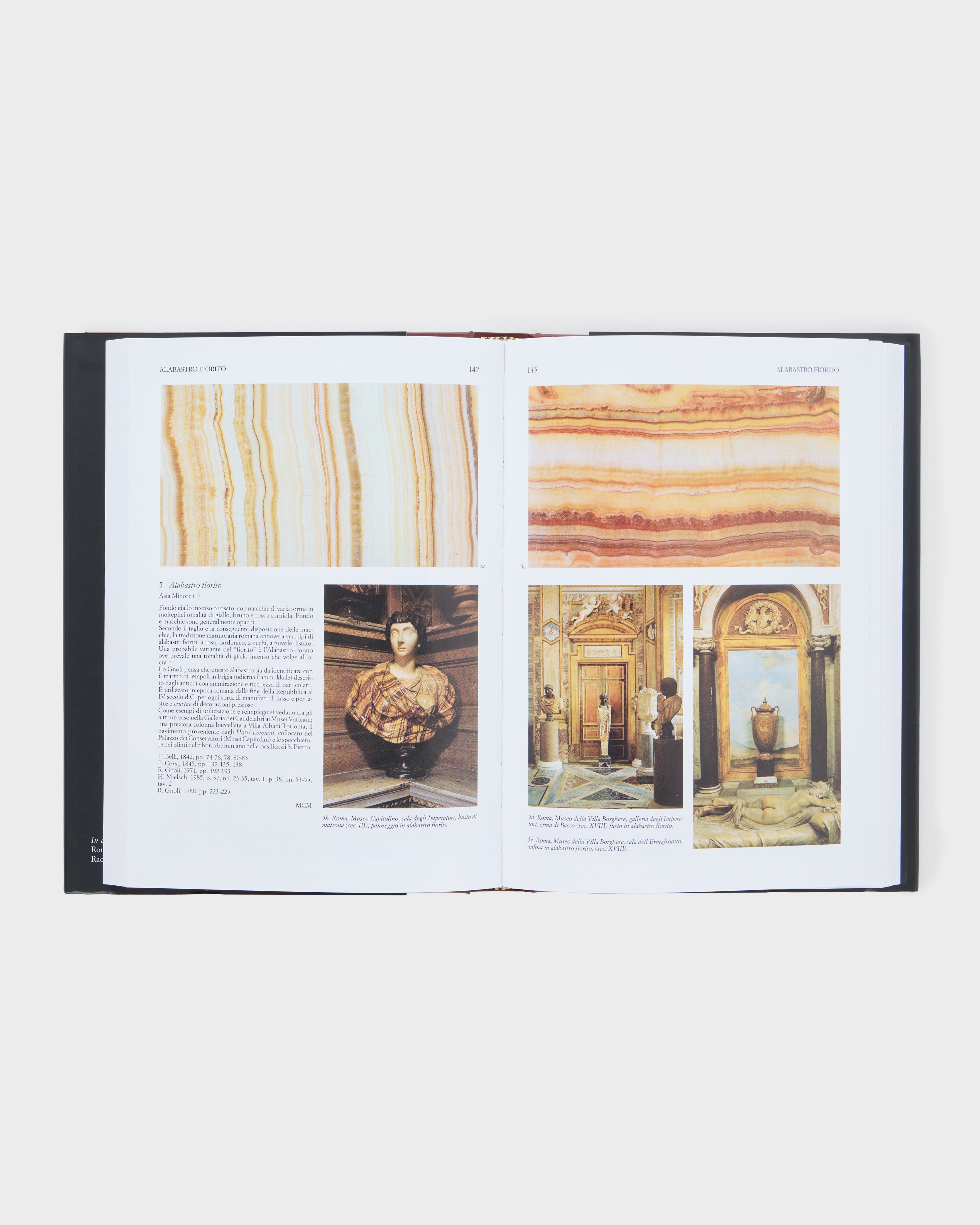
Marmi antichi is an essential reference work for restorers, art historians, and enthusiasts of classical materials. The book delves into the examination of raw stone and its processing, tracing a chronological arc from the Egyptians to the Romans. It continues by exploring medieval and modern practices of the "marmorari" (marble workers), including reuse, the Cosmati, and 17th-century specialized decorators. The volume concludes with a reasoned catalog of various marble types, providing valuable guidance for recognizing and assessing their aesthetic and structural characteristics.
Published by De Luca Editori
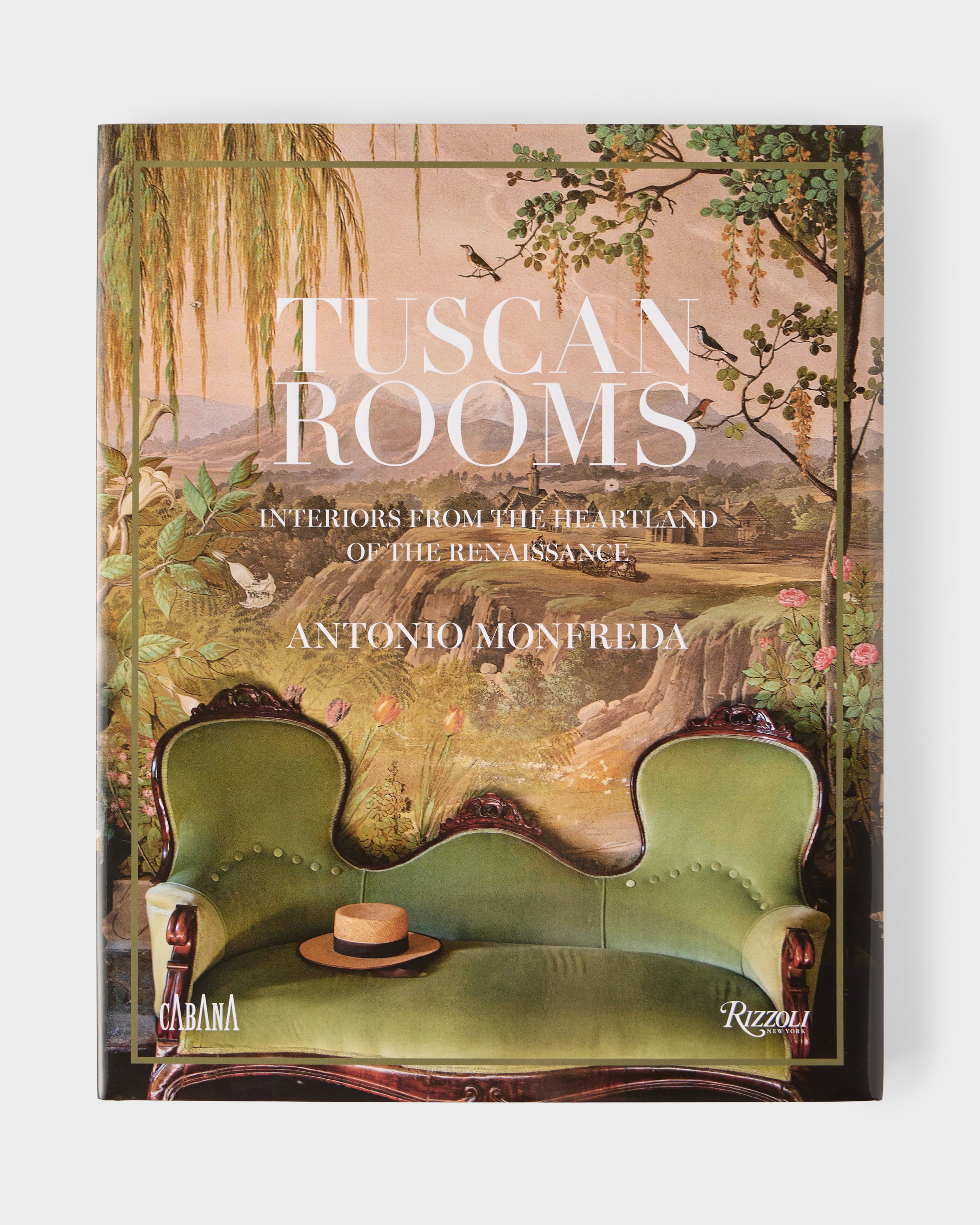
An exclusive look into Tuscan interiors that have the hallmarks of magazine’s coverage of remarkable, eclectic, and dramatic spaces.
Tuscany’s historical residences tell stories that no mere guidebook can capture. The houses that dot the landscape—from the stately Medici villas to the more humble yet charming farmhouses—are not just structures but also symbols of a way of life, a lasting testament to the fusion of an agrarian lifestyle, picturesque towns, notable architecture, fine craft, and art.
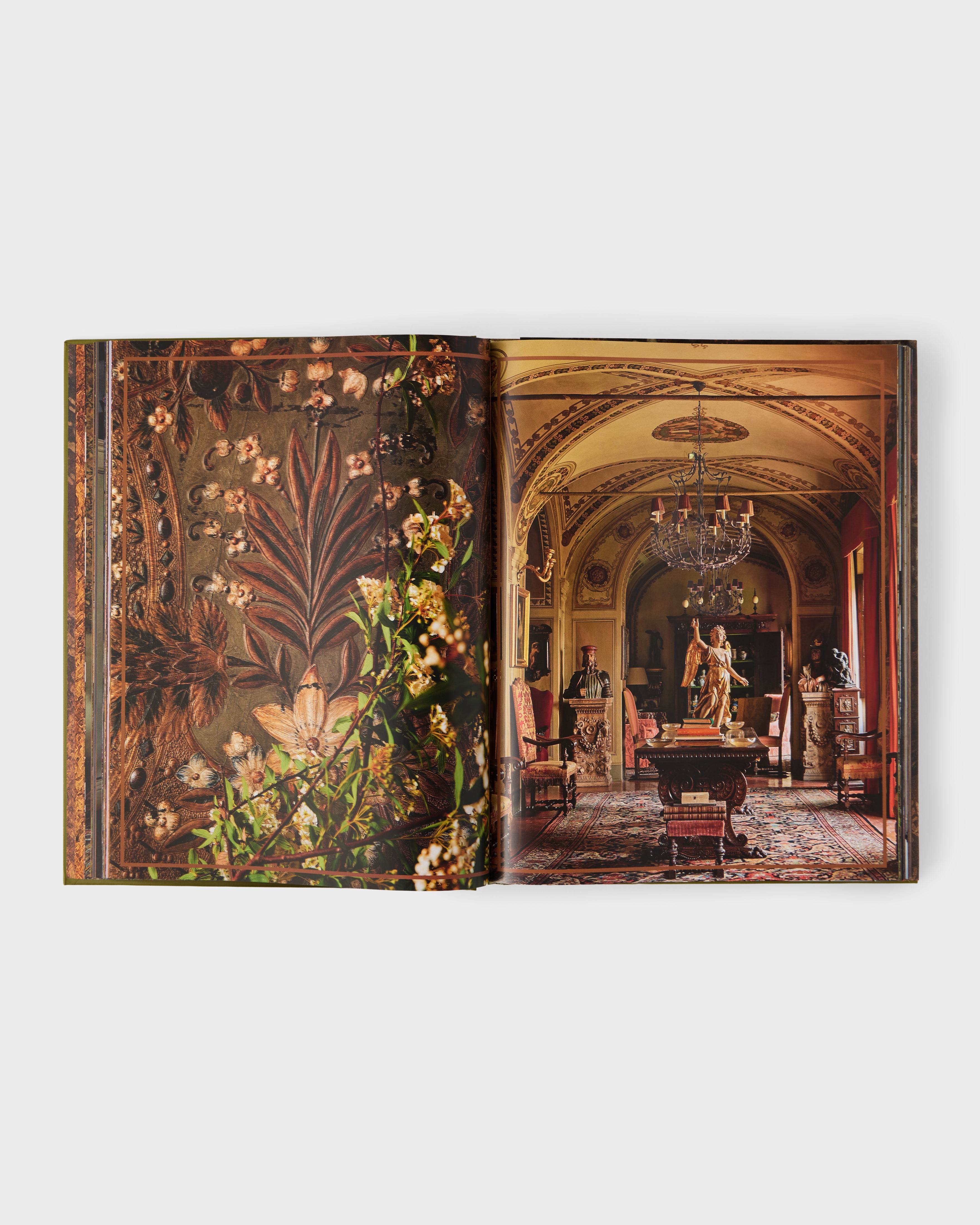
In the book’s foreword, Cabana founder Mondadori writes, “Tuscany is not merely a region; it is a living canvas, a dreamscape that has cradled the imagination of artists, poets, and thinkers for centuries.” The interiors presented in this book are a celebration of the talents of the diverse contemporary homeowners, who are keeping the region’s creative spirit alive. Houses brim with the output of skilled craftsmen, exquisite tapestries, brocades and damasks, objects arranged as if painterly still lifes, fantastical murals, rare books, furniture from a range of periods, and fine porcelain.
The houses, many published here for the first time, include a gentle hilltop in Maremma where late interior designer Manfredi della Gherardesca filled his family’s castle with superb collections of decorative and fine arts; a rustic coastal retreat where the boundaries between indoor and outdoor are blurred; the Pucci family palace, where a kaleidoscopic twentieth-century fashion phenomenon was born in a Renaissance setting; and a country hideaway where local decorative arts are astutely paired with more worldly objects, a colorful patchwork of Argentinian and Moroccan carpets and African figurines. Tuscany is the birthplace of Renaissance art and thought, a creative explosion that still resonates today. The interiors in this book are a testament to the ongoing legacy of creative rebirth in a most glorious setting.
Published by
Rizzoli
No account yet?
Create an Account