
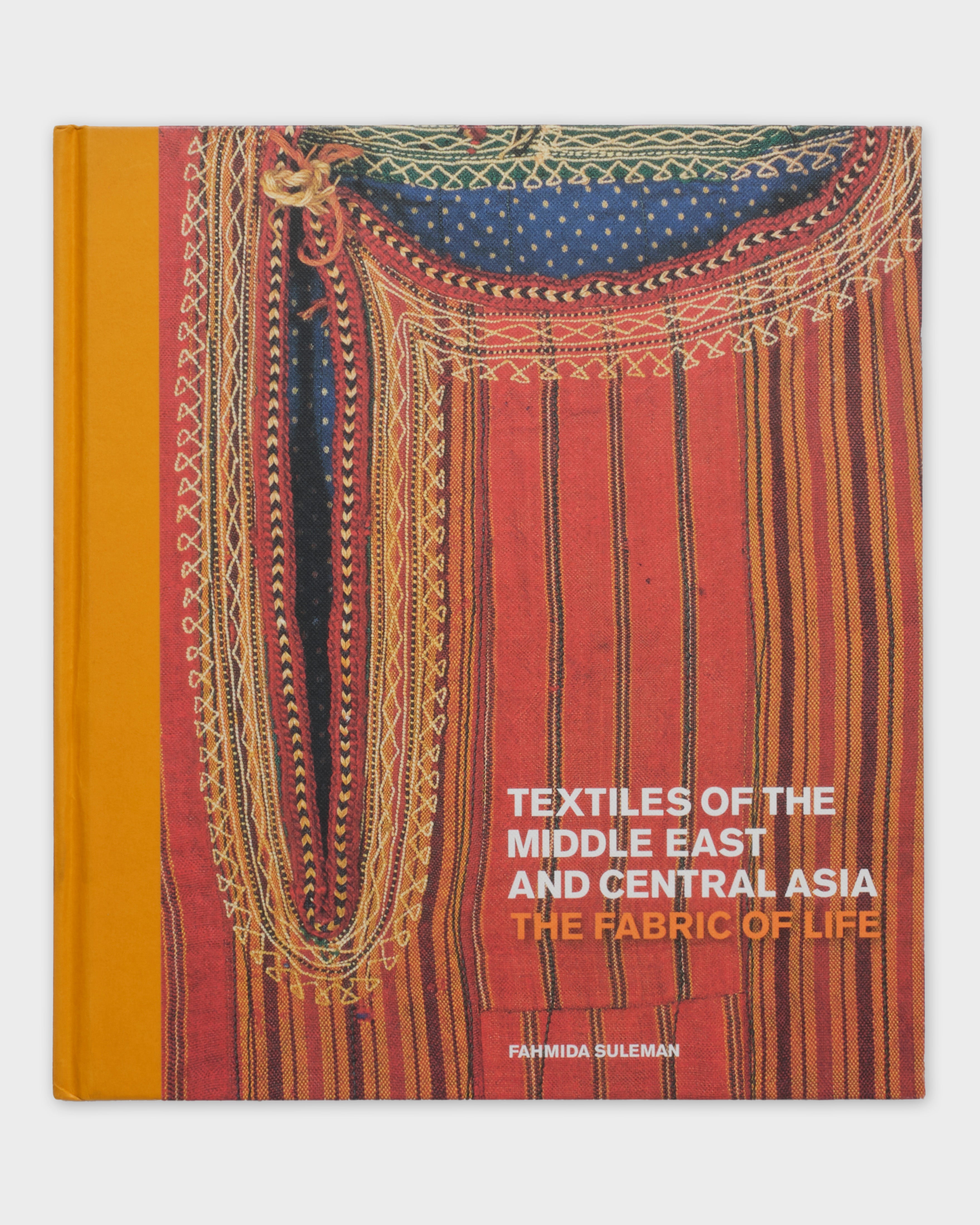
Sudpsuez Textile of the Middle East and Central Asia – The Fabric of Life
Words by Fahmida Sulehman
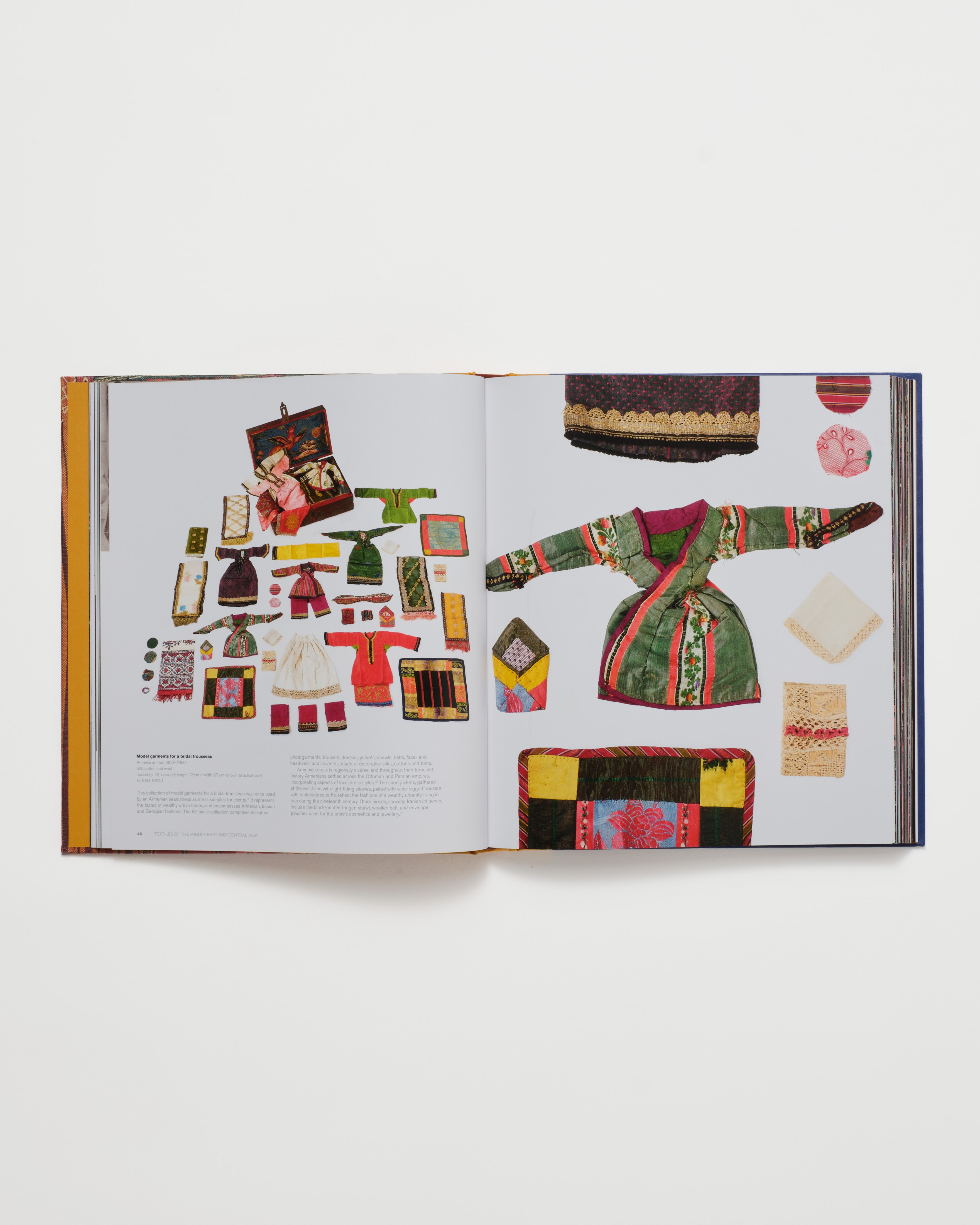
A beautifully illustrated exploration of the textile traditions of a culturally diverse region, from the late eighteenth century to the present day, featuring works from the extraordinary textile collection at the British Museum Textiles of the Middle East and Central Asia explores the significance and beauty of textiles from across the Middle East, Turkey, and Central Asia. This vast region has been the focus of population movements, exploration, and trade for thousands of years and is home to a wealth of textile traditions. From the intricate embroidery on a Palestinian wedding dress to the complex iconography on an Afghan war rug, textiles reflect the beliefs, practices, and experiences of people from these lands. The book is arranged thematically with pieces grouped according to their purpose or meaning, enabling, for example, the comparison of domestic furnishings, wedding attire, and children’s garments from across the region. The book also includes contemporary works that grapple with modern political issues. The textiles featured include male and female garments, hats and headdresses, rugs and felts, children’s clothing, dolls, tent hangings, amulets and animal harnesses. Focusing on the British Museum’s remarkable collection, Textiles of the Middle East and Central Asia offers a wealth of creative inspiration and will be essential reading for anyone interested in textiles and the cultures of the Middle East and Central Asia.
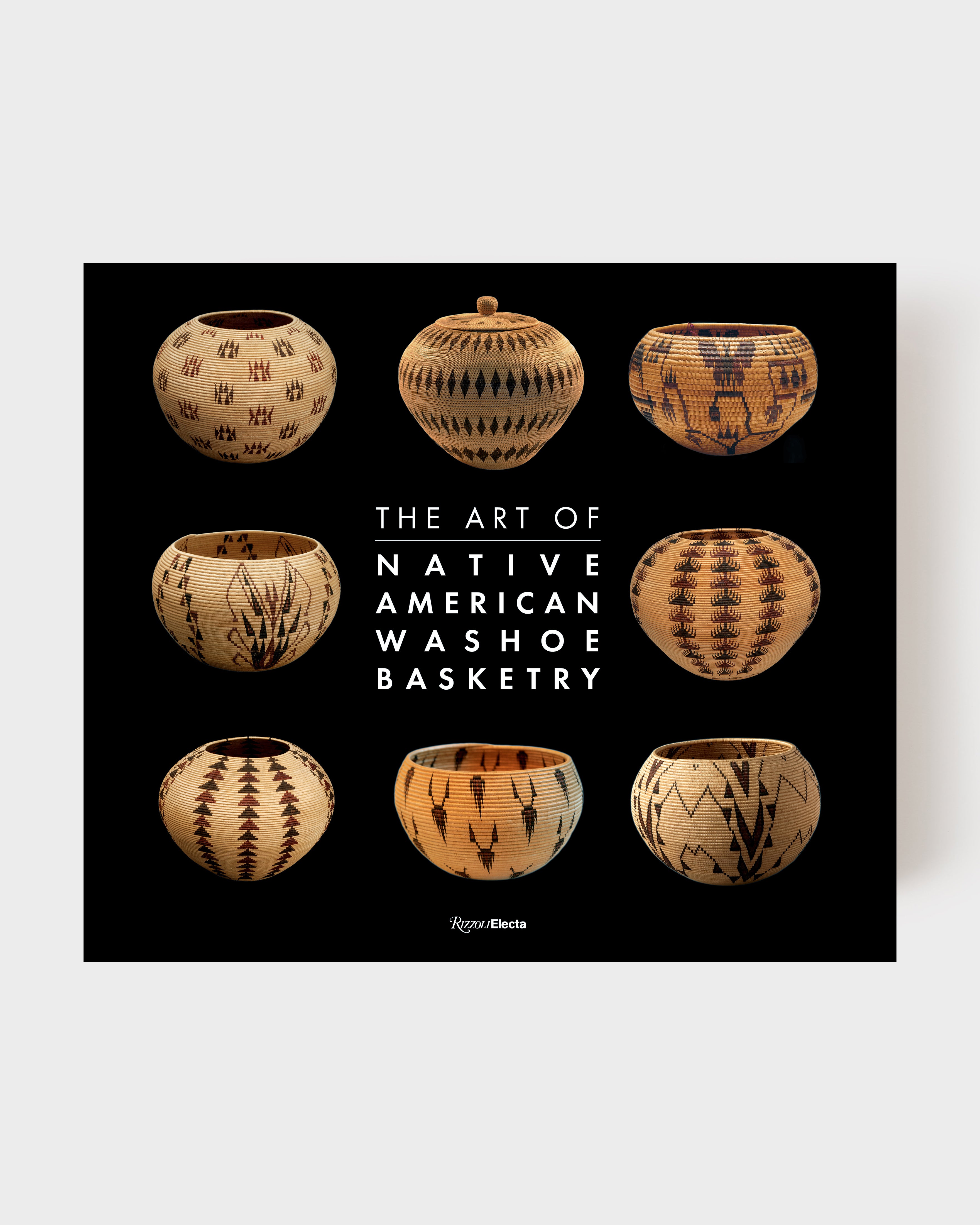
Sudpsuez The Art of Native American Washoe Basketry
Words by Ann M. Wolfe
This large-scale book presents breathtaking Native American basketry made by the Washoe people who have lived in the Lake Tahoe region of California and Nevada for millennia.
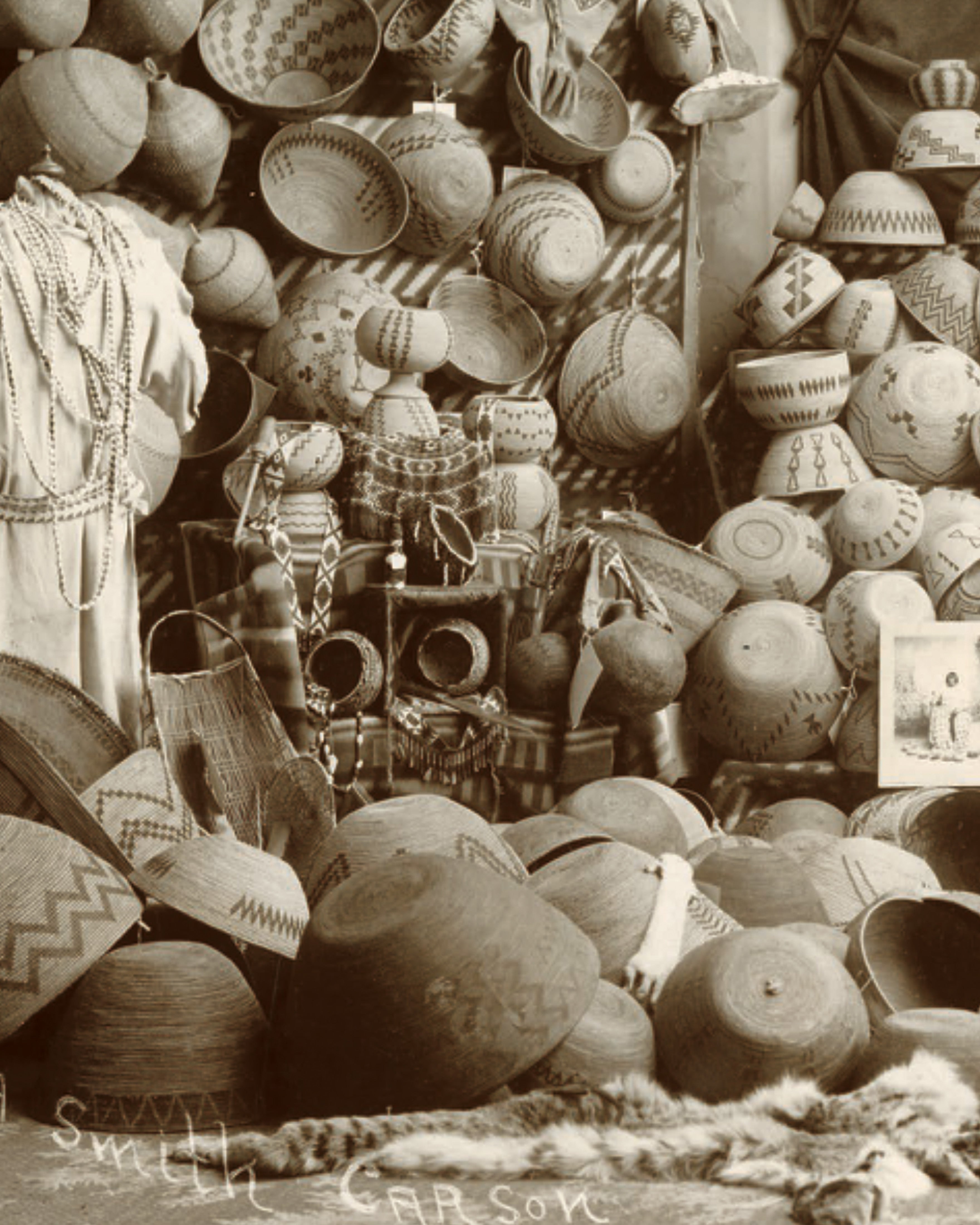
This book explores fine art and functional basketry made by Washoe weavers, who are recognized for their intricate and meticulous weaving techniques and complex designs. Drawing inspiration and natural materials from their ancestral homelands, Washoe baskets reflect the deep cultural reverence of their makers for the environment, particularly the sacred site of Lake Tahoe, the surrounding Sierra Nevada, and adjacent valleys. Among Washoe weavers, Louisa Keyser, also known as Datsolalee, is widely regarded as one of the most innovative, important, and famous basketmakers in North America. The book provides a deeper understanding of the cultural, historical, and political contexts in which these remarkable baskets were created, making it an essential read for anyone interested in Indigenous art and culture.
Published by Rizzoli
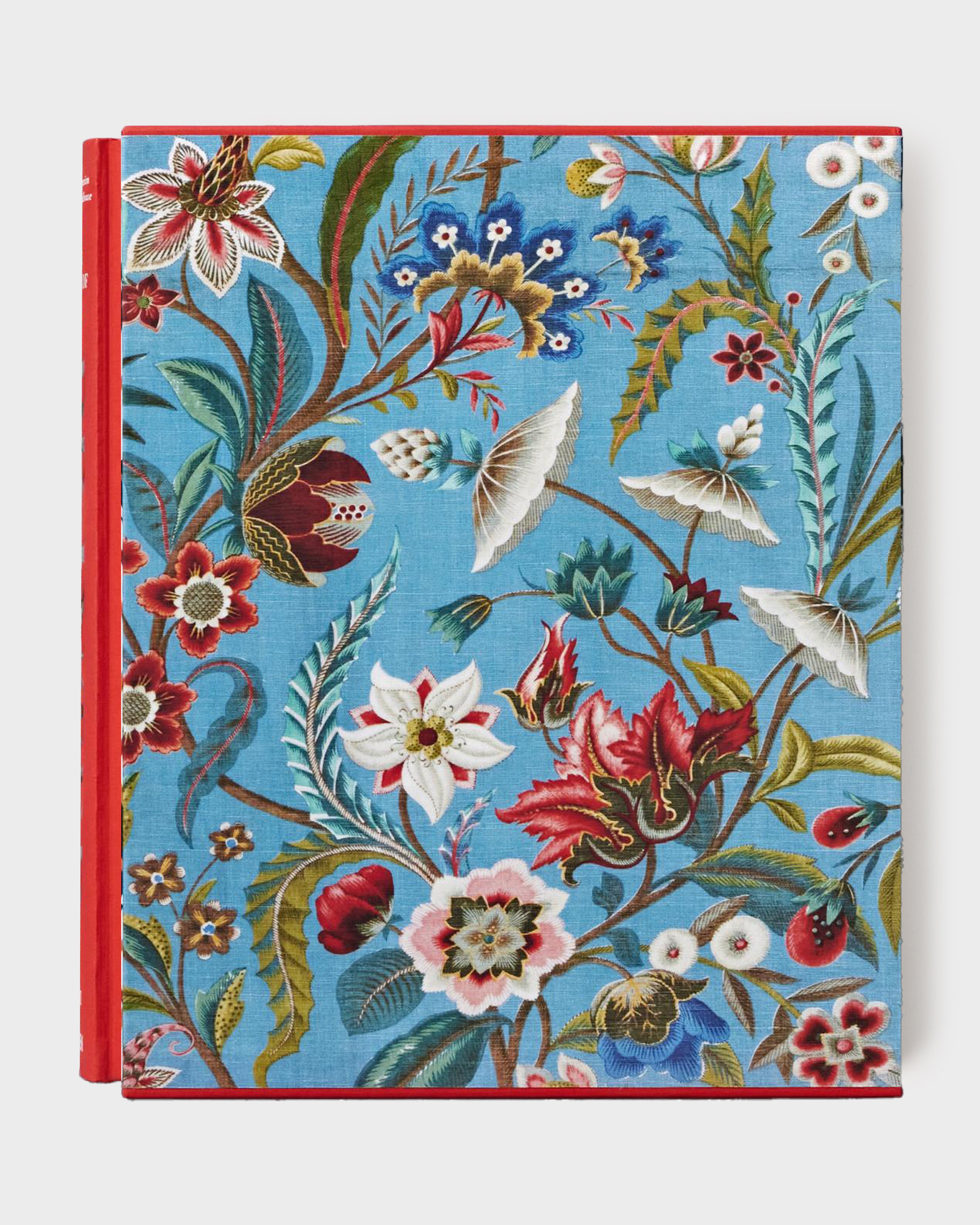
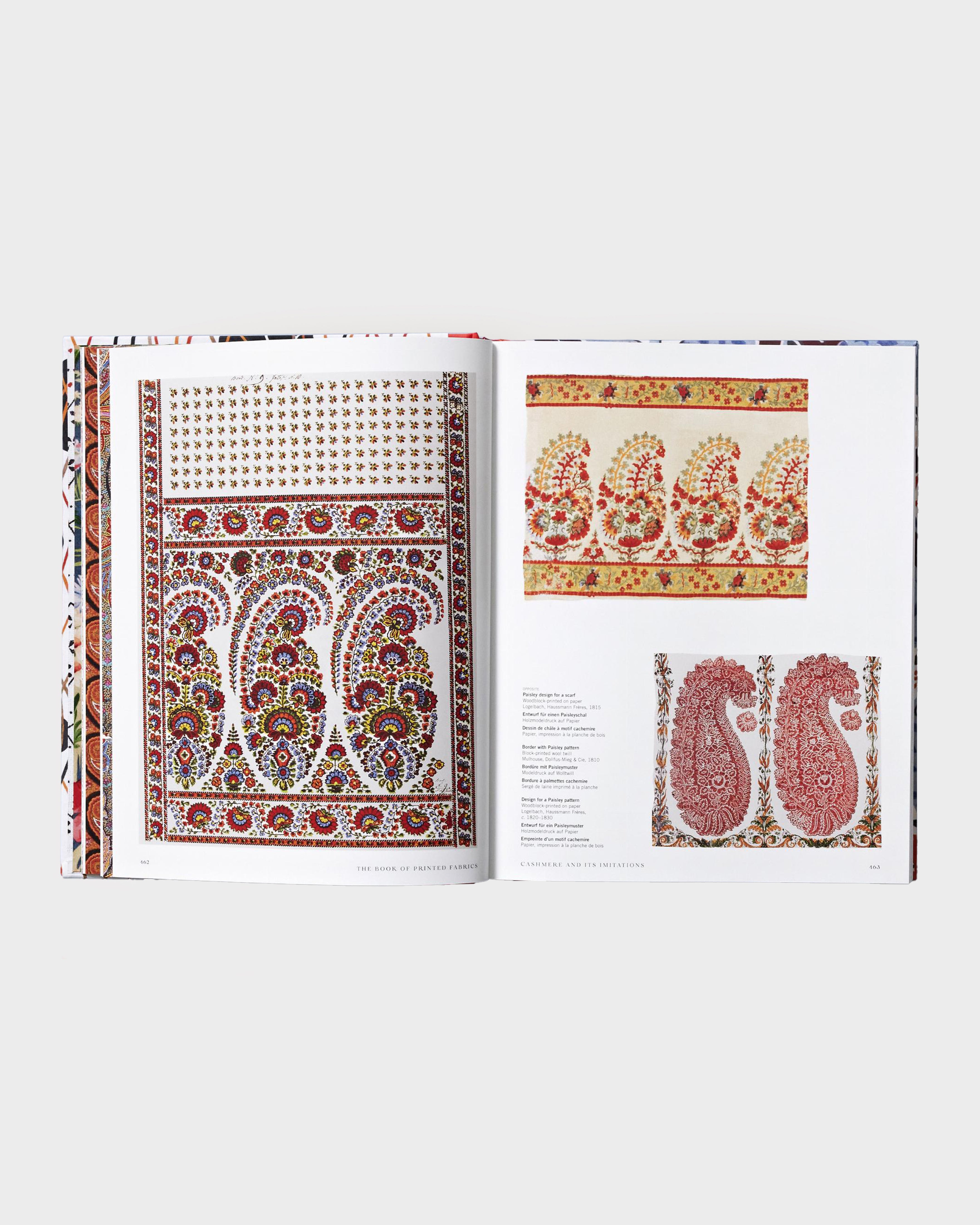
Sudpsuez The Book of Printed Fabrics: From the 16th Century Until Today
In the far east of France, close to the German and Swiss borders, lies the historic city of Mulhouse. During the early 19th century, it became one of the leading centres of textile manufacture in the country. Today it is home to the Musée de l’Impression sur Étoffes, a museum dedicated entirely to the history of fabric printing from the 17th century right up to the present day.
Few are the serious fashion designers who have not come to visit this astonishing temple to textiles. This book, however, gives you the key to those vaults, presenting on its broad pages perfectly captured images of its collections that span four different continents – recounting a fascinating artistic and technological adventure across the world, from its origins in India to the most contemporary creations.
Across two volumes, you’ll discover nine luxuriantly illustrated chapters that being to glorious life a chronological and thematic overview of the Musée’s unprecedented retrospective of the art of printed fabrics. And that journey begins in India, with the first volume devoted to the far east origins of the designs that made these prints famous, and how they came over to the factories of Europe. You’ll also find here stories and images detailing artistic innovations such as toile de Jouy and the development of new colour ranges.
In the second volume, the reader can look back at the incredible inventiveness of manufacturers and their designers throughout the nineteenth and twentieth centuries. Explore eye-catching cashmere motifs and the intense passion for nature and flowers that emerged under the Second Empire, before the artistic avant-gardes and modernity profoundly evolved the artistic creation of textile prints.
With nearly 900 pieces reproduced here to the highest possible standard, you will journey through the extraordinary tapestry of motifs and colours, that make this book such a peerless source of inspiration for textile enthusiasts of all kinds.
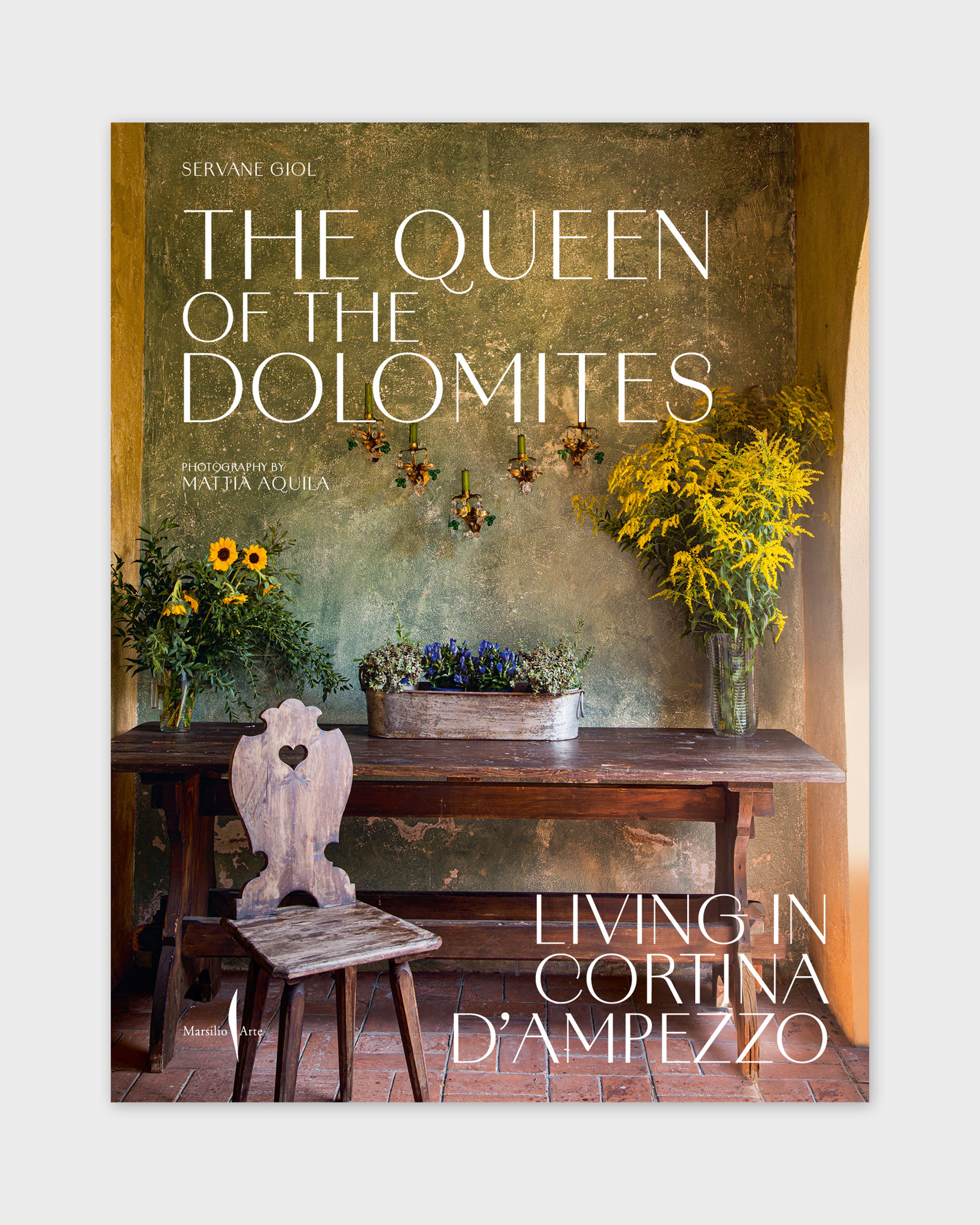
Sudpsuez The Queen of the Dolomites. Living in Cortina d’Ampezzo
Photographs by Mattia Aquila
The most exclusive interiors and iconic places of Cortina are told for the first time in a beautifully illustrated book.
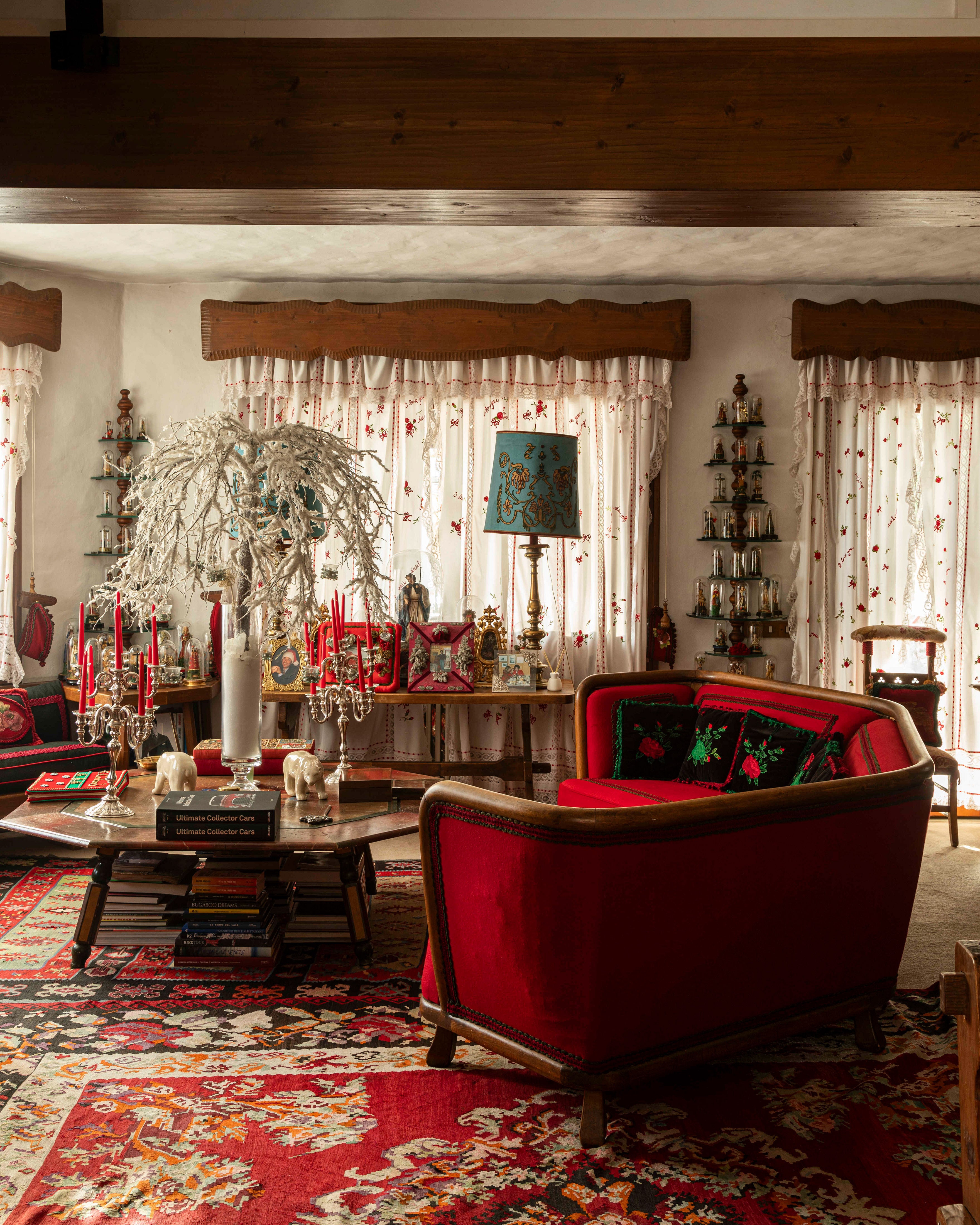
An intimate look at wonderful chalets, huts and private homes, often inaccessible and lovingly lived, chests of objects that reveal anecdotes of famous families and intertwine luxury and family warmth, design and local traditions. The queen of the Dolomites. Living in Cortina d’Ampezzo, published by Marsilio Arte, opens the doors of some of the most exclusive homes of the pearl of the Dolomites, revealing its unmistakable lifestyle.
After An Invitation to Venice, Servane Giol accompanies the reader in a story entirely dedicated to Cortina, which ranges from sports to folklore traditions, from fine fabrics to typical materials, with many curiosities about the characters – writers, intellectuals, artists who helped build the myth of this magical town. Through the unpublished shots of Mattia Aquila, the reader can immerse himself in the intimacy and unique atmosphere of these homes, from the delightful salles de bain to the salons where the wood dominates and the taste for decoration, from the retro style kitchens with richly decorated tables to the sumptuous bedrooms, from unexpected angles with wonderful wooden stairs reinterpreted in a modern key, inlaid chairs, coffered ceilings, verandas, precious doors, up to the windows open on the lush green or whitewashed mountain.
Published by Marsilio Arte

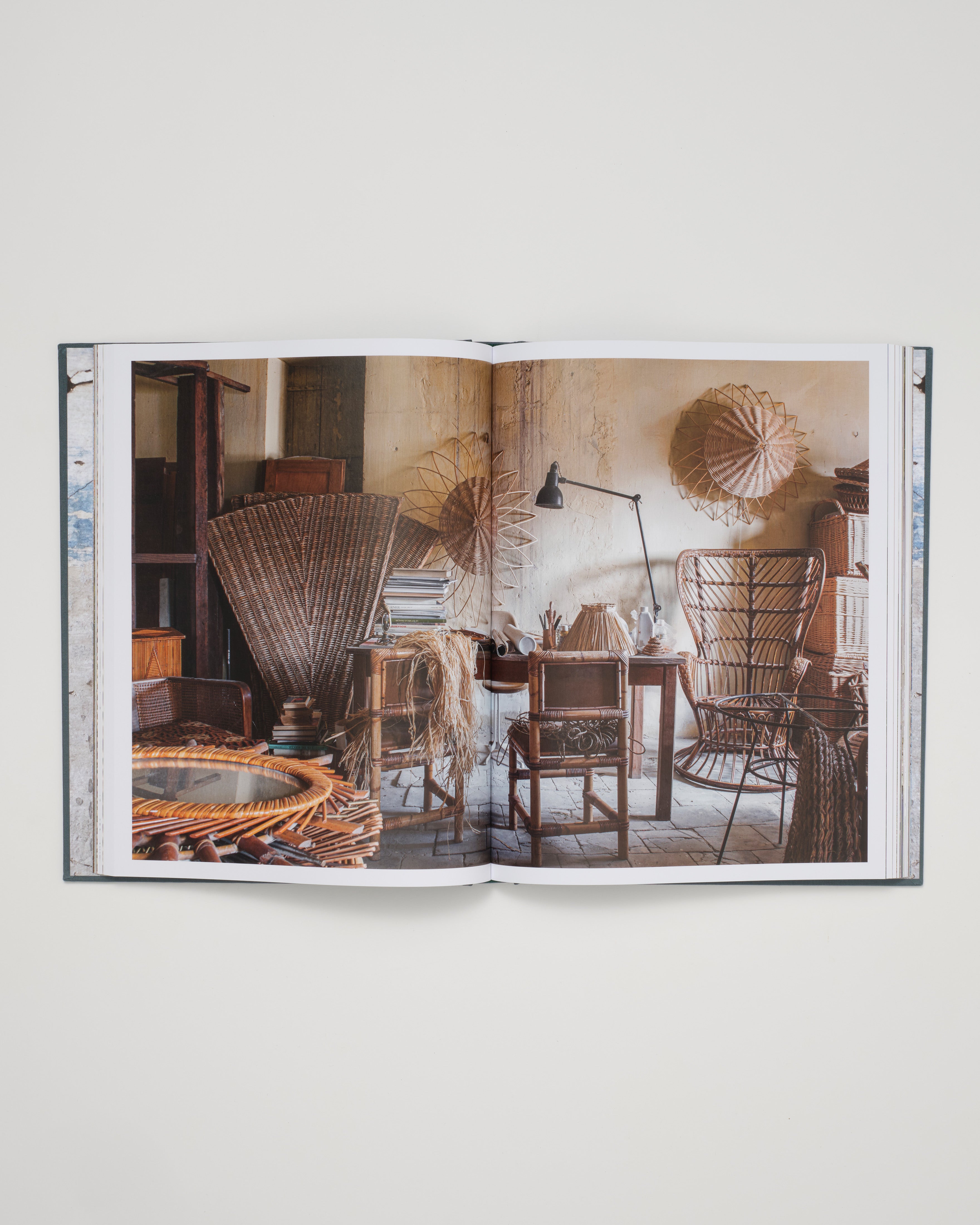
Sudpsuez The World of Atelier Vime : A Renaissance of Wicker and Style
Words by Benoît Rauzy and Anthony Watson and Marie Godfrain
Using natural materials—wicker, osier, rattan, rope—to create exquisite handwoven decorative objects, French lifestyle brand Atelier Vime has redefined luxury.
When Atelier Vime’s cofounders discovered that their eighteenth-century hôtel particulier had previously been a basket-weaving workshop, they dedicated themselves to reviving the vanishing artisanal craft. They replanted willow shrubs, hired local artisans, and designed a contemporary collection of decorative objects with their associate Raphaëlle Hanley. Karl Lagerfeld was an early admirer and, according to Architectural Digest, Atelier Vime swiftly became “the industry secret for designers.” Today, customers around the world—from private homeowners to notable designers including Pierre Yovanovich, Kelly Wearstler, Aerin Lauder, Jake Arnold, Virginia Tupker, and Beata Heuman—flock to La Maison Vime at Vallabrègues in Provence to source Vime’s unique home furnishings that are handmade in France.
The duo behind Atelier Vime invites readers to discover their idyllic universe in their homes across France, where their unusual color palettes—from periwinkle blue to burnished ocher—offer a striking backdrop for their Medici column vase, woven screens, rope lamps, and rattan furniture. Their personal collections include classical and modern art, antique textiles, Provençal ceramics, and miniature baskets, which are combined with their contemporary creations to form the signature Vime style. Bringing the ancestral savoir faire of basketry into the twenty-first century, using materials and methods that are as sustainable as they are sumptuous, Atelier Vime celebrates an impeccable lifestyle rooted in the synergic relationship between luxurious design and nature.
Published by Flammarion
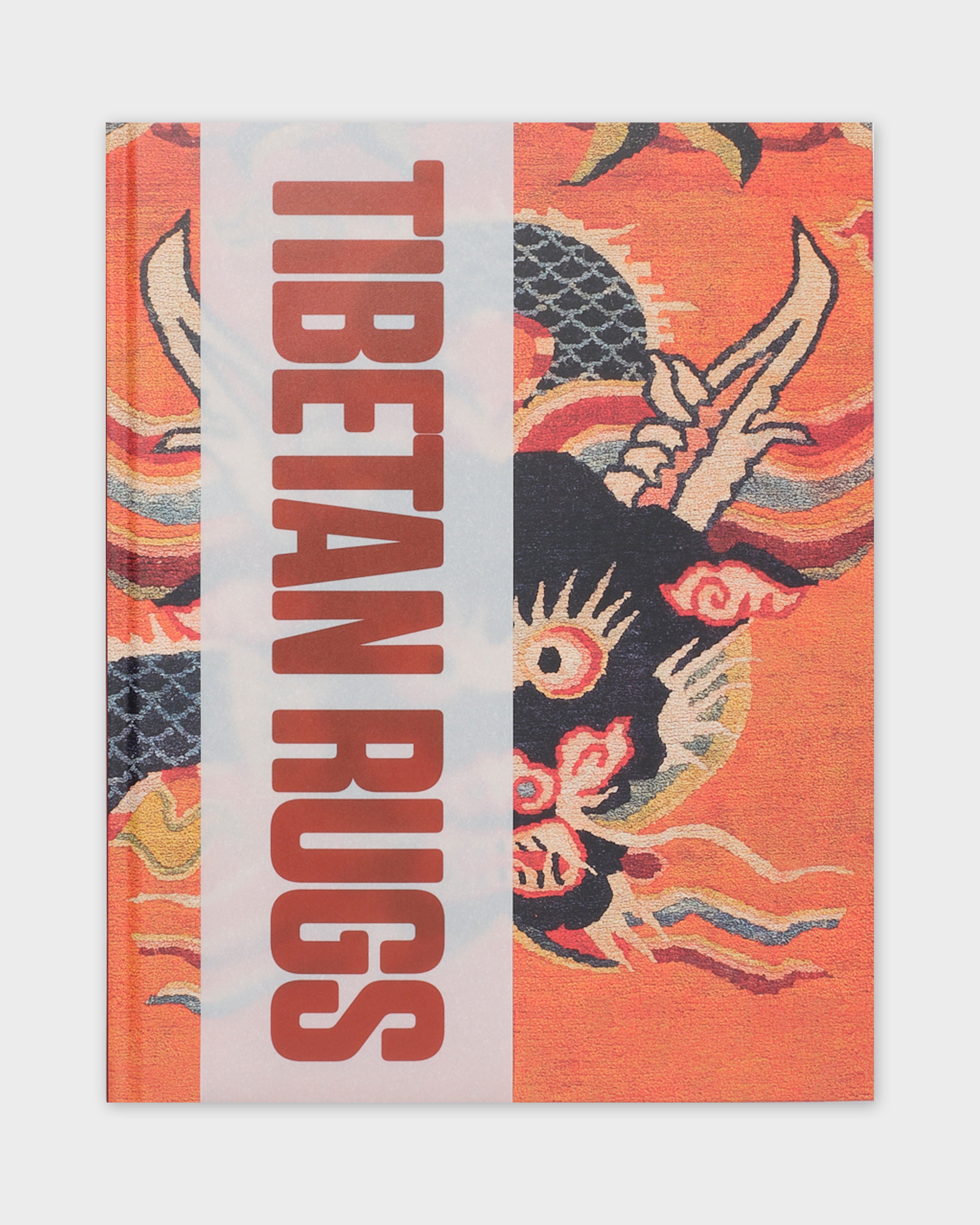
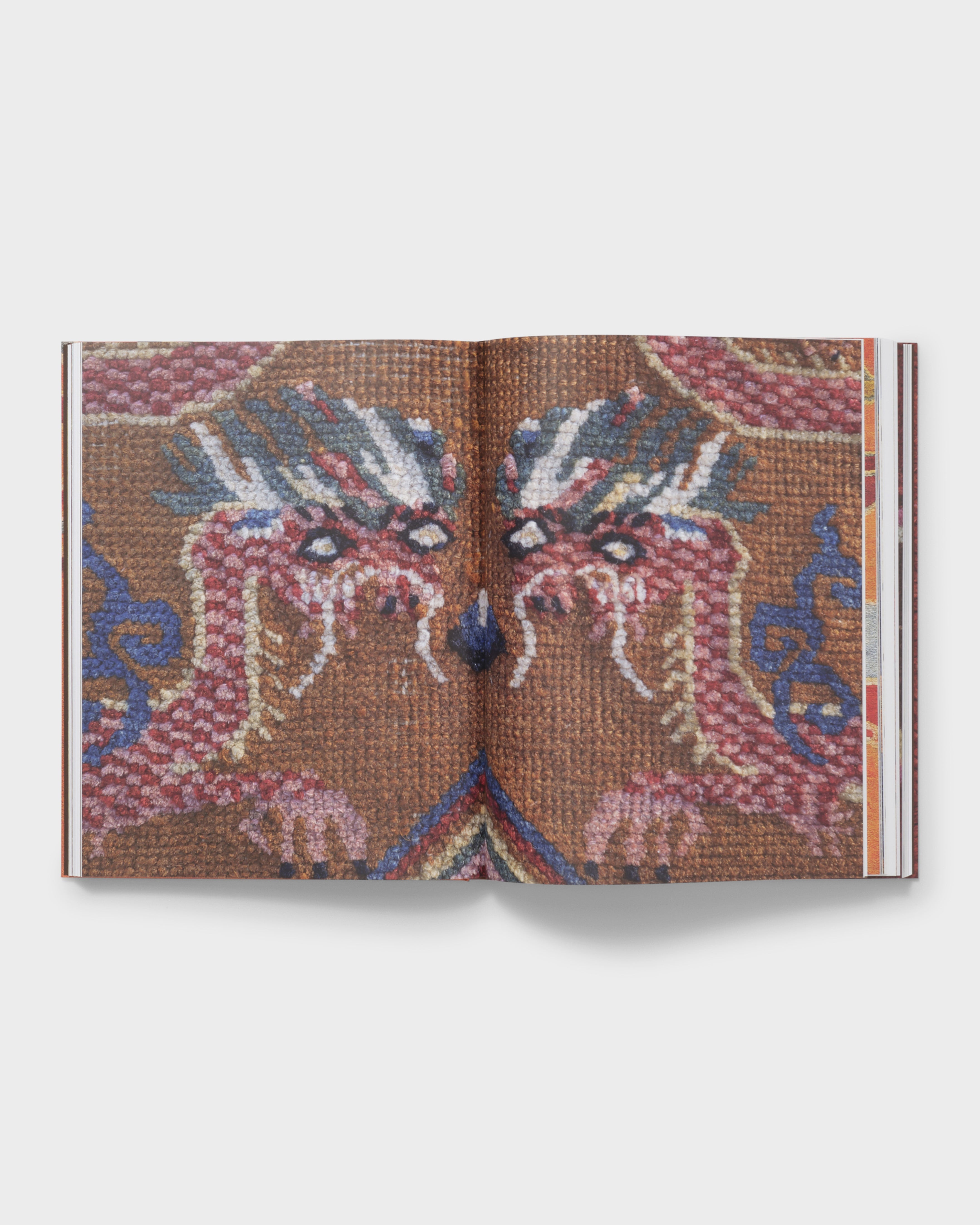
Sudpsuez Tibetan Rugs: The Rudi Molacek Collection
Words and Photographs by Rudi Molacek
Artist and photographer Rudi Molacek has assembled, with an artist's eye, an idiosyncratic collection of more than 300 Tibetan carpets, rugs, mats, seat-, bench- and saddle-covers. Between the 15th and the 20th centuries they were woven for both sacred and secular purposes by Tibetan nomads and villagers, and in the shadow of monastic centers across the Tibetan Plateau. The first volume presents Tibetan rugs intended for sitting, sleeping, meditation and horse riding, as well as those made to furnish the region's prestigious temples and monasteries ― an expression of the relative wealth and status of their owners. The second volume focuses on a group of so-called ‘Wangden' rural rugs, characterized by a unique weaving technique, some of which have been the subject of an illuminating exercise in radiocarbon dating to establish the antiquity of the tradition.
Published by HALI