
Sudpsuez Basilius Besler. The Garden at Eichstätt
Words by Basilius Besler
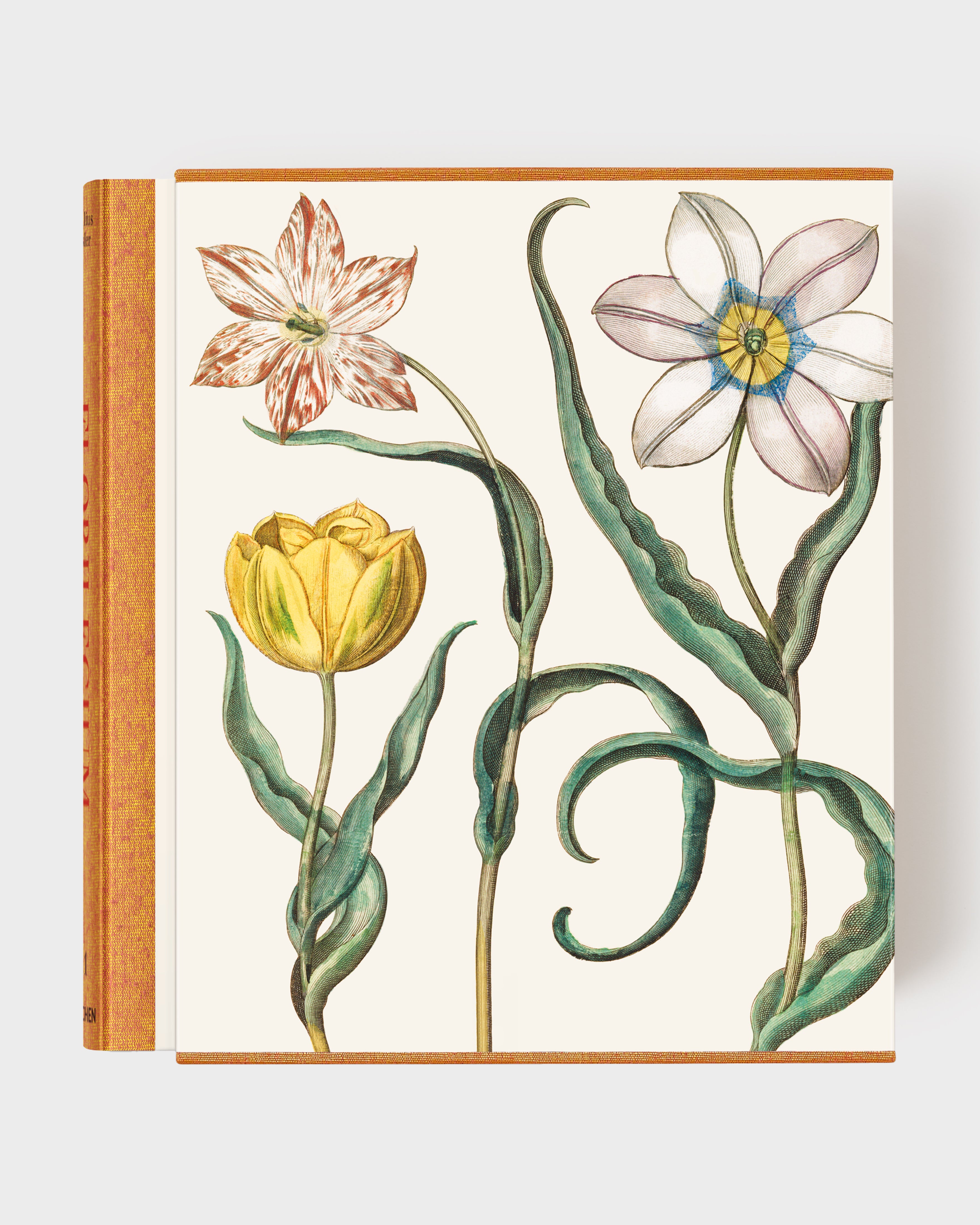
When Prince-Bishop Johann Konrad von Gemmingen (1593/95–1612) undertook a radical renovation of the Willibaldsburg Castle, overlooking the Altmühl River in Eichstätt, Bavaria, he also created a surrounding palatial pleasure garden of magnificence and grandeur. To preserve the garden for future generations – and provide an ‘evergreen’ record of its contents, compiling plants from all four seasons and presenting them in that order – he commissioned the garden’s director, Nuremberg apothecary Basilius Besler (1561–1629), and a team of engravers to immortalize its treasures in print.
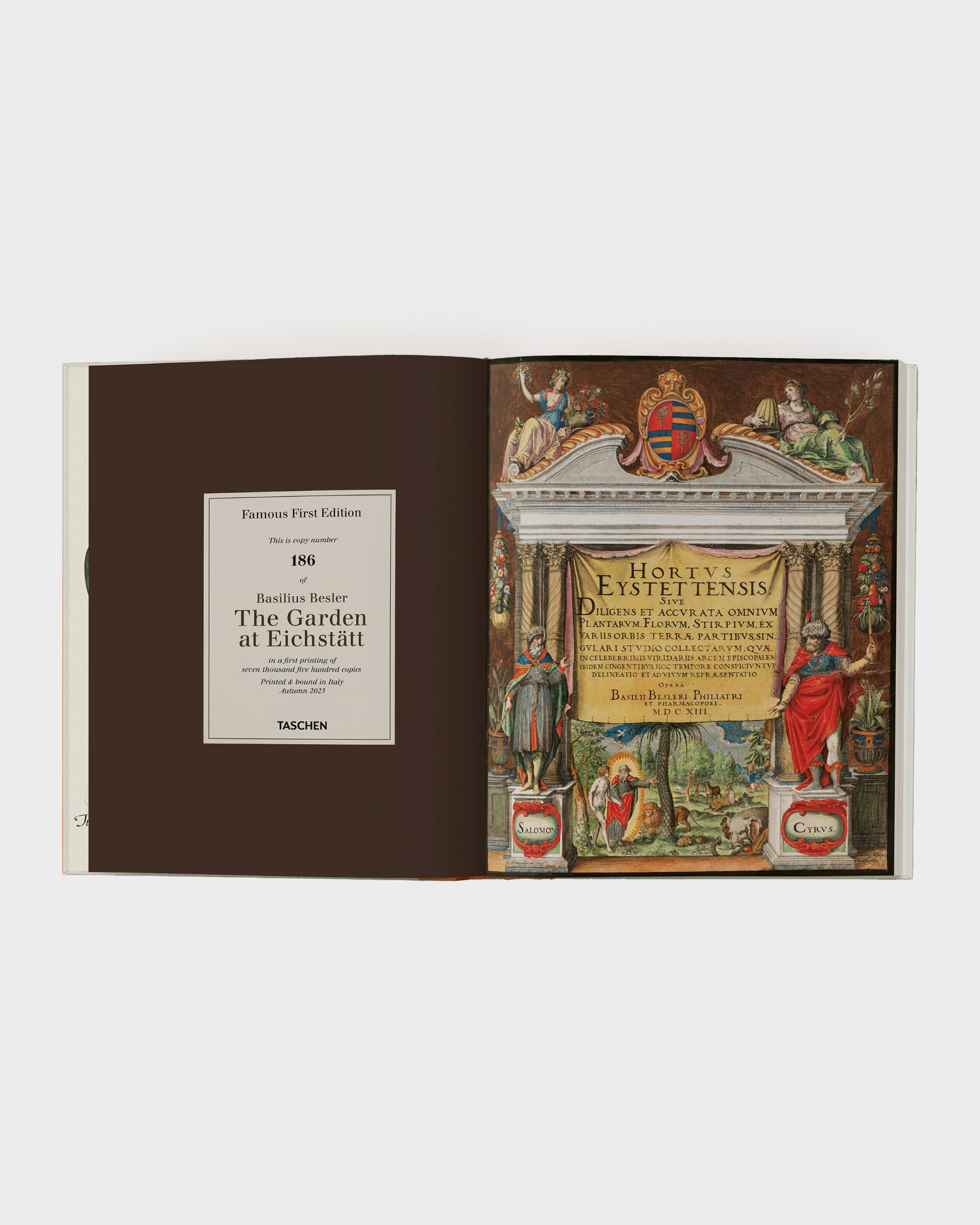
The resulting Hortus Eystettensis, published in Nuremberg in 1613 and containing 367 hand-colored plates and detailed descriptions, was a work of meticulous execution and spectacular diversity, and remarkably expensive for its time. As the garden contained a variety of plants imported from exotic locales, the three volumes exhibited a remarkable range, covering a total of 90 families and 340 genera. Due to the decorative, stylized execution of these illustrations, which began to see plants in aesthetic, rather than merely practical or medicinal terms, the book is seen as a milestone in the art of botanical illustration. While published before a time of standardized classification systems, it was nonetheless later described by Carl Linnaeus as an “incomparable work”.
Besler’s catalog long outlived the gardens, which were destroyed in 1634 by invading Swedish troops during the Thirty Years’ War. However, a lengthy redevelopment project at the historic site has culminated in the opening of the modern Bastion Garden in 1998, containing many of the plants shown in the Hortus Eystettensis.
Offering high-quality reproductions of these arresting illustrations, based on the copy of the Hortus Eystettensis at the University Library of Eichstätt-Ingolstadt, this facsimile edition is accompanied by detailed plate descriptions of each plant’s botanical, pharmaceutical, and symbolic significance and an appendix of further essays which place the garden and the book in their historical contexts.
This edition presents a valuable piece of botanical literature which, on the rare occasions where a copy appears on the market, can fetch prices of over $1,000,000 at auction. In line with Besler’s original intentions, this facsimile unfurls the garden to a wider audience and captures it for posterity.
Published by Taschen
Sudpsuez Collecting Nature : The History of the Herbarium and Natural Specimens
Words by Clive Aslet and Svante Helmbaek Tirén
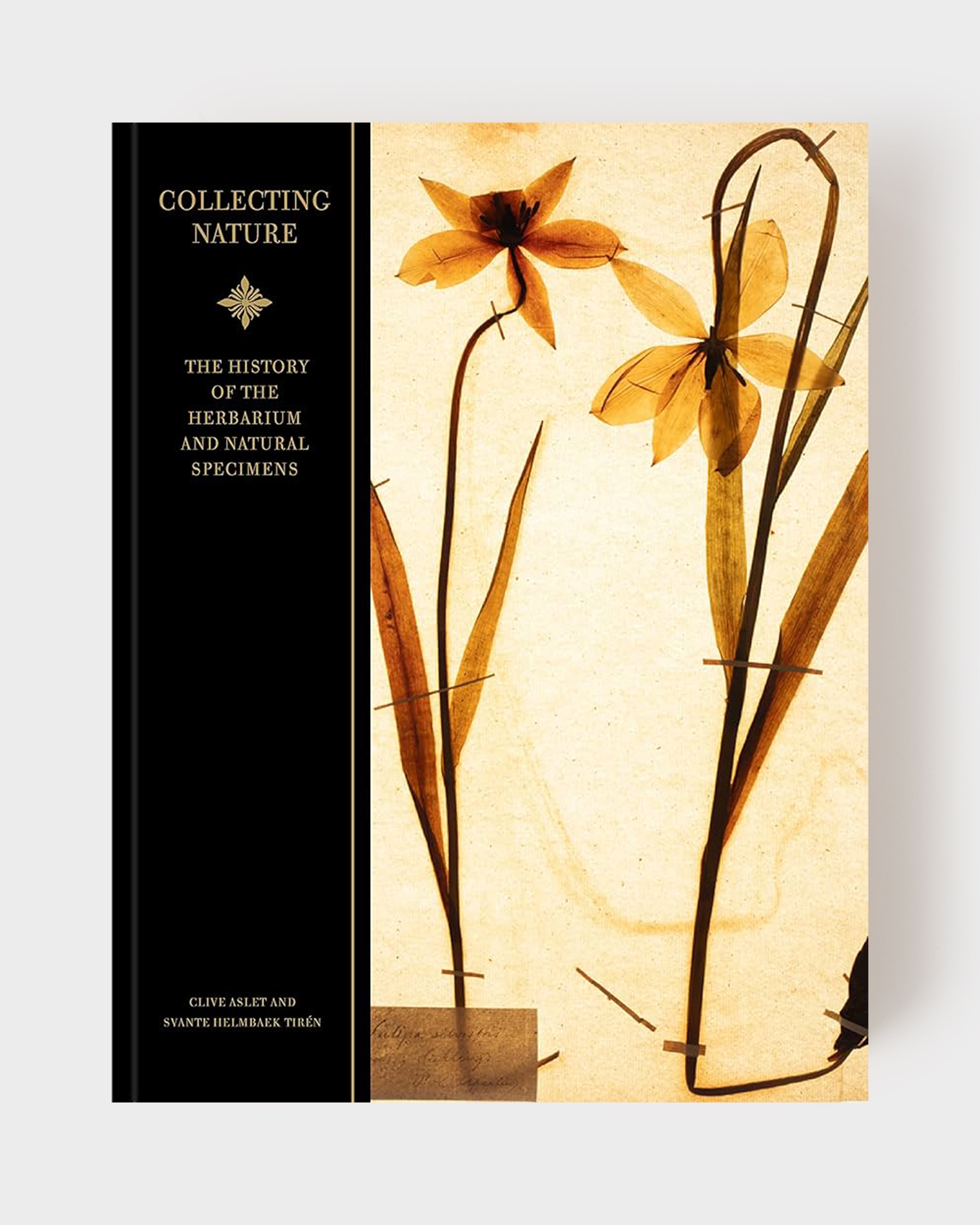
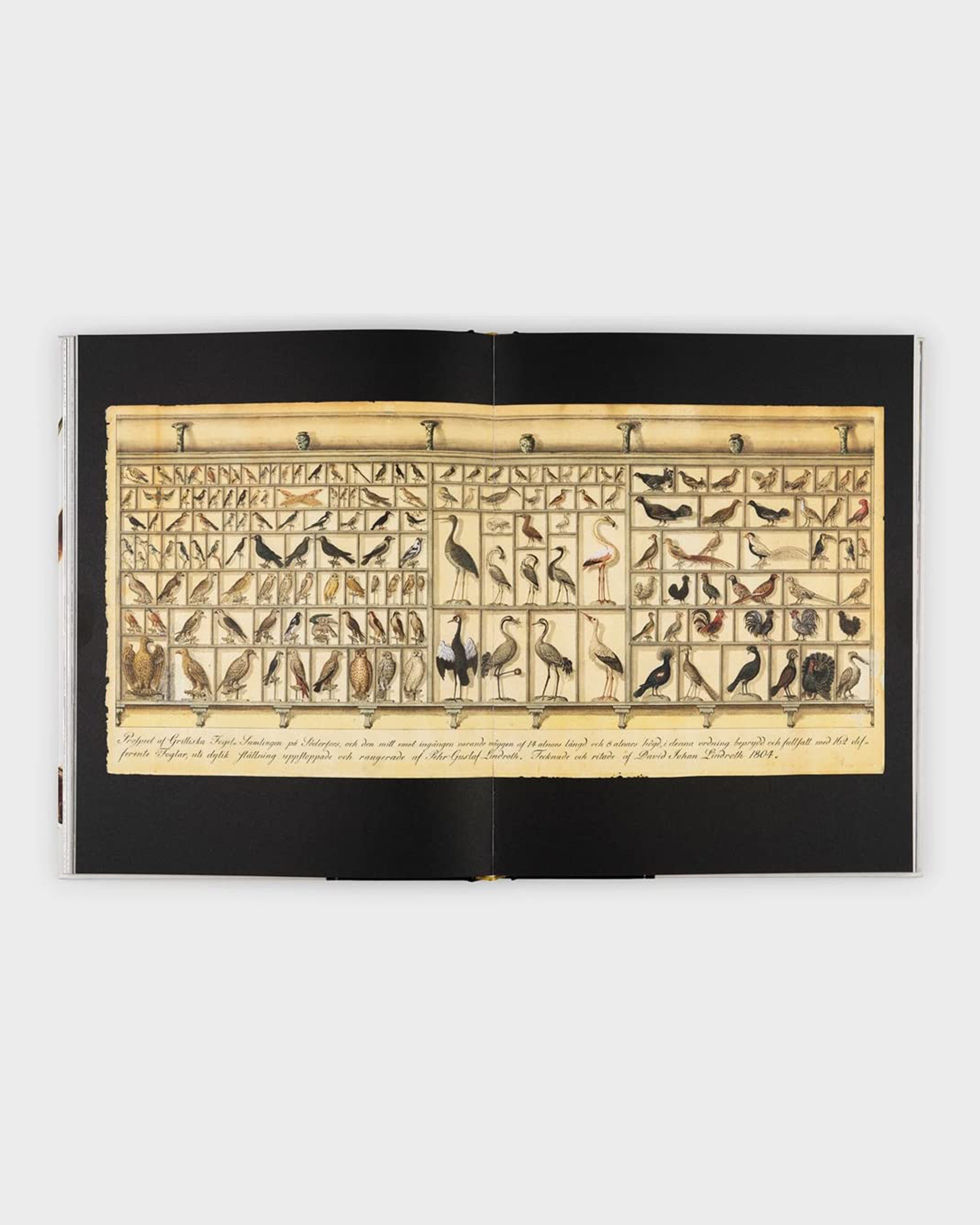
Featuring amazing reproductions of floral specimens, minerals, seashells and more from rarely seen collections, and beautiful engravings of 18th- and 19th-century collections, this stupendously produced volume takes as its starting point the famous Timm Collection at Engelsberg Ironworks in Sweden, created by Gabriel Casper Timm and his son Paul August in the 19th century. Throughout their lives, father and son devoted much of their leisure time to collecting plants, insects, minerals and other natural treasures across Scandanavia, which they preserved in beautiful collector’s cabinets. Maintaining close contact with collectors and scientists, they also assembled a library of volumes on natural science along with books on spirituality and faith.
Drawing on a range of historical materials, Collecting Nature places the Timm Collection in a larger dialogue with other collectors, thinkers and scientists of the 18th and 19th centuries, showing how the world of ideas in collecting has developed and continues to influence us today.
Published by Bokförlaget Stolpe
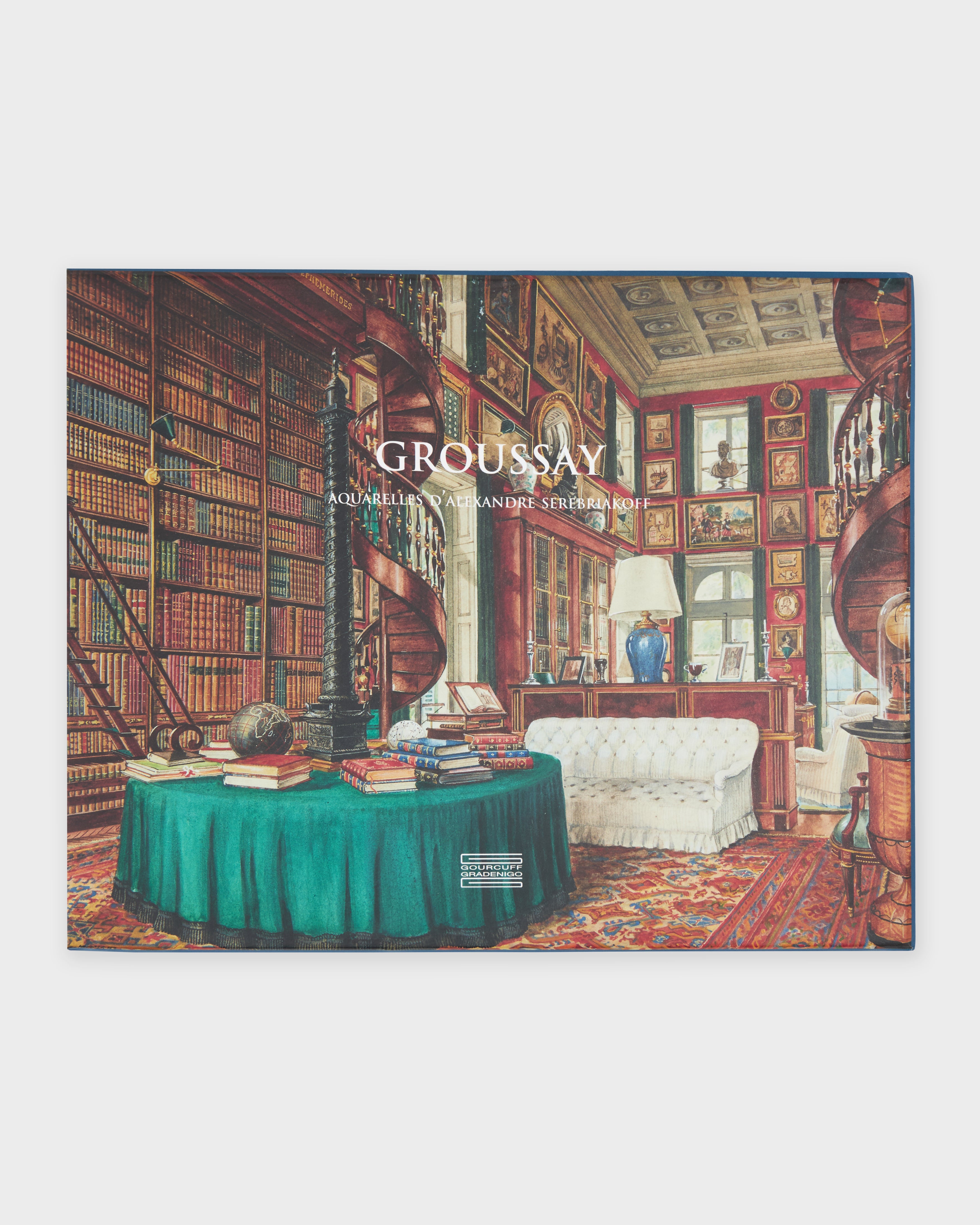
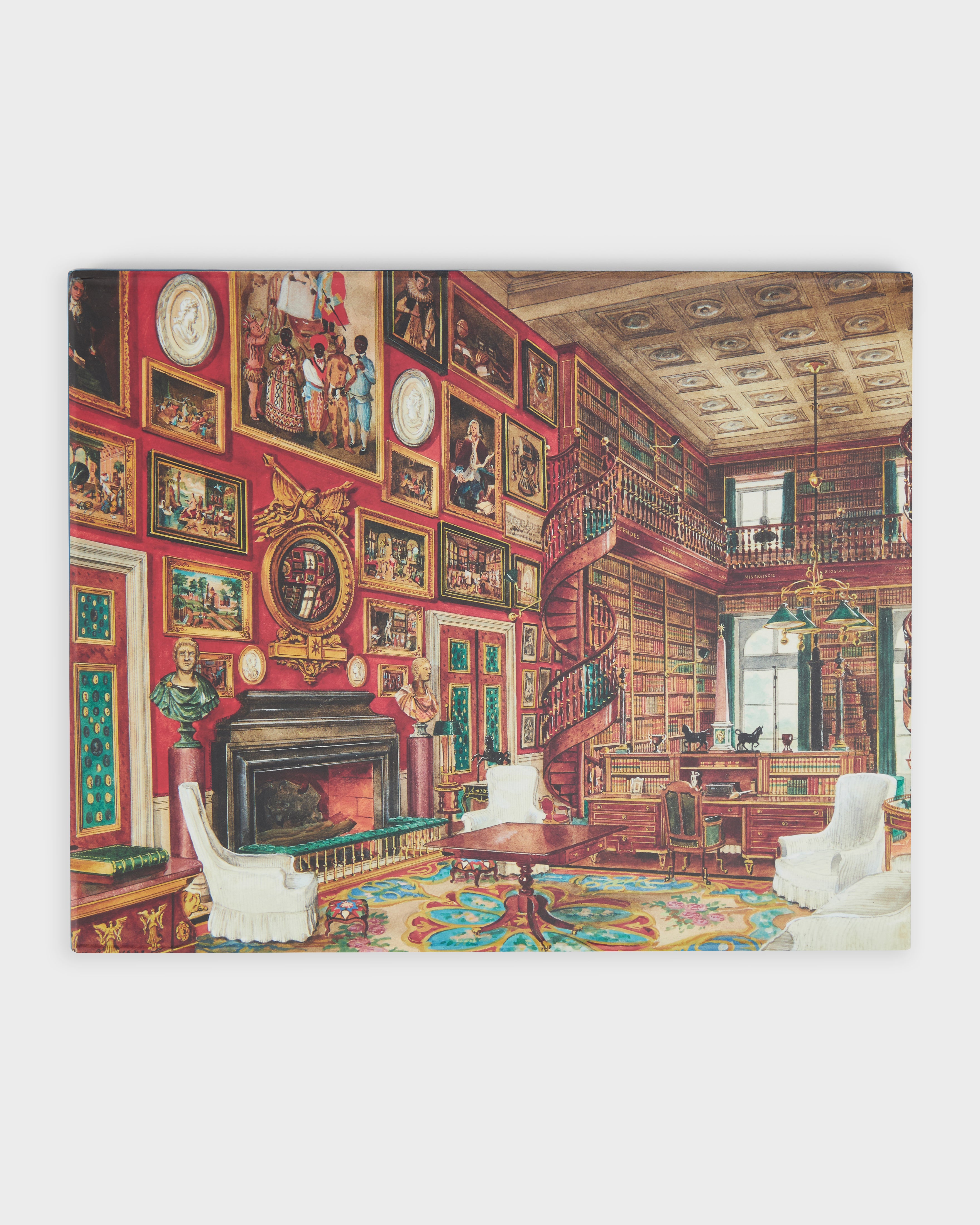
Sudpsuez Groussay Acquerelle
Words by Pierre Arizzoli-Clementel
Illustrations by Alexandre Serebriakoff
An album of Alexandre Serebriakoff's watercolours of Charles de Beistegui's Chateau de Groussay. Groussay's interiors were some of the most significant of the 20th century, created by Beistegui with the aid of Emilio Terry. The double-height library was the inspiration behind Cecil Beaton's design for Henry Higgin's library in My Fair Lady. Serebriakoff was commissioned to create a series of exquisite watercolours of each room. The resulting 35 artworks are reproduced here. Pierre Arizzoli-Clementel provides a history of the house and a commentary on the decoration of each room.
Published by GOURCUFF GRADEN

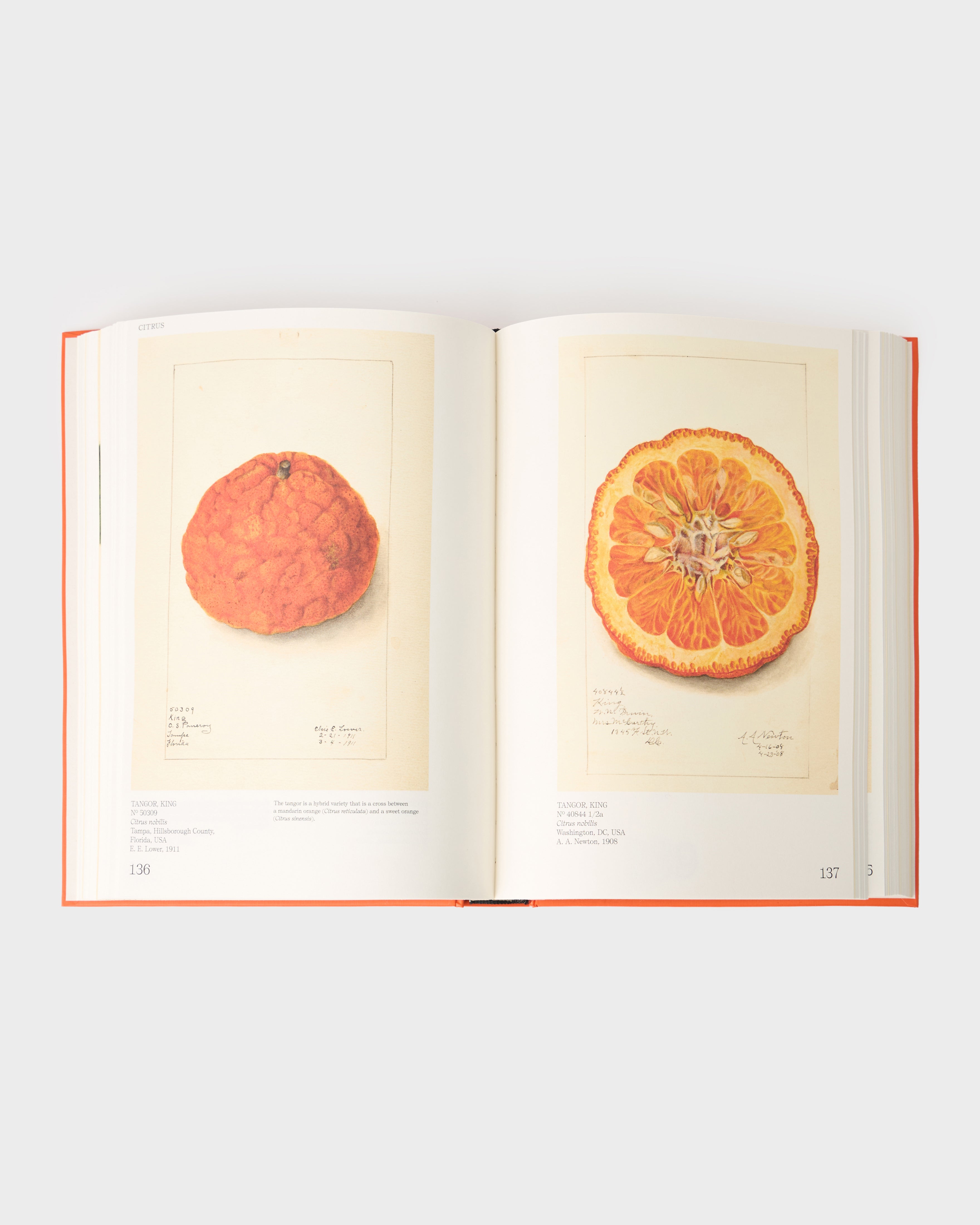
Sudpsuez Illustrated Catalog of American Fruit and Nuts
The United States Department of Agriculture Pomological Watercolor Collection encompasses over 7.500 botanical watercolor paintings of evolving fruit and nut varieties, alongside specimens introduced by USDA plant explorers from the late 19th and early 20th centuries. Assembled between 1886 and 1942, the collection’s remarkable, botanically accurate watercolors were executed by some 21 professional artists (including nine women). Authored largely before the widespread application of photography, the watercolors were intended to aid accurate identification and examination of fruit varietals, for the nation’s fruit growers. Documenting the transformation of American pomology, the science of fruit breeding and production, and the horticultural innovations accountable for contemporary fruit cultivation and consumption, the USDA’s collection offers fascinating anthropological and horticultural insights concerning the fruits we ecstatically devour, and why.
An Illustrated Catalog of American Fruits & Nuts, Atelier Éditions’ colorful examination of the USDA’s pomological collection contains a delicious cornucopia of illustrations gathered from the collection. Encompassing fruit-suffused anecdotes and observations drawn from the fields of archaeology and anthropology, horticulture and literature, ancient representation and contemporary visual art, offers readers an engaging, biophilic meditation upon the sweetest of all earth’s produce.
An Illustrated Catalog of American Fruits & Nuts features an introduction by Adam Leith Gollner, author of The Fruit Hunters, accompanied by texts from several fruit enthusiasts, including Jacqueline Landey, John McPhee, Michael Pollan, and Marina Vitaglione.
Published by Atelier Éditions
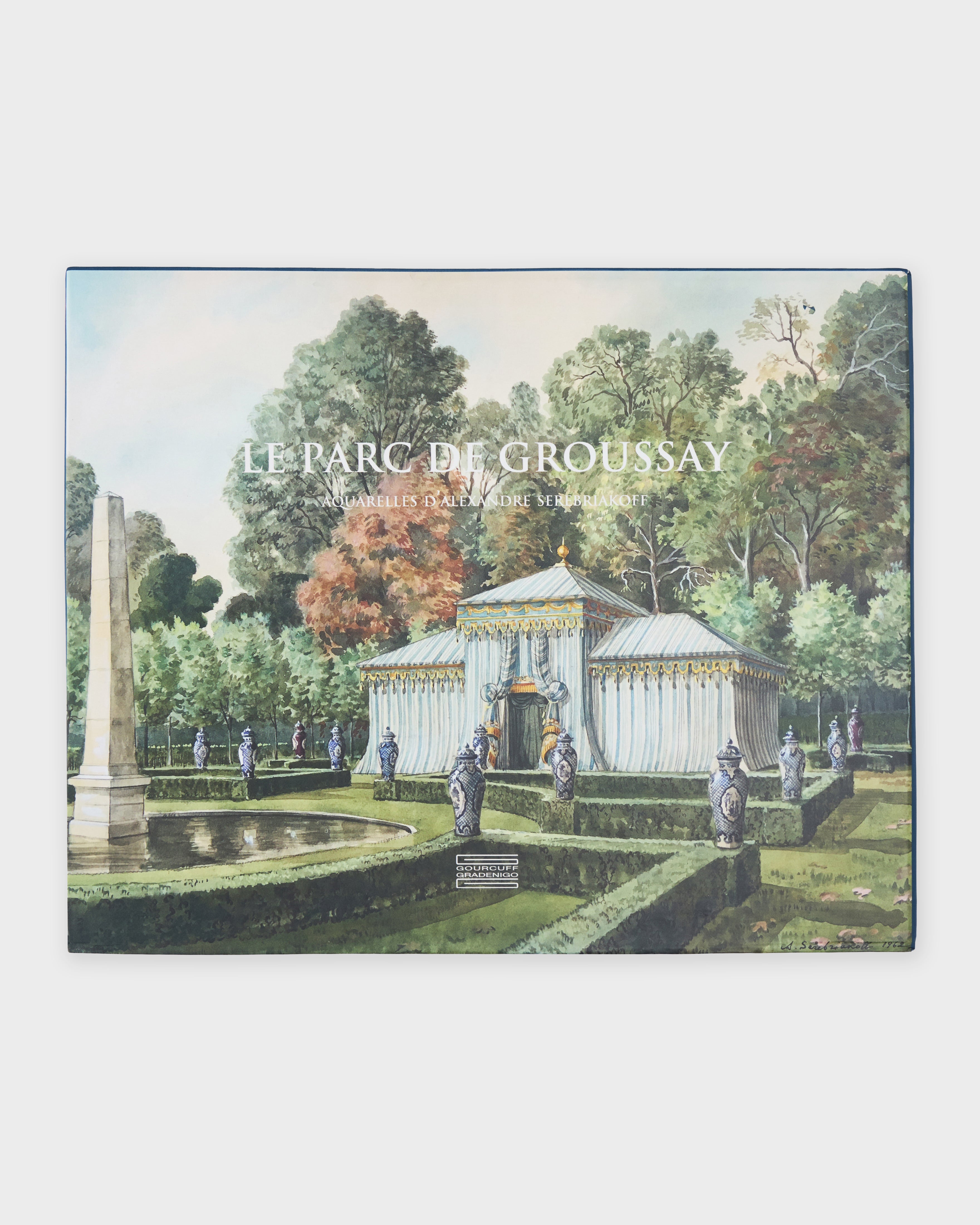
Sudpsuez Le Parc de Groussay
Words by Arizzoli-Clémentel Pierre
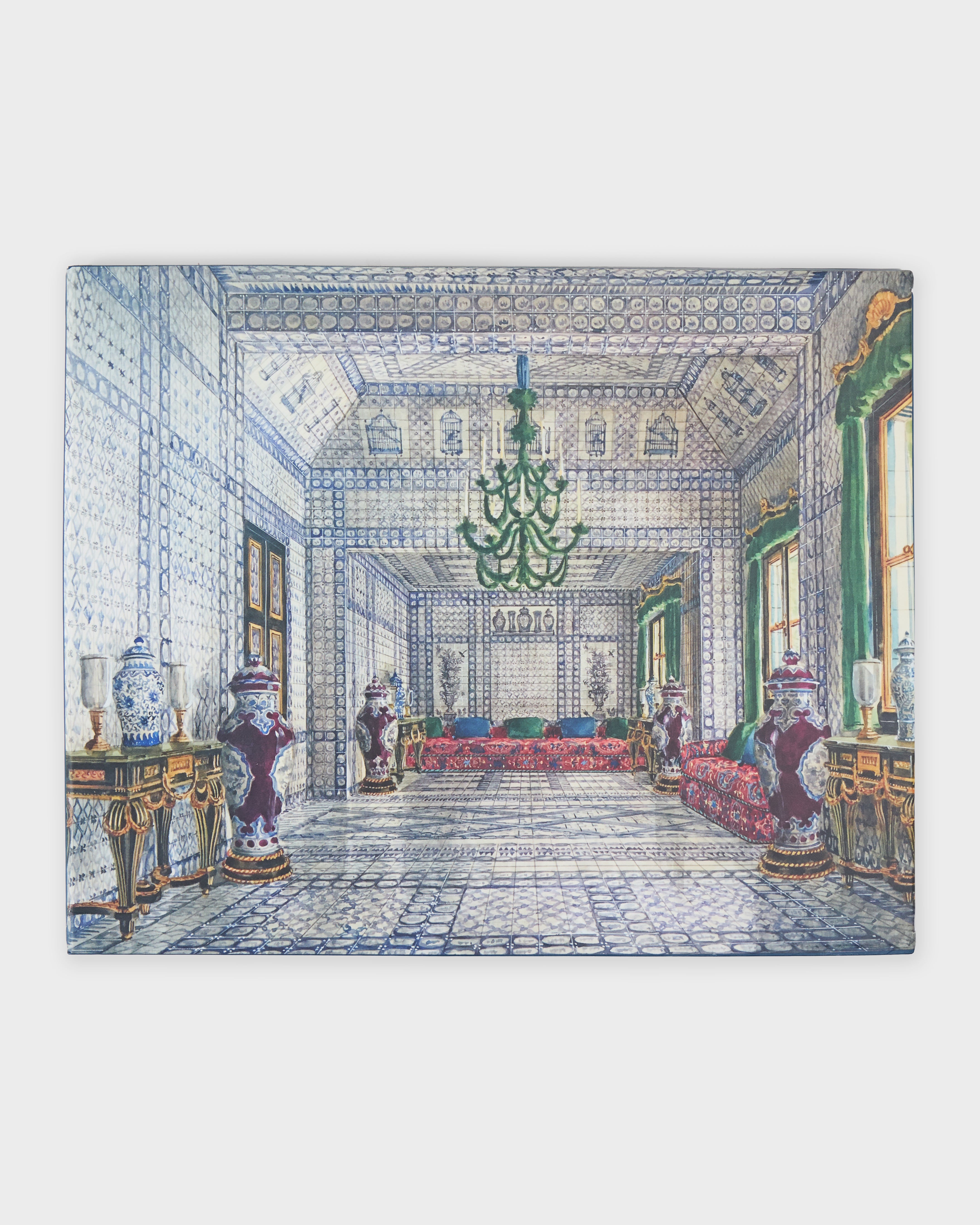
Charles de Beistegui revealed Alexandre Serebriakoff as an exceptional interior painter by commissioning views of Groussay, which today testify to the elegance and refinement of his home. It is sometimes forgotten that his passion for building was not limited to the château he transformed and beautified, altering its façade and adding two wings. Alongside these decorative works, he undertook others in the park, where he had follies constructed in the purest taste of the 18th century. Thus, between 1950 and 1969, the garden became populated with a dozen buildings: a Tartar tent, aviary, Palladian bridge, column, Temple of Love, Chinese pagoda...
As he did for the interiors of the château, Charles de Beistegui asked Alexandre Serebriakoff to create watercolor views of these follies, which are presented in this book.
Pierre-Arizzoli-Clémentel studies here the history of the follies in the Groussay park. His research on their origins, Charles de Beistegui’s sources of inspiration, and the evolution of the various projects is illustrated with watercolor paintings by Alexandre Serebriakoff and numerous archival documents. He also examines unrealized or abandoned projects, many of which are still unknown to the public today.
With this work, Pierre-Arizzoli-Clémentel completes his study cycle on great decorators, a series that began with Émilio Terry in 2013, Georges Geffroy in 2016, and "Groussay" in 2019.
Published by GOURCUFF GRADEN
Sudpsuez Pastoral Gardens
Words by Clare Foster
Images by Andrew Montgomery
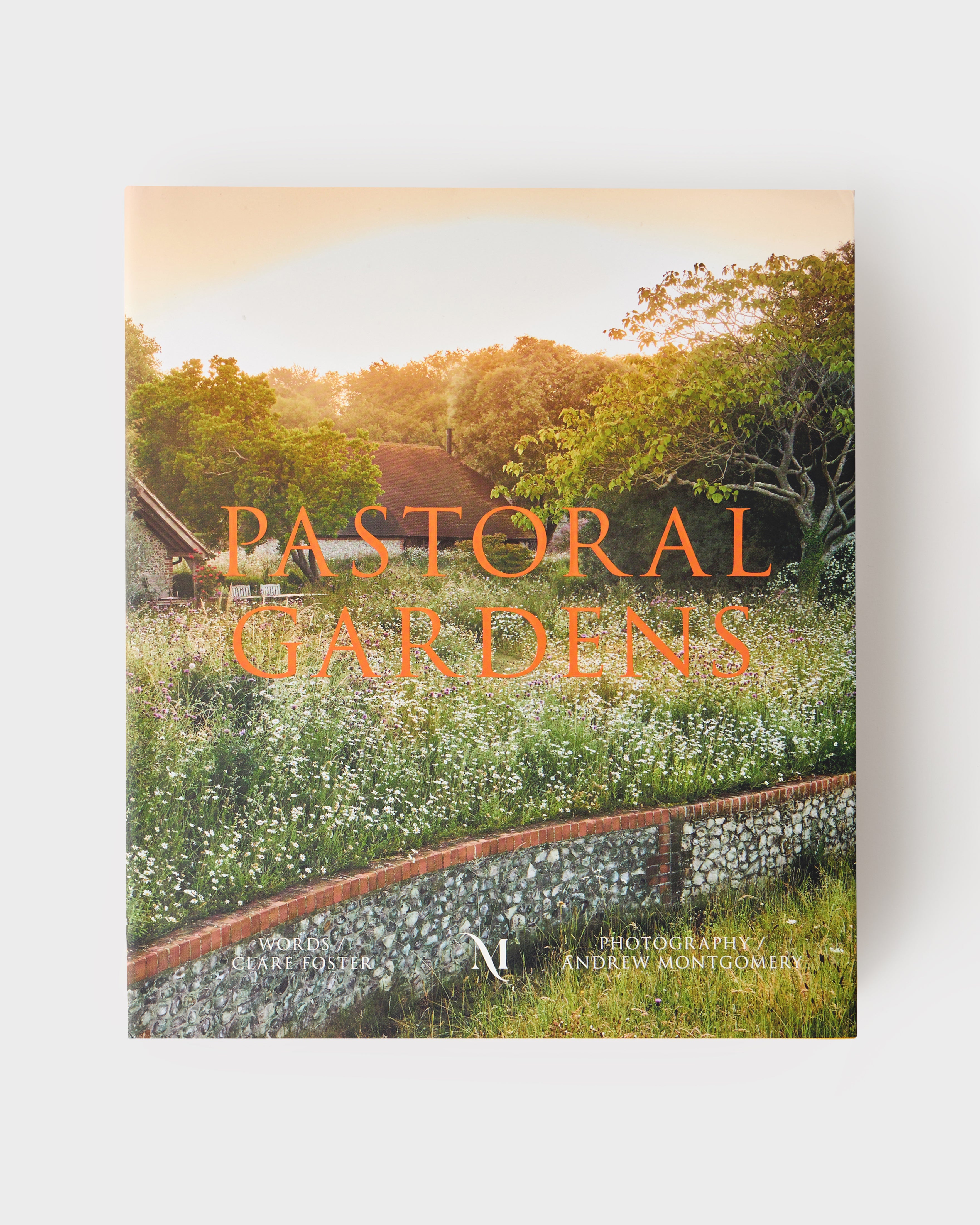
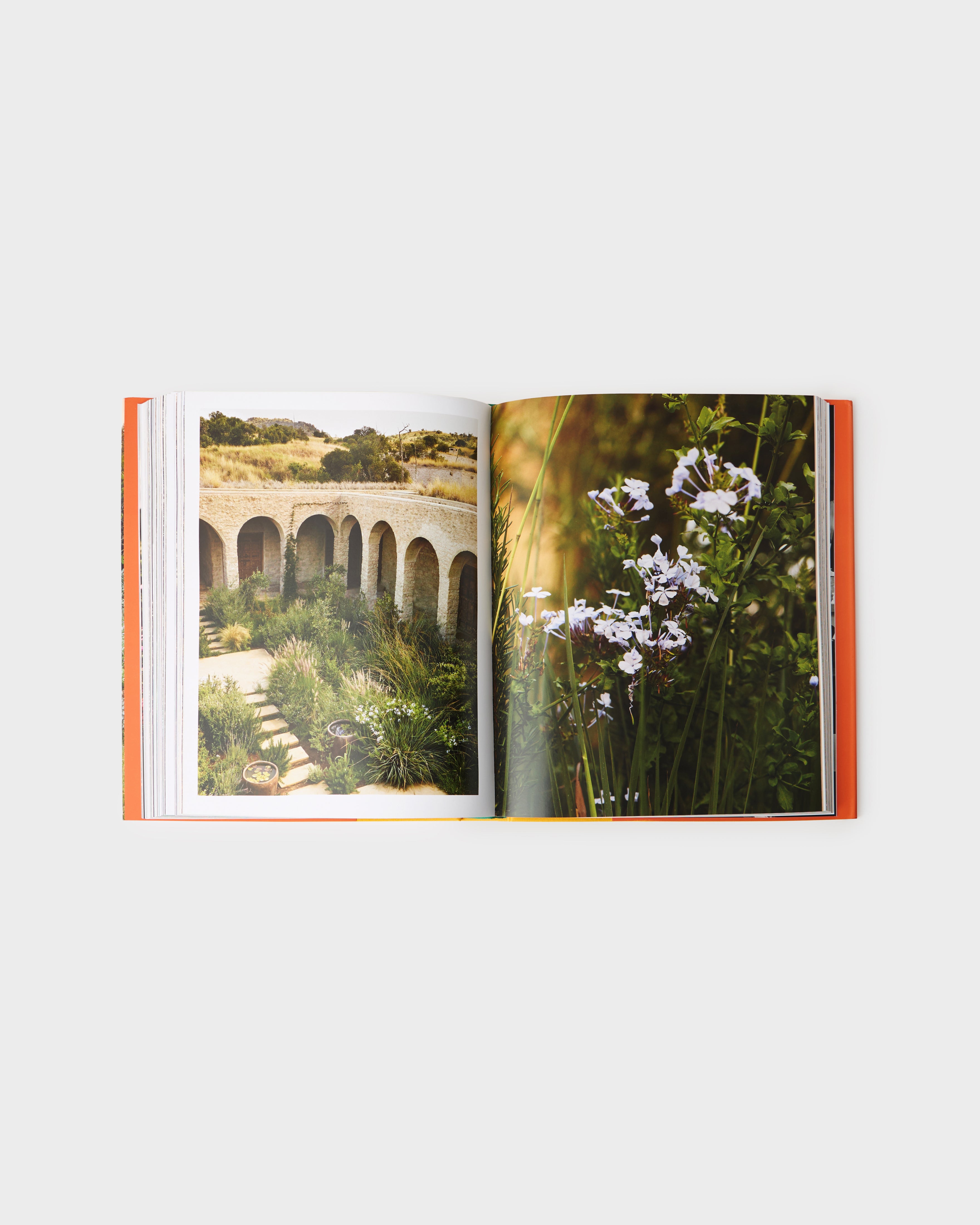
Pastoral Gardens is a unique and ground-breaking book that crosses the boundaries of art, photography and design to explore some of the world's most beautiful, nature-led gardens. The pastoral garden is an intriguing contradiction. The word conjures up a rural idyll, with Hardyesque visions of a wild, untainted landscape - an idea that goes against the manicured expectation of formal or 'designed' green spaces. But our warming climate is propelling a monumental change in how we garden. Around the globe, garden-makers are responding to this new reality by creating remarkable, plant-filled spaces that are inspired by the untamed landscapes around us, building back habitats and increasing the biodiversity that has been lost.
Celebrating the astonishing beauty of wild landscapes, this book shows how we as humans can harness nature in our own gardens, exploring 20 gardens that embrace this bucolic ideal. Created by leading landscape designers, these gardens respond directly to the beauty of our natural habitats, with wildflower meadows and grazing cattle integrated into holistic spaces where the boundaries between a conventional garden and the wider landscape disappear. For the gardens that do not have the luxury of a rural outlook, it is the biodiversity within them that links their human occupants with nature.
Pastoral Gardens will appeal to lovers of art, photography and the natural world as much as it will to gardeners, designers and plantspeople. The essence of each garden is captured in over 250 breathtaking photographs by Andrew Montgomery with illuminating texts by Clare Foster exploring the history, design and planting of each garden. Four additional essays by Jinny Blom, Nigel Dunnett, Kim Wilkie and Tom Stuart-Smith consider the changing nature of garden design as the climate changes around us.
Published by Montgomerypress
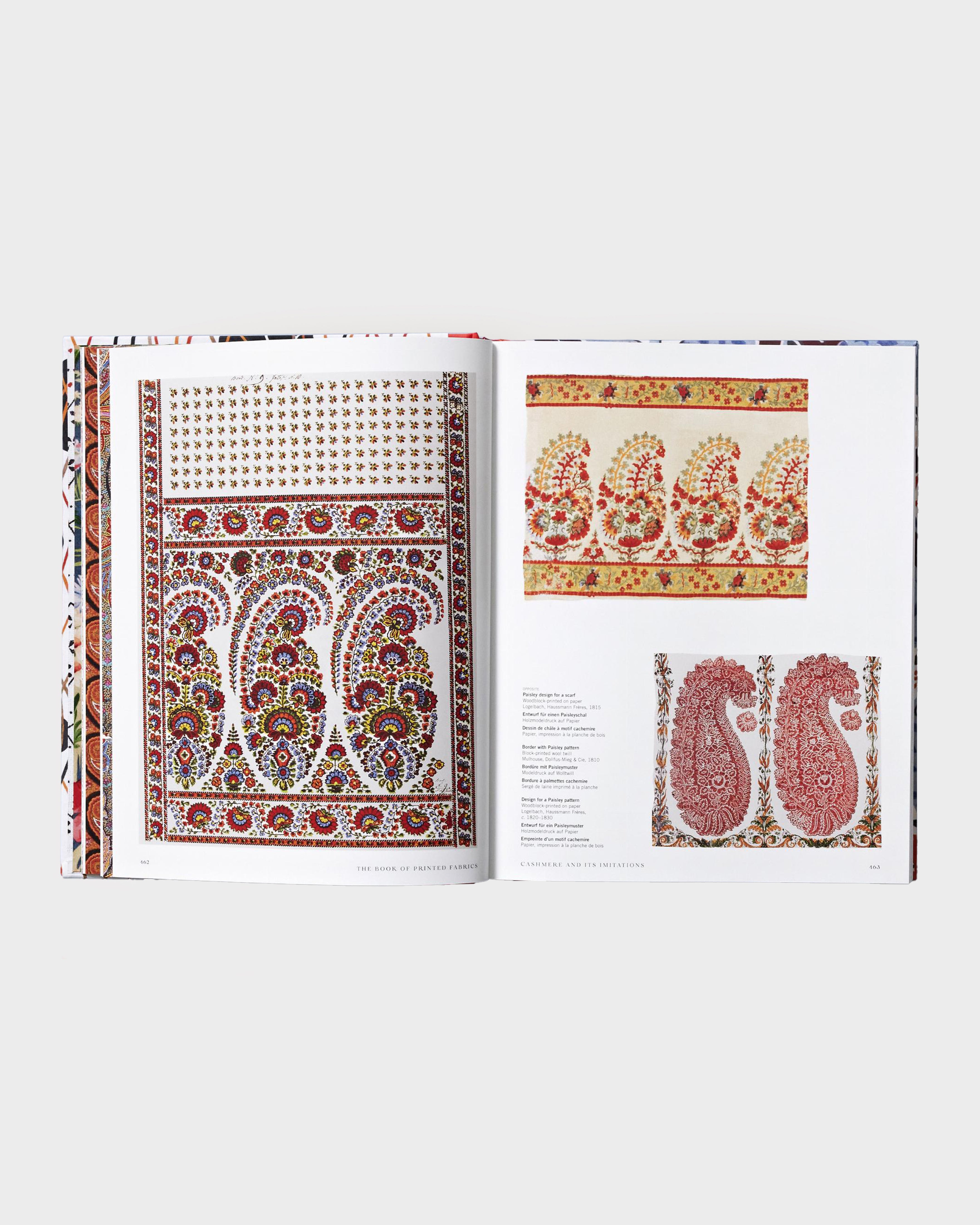
Sudpsuez The Book of Printed Fabrics: From the 16th Century Until Today
In the far east of France, close to the German and Swiss borders, lies the historic city of Mulhouse. During the early 19th century, it became one of the leading centres of textile manufacture in the country. Today it is home to the Musée de l’Impression sur Étoffes, a museum dedicated entirely to the history of fabric printing from the 17th century right up to the present day.
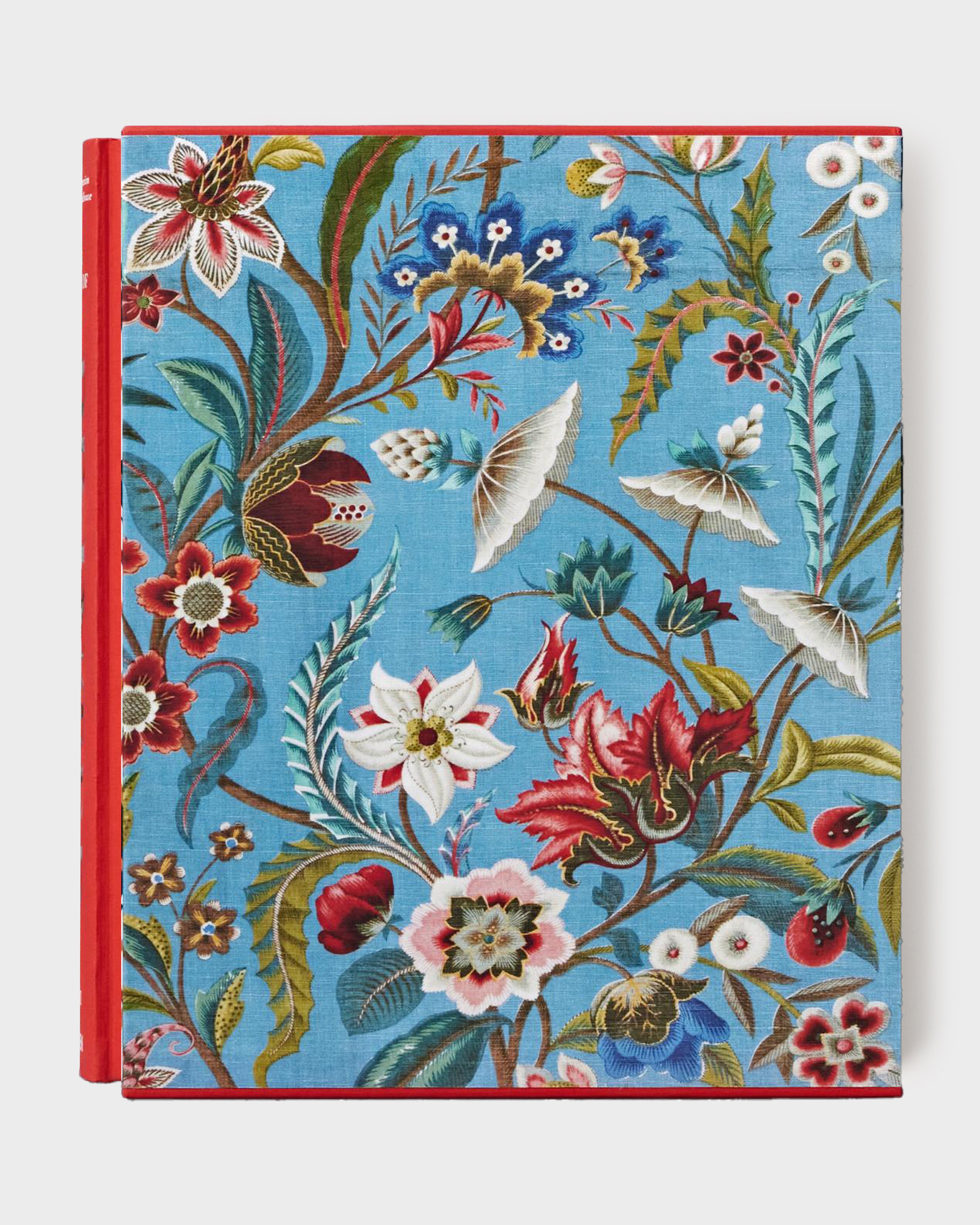
Few are the serious fashion designers who have not come to visit this astonishing temple to textiles. This book, however, gives you the key to those vaults, presenting on its broad pages perfectly captured images of its collections that span four different continents – recounting a fascinating artistic and technological adventure across the world, from its origins in India to the most contemporary creations.
Across two volumes, you’ll discover nine luxuriantly illustrated chapters that being to glorious life a chronological and thematic overview of the Musée’s unprecedented retrospective of the art of printed fabrics. And that journey begins in India, with the first volume devoted to the far east origins of the designs that made these prints famous, and how they came over to the factories of Europe. You’ll also find here stories and images detailing artistic innovations such as toile de Jouy and the development of new colour ranges.
In the second volume, the reader can look back at the incredible inventiveness of manufacturers and their designers throughout the nineteenth and twentieth centuries. Explore eye-catching cashmere motifs and the intense passion for nature and flowers that emerged under the Second Empire, before the artistic avant-gardes and modernity profoundly evolved the artistic creation of textile prints.
With nearly 900 pieces reproduced here to the highest possible standard, you will journey through the extraordinary tapestry of motifs and colours, that make this book such a peerless source of inspiration for textile enthusiasts of all kinds.