

Words by James B. Garrison
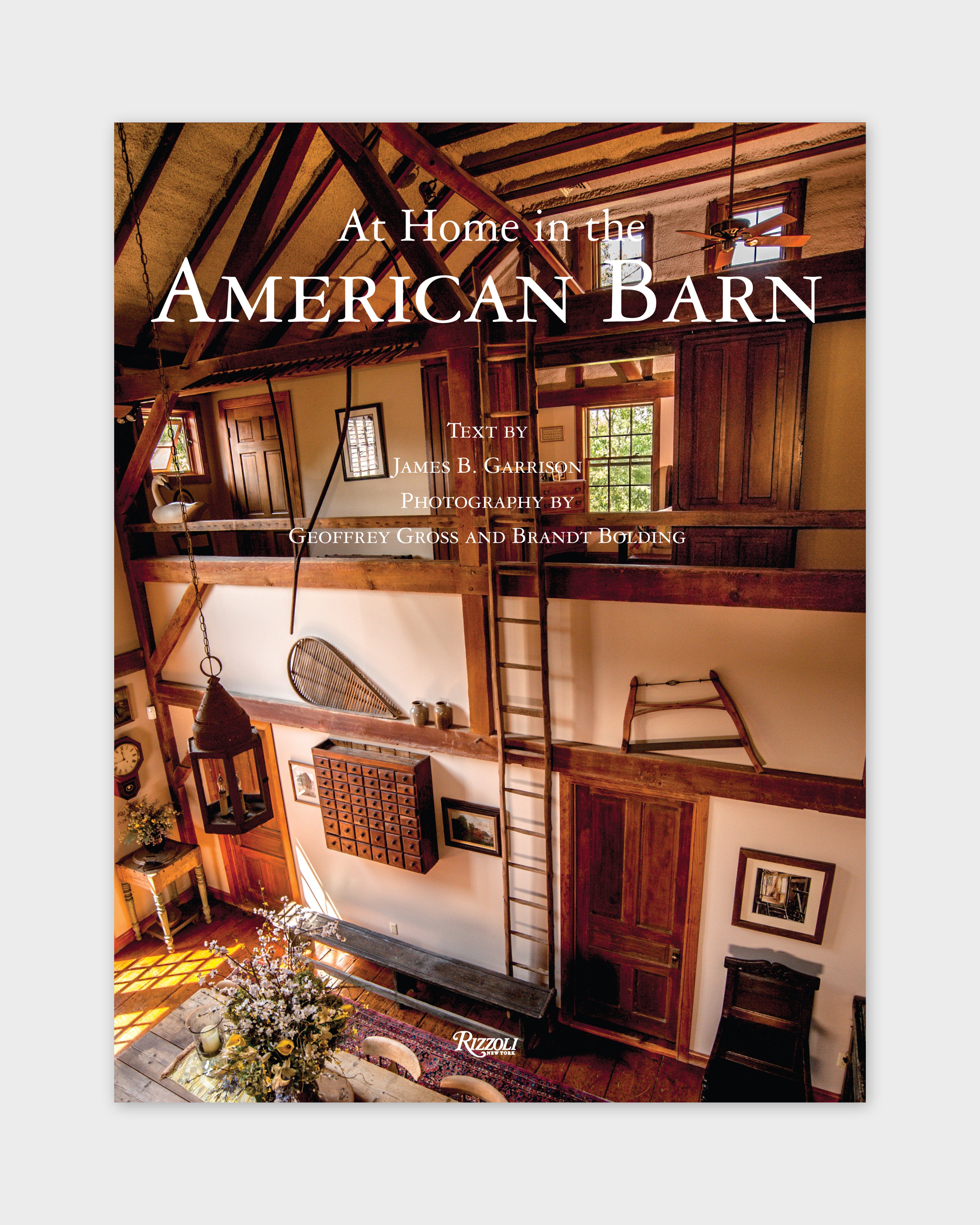
At Home in the American Barn examines the fascinating possibilities for living and adaptive reuse provided by the expansive spaces and rough-hewn look of these traditional structures. Nationwide, Americans are turning to structures such as the barn with a mind to renovating them to fit the lifestyles of today, redesigning these often-wonderful places of the past into residential spaces. At Home in the American Barn embraces the dream to slow things down and return to basics and shares some success stories, as made plain by the buildings themselves.This richly illustrated volume focuses on the barn as home. Each of the structures featured has been adapted from its original utilitarian purpose to allow for comfortable, joyous living. Built at first as places for work, barns nevertheless often demonstrate fine craftsmanship and artistry. This volume emphasizes the rare beauty of these structures and shows throughout elegant solutions for living in these beautifully imagined homes. Soaring rafters here allow for dramatic chandeliers in one home or a wall of magnificent bookcases in another. Spaces that are unconventional in a traditional domestic sense here serve as springboards for inspiration that allow for, in one home, a spiral staircase of fantasy made from hand-planed wood, and, in another, a wall of glass that lets in the sun. At Home in The American Barn shows the way that this can be done successfully and artfully.
Published by Rizzoli
Delivery in 2 weeks
Words by Annabel Westman
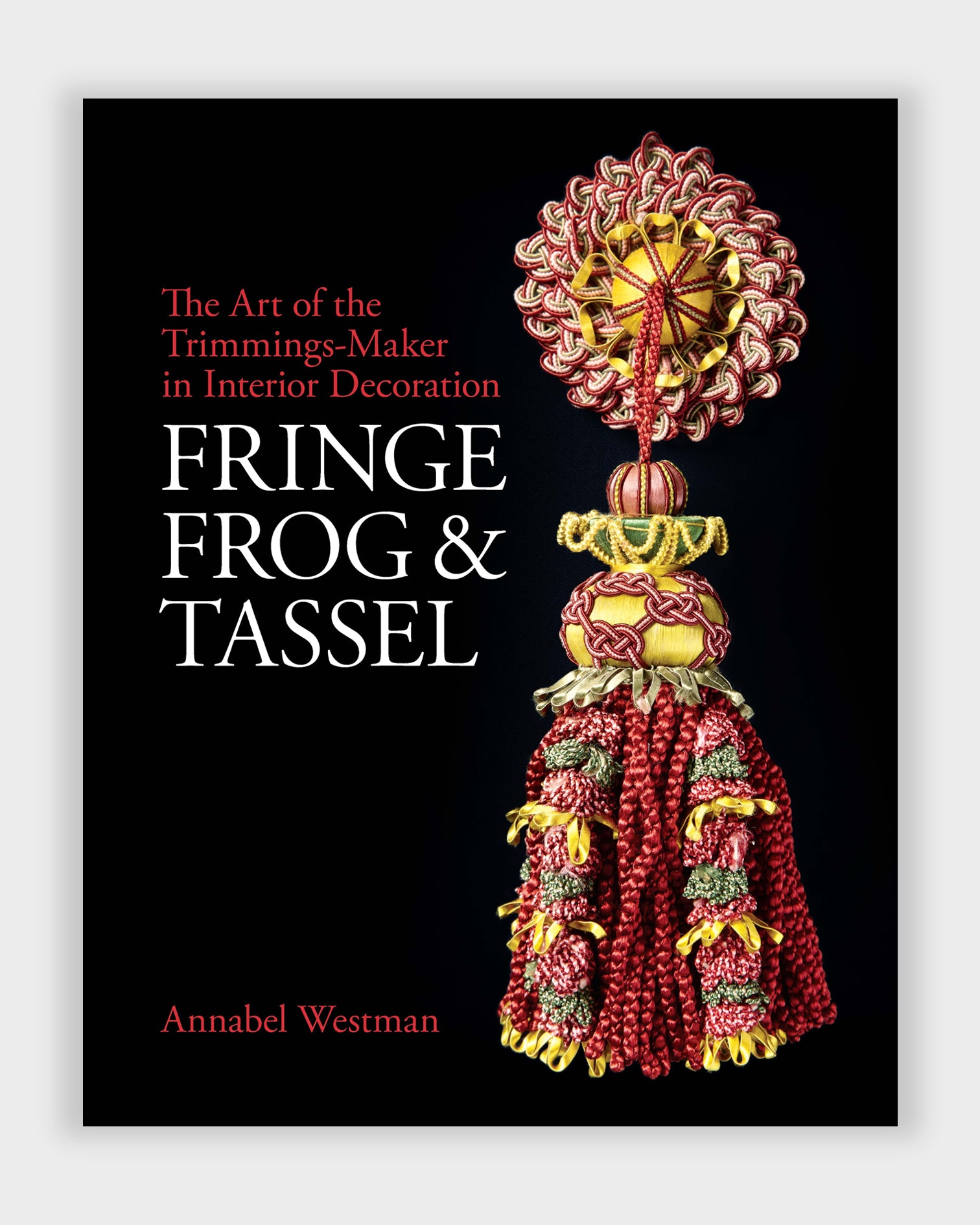
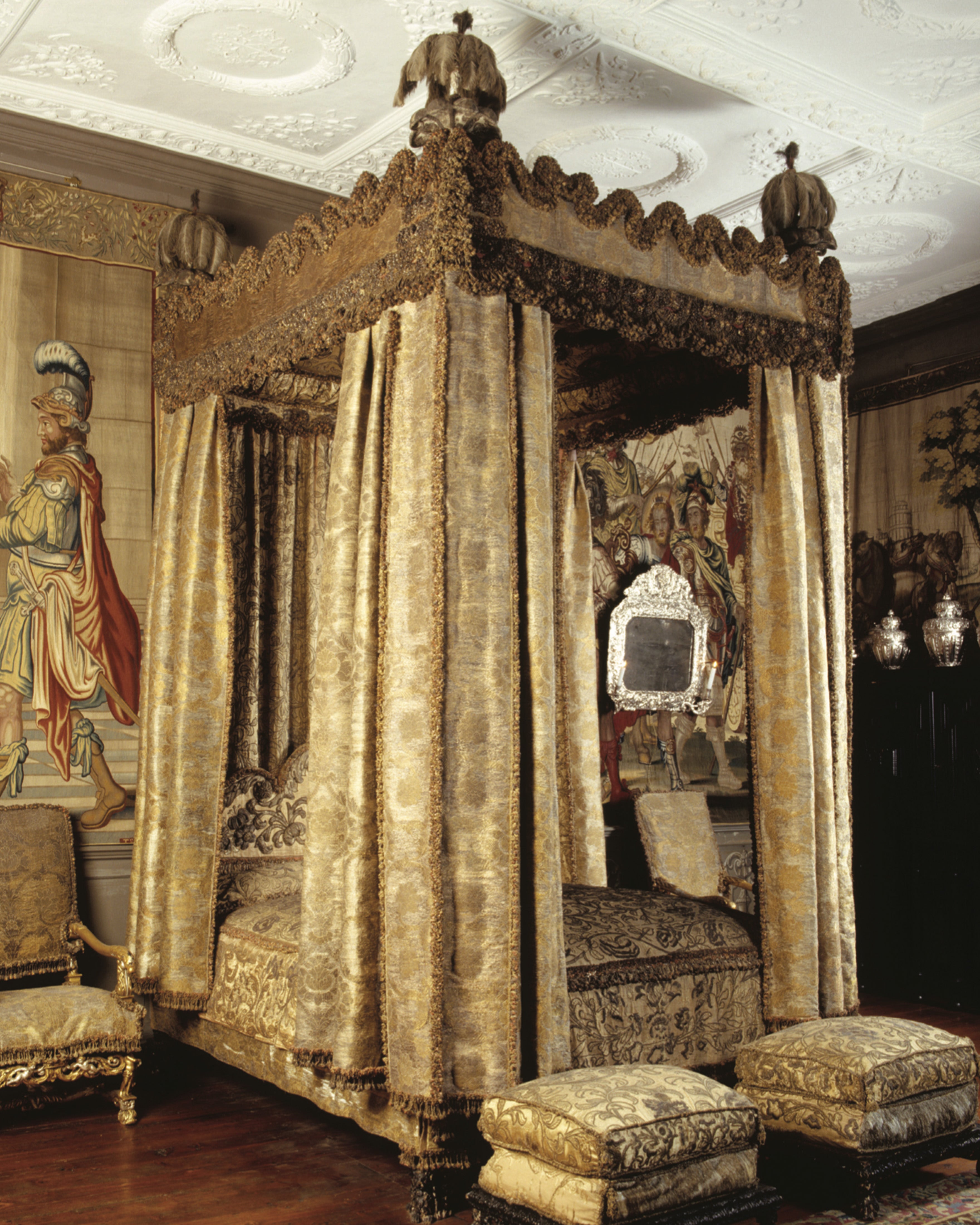
Trimmings are often overlooked as mere details of a furnished interior. However, in the past they were seen as vital and costly elements in the decoration of a room. They were used not only on curtains and beds but also on wall hangings, upholstered seat furniture and cushions, providing a visual feast for the eye with their colour and intricate detail. Sometimes more expensive than the rich fabrics they enhanced, trimmings are often the only surviving evidence of a lost decorative scheme, reapplied to replacement textiles or found as fragments in the attic.
This book, the first of its kind, traces their history in Britain and Ireland from 1320 to 1970, examining the design and usage of tassels, fringe, braid (woven lace), gimp and cord and their dependence on French fashion. The substantial text links surviving items in historic houses and museums to written evidence, paintings, drawings and other primary sources to provide a firm framework for dating pieces of less-certain provenance. The importance of the 'laceman', the maker of these trimmings, is also examined within an economic and social context, together with the relationship to the upholsterer and interior decorator in the creation of a fashionable room.
Published by Bloomsbury Publishing
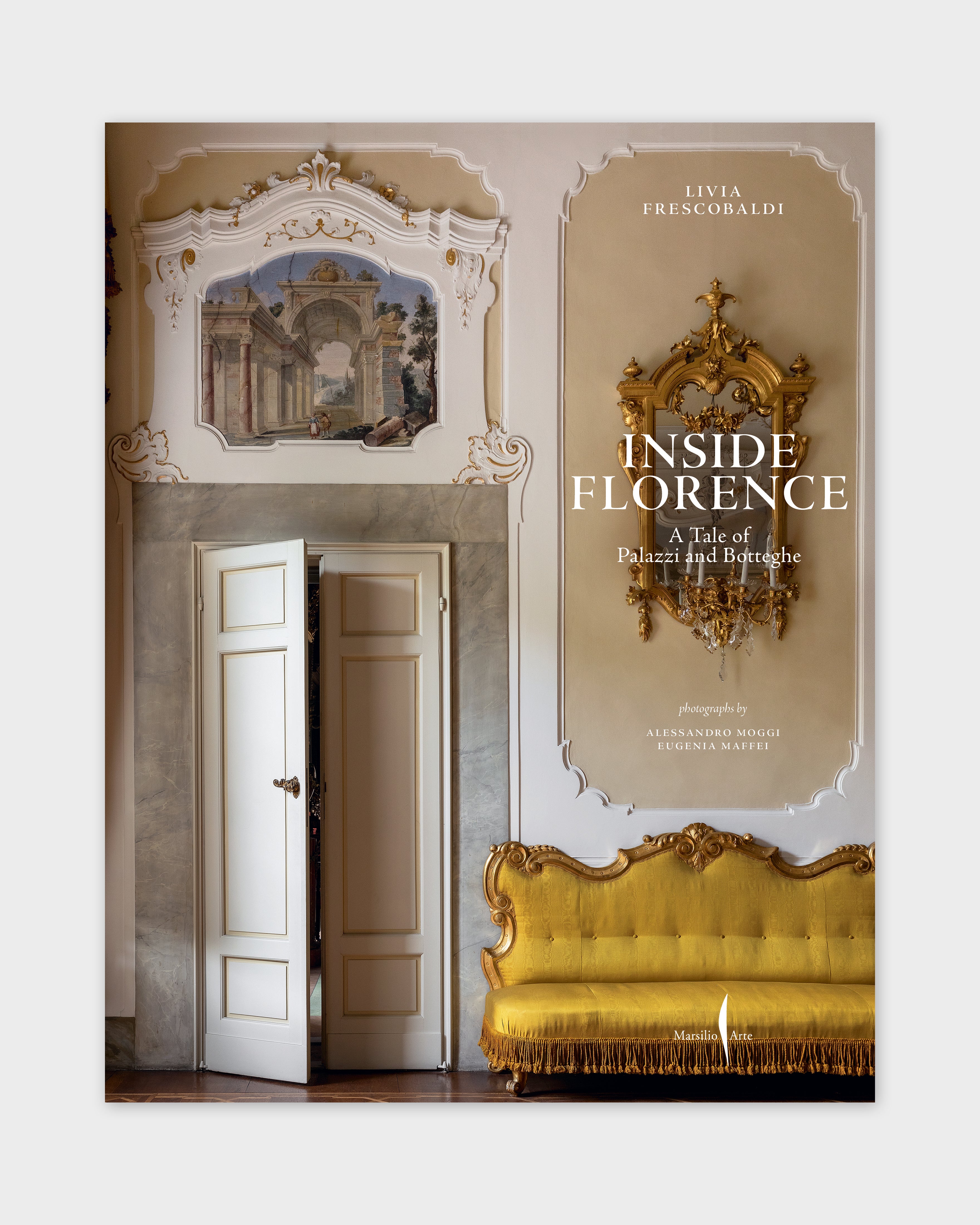
Words by Livia Frescobaldi
Photographs by Alessandro Moggi, Eugenia Maffei
The home “is the place of return,” it is where “memory is”. I agree fully with Emanuele Coccia in his consideration that the setting of our private lives, the one that is most intimate and most familiar to us, is an expression of culture like a work of art or a monument of which we study the origins, the provenance and the material, craving to know and understand everything. -Livia Frescobaldi
Inside Florence, published by Marsilio Arte, offers an original account of Florence stemming from a love for the preservation of its places and the desire to offer an intimate and fresh look at the beauty and age-old skills of the city’s artisan workshops, which make the Tuscan capital one of the most admired cities in the world.
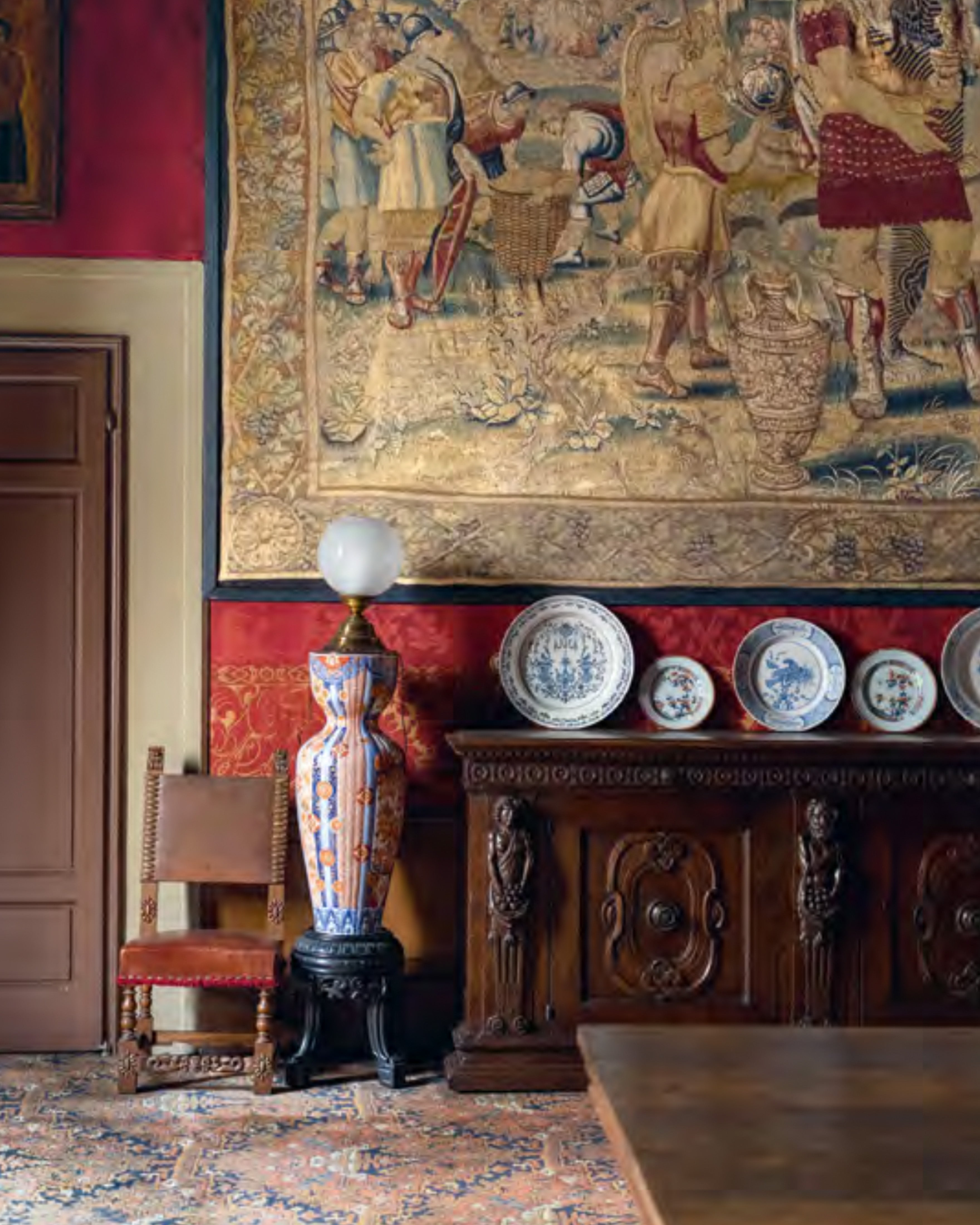
The splendid views, the meticulous details of the furnishings, the framing of the images, the care and attention in narrating and describing the opulence and refinement of the Florentine residences, are just some of the elements that author Livia Frescobaldi has selected to trace out an itinerary revealing her favourite places.
Through the photography of Alessandro Moggi and Eugenia Maffei, the book appears almost like a fresco with infinite scenarios, the protagonists of which are the heirs of a thousand-year-old history, in a difficult balance between modernity and tradition. There are sixteen sections for sixteen residences – ranging from palaces and gardens to former monasteries – each linked to a specific form of craftsmanship: the first pairing described is that between Palazzo Frescobaldi and the Antico Setificio Fiorentino, with a union rendered indissoluble by the customised Frescobaldi fabric, which has been in production since time immemorial. Inside Florence does not merely hold up a mirror to Florence’s architectural and artistic wealth, but is also an act of love towards those professional artisans who, as Leonardo Ferragamo states in his introductory text, ‘continue to create the history of the future with their ingenious, persevering and dedicated passion’.
Enriched and enhanced by the introductions of Eugenio Giani, President of the Region of Tuscany, and Bernabò Bocca, President of the Fondazione CR Firenze, the books stresses the uniqueness and historic nature of the city of Florence, that jealously guards its art professions and artisan workshops, its well-known palaces and more hidden ones, its gardens and spaces dedicated to contemporary times. The itinerary proposed in its pages has been planned for those who want to live Florence, rather than just visit it.
Published by Marsilio Arte
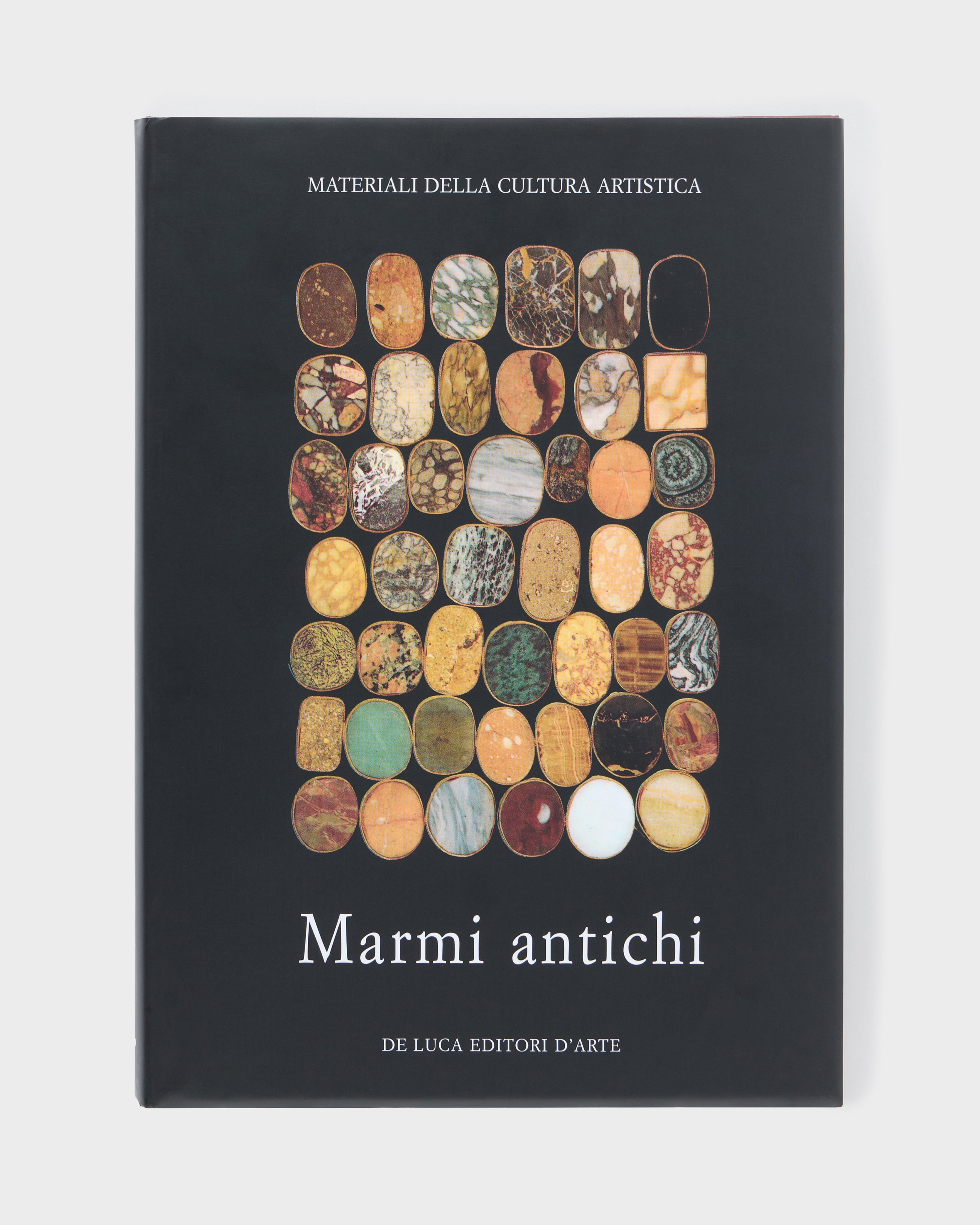
Edited by Gabriele Borghini
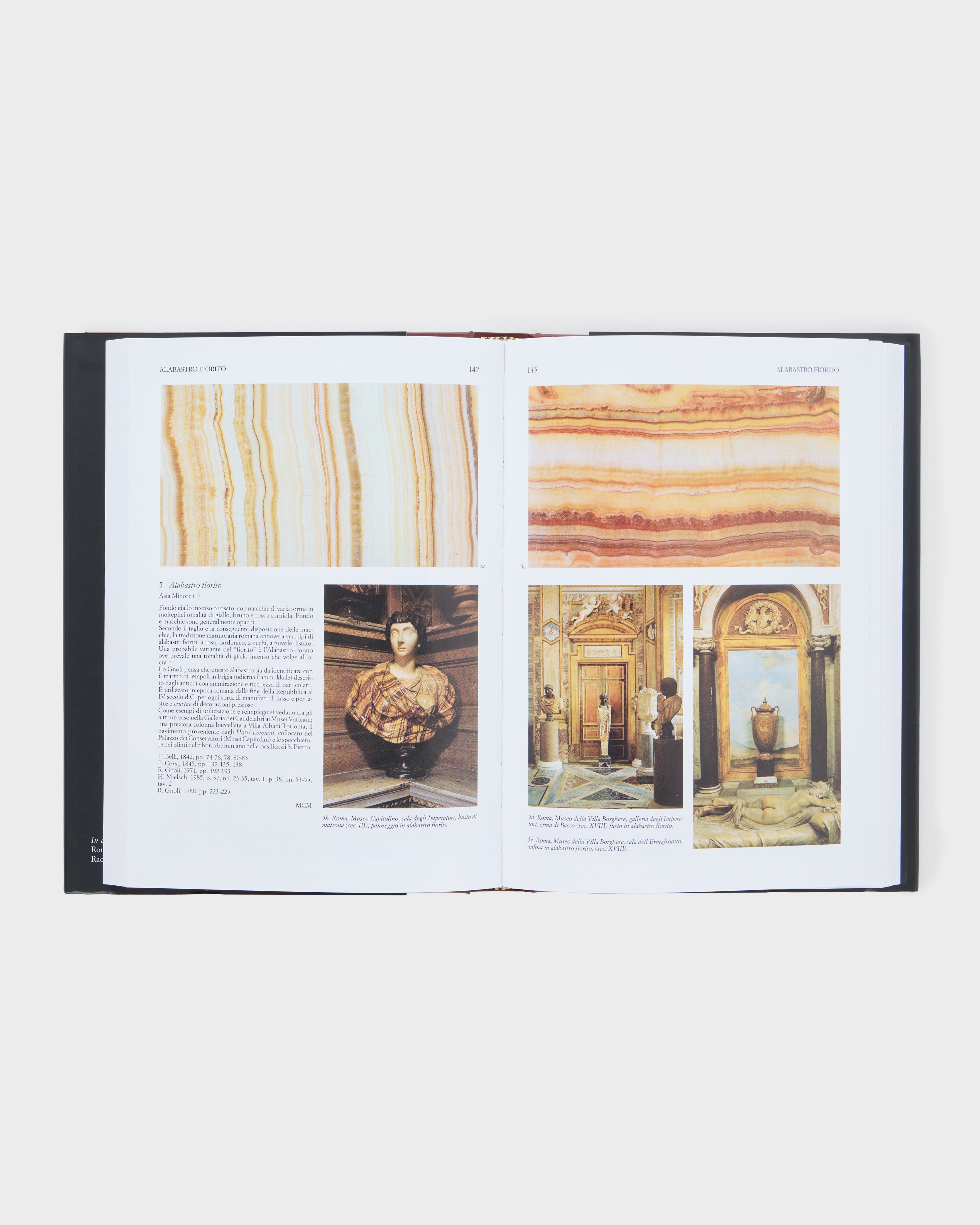
Marmi antichi is an essential reference work for restorers, art historians, and enthusiasts of classical materials. The book delves into the examination of raw stone and its processing, tracing a chronological arc from the Egyptians to the Romans. It continues by exploring medieval and modern practices of the "marmorari" (marble workers), including reuse, the Cosmati, and 17th-century specialized decorators. The volume concludes with a reasoned catalog of various marble types, providing valuable guidance for recognizing and assessing their aesthetic and structural characteristics.
Published by De Luca Editori
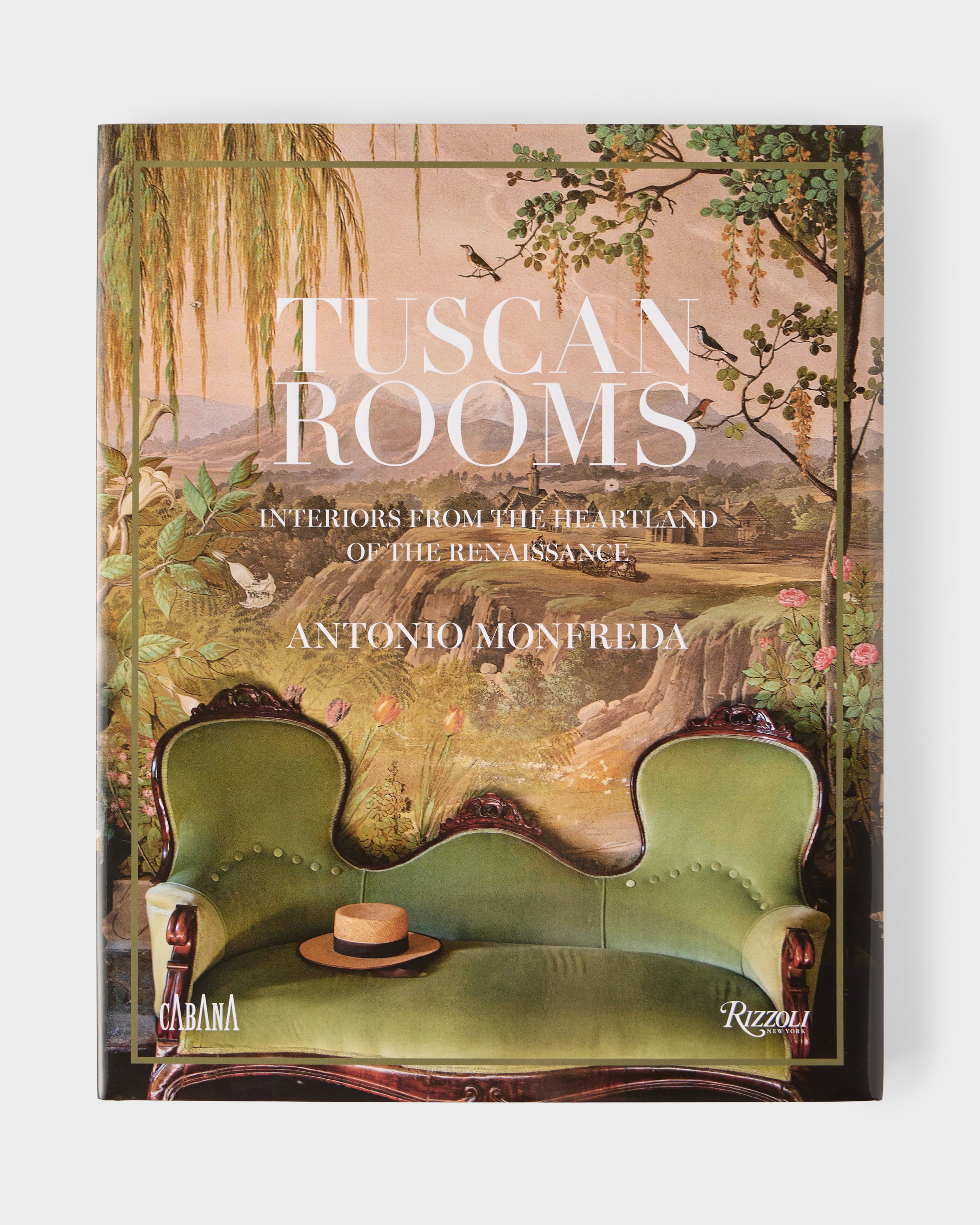
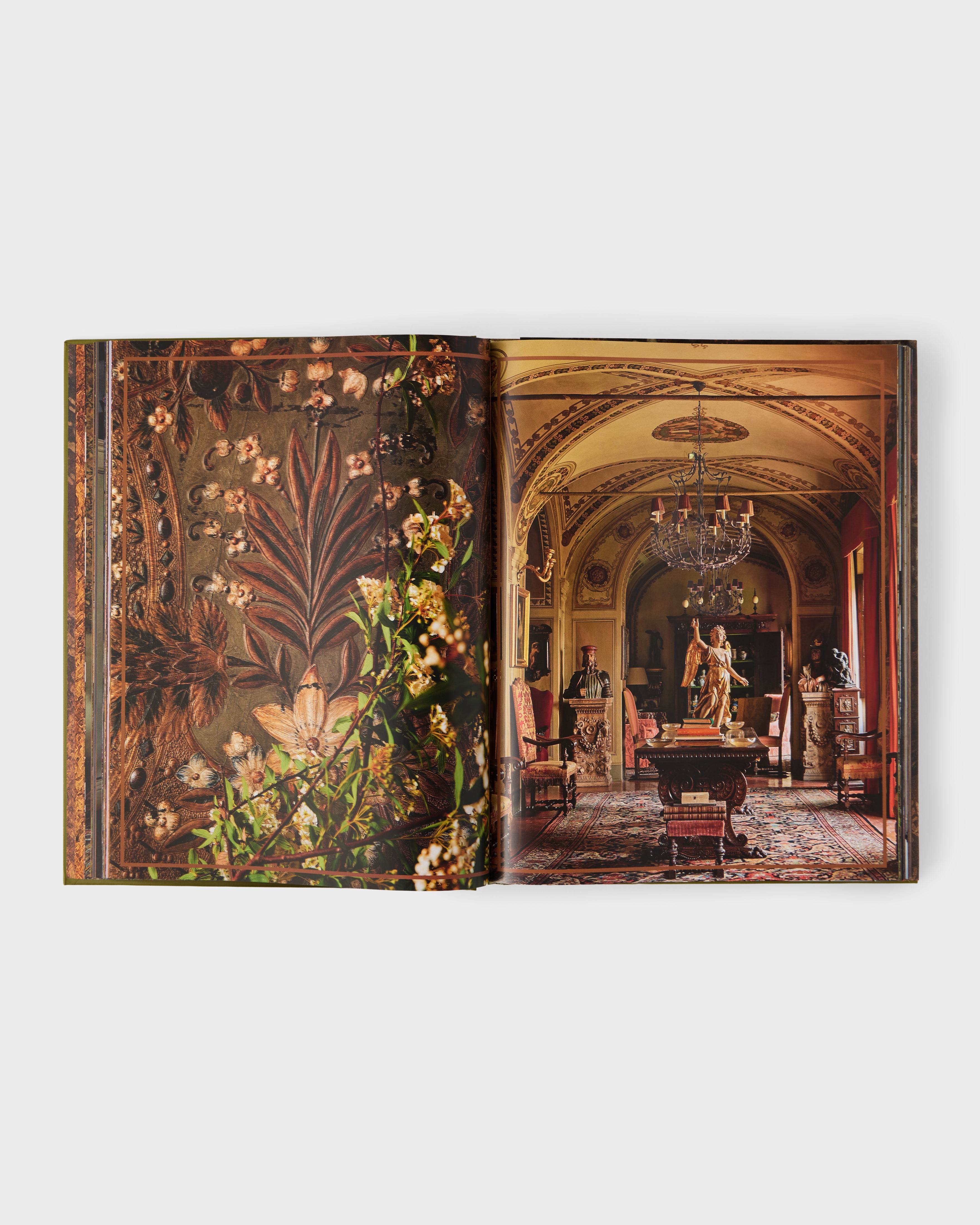
An exclusive look into Tuscan interiors that have the hallmarks of magazine’s coverage of remarkable, eclectic, and dramatic spaces.
Tuscany’s historical residences tell stories that no mere guidebook can capture. The houses that dot the landscape—from the stately Medici villas to the more humble yet charming farmhouses—are not just structures but also symbols of a way of life, a lasting testament to the fusion of an agrarian lifestyle, picturesque towns, notable architecture, fine craft, and art.
In the book’s foreword, Cabana founder Mondadori writes, “Tuscany is not merely a region; it is a living canvas, a dreamscape that has cradled the imagination of artists, poets, and thinkers for centuries.” The interiors presented in this book are a celebration of the talents of the diverse contemporary homeowners, who are keeping the region’s creative spirit alive. Houses brim with the output of skilled craftsmen, exquisite tapestries, brocades and damasks, objects arranged as if painterly still lifes, fantastical murals, rare books, furniture from a range of periods, and fine porcelain.
The houses, many published here for the first time, include a gentle hilltop in Maremma where late interior designer Manfredi della Gherardesca filled his family’s castle with superb collections of decorative and fine arts; a rustic coastal retreat where the boundaries between indoor and outdoor are blurred; the Pucci family palace, where a kaleidoscopic twentieth-century fashion phenomenon was born in a Renaissance setting; and a country hideaway where local decorative arts are astutely paired with more worldly objects, a colorful patchwork of Argentinian and Moroccan carpets and African figurines. Tuscany is the birthplace of Renaissance art and thought, a creative explosion that still resonates today. The interiors in this book are a testament to the ongoing legacy of creative rebirth in a most glorious setting.
Published by
Rizzoli
No account yet?
Create an Account