






Words by Alexis Kugel
This exhibition, Galerie Kugel’s tenth, continues the tradition of seeking out little-known but fascinating fields in the art world. Renaissance automaton clocks have never been the subject of scientific study, authors of horological reference works devoting at best merely a chapter to them.
These automaton clocks date from 1580 to 1630 and were for the most part created in Augsburg, the main German artistic centre of the time. These wonderful objects combine the arts of sculpture and horology. Rivalling in fantasy and ingenuity, they fascinated the European courts. Today, they can be found in museums holding great princely collections in Vienna, Dresden, Munich. Automaton clocks were also used as diplomatic presents.
The thirty-one automaton clocks presented in this exhibition and book are the largest group ever displayed. While studying them we have made surprising discoveries. For example, the troubling similarities between some of the most extraordinary anonymous clocks displayed here: the Elephant (cat. 3), the large Pacing Lion and his Tamer (cat. 7), the large Seated Lion (cat. 9), and the Chariot of Bacchus (cat. 11), which strongly argue for their having been produced in the same workshop. Among all the clocks published in this book, only one comes from Nuremberg (cat. 21). The chronological presentation that we chose also led us to rethink the conventional dating of certain pieces.
The title “Mechanical Bestiary” is somewhat restrictive, for among the clocks presented here, a quarter represent human figures without animals, and certain pieces possess no mechanical movements. Yet the thirty-one pieces assembled here clearly form a homogeneous and coherent whole. All were created for the same reason: to amuse and delight the collectors of their time.
Words by John Martin Robinson
Photographs by Ashley Hicks
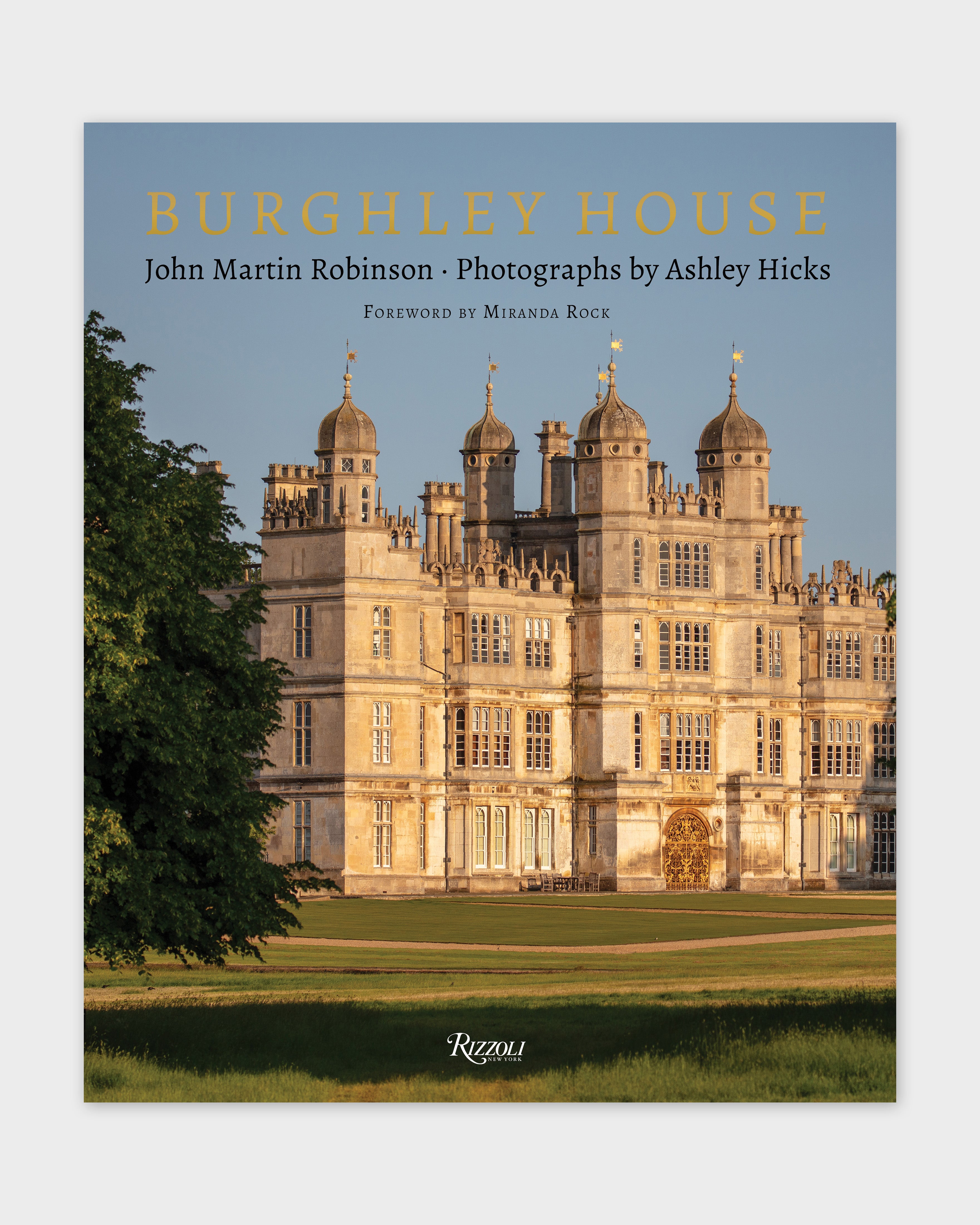
Conceived by William Cecil, Lord High Treasurer to Queen Elizabeth I, and built between 1555 and 1587, Burghley House is a testament to the ambition and vision of the most powerful courtier of the first Elizabethan age.
Designed by Cecil himself, in consultation with the Dutch Renaissance architect and painter Hans Vredeman de Vries, the architecture and interiors at Burghley reflect a mix of contemporary fashionable influences. The house’s facades are each markedly different, with a striking and ornate Gothic gatehouse beneath a roofline of cupolas and obelisks, and with French and Italian styles visible in the windows and pilasters. And inside, where the State Rooms house remarkable collections of furniture, textiles, and Old Master paintings acquired over the centuries, Cecil’s Gothic-style Old Kitchen remains alongside the magnificent Renaissance staircase and Italianate fireplace in the Great Hall.
From Burghley’s inception as Cecil’s “prodigy house” to its remarkable renovation and the development of its parklands by Capability Brown in the eighteenth century, to the estate’s preservation efforts today, this is a rare and detailed look inside one of the gems in the British landscape. With sumptuous photography made specially for the book and imagery drawn from Burghley’s private archives, this book is a privileged tour of Burghley House and its remarkable history.
Published by Rizzoli
Delivery in 2 weeks
Words by Cordelia De Castellane,
Photography by Billal Taright
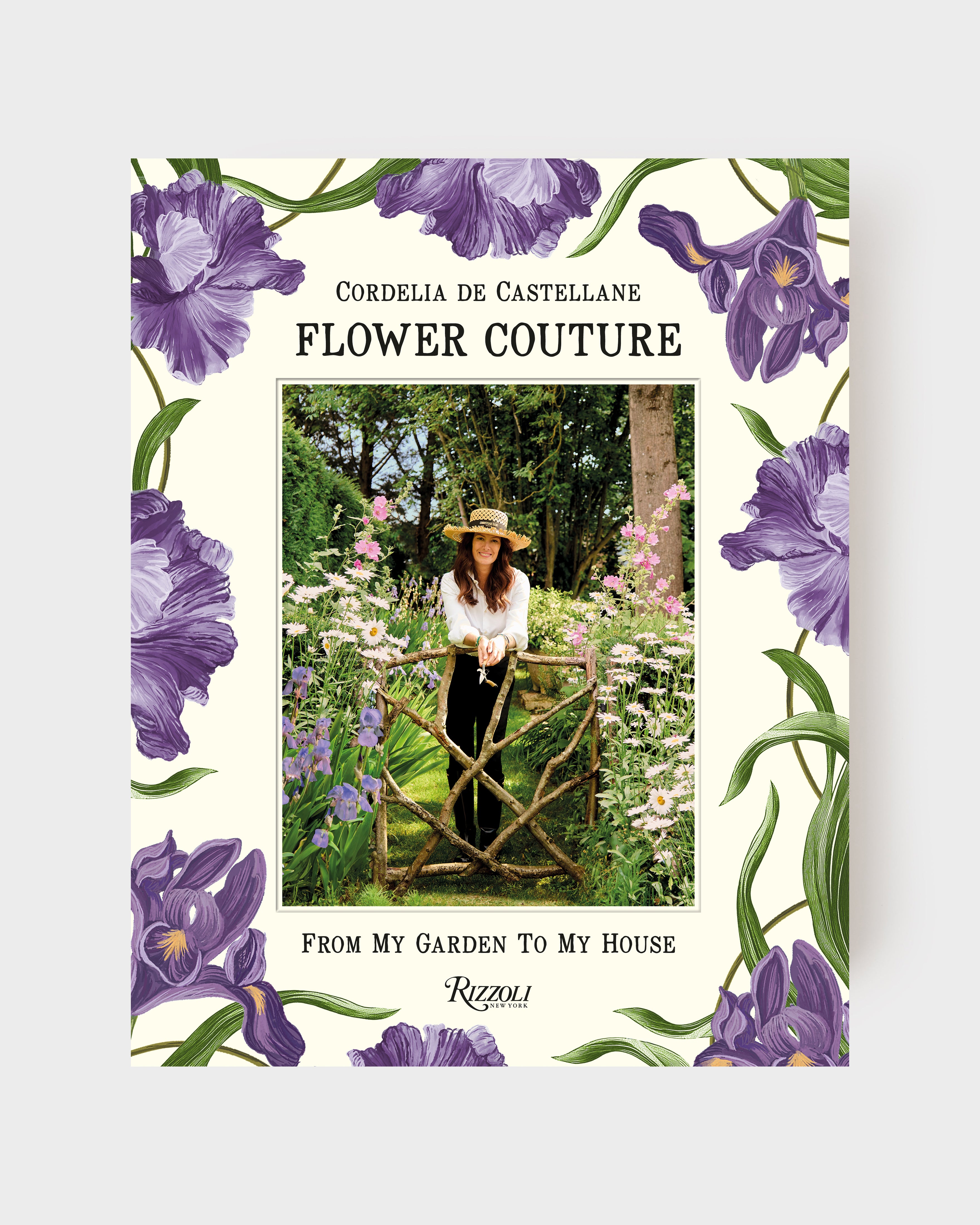
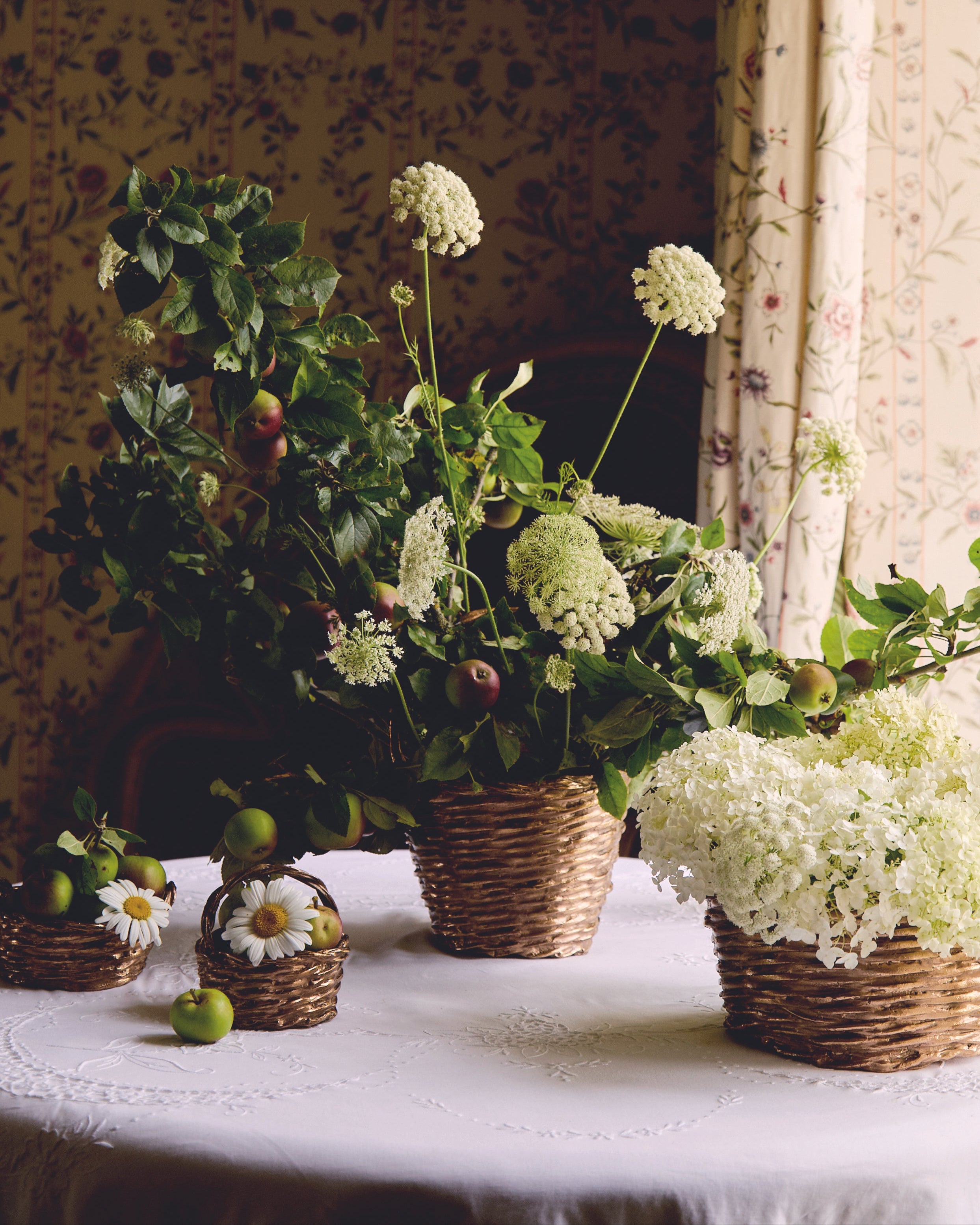
A second book by French tastemaker Cordelia de Castellane, celebrating her garden as an endless source of inspiration for entertaining.
Cordelia de Castellane, true ambassador of French lifestyle, returns with a sequel to Life in a French Country House and offers her inspiring ideas and secrets for gardening, unique flower arranging, and entertaining.
De Castellane turns her eyes to the gorgeous garden of her own private residence in the French countryside to offer insight into how she makes nature her muse. From delicate spring blossoms to vibrant summer bouquets starring on sun-kissed tables, autumnal herbariums, and enchanting winter fetes, each chapter is about a color of her favorite flowers and is complete with informative captions and texts uncovering her tips for living and entertaining à la française. De Castellane offers her recipes for bouquets and perfect tablescaping with examples from her own house: readers discover the journey of a flower from the garden to the tabletop. This book is a must-have guide on how to imbue every day with flair, beauty, and joie de vivre.
Published by Rizzoli
Words by The Editors Of Gardens Illustrated
Introduction by Stephanie Mahon
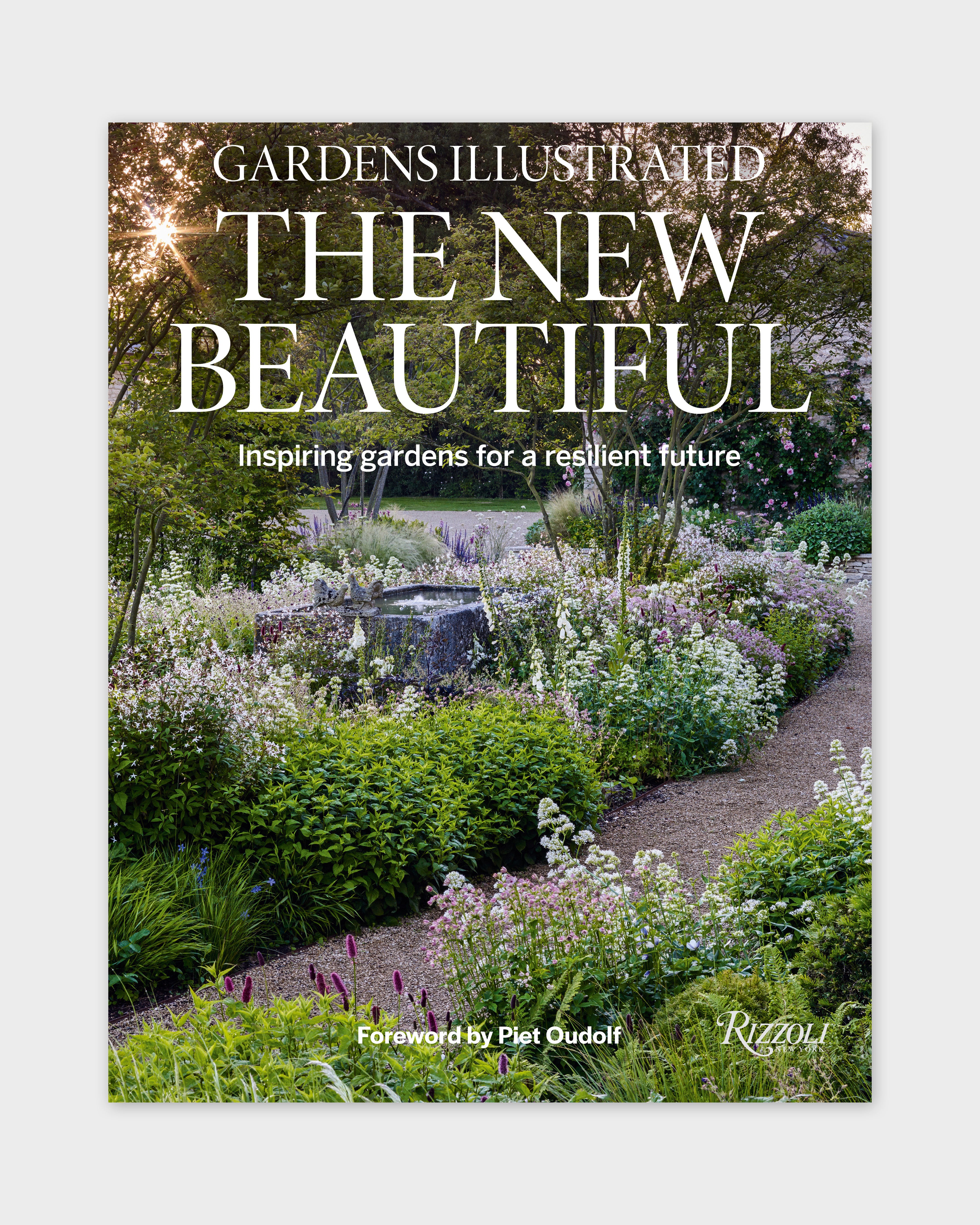
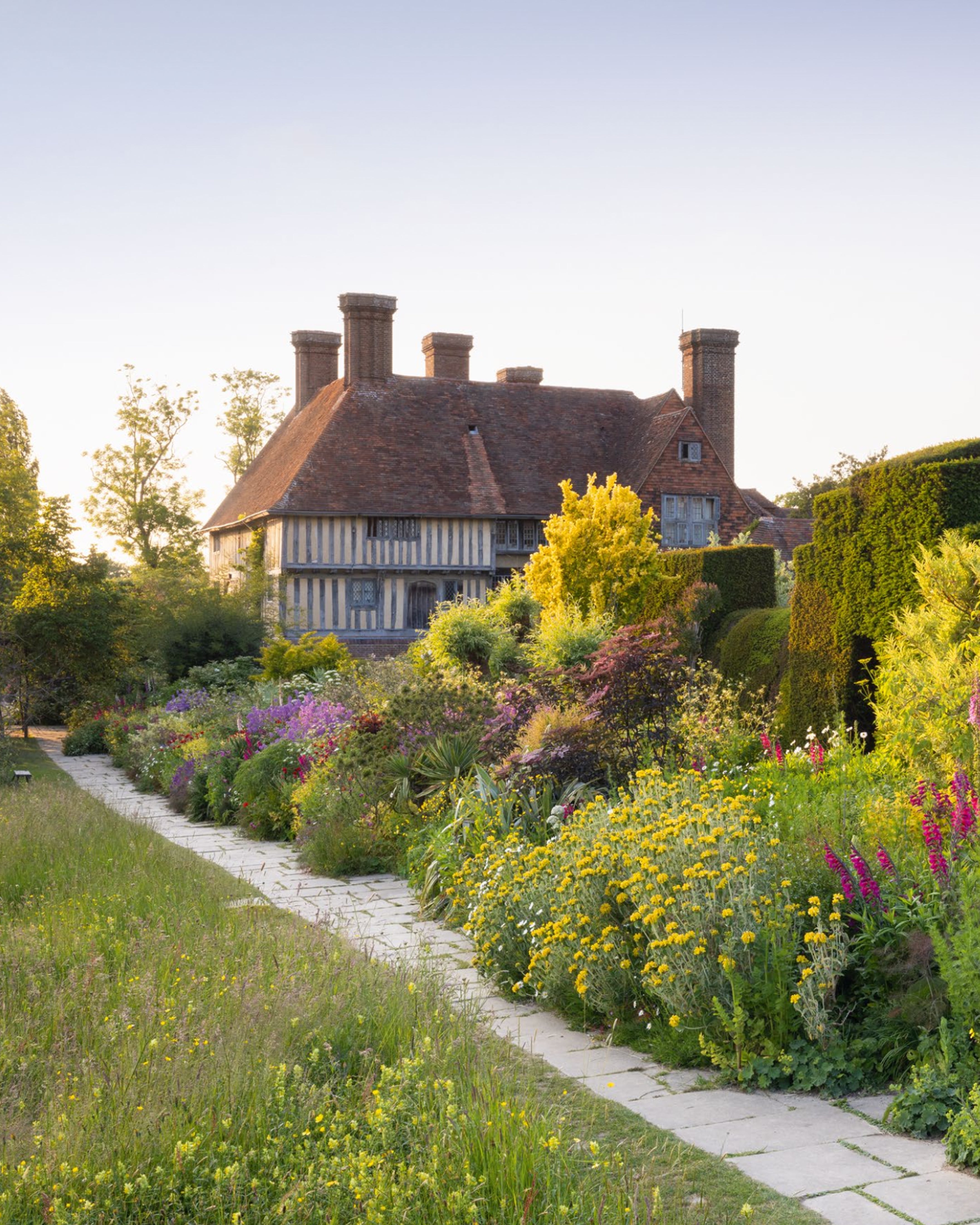
The first book from today’s leading garden magazine, renowned for its stylish features, outstanding photography, and top-notch garden writing full of insights and advice. The editors have selected over fifty of their favorite gardens in a mix of scales and in a variety of climates to appeal to garden enthusiasts everywhere.
Gardens Illustrated is today’s most popular gardening periodical, thanks to its lavishly photographed features on contemporary, forward-thinking gardens that focus on irresistible plants and clever designs. Through these gardens, each selected by the magazine’s editors for a truly exceptional trait, readers will visit the best new gardens from the United States, United Kingdom, and around the world. The scales range from small city spaces aiming to bring biodiversity deep into the built environment to country estates photographed with a new lens on ecology and sustainability, and were created by today’s top garden designers, including Andrea Cochran, Arabella Lennox-Boyd, Peter Korn, Dan Pearson, Andy Salter, Tom Stuart-Smith, Andy Sturgeon, Urquhart & Hunt, and Keith Wiley.
From loose, waving gardens that appear as unexpected mini meadows and support wildlife in small urban backyards to pleached hornbeams that act as a living fence to distinguish the borders of a lush patio from the landscape beyond and gardens that show the best new ideas for hardscape, pathways, fountains, and pergolas, readers will take away hundreds of ideas for incorporating successful plant combinations and other design elements into their own home gardens. Text by the best garden writers relays plenty of plant identification information, tips for successful growth, and most important, provides insight into how these top designers conceived of and implemented the ideas that make each and every featured garden a place full of memorable atmosphere, charm, and relaxation.
Published by Rizzoli
Delivery in 2 weeks
Words by David Lane and Marina Tweed
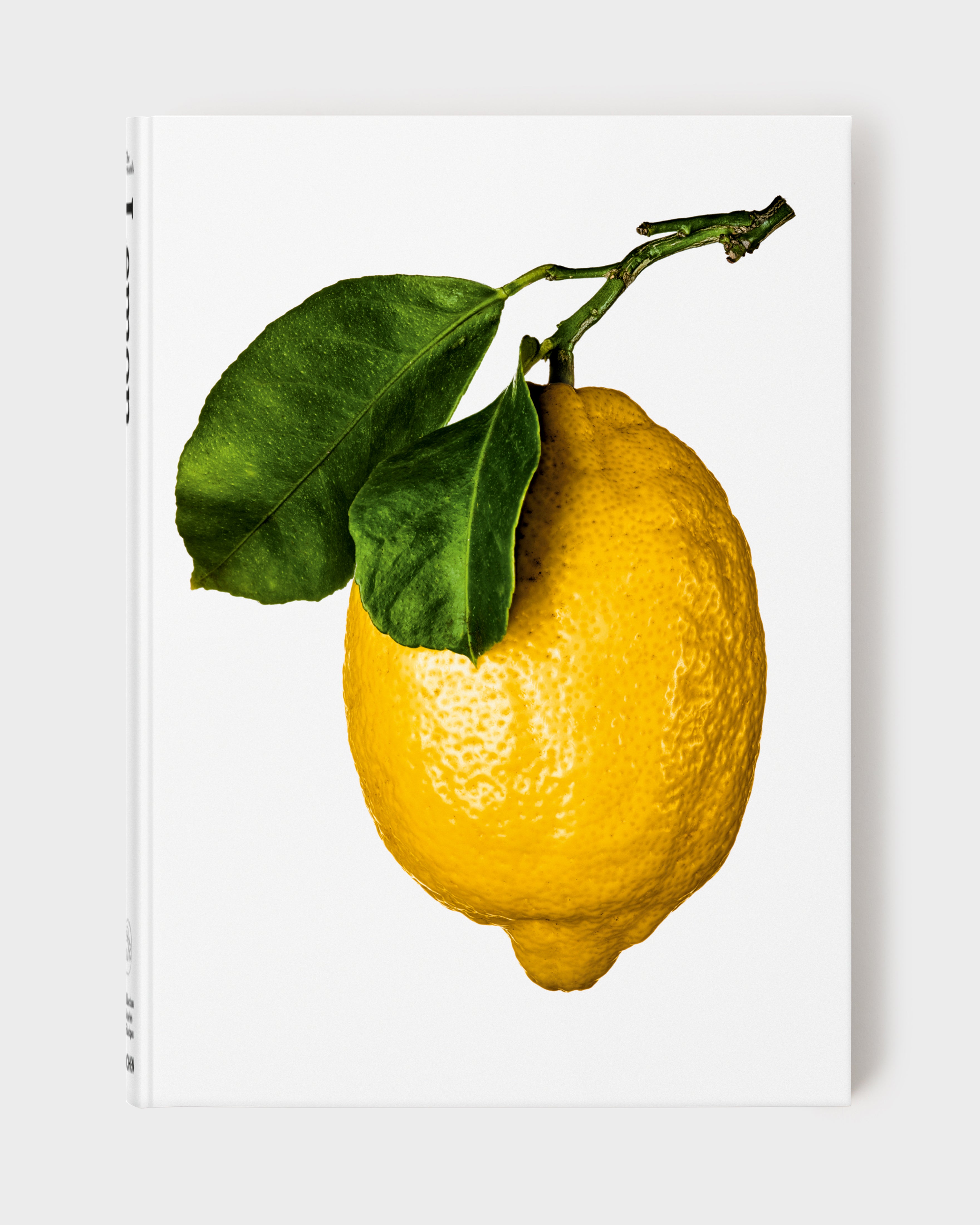
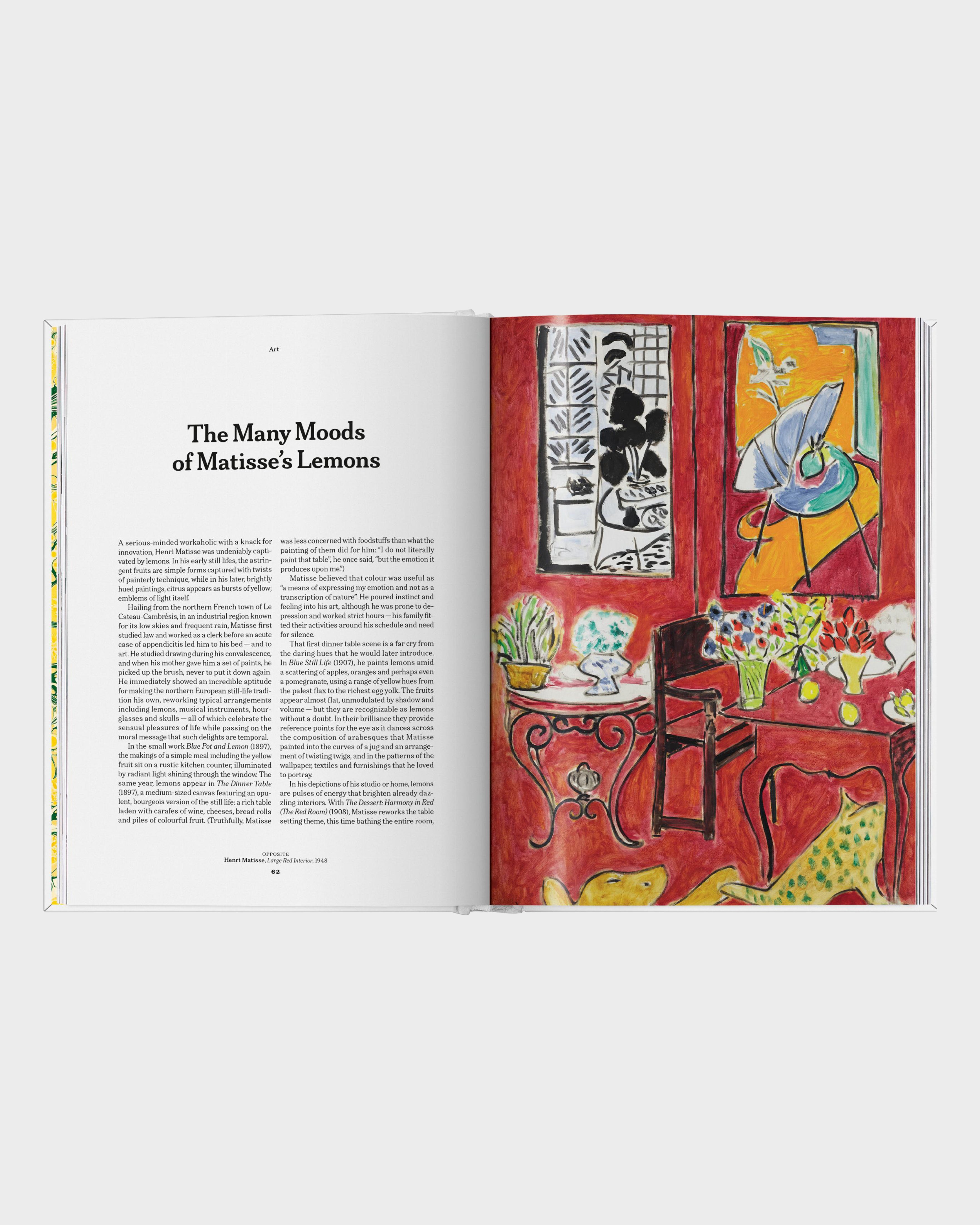
The deceptively simple lemon takes center stage in the second volume of TASCHEN’s collaboration with The Gourmand, masters of the rich intersection of food and art. The star of Renaissance gardens, that shaped the Medici dynasty, have the power to ward off scurvy, had a hand in forming the mob, and whose juice has been used as an invisible ink since 600 CE to pen covert messages, these joyful yellow orbs are ripe with intrigue. The Gourmand charts the fruit’s astonishingly intricate genealogy, explores its role as a literary device for the likes of Joan Didion, F. Scott Fitzgerald, Tom Wolfe, and James Joyce, and examines its unique representation of the American dream through lemonade stands.
A favorite subject of art history’s giants, the lemon captivates in the still lifes of Old Masters and inspired the breakthroughs of modern visionaries like Picasso, Matisse, and Warhol. Lemons also find themselves at the cutting edge of design in Philippe Starck’s iconic Juicy Salif and the unassuming yet revolutionary Jif Lemon. Their presence extends to the decorative arts, gracing everything from Arts and Crafts wallpapers to mythological ceramics. Even the famed Bloomsbury Group found lemons entangled in their literary love affairs.
Accompanying these citrus-centric anecdotes are a foreword by chef and acclaimed food writer Simon Hopkinson and an introduction by art critic and author Jennifer Higgie alongside more than 60 lemon-infused recipes across global cuisines and for every occasion—including perfect poultry, decadent sauces, classic cocktails, and indulgent desserts, with custom photography by Bobby Doherty.
Published by Taschen
No account yet?
Create an Account