


Words by Elena Tsareva
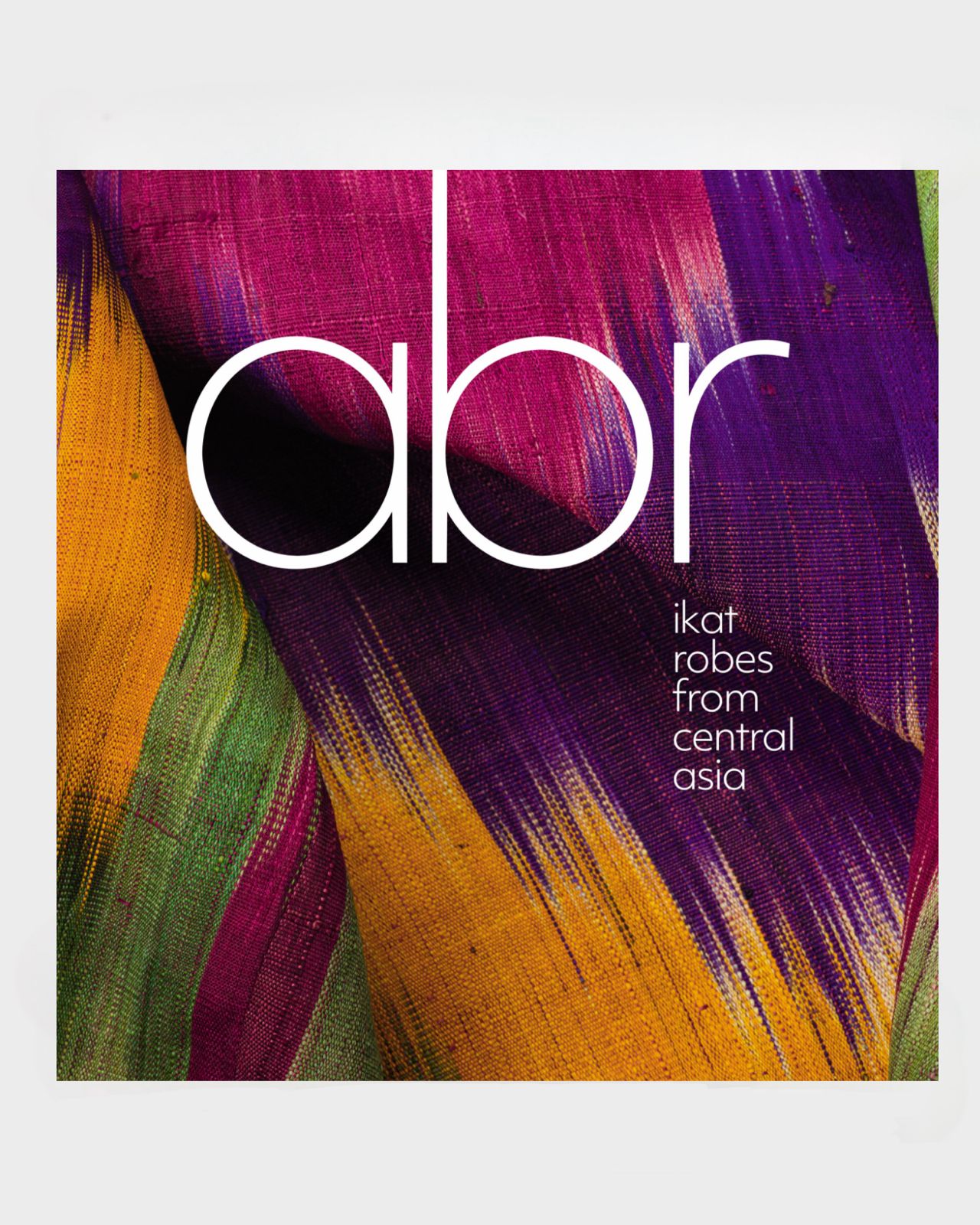
Ikat textiles, known as abr in their lands of origin in Central Asia, are beloved by collectors, decorators and textile devotees across the world. This book presents a new approach to the intricately patterned silk textiles by focusing on complete robes from a major private collection. These items of clothing tell stories about their wearers: their home, identity and place in society. By studying the history, making, and changing fashions of ikat robes, the past is brought to life. It quickly becomes clear that the power and influence of Central Asian costume reached far beyond the borders of modern Uzbekistan, inspiring imitations and providing visual stimuli for avant-garde artists.
With stunning photography and previously unpublished research findings, this publication is a new take on ikat costume for those interested in the history of textiles and fashion, but also for those wishing to admire the sheer beauty and exquisite craftsmanship of these remarkable textiles.
Published by Hali Publications Ltd
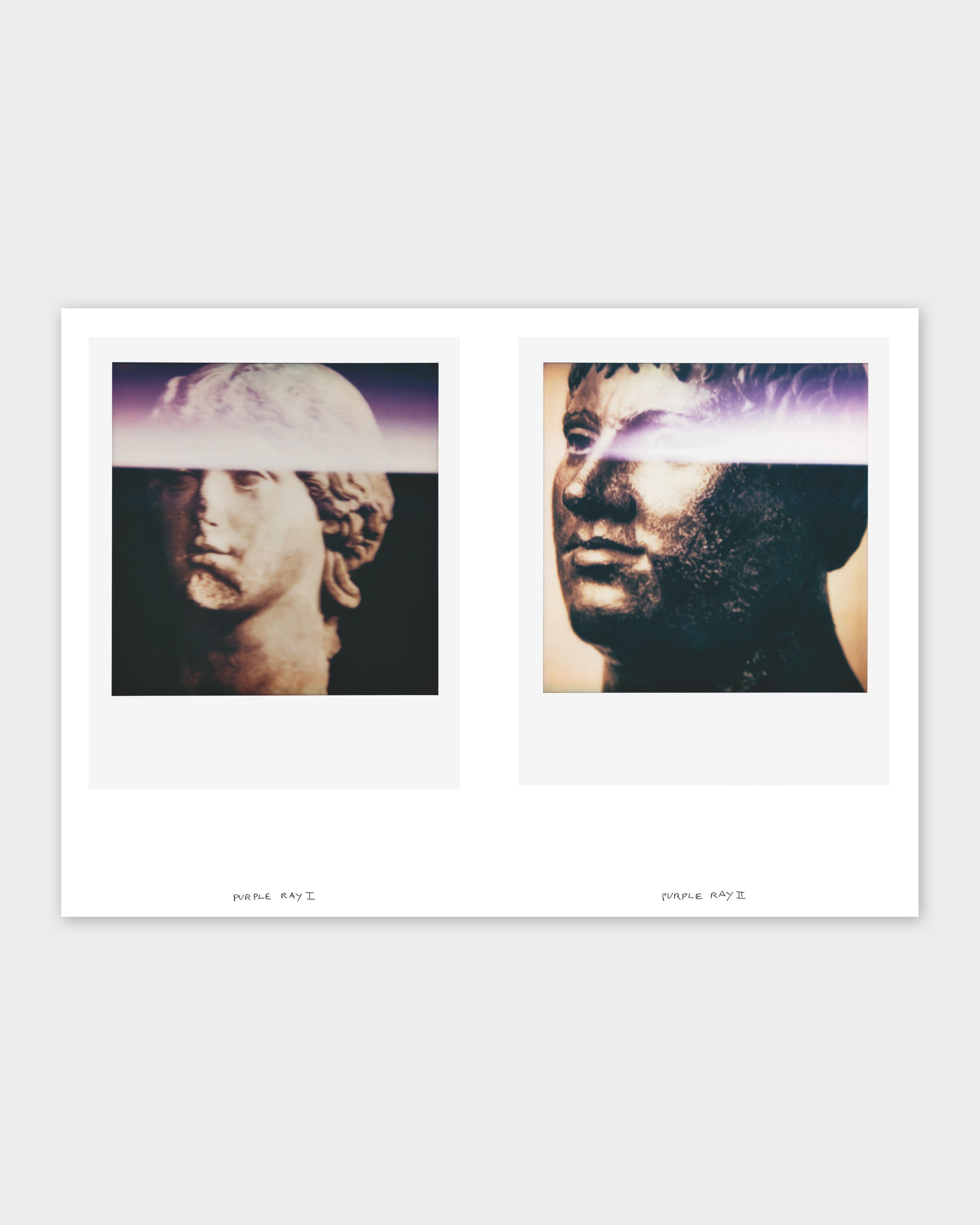
Words by Francois Halard
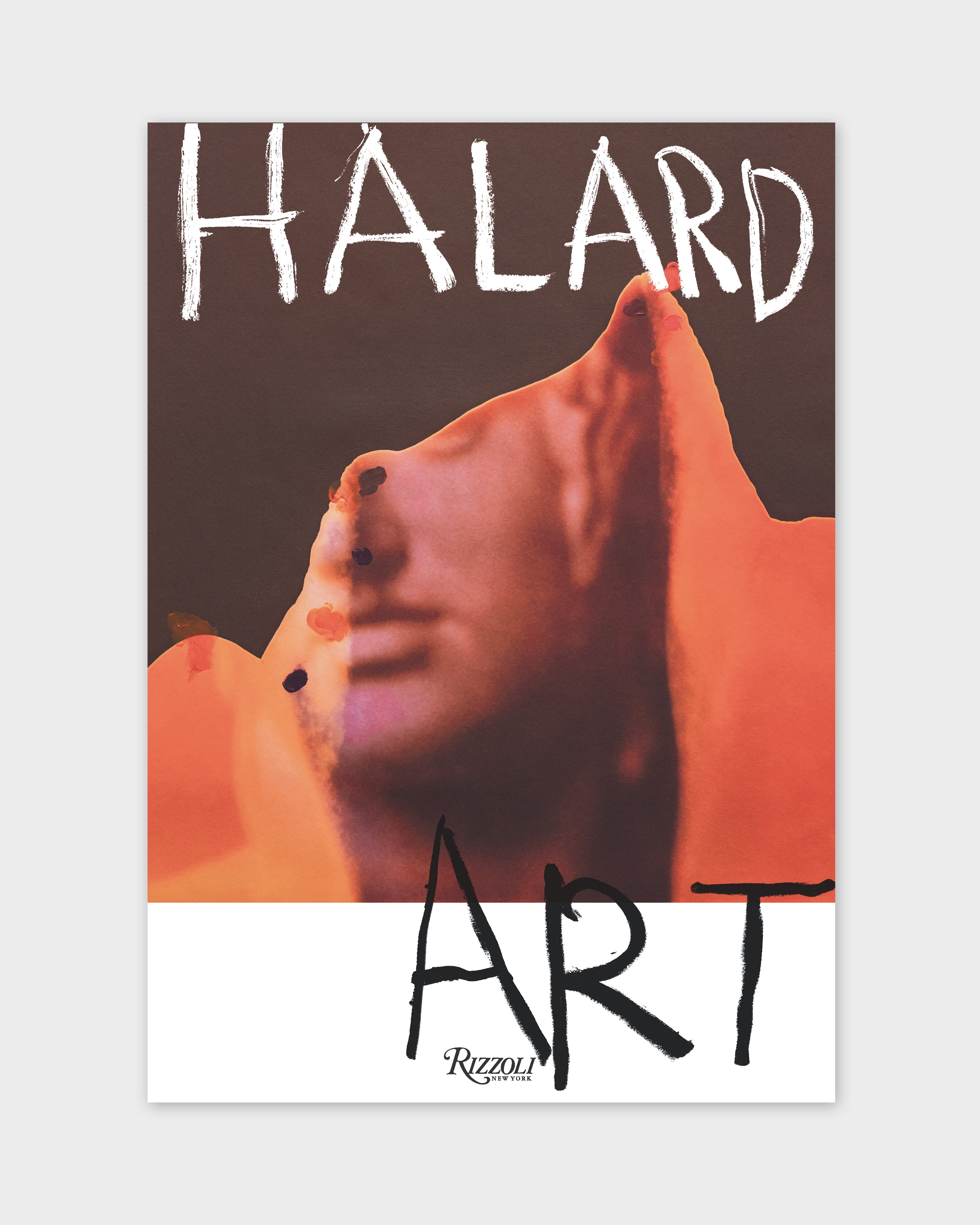
The master photographer’s compelling images of his two most intimate passions: art and flowers.
“His photography has an innate capacity to evoke emotion and tell stories that linger in the mind long after the image is seen,” writes Dries Van Noten in the foreword to this two-volume series of images.
Long revered for his personal photography of the world’s most celebrated buildings and interiors, Halard strikes a new path with two new bodies of work. Confined to his house in Arles after a shoulder injury in early 2024, Halard began photographing the objects immediately surrounding him with his Polaroid camera. In turns traditional and abstract, the Flowers series is a captivating exploration of nature’s beauty. As beautifully described by fashion designer Dries Van Noten, “The Polaroid captures a fleeting moment, blossoming into a lasting memory, while the real flower, vibrant and alive, ultimately withers away, reminding us that beauty can be both preserved and ephemeral.”
In the second series, Art, Halard has enlarged a select number of his Polaroids, which he then worked on top with paint, wax, and other materials to give the final results a strong, layered sense of history and memory. Many of the images are made of ancient statuaries or details of Renaissance paintings from Italy and Greece—the tight crop of a marble head, or the folds of 15th-century drapery. “I am delving into the idea that antiquity can be modern,” Halard states in his interview with art curator Bice Curiger, “I like to start with a specific object to turn it into another, transitory object.” Halard’s transformation of the ephemeral into the permanent, in the case of his flowers; and the permanent into the ephemeral, in the case of his Classical-inspired artworks—give power and beauty to these compelling images.
Published by Rizzoli
Delivery in 2 weeks
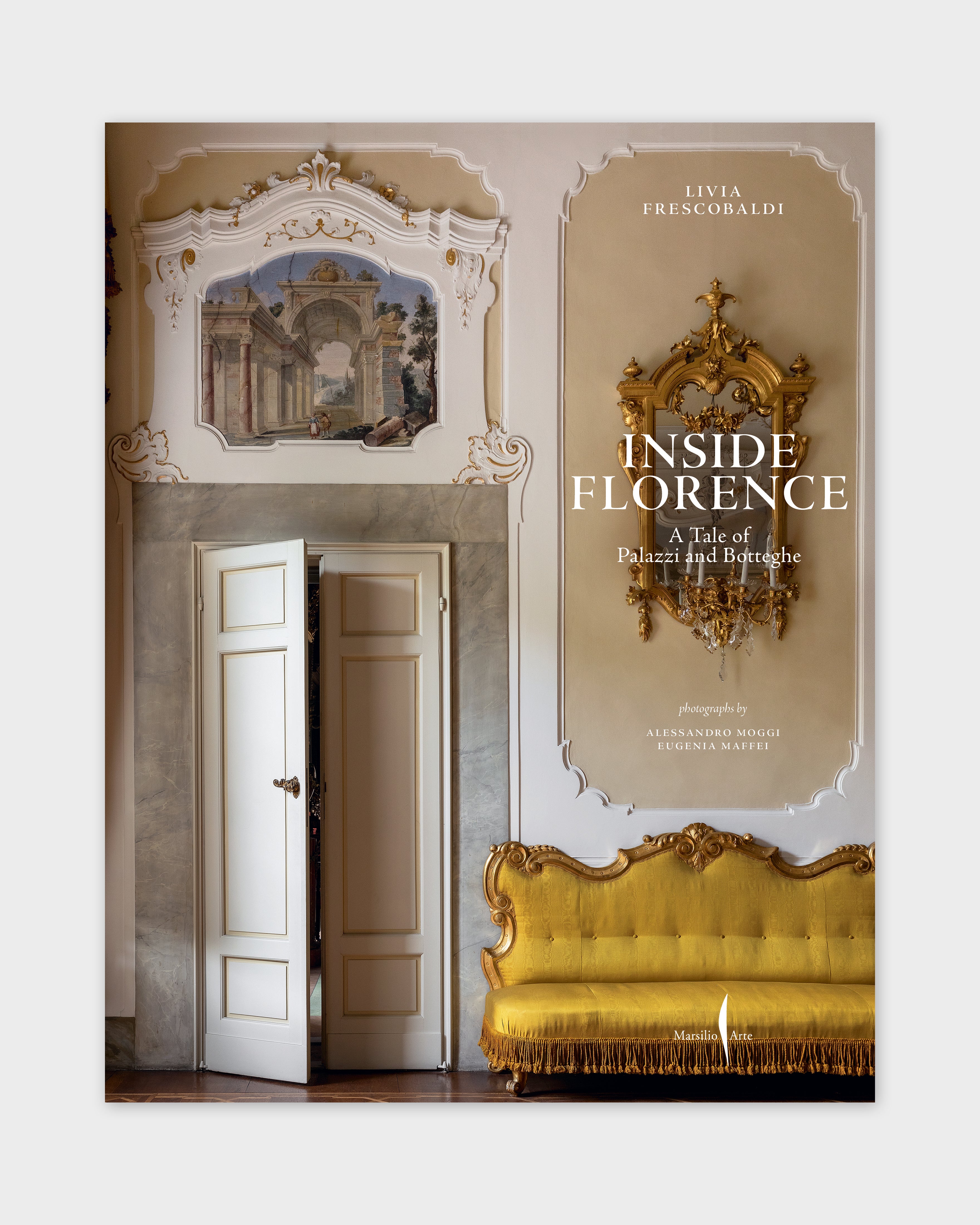
Words by Livia Frescobaldi
Photographs by Alessandro Moggi, Eugenia Maffei
The home “is the place of return,” it is where “memory is”. I agree fully with Emanuele Coccia in his consideration that the setting of our private lives, the one that is most intimate and most familiar to us, is an expression of culture like a work of art or a monument of which we study the origins, the provenance and the material, craving to know and understand everything. -Livia Frescobaldi
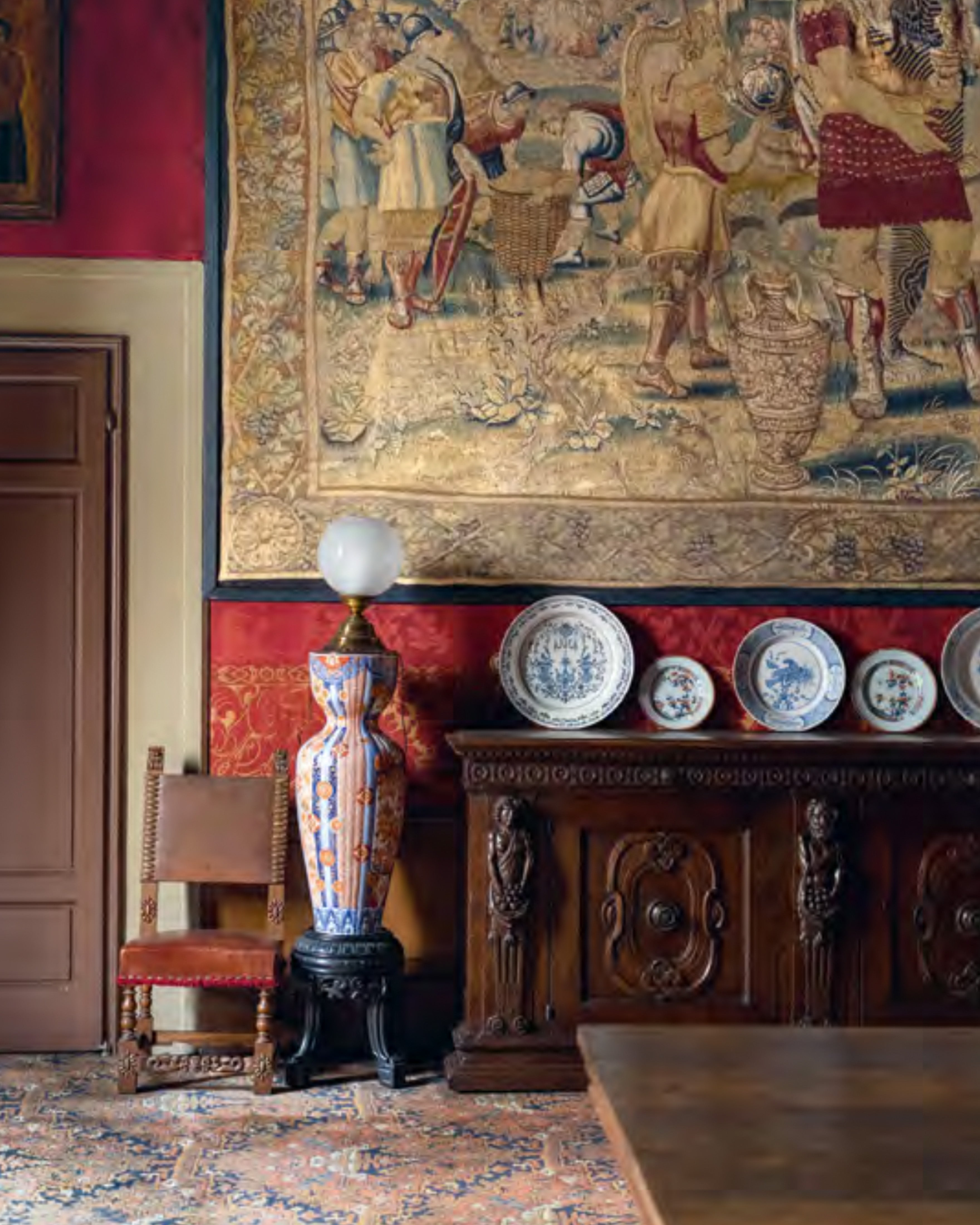
Inside Florence, published by Marsilio Arte, offers an original account of Florence stemming from a love for the preservation of its places and the desire to offer an intimate and fresh look at the beauty and age-old skills of the city’s artisan workshops, which make the Tuscan capital one of the most admired cities in the world.
The splendid views, the meticulous details of the furnishings, the framing of the images, the care and attention in narrating and describing the opulence and refinement of the Florentine residences, are just some of the elements that author Livia Frescobaldi has selected to trace out an itinerary revealing her favourite places.
Through the photography of Alessandro Moggi and Eugenia Maffei, the book appears almost like a fresco with infinite scenarios, the protagonists of which are the heirs of a thousand-year-old history, in a difficult balance between modernity and tradition. There are sixteen sections for sixteen residences – ranging from palaces and gardens to former monasteries – each linked to a specific form of craftsmanship: the first pairing described is that between Palazzo Frescobaldi and the Antico Setificio Fiorentino, with a union rendered indissoluble by the customised Frescobaldi fabric, which has been in production since time immemorial. Inside Florence does not merely hold up a mirror to Florence’s architectural and artistic wealth, but is also an act of love towards those professional artisans who, as Leonardo Ferragamo states in his introductory text, ‘continue to create the history of the future with their ingenious, persevering and dedicated passion’.
Enriched and enhanced by the introductions of Eugenio Giani, President of the Region of Tuscany, and Bernabò Bocca, President of the Fondazione CR Firenze, the books stresses the uniqueness and historic nature of the city of Florence, that jealously guards its art professions and artisan workshops, its well-known palaces and more hidden ones, its gardens and spaces dedicated to contemporary times. The itinerary proposed in its pages has been planned for those who want to live Florence, rather than just visit it.
Published by Marsilio Arte
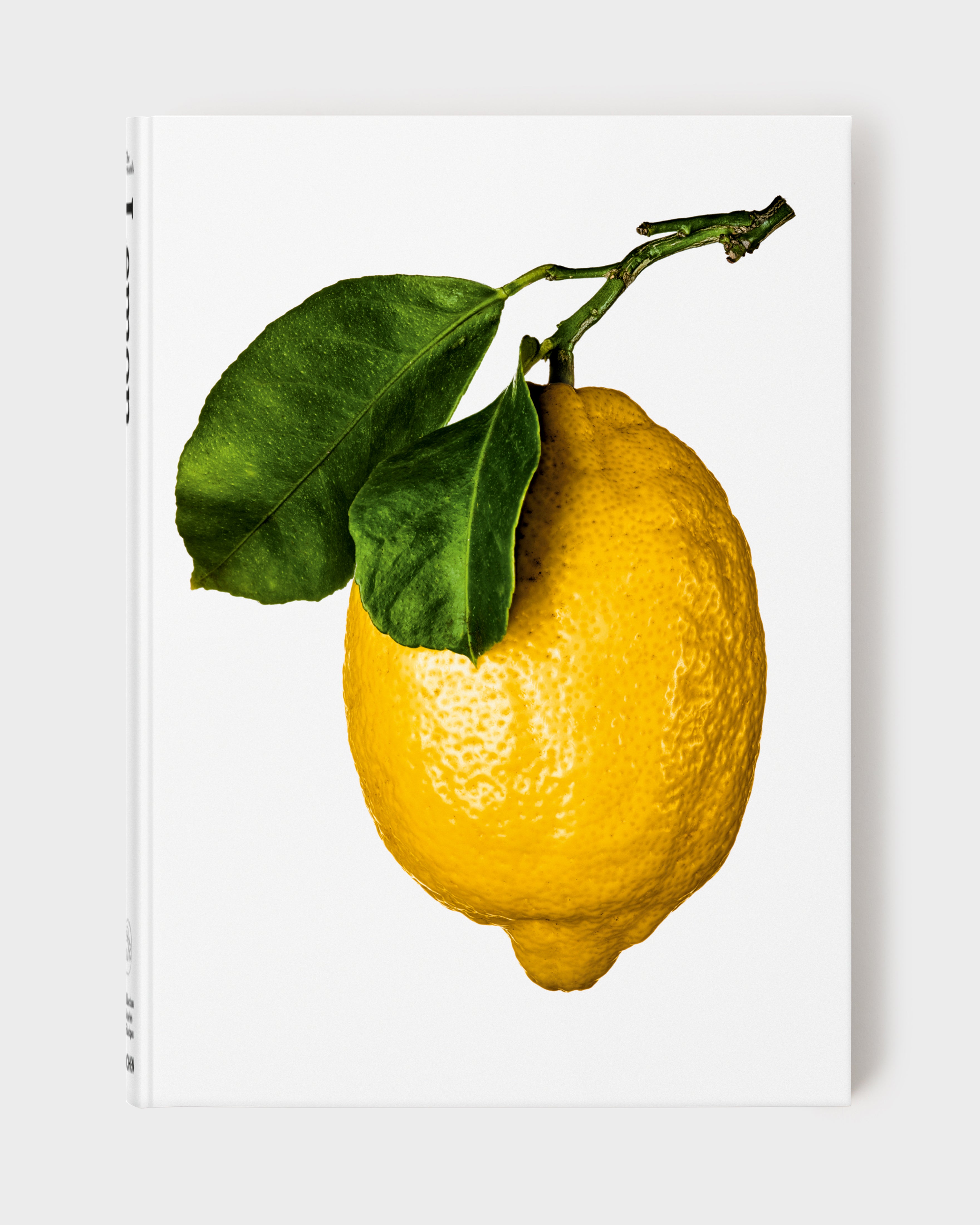
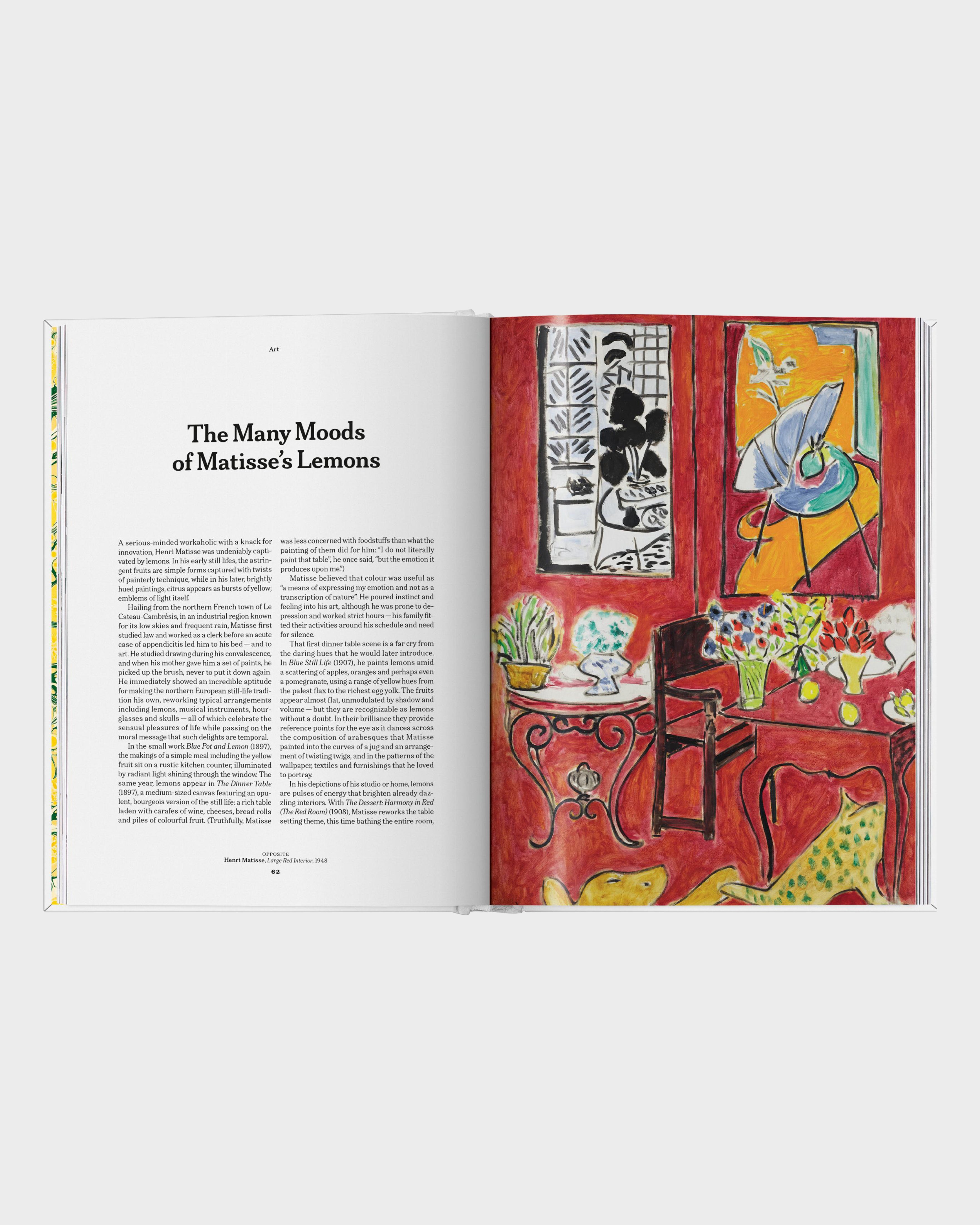
Words by David Lane and Marina Tweed
The deceptively simple lemon takes center stage in the second volume of TASCHEN’s collaboration with The Gourmand, masters of the rich intersection of food and art. The star of Renaissance gardens, that shaped the Medici dynasty, have the power to ward off scurvy, had a hand in forming the mob, and whose juice has been used as an invisible ink since 600 CE to pen covert messages, these joyful yellow orbs are ripe with intrigue. The Gourmand charts the fruit’s astonishingly intricate genealogy, explores its role as a literary device for the likes of Joan Didion, F. Scott Fitzgerald, Tom Wolfe, and James Joyce, and examines its unique representation of the American dream through lemonade stands.
A favorite subject of art history’s giants, the lemon captivates in the still lifes of Old Masters and inspired the breakthroughs of modern visionaries like Picasso, Matisse, and Warhol. Lemons also find themselves at the cutting edge of design in Philippe Starck’s iconic Juicy Salif and the unassuming yet revolutionary Jif Lemon. Their presence extends to the decorative arts, gracing everything from Arts and Crafts wallpapers to mythological ceramics. Even the famed Bloomsbury Group found lemons entangled in their literary love affairs.
Accompanying these citrus-centric anecdotes are a foreword by chef and acclaimed food writer Simon Hopkinson and an introduction by art critic and author Jennifer Higgie alongside more than 60 lemon-infused recipes across global cuisines and for every occasion—including perfect poultry, decadent sauces, classic cocktails, and indulgent desserts, with custom photography by Bobby Doherty.
Published by Taschen
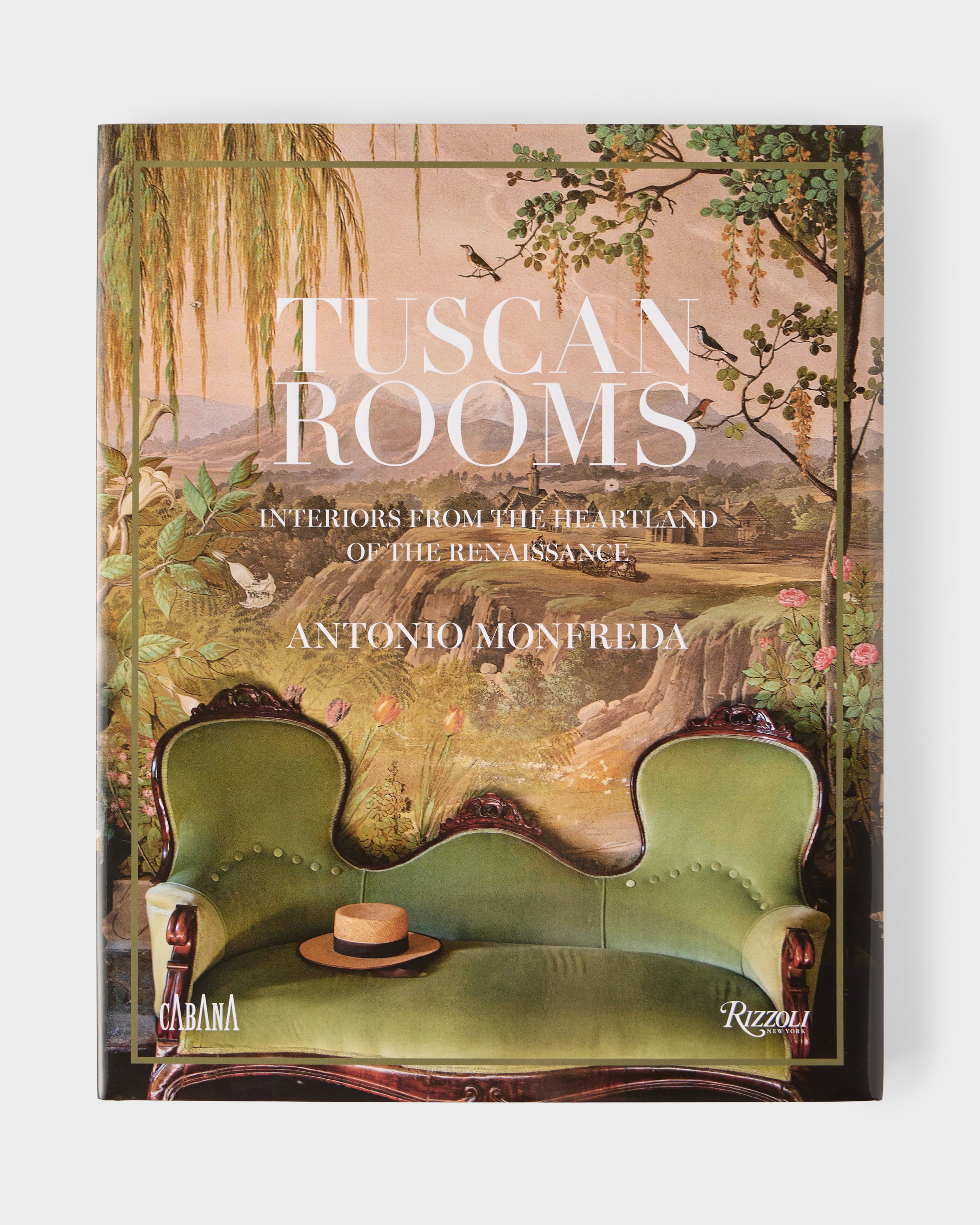
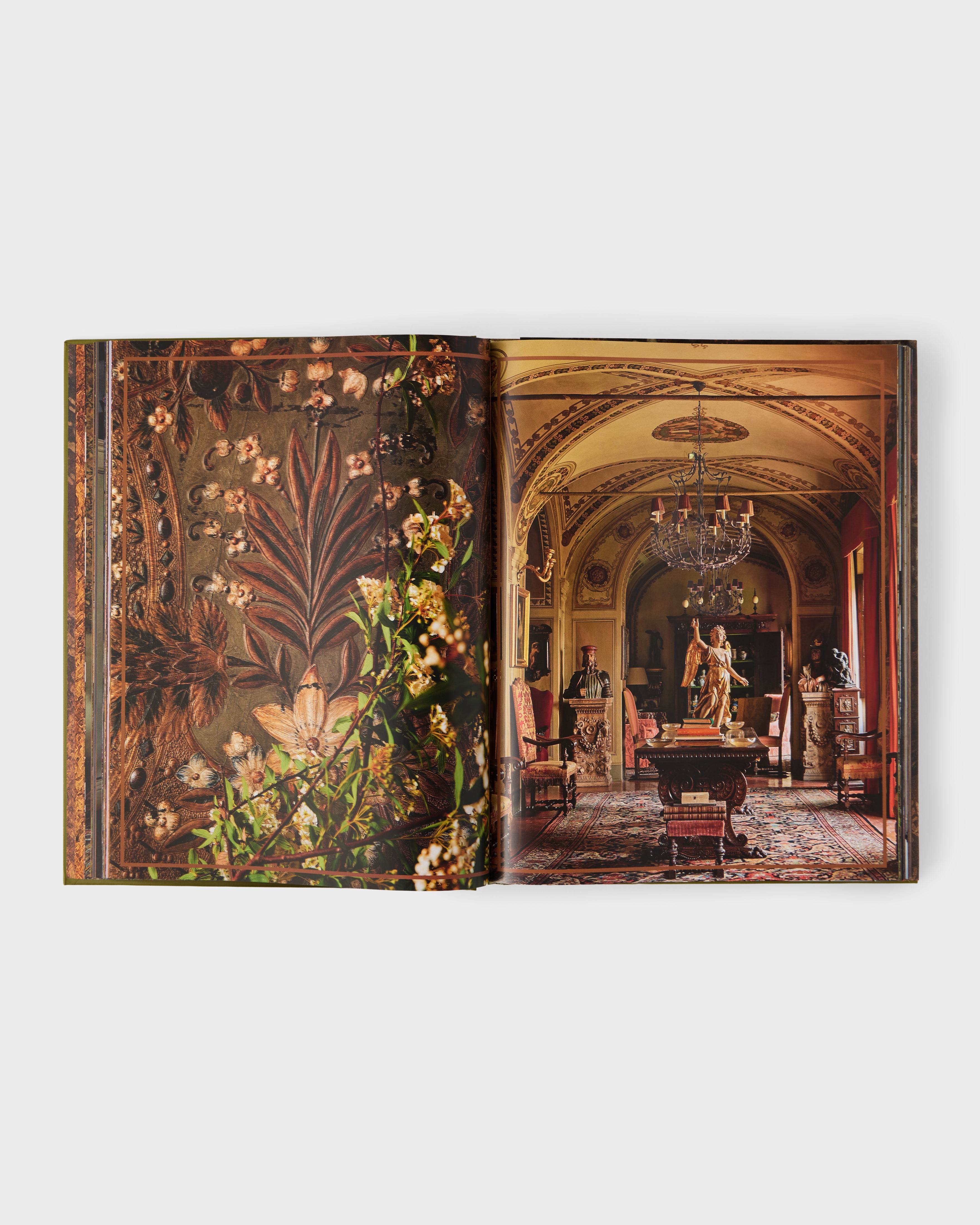
An exclusive look into Tuscan interiors that have the hallmarks of magazine’s coverage of remarkable, eclectic, and dramatic spaces.
Tuscany’s historical residences tell stories that no mere guidebook can capture. The houses that dot the landscape—from the stately Medici villas to the more humble yet charming farmhouses—are not just structures but also symbols of a way of life, a lasting testament to the fusion of an agrarian lifestyle, picturesque towns, notable architecture, fine craft, and art.
In the book’s foreword, Cabana founder Mondadori writes, “Tuscany is not merely a region; it is a living canvas, a dreamscape that has cradled the imagination of artists, poets, and thinkers for centuries.” The interiors presented in this book are a celebration of the talents of the diverse contemporary homeowners, who are keeping the region’s creative spirit alive. Houses brim with the output of skilled craftsmen, exquisite tapestries, brocades and damasks, objects arranged as if painterly still lifes, fantastical murals, rare books, furniture from a range of periods, and fine porcelain.
The houses, many published here for the first time, include a gentle hilltop in Maremma where late interior designer Manfredi della Gherardesca filled his family’s castle with superb collections of decorative and fine arts; a rustic coastal retreat where the boundaries between indoor and outdoor are blurred; the Pucci family palace, where a kaleidoscopic twentieth-century fashion phenomenon was born in a Renaissance setting; and a country hideaway where local decorative arts are astutely paired with more worldly objects, a colorful patchwork of Argentinian and Moroccan carpets and African figurines. Tuscany is the birthplace of Renaissance art and thought, a creative explosion that still resonates today. The interiors in this book are a testament to the ongoing legacy of creative rebirth in a most glorious setting.
Published by
Rizzoli
No account yet?
Create an Account