
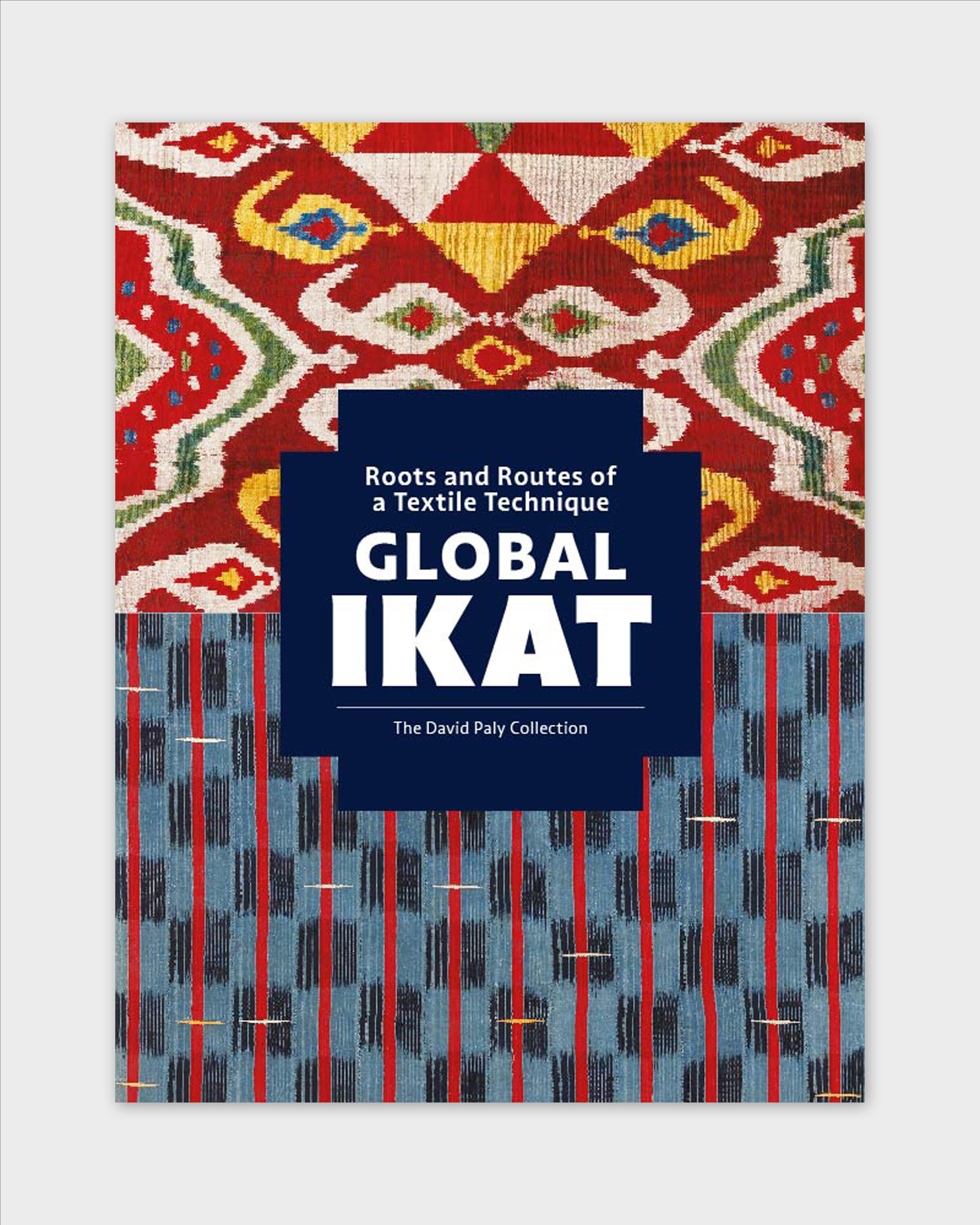
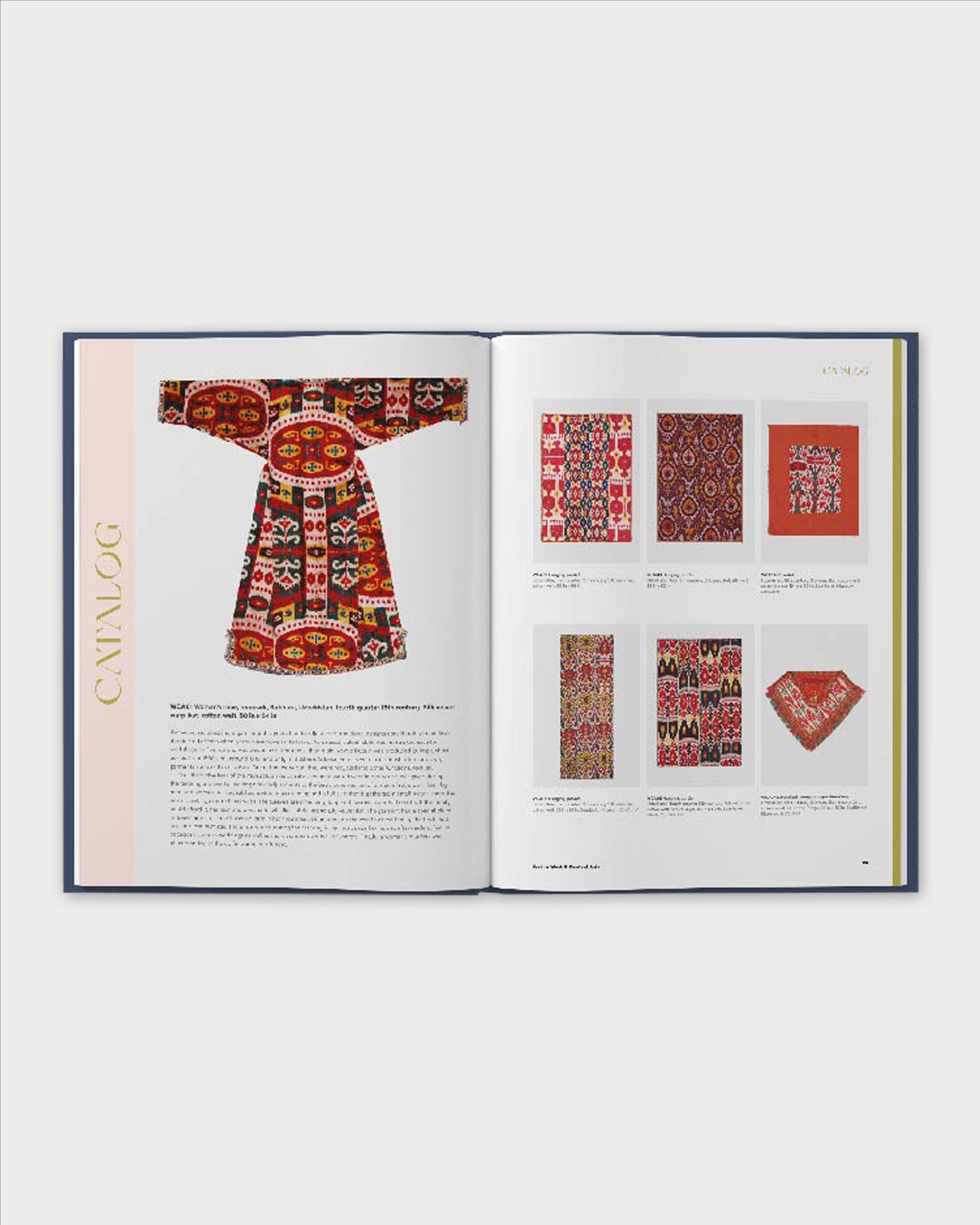
Sudpsuez Global Ikat: Roots and Routes of a Textile Technique
Written by Polly Barton, Sumru Belger Krody, Shelley Burian, Duncan Clarke, Rosemary Crill, Martina D’Amato, Linda S. McIntosh and Lee Talbot
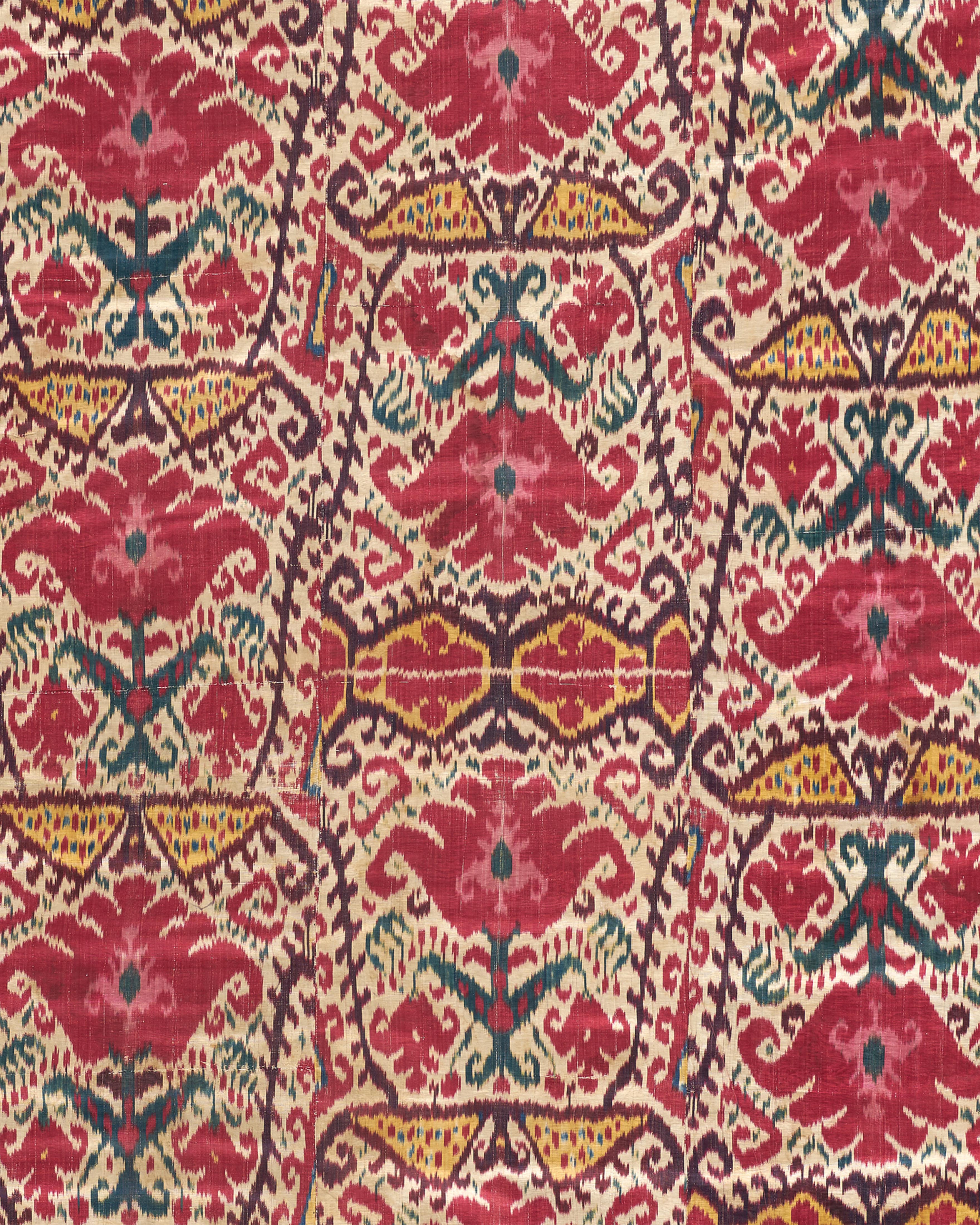
Deceptively simple or fantastically intricate, the ikat technique has been used for centuries to create extravagant costumes and clothes of deep cultural meaning. The distinctively blurred, feathered or jagged patterns of ikat-dyed textiles are found across much of the world—from Japan in the east to Central and South America in the west, with vast areas of Southeast Asia, India, Central Asia and the Middle East in between. The traditional patterns still hold cultural relevance today in significant parts of the long-established ikat-weaving areas. Textile artists and fashion designers in many and varied countries have taken ikat in new directions, respecting traditional forms and palettes while creatively diverging from them.
This is the first time all the different iterations of this textile have been comprehensively brought together in one volume, drawing from the wide-ranging collection of David Paly. It is a journey across the world through the lens of ikat.
Published by HALI Books
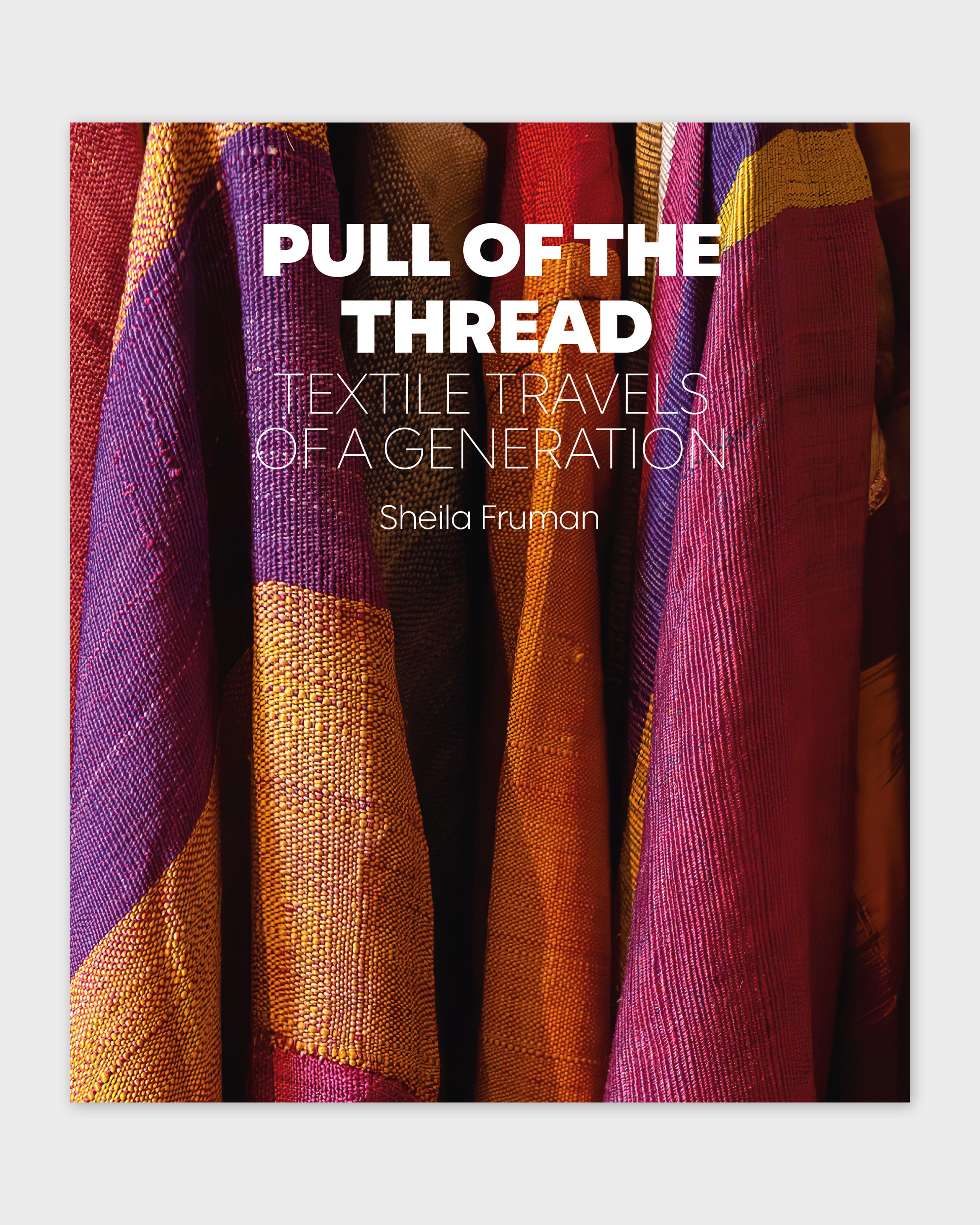
Sudpsuez Pull of The Thread: Textile Travels of a Generation by Sheila Fruman
Words by Sheila Fruman
Sheila Fruman, fascinated by the textiles and handmade carpets she saw when she travelled overland in 1969 from Turkey to India, tells the stories of nine intrepid adventurers who have combed the streets and bazaars of Central and South Asia finding, researching, collecting and selling antique Kashmir shawls, embroidered Uzbek textiles and robes, Anatolian kilims, Turkmen carpets and many other textile treasures to interested Westerners.
These stories capture the post-World War II era’s free spirit that briefly coincided with economic prosperity and open borders. With over 200 colour illustrations, the book shows how the indigenous designs and motifs popularised in the US and Europe by these textile travellers can now be found in anything from haute couture to high-end interior design to mass-marketed bedding, tableware and clothing.
The dealers and collectors who have spent their lives seeking these complex pieces of the past have intriguing stories to tell and collections of some of the finest textiles of their kind in the world. Taken together, their stories are an enlightening guide to understanding how we connect to the past, and how textiles connect the world.
Published by HALI

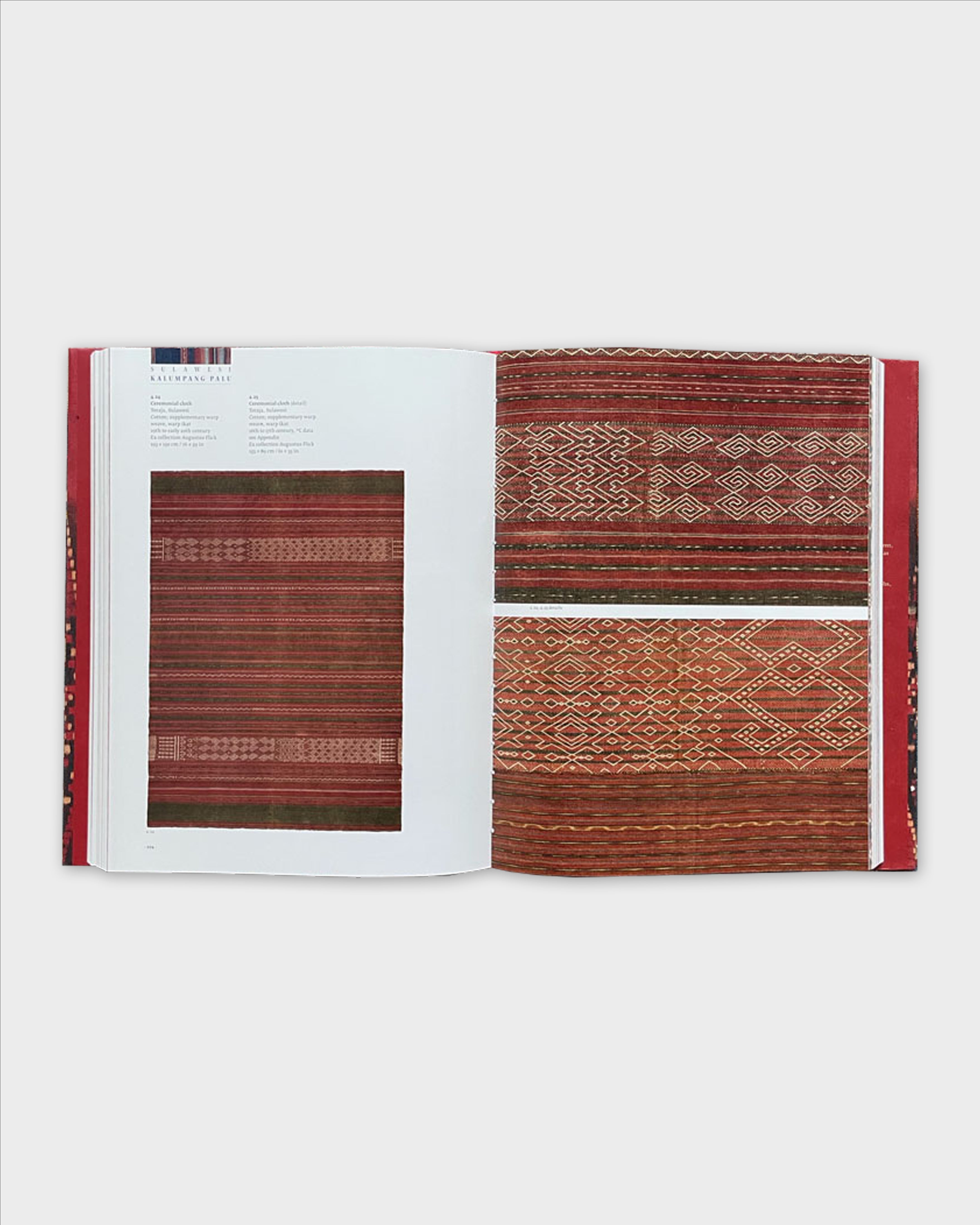
Sudpsuez Textiles of Indonesia: The Thomas Murray Collection
Written by Thomas Murray
Contributions by Lorraine V. Aragon, Joanna Barrkman, Christopher Buckley, Kristal Hale, Valerie Hector, Janet Alison Hoskins, Itie van Hout, Etsuko Iwanaga, Fiona Kerlogue, Eric Kjellgren, Brigitte Khan Majlis, Robyn Maxwell and Sandra Sardjono.
Drawn from one of the world's leading textile collections, this magnificently presented array of traditional weavings from the Indonesian archipelago provides a unique window into the region's cultures, rites, and history. Gathered over the course of four decades, the Thomas Murray collection of Indonesian textiles is one of the most important in the world. The objects comprise ritual clothing and ceremonial cloths that tell us much about the traditions of pre-Islamic Indonesian cultures, as well as the influences of regional trade with China, India, the Arab world, and Europe. As with the earlier volume, Textiles of Japan (Prestel, 2018), the book focuses on some of the finest cloths to come out of the archipelago, presenting each object with impeccable photographs.
Geographically arranged, this volume pays particular attention to textiles from the Batak and the Lampung region of Sumatra, the Dayak of Borneo, and the Toraja of Sulawesi, as well as rare textiles from Sumba, Timor, and other islands. Readers will learn about the intricate traditions of dyeing, weaving, and beading techniques that have been practiced for centuries. Original texts by international experts offer historical context, unspool the mysteries behind ancient iconography, and provide new insights into dating and provenance. At once opulent and scholarly, this book arrives at a moment of growing interest in Southeast Asian culture and carries the imprimatur of one of the art world's leading collectors.
With contributions from Lorraine V. Aragon, Joanna Barrkman, Christopher Buckley, Kristal Hale, Valerie Hector, Janet Alison Hoskins, Itie van Hout, Etsuko Iwanaga, Fiona Kerlogue, Eric Kjellgren, Brigitte Khan Majlis, Robyn Maxwell, Thomas Murray and Sandra Sardjono.
Published by HALI Books
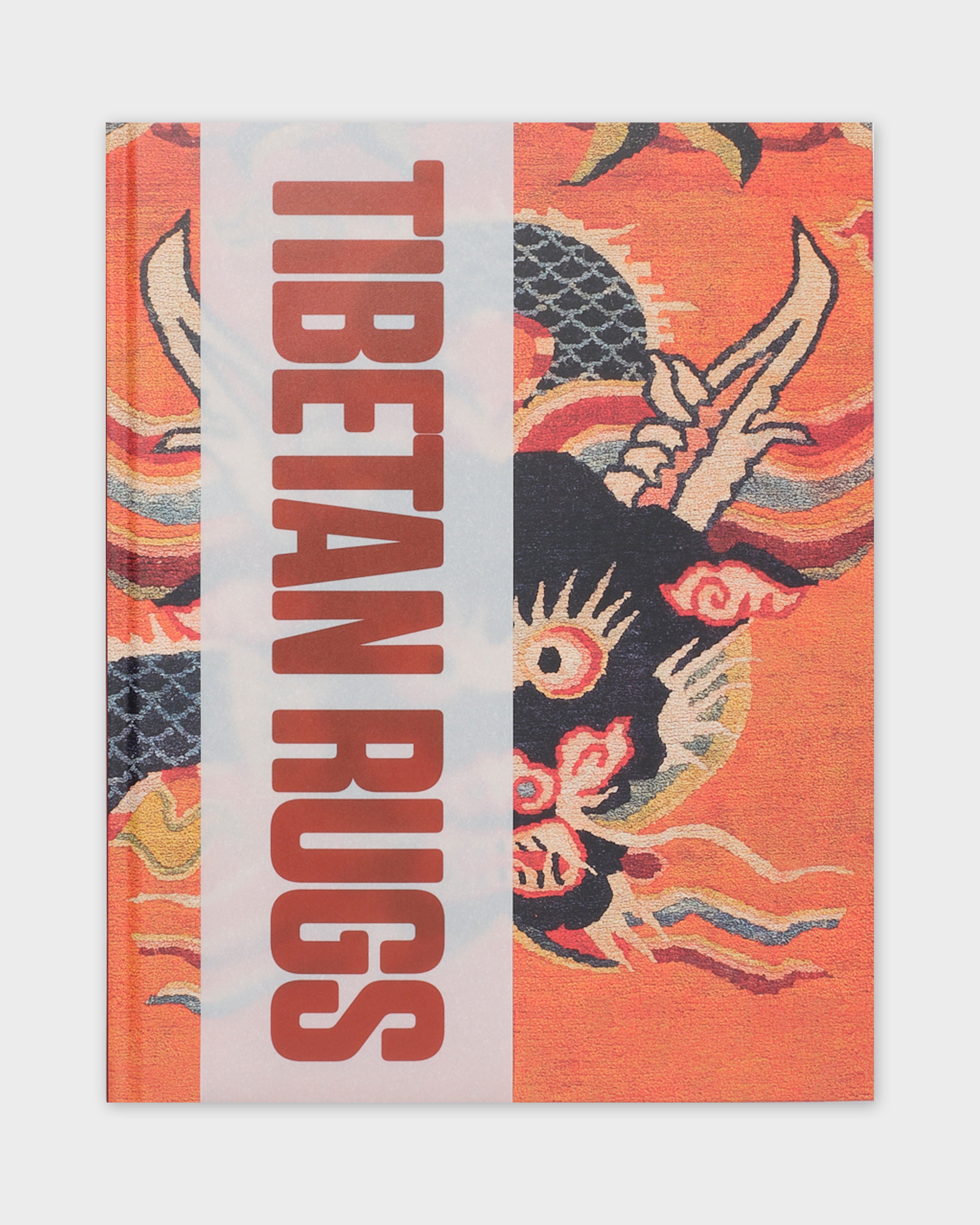
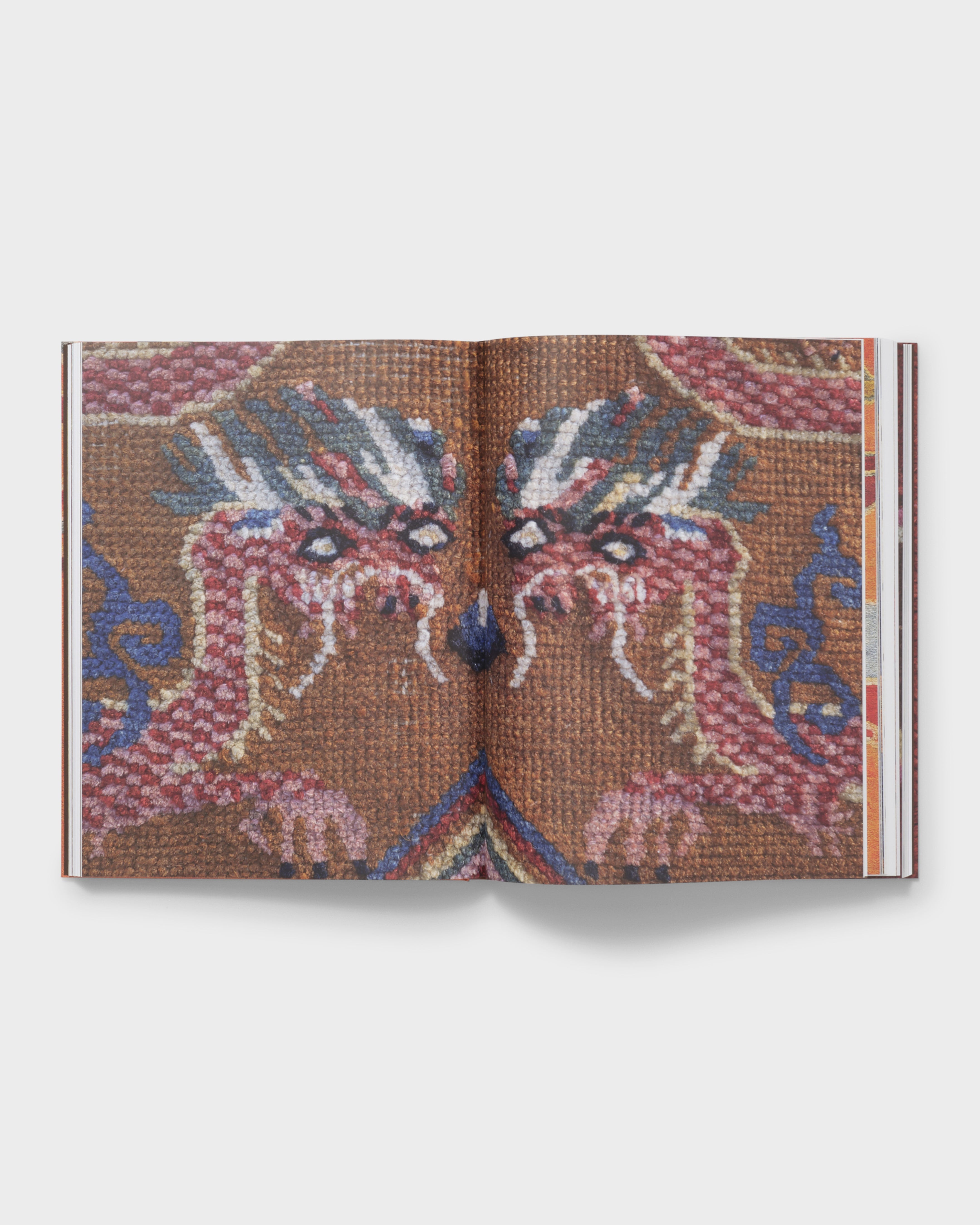
Sudpsuez Tibetan Rugs: The Rudi Molacek Collection
Words and Photographs by Rudi Molacek
Artist and photographer Rudi Molacek has assembled, with an artist's eye, an idiosyncratic collection of more than 300 Tibetan carpets, rugs, mats, seat-, bench- and saddle-covers. Between the 15th and the 20th centuries they were woven for both sacred and secular purposes by Tibetan nomads and villagers, and in the shadow of monastic centers across the Tibetan Plateau. The first volume presents Tibetan rugs intended for sitting, sleeping, meditation and horse riding, as well as those made to furnish the region's prestigious temples and monasteries ― an expression of the relative wealth and status of their owners. The second volume focuses on a group of so-called ‘Wangden' rural rugs, characterized by a unique weaving technique, some of which have been the subject of an illuminating exercise in radiocarbon dating to establish the antiquity of the tradition.
Published by HALI