
Words by Basilius Besler
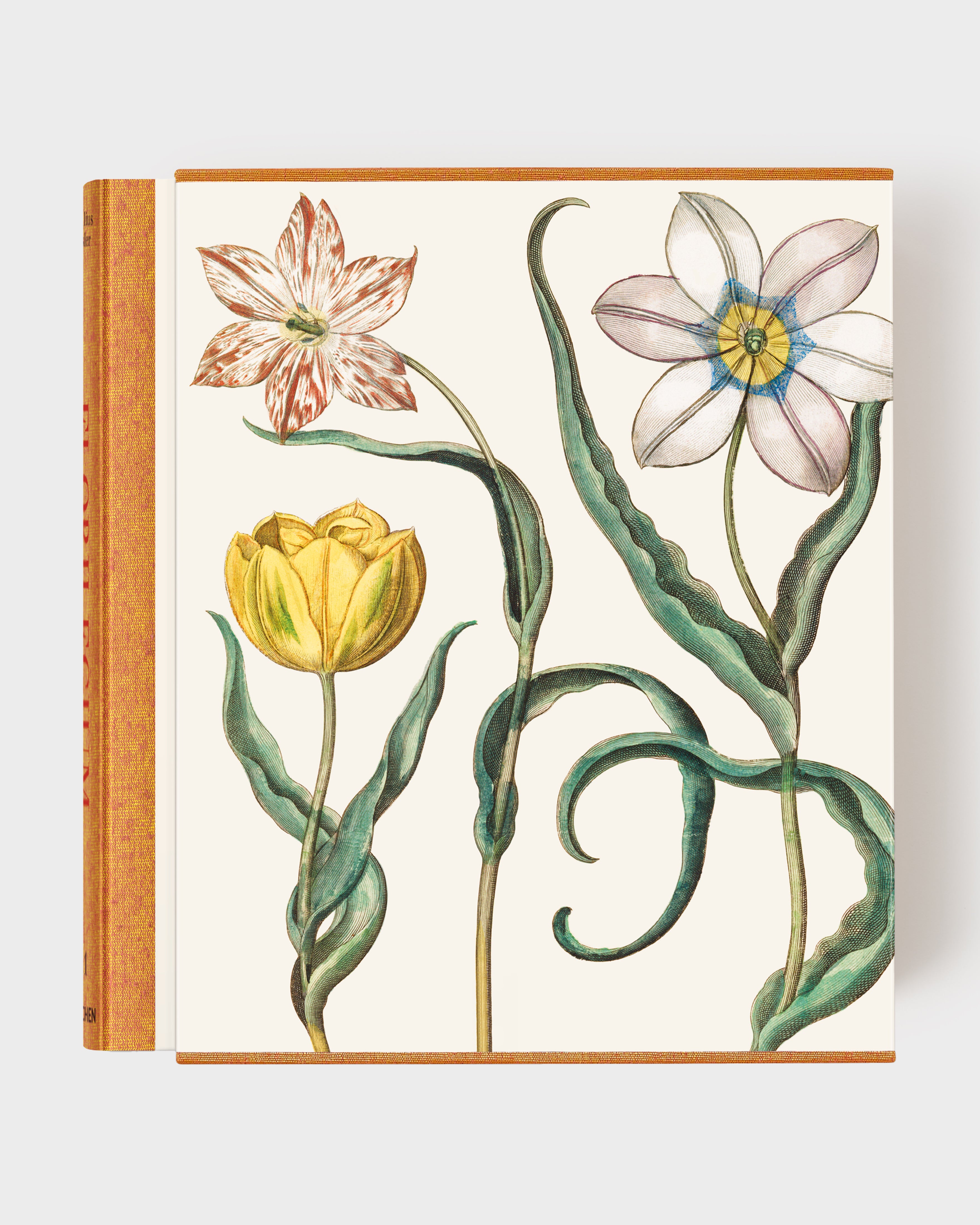
When Prince-Bishop Johann Konrad von Gemmingen (1593/95–1612) undertook a radical renovation of the Willibaldsburg Castle, overlooking the Altmühl River in Eichstätt, Bavaria, he also created a surrounding palatial pleasure garden of magnificence and grandeur. To preserve the garden for future generations – and provide an ‘evergreen’ record of its contents, compiling plants from all four seasons and presenting them in that order – he commissioned the garden’s director, Nuremberg apothecary Basilius Besler (1561–1629), and a team of engravers to immortalize its treasures in print.
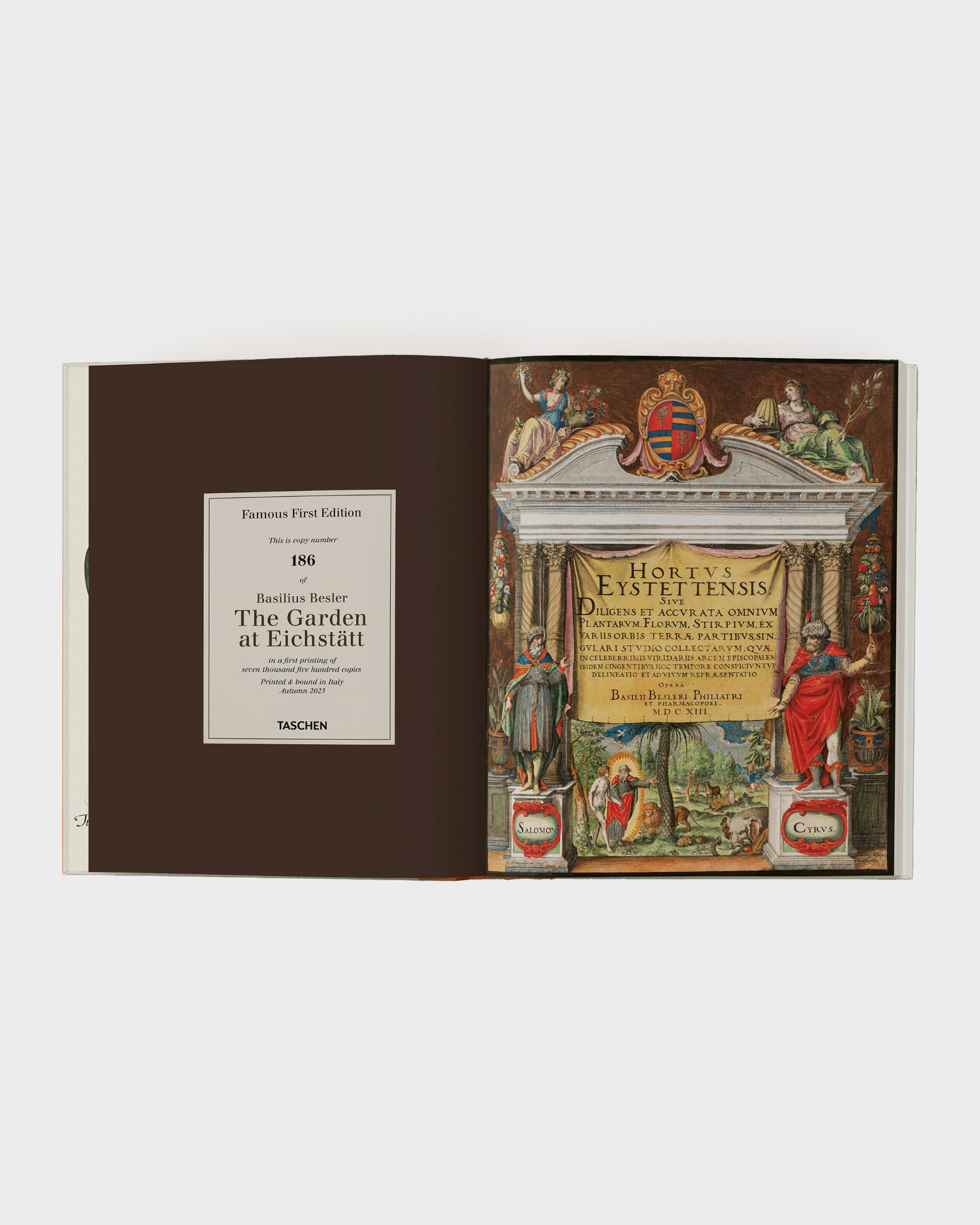
The resulting Hortus Eystettensis, published in Nuremberg in 1613 and containing 367 hand-colored plates and detailed descriptions, was a work of meticulous execution and spectacular diversity, and remarkably expensive for its time. As the garden contained a variety of plants imported from exotic locales, the three volumes exhibited a remarkable range, covering a total of 90 families and 340 genera. Due to the decorative, stylized execution of these illustrations, which began to see plants in aesthetic, rather than merely practical or medicinal terms, the book is seen as a milestone in the art of botanical illustration. While published before a time of standardized classification systems, it was nonetheless later described by Carl Linnaeus as an “incomparable work”.
Besler’s catalog long outlived the gardens, which were destroyed in 1634 by invading Swedish troops during the Thirty Years’ War. However, a lengthy redevelopment project at the historic site has culminated in the opening of the modern Bastion Garden in 1998, containing many of the plants shown in the Hortus Eystettensis.
Offering high-quality reproductions of these arresting illustrations, based on the copy of the Hortus Eystettensis at the University Library of Eichstätt-Ingolstadt, this facsimile edition is accompanied by detailed plate descriptions of each plant’s botanical, pharmaceutical, and symbolic significance and an appendix of further essays which place the garden and the book in their historical contexts.
This edition presents a valuable piece of botanical literature which, on the rare occasions where a copy appears on the market, can fetch prices of over $1,000,000 at auction. In line with Besler’s original intentions, this facsimile unfurls the garden to a wider audience and captures it for posterity.
Published by Taschen
Words by Pierre Arizzoli-Clementel
Illustrations by Alexandre Serebriakoff
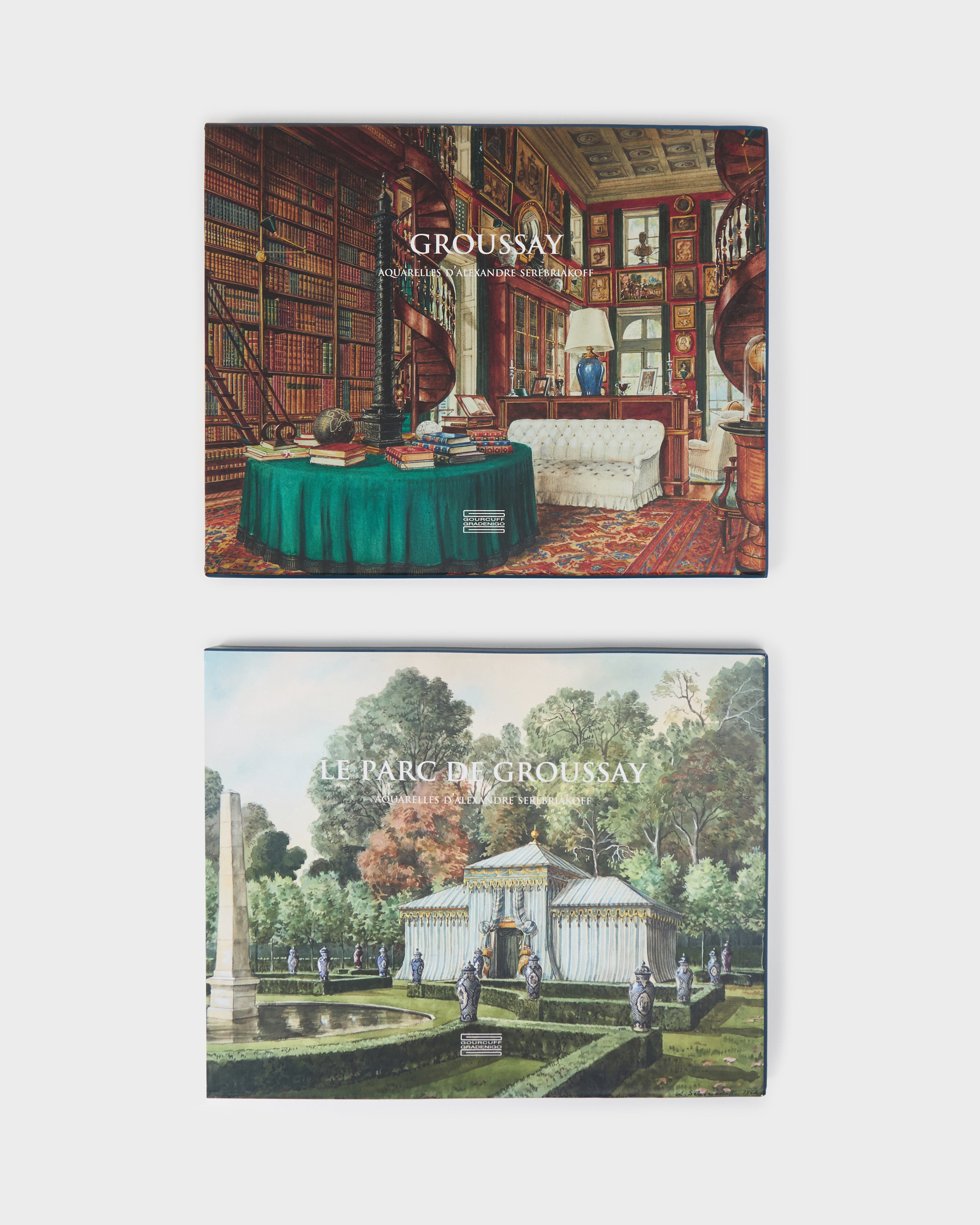
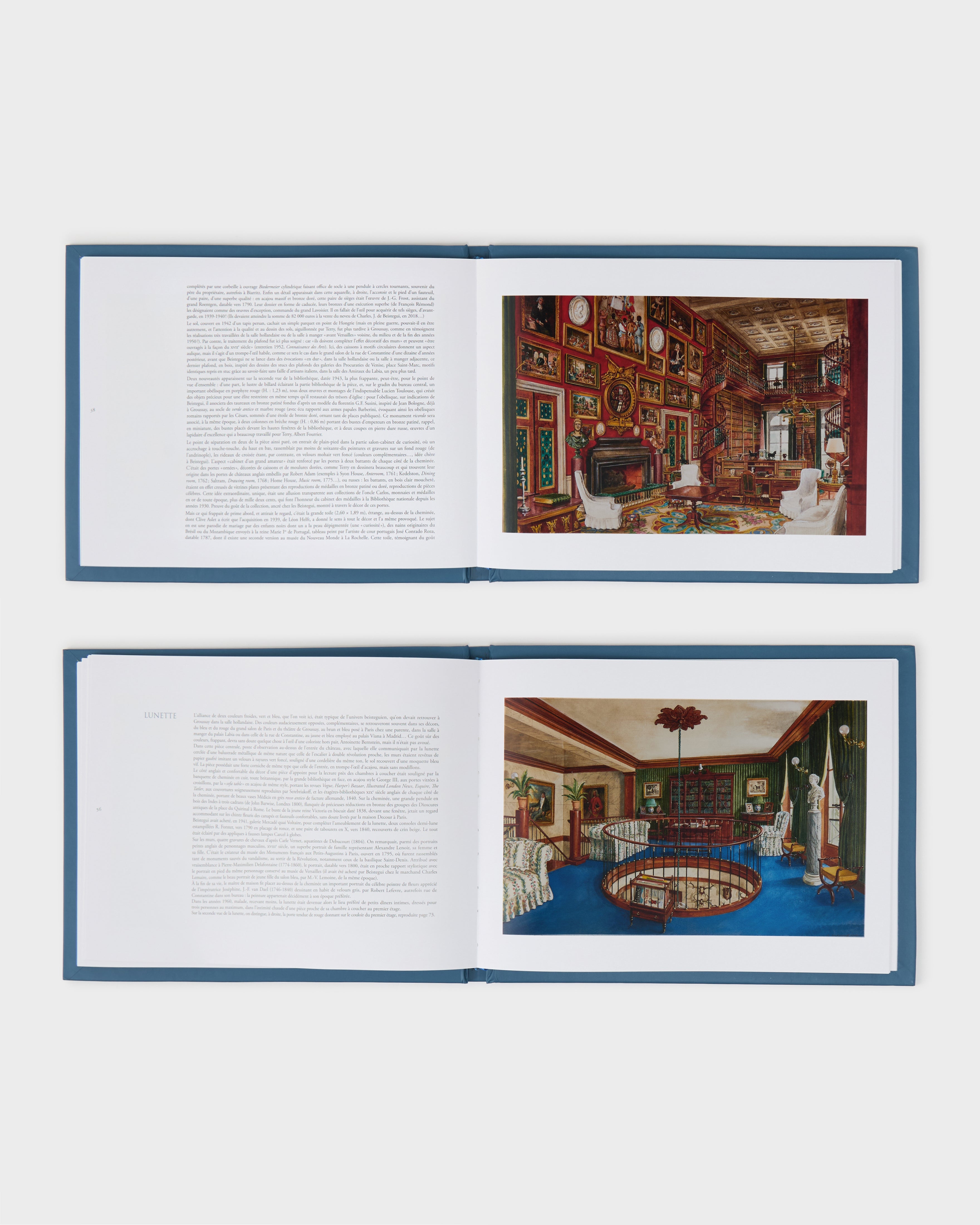
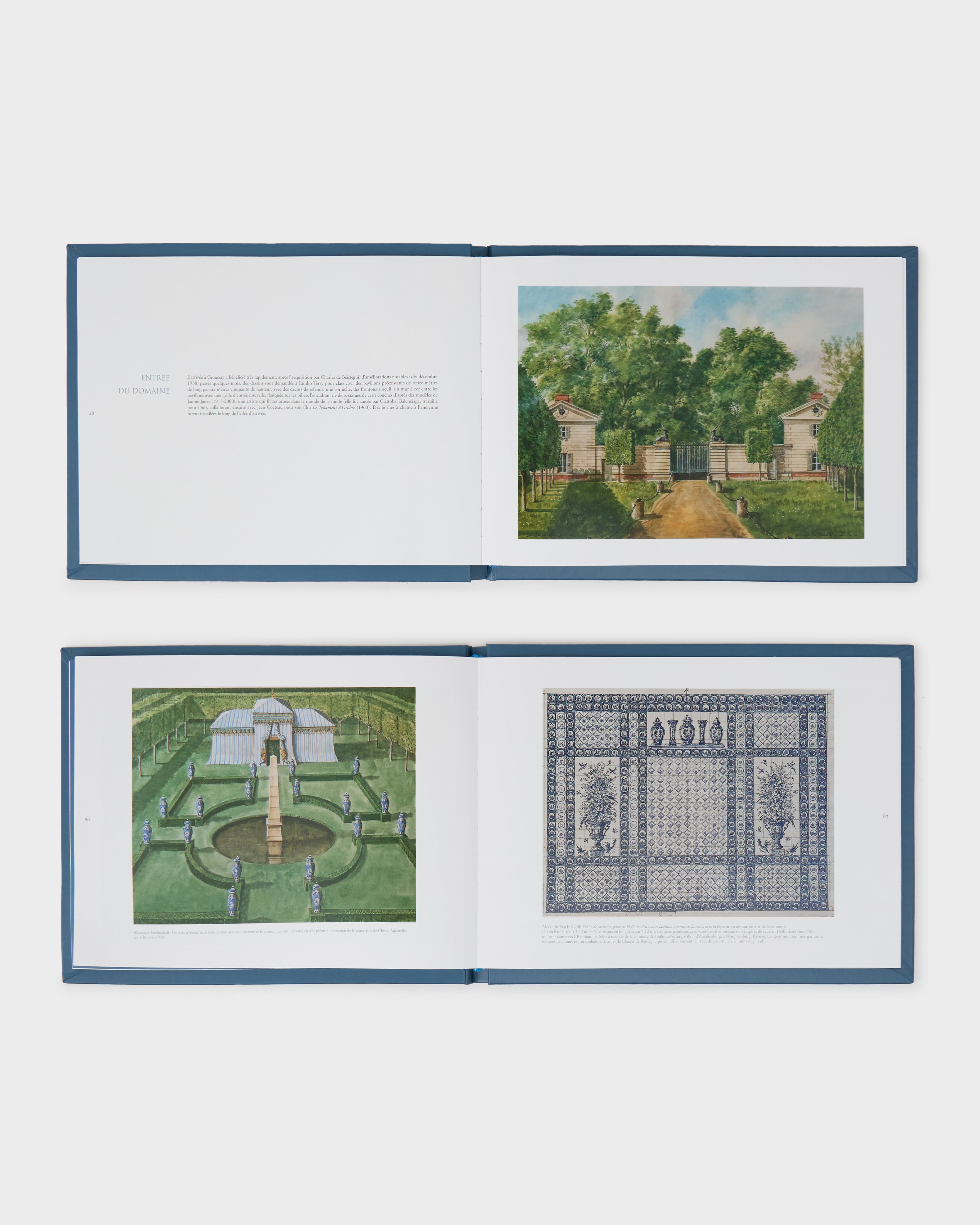
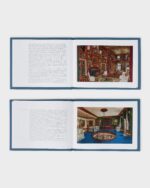
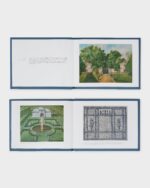
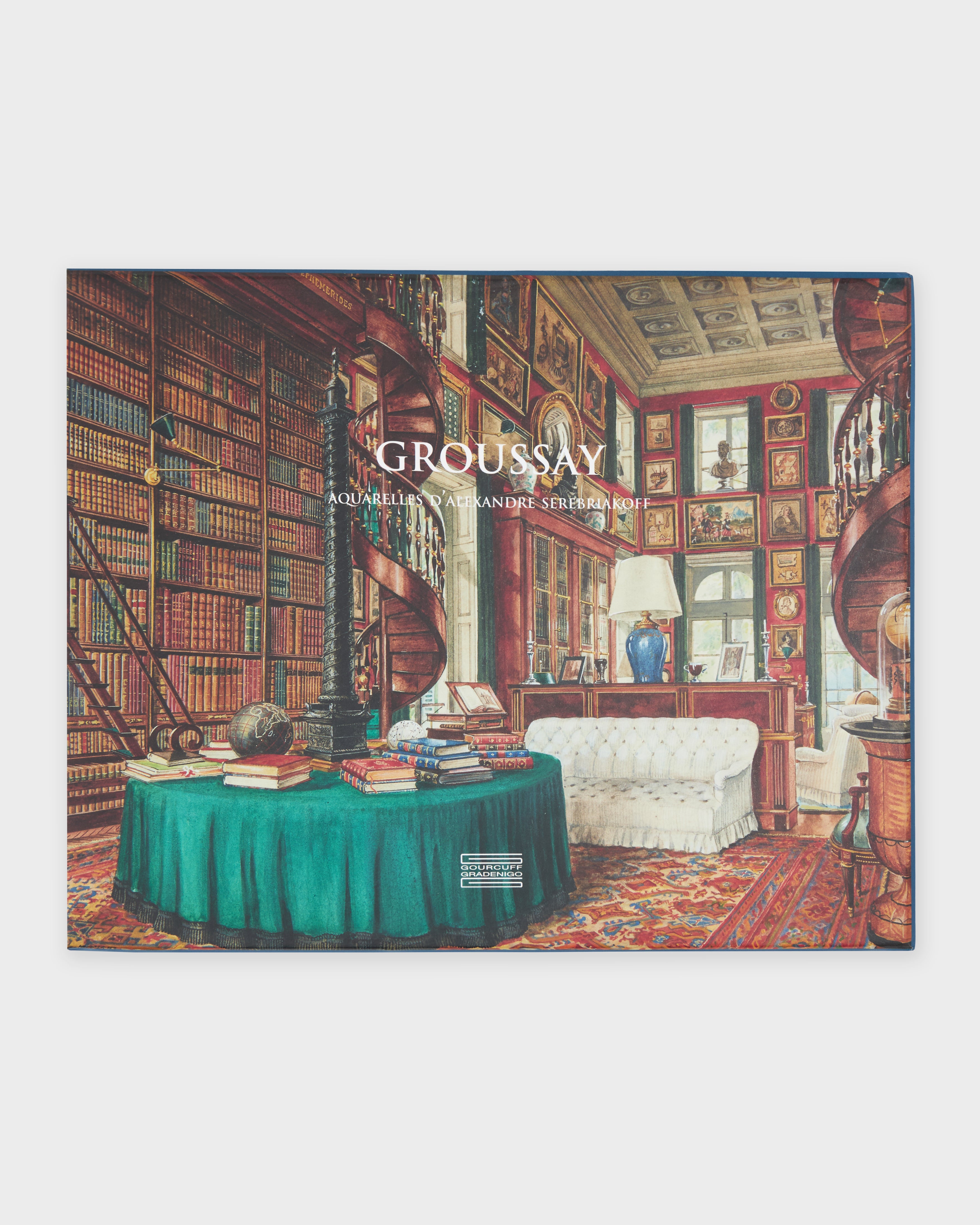
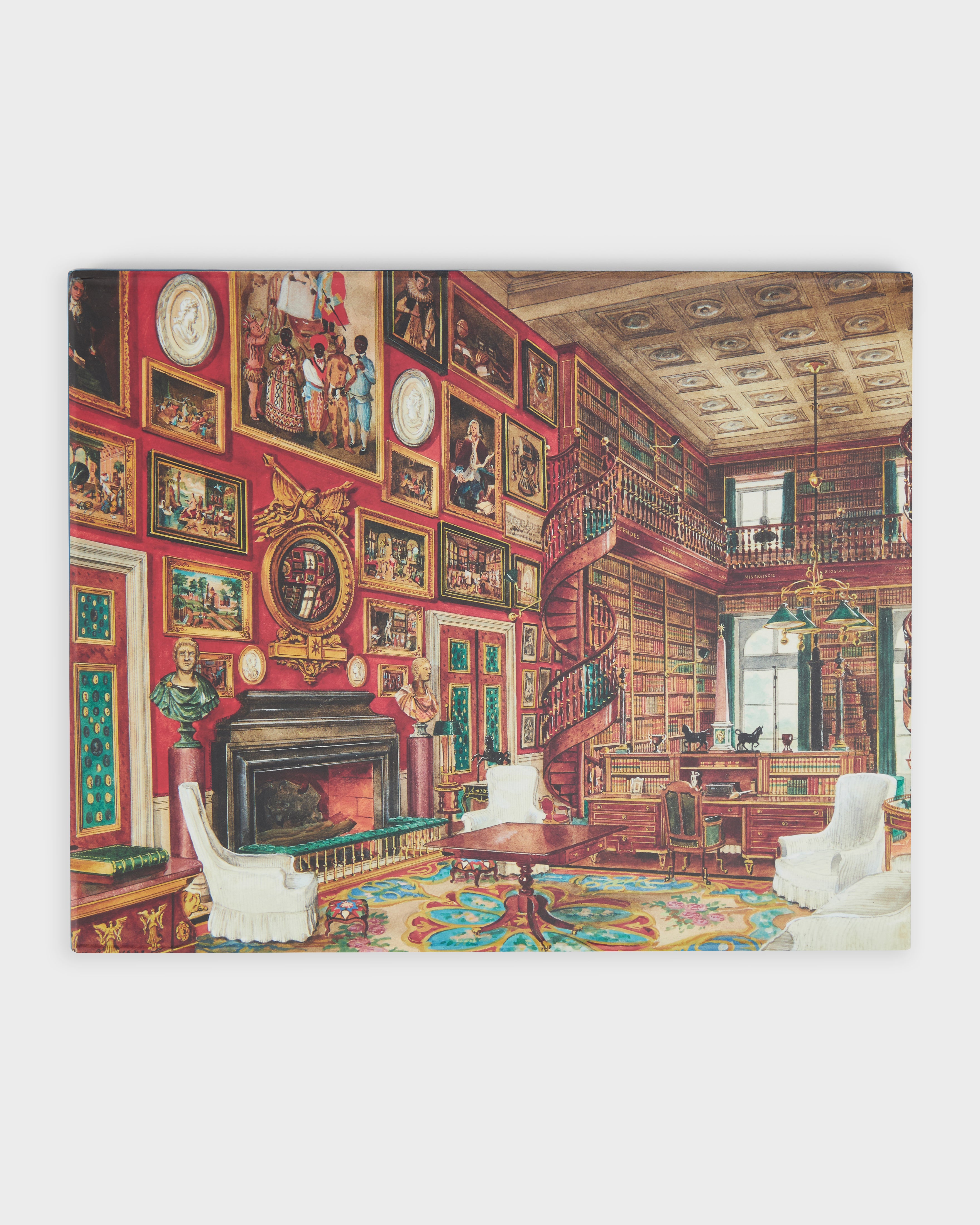
An album of Alexandre Serebriakoff's watercolours of Charles de Beistegui's Chateau de Groussay. Groussay's interiors were some of the most significant of the 20th century, created by Beistegui with the aid of Emilio Terry. The double-height library was the inspiration behind Cecil Beaton's design for Henry Higgin's library in My Fair Lady. Serebriakoff was commissioned to create a series of exquisite watercolours of each room. The resulting 35 artworks are reproduced here. Pierre Arizzoli-Clementel provides a history of the house and a commentary on the decoration of each room.
Published by GOURCUFF GRADEN
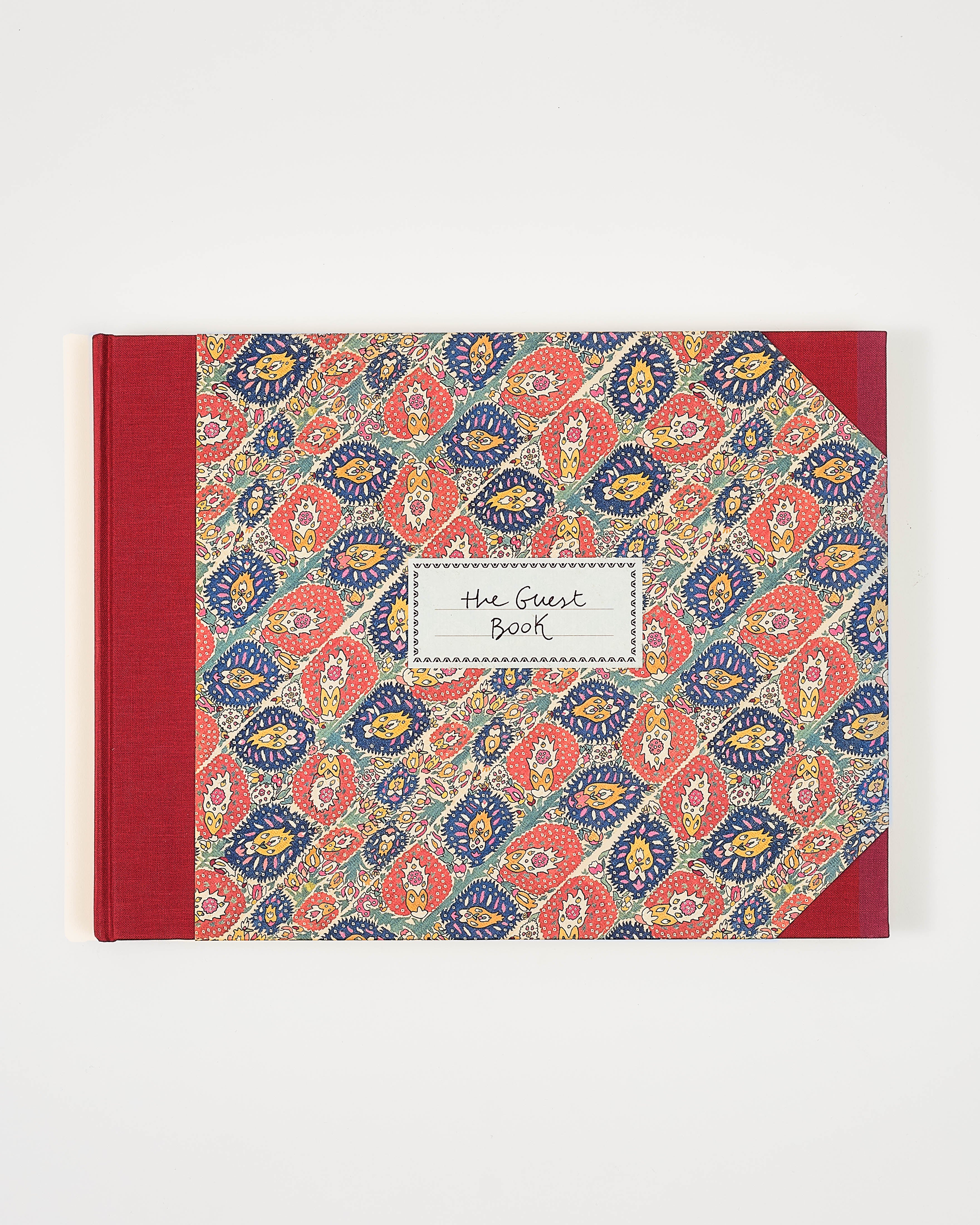
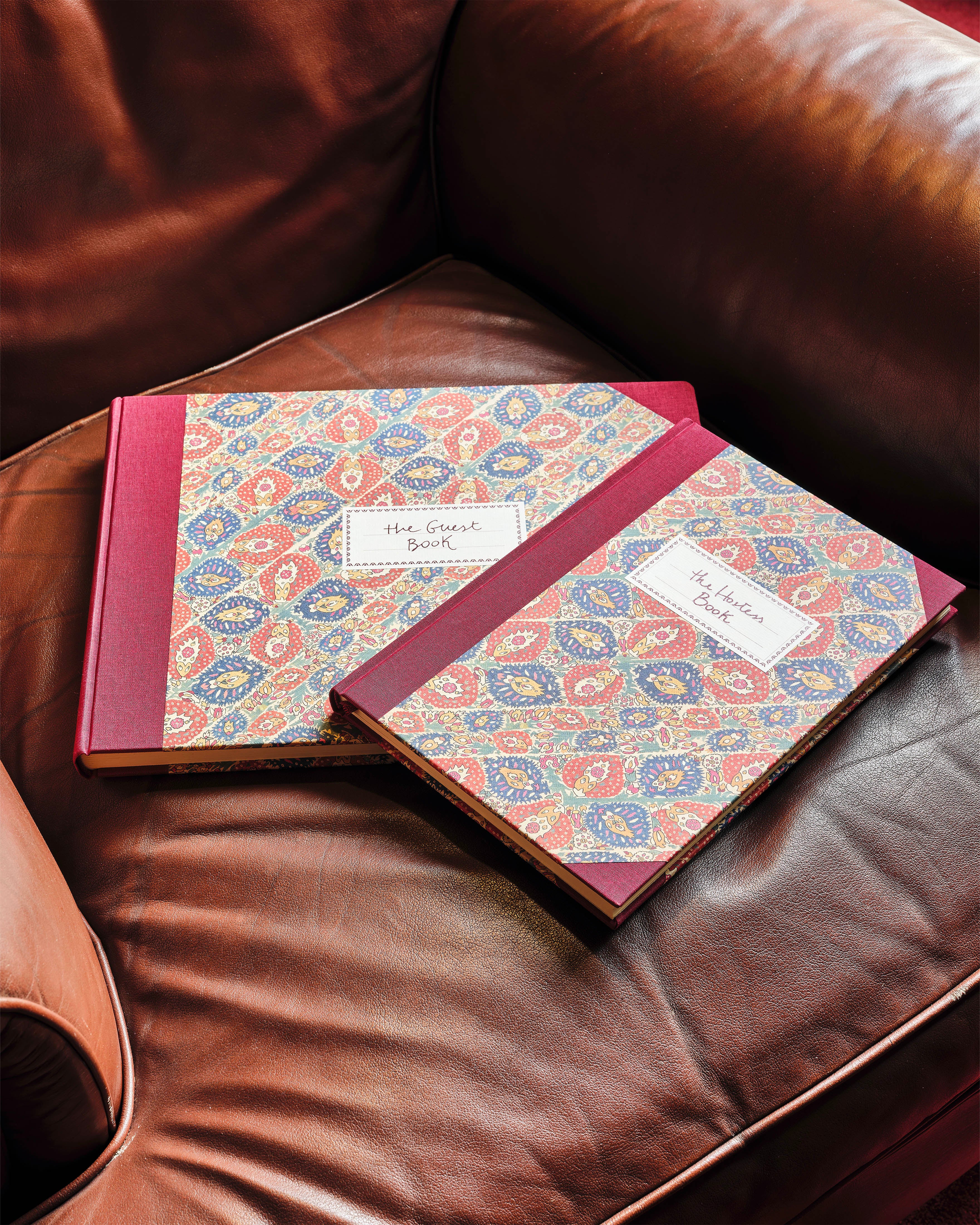
Printed in Italy, our Guest Book is a perfect way to chronicle the visitors to your home and preserve those written memories. Each book features 320 pages (640 sides) of plain cream pages to store names, dates and well wishes and features a hardcover wrapped in our Ioannina pattern, inspired by an antique textile from the archives of the Benaki Museum. The Guest Book makes for a thoughtful gift, and is one that your host is sure to use.
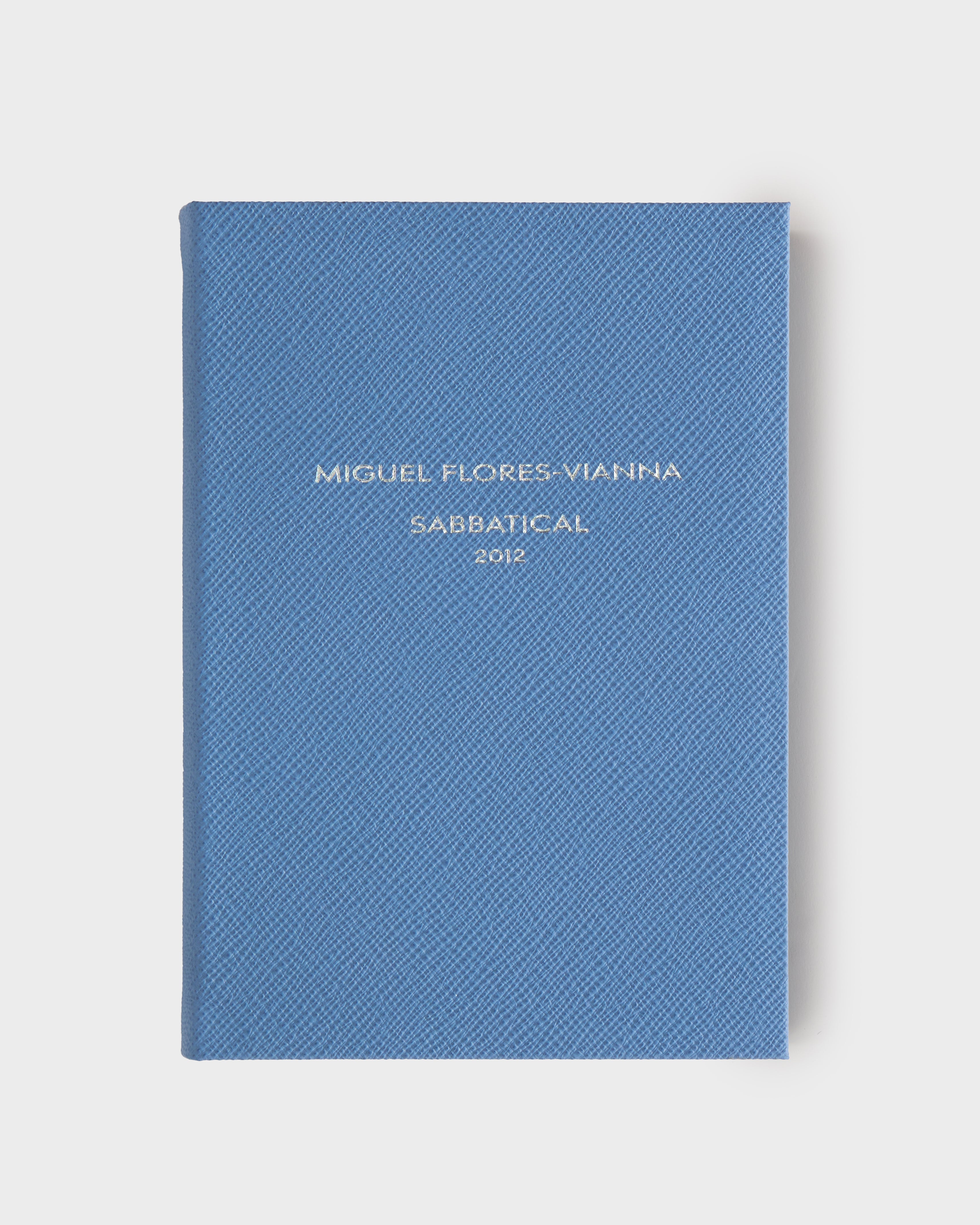
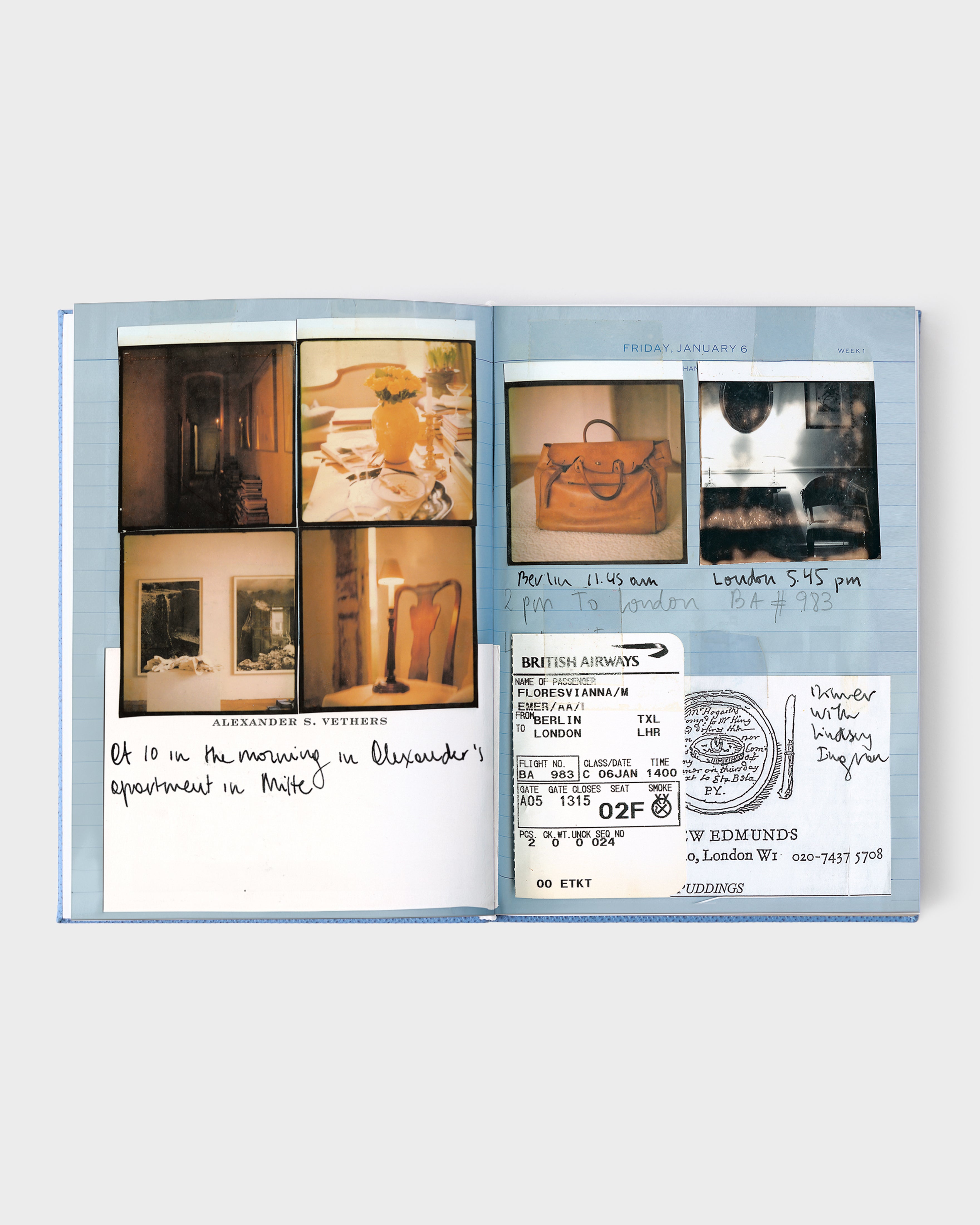
Words by Miguel Flores-Vianna
Published by Cabana
Renowned photographer and Deputy Editor of Magazine, Miguel Flores-Vianna, invites readers into his most personal work to date: Sabbatical 2012. This intimate volume is a faithful reproduction of the handwritten diary that marked a turning point in Miguel’s life. Capturing the essence of a transformative year, every polaroid, note, and even the occasional spelling mistake has been preserved—just as it was first recorded.
Encased in a custom Nile Blue Smythson cover, the book pays homage to Miguel’s original diary and his 30-year relationship with the iconic British stationer. With words, text, and images by Miguel Flores-Vianna and a foreword by Deborah Needleman, Sabbatical 2012 is a poignant reflection on creativity, change, and the quiet beauty of the everyday.
Meet Miguel and get your own copy signed during our series of book signings! Click here to find out more.
Printed and bound by Nava Press srl

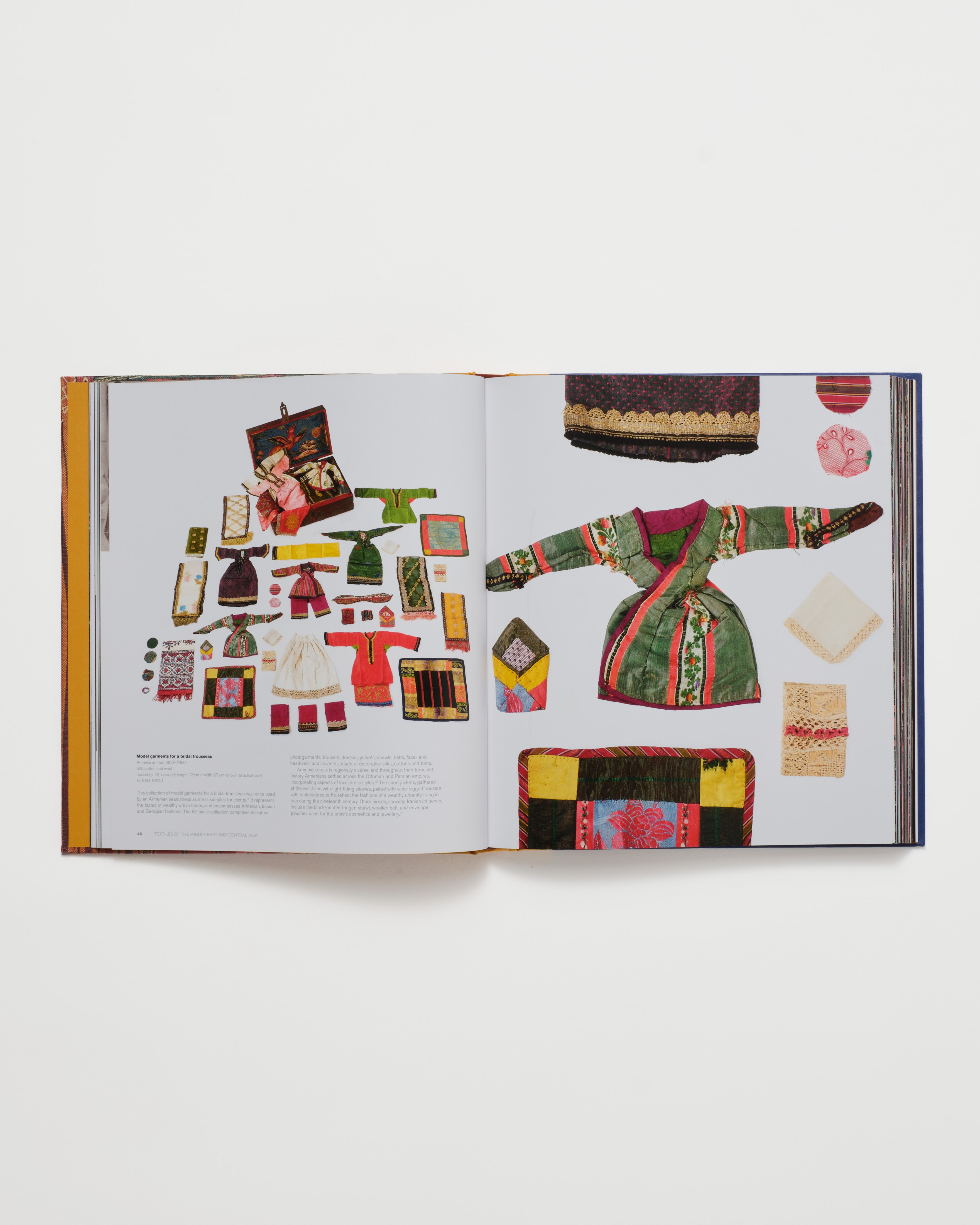
Words by Fahmida Sulehman
A beautifully illustrated exploration of the textile traditions of a culturally diverse region, from the late eighteenth century to the present day, featuring works from the extraordinary textile collection at the British Museum Textiles of the Middle East and Central Asia explores the significance and beauty of textiles from across the Middle East, Turkey, and Central Asia. This vast region has been the focus of population movements, exploration, and trade for thousands of years and is home to a wealth of textile traditions. From the intricate embroidery on a Palestinian wedding dress to the complex iconography on an Afghan war rug, textiles reflect the beliefs, practices, and experiences of people from these lands. The book is arranged thematically with pieces grouped according to their purpose or meaning, enabling, for example, the comparison of domestic furnishings, wedding attire, and children’s garments from across the region. The book also includes contemporary works that grapple with modern political issues. The textiles featured include male and female garments, hats and headdresses, rugs and felts, children’s clothing, dolls, tent hangings, amulets and animal harnesses. Focusing on the British Museum’s remarkable collection, Textiles of the Middle East and Central Asia offers a wealth of creative inspiration and will be essential reading for anyone interested in textiles and the cultures of the Middle East and Central Asia.
No account yet?
Create an Account