
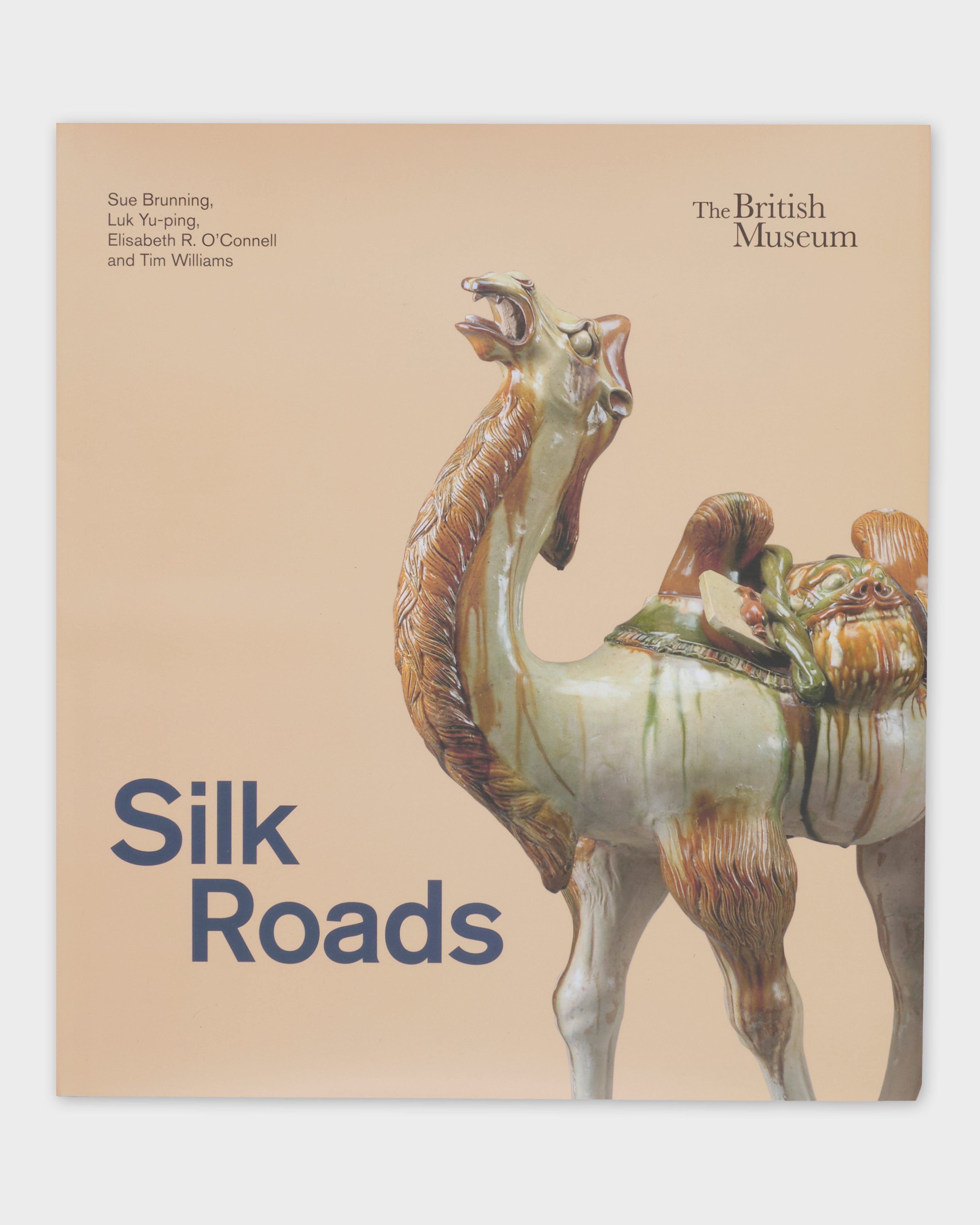
Sudpsuez British Museums: Silk Roads
Words by Sue Brunning, Luk Yu-ping, Elisabeth R. O’Connell
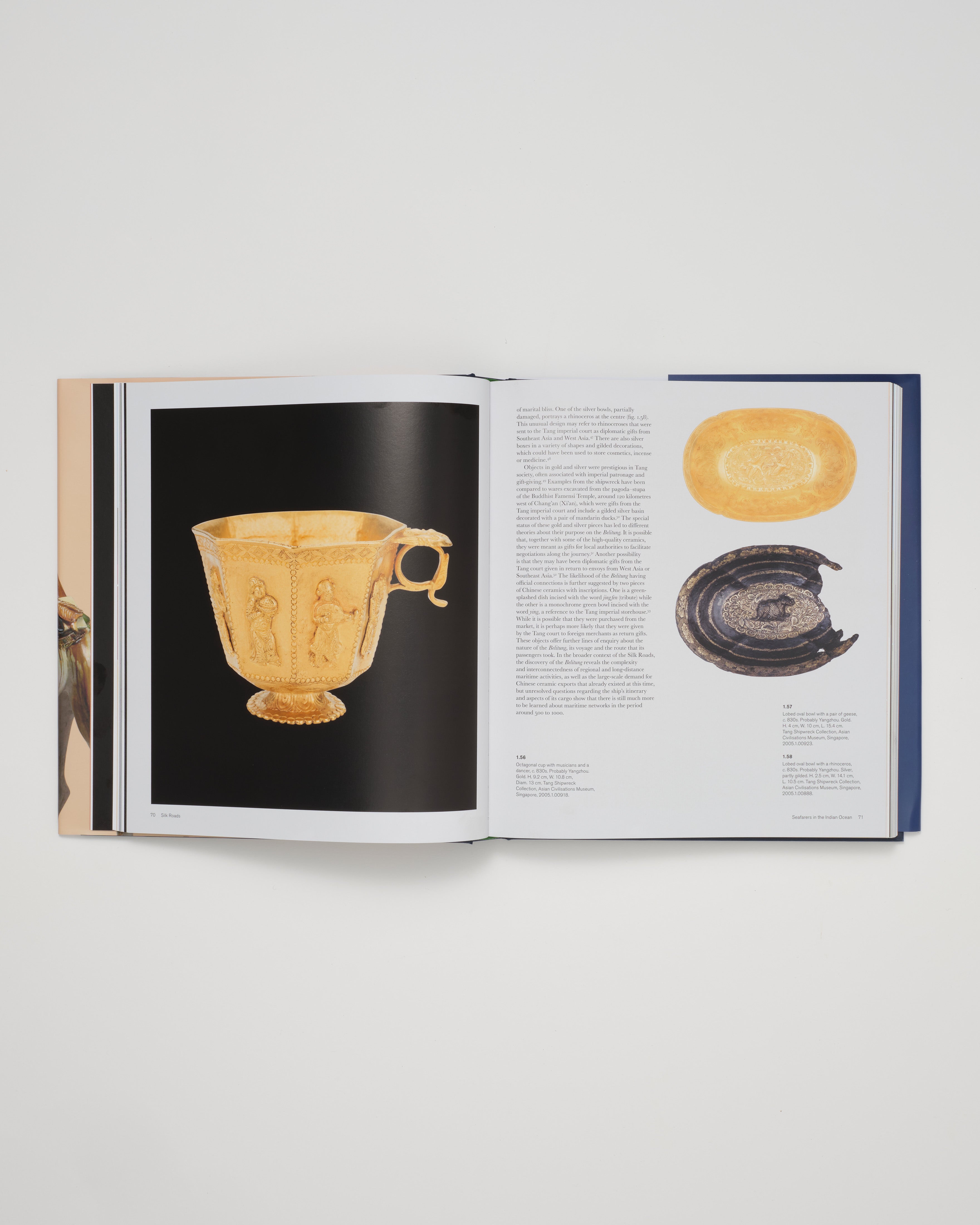
‘The true soul of this new exhibition has been encapsulated within a single book, a treasure trove of stories, images, and insights that brought the ancient trade routes to life.’ – .Cent magazine A richly illustrated publication that explores the networks of contacts and exchanges spanning Afro-Eurasia from 500 to 1000 ce, highlighting how the movement of people, objects and ideas shaped cultures and histories. The term ‘Silk Road’ conjures a range of romantic images. Camel caravans crossing desert dunes. Merchants trading silk and spices. Far-flung commerce between ‘East’ and ‘West’. The reality was far richer. Focusing on a defining period between 500 and 1000 CE, this beautifully illustrated book reimagines the Silk Roads as a web of interlocking networks linking Asia, Africa and Europe, from Japan to Ireland, from the Arctic to Madagascar. It tells a remarkable story of people, objects and ideas flowing in all directions, through the traces these journeys left behind – including ceramics from Tang China recovered from a shipwreck in the Java Sea, sword-fittings set with Indian garnets buried in England, and a selection of letters and legal texts from a synagogue in Cairo revealing a Jewish community’s links from India to al-Andalus. Woven throughout, encounters with various peoples active on the Silk Roads, from seafarers to Sogdians, Aksumites and Vikings, reveal the human stories, innovations and transfers of knowledge that emerged, shaping cultures and histories across continents centuries before the formation of today’s globalised world.
Published by Flammarion
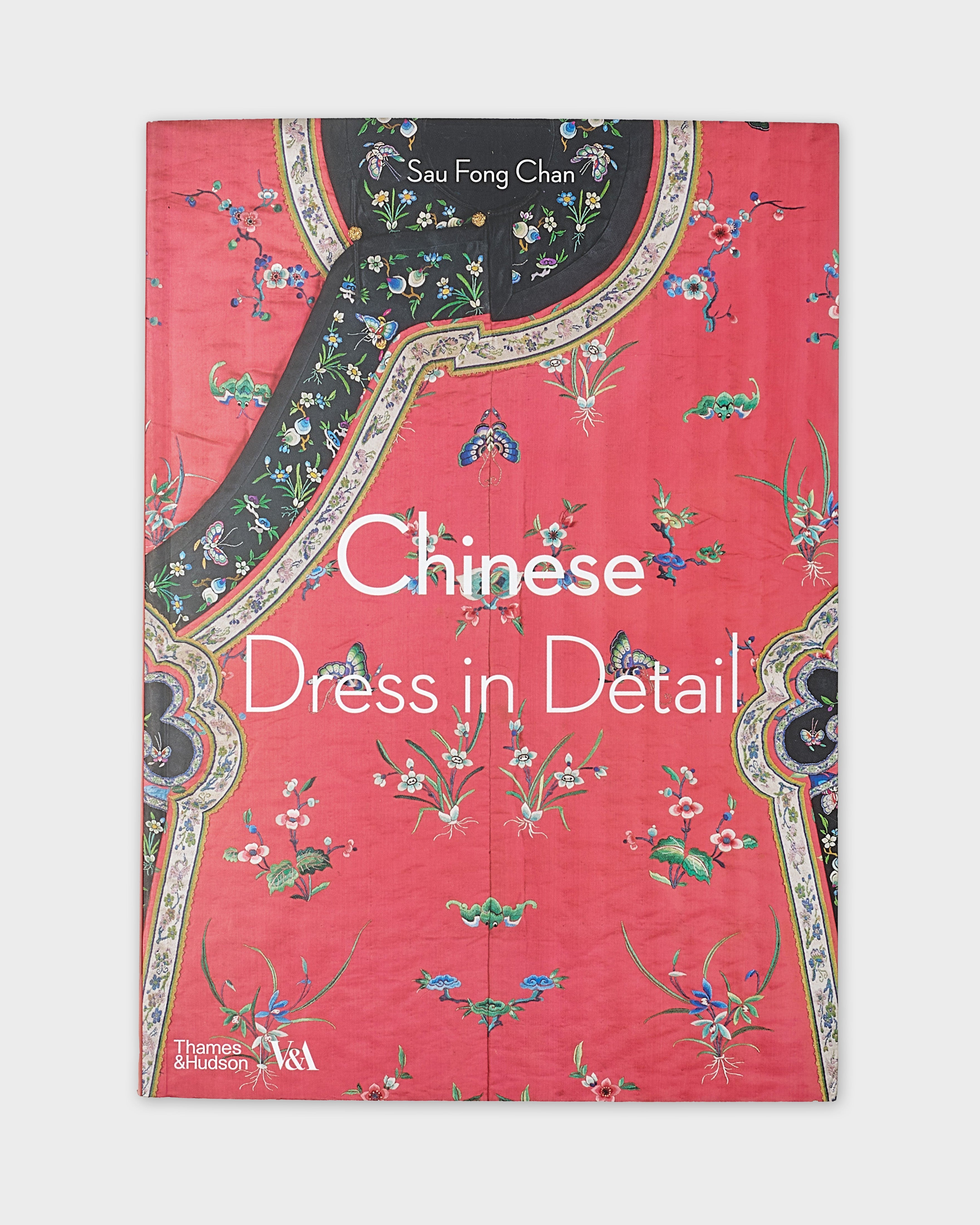
Sudpsuez Chinese Dress in Detail by Sau Fong Chan
Words by Sau Fong Chan
Photographs by Sarah Duncan
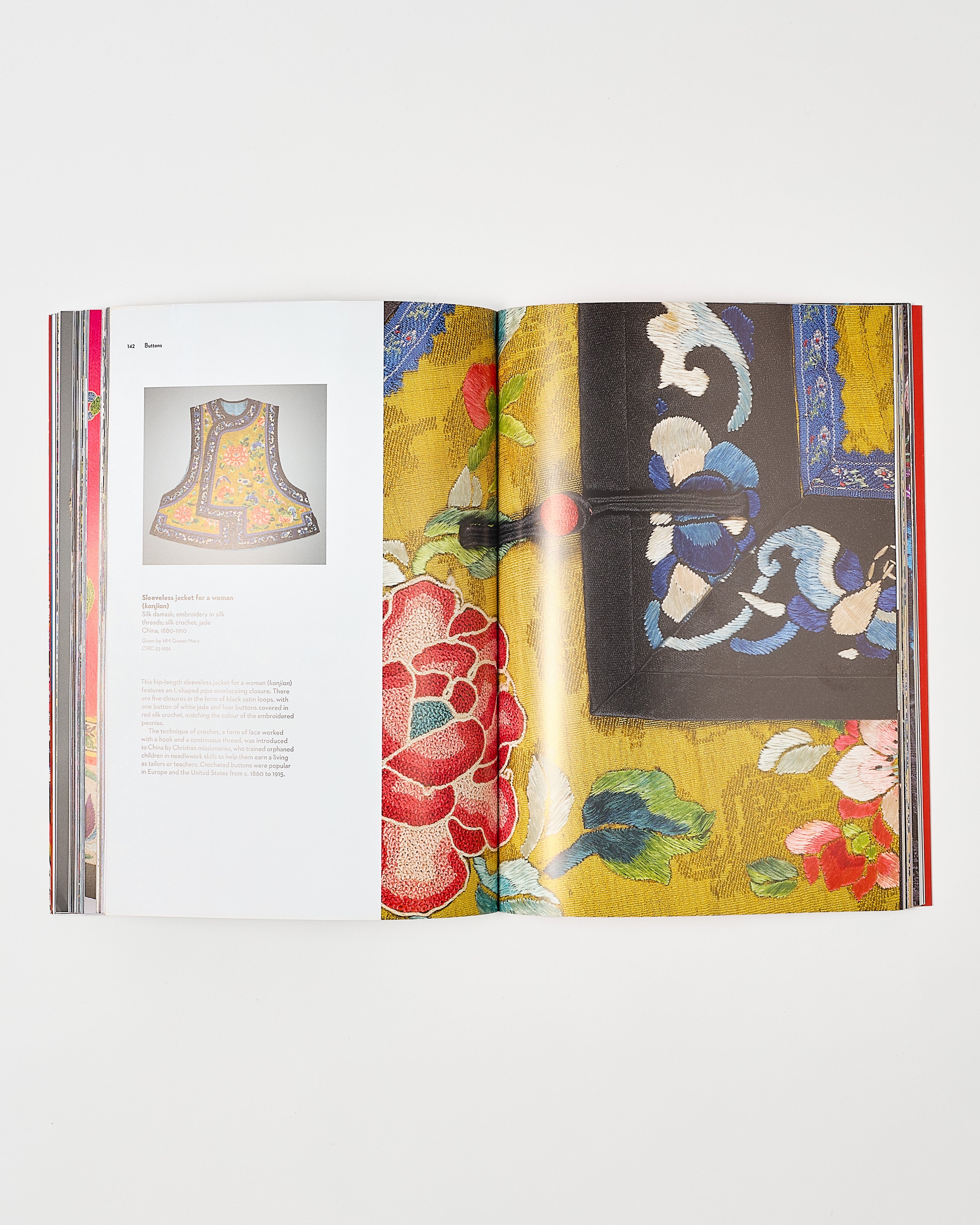
Chinese Dress in Detail reveals the beauty and variety of Chinese dress for women, men, and children, both historically and geographically, showcasing the intricacy of decorative embroidery and rich use of materials and weaving and dyeing techniques. The reader is granted a unique opportunity to examine historical clothing that is often too fragile to display, from quivering hair ornaments, stunning silk jackets and coats, festive robes, and pleated skirts, to pieces embellished with rare materials such as peacock-feather threads or created through unique craft skills, as well as handpicked contemporary designs.
A general introduction provides an essential overview of the history of Chinese dress, plotting key developments in style, design, and mode of dress, and the traditional importance of clothing as a social signifier, followed by eight thematic chapters that examine Chinese dress in exquisite detail from head to toe. Each garment is accompanied by a short text and detailed photography; front-and-back line drawings are provided for key items.
An extraordinary exploration of the splendour and complexity of Chinese garments and accessories, Chinese Dress in Detail will delight all followers of fashion, costume, and textiles.
Sudpsuez Cloth That Changed The World by Sarah Fee
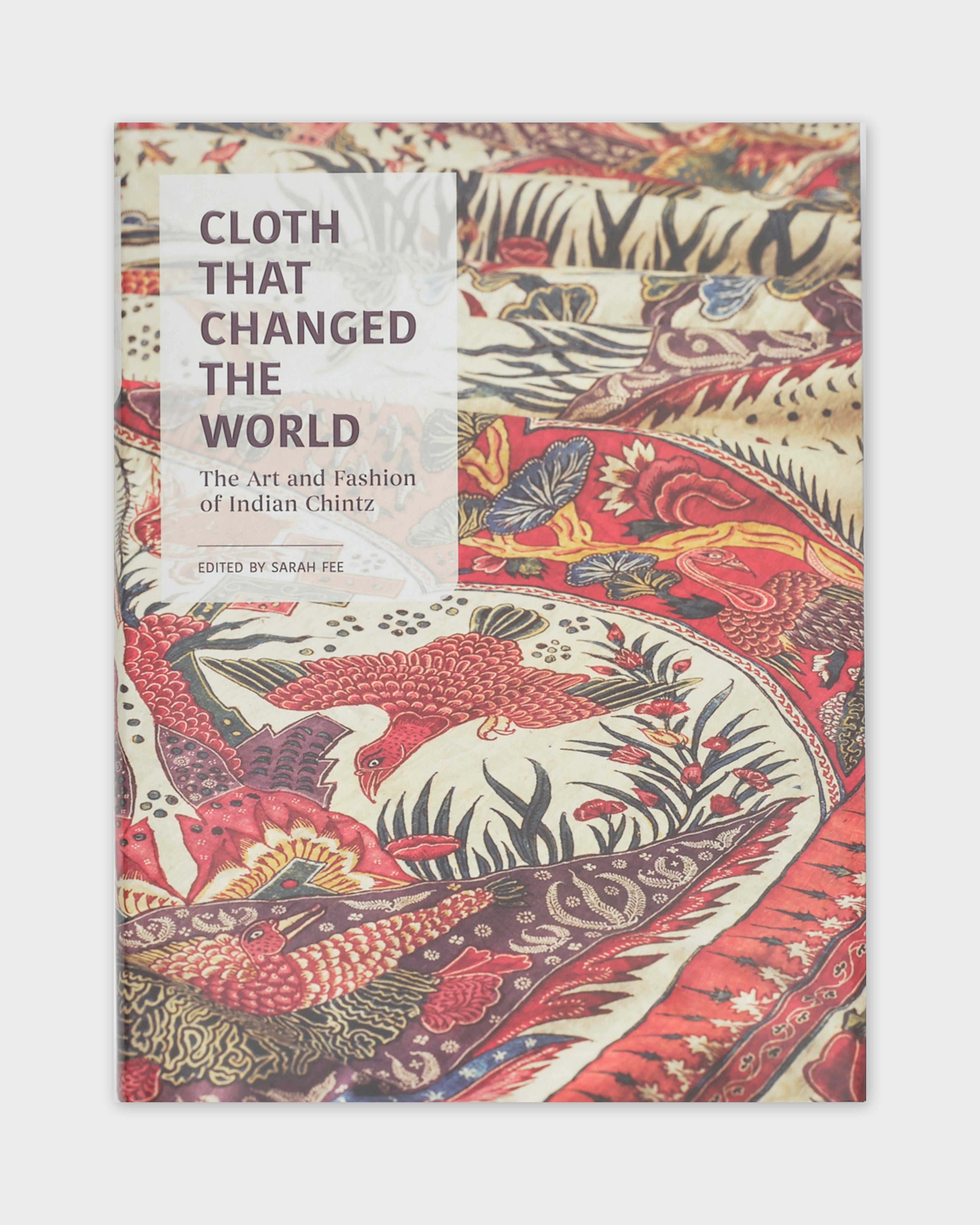
Edited by Sarah Fee
The story of India’s exuberantly colored textiles that made their mark on design, technology, and trade around the world
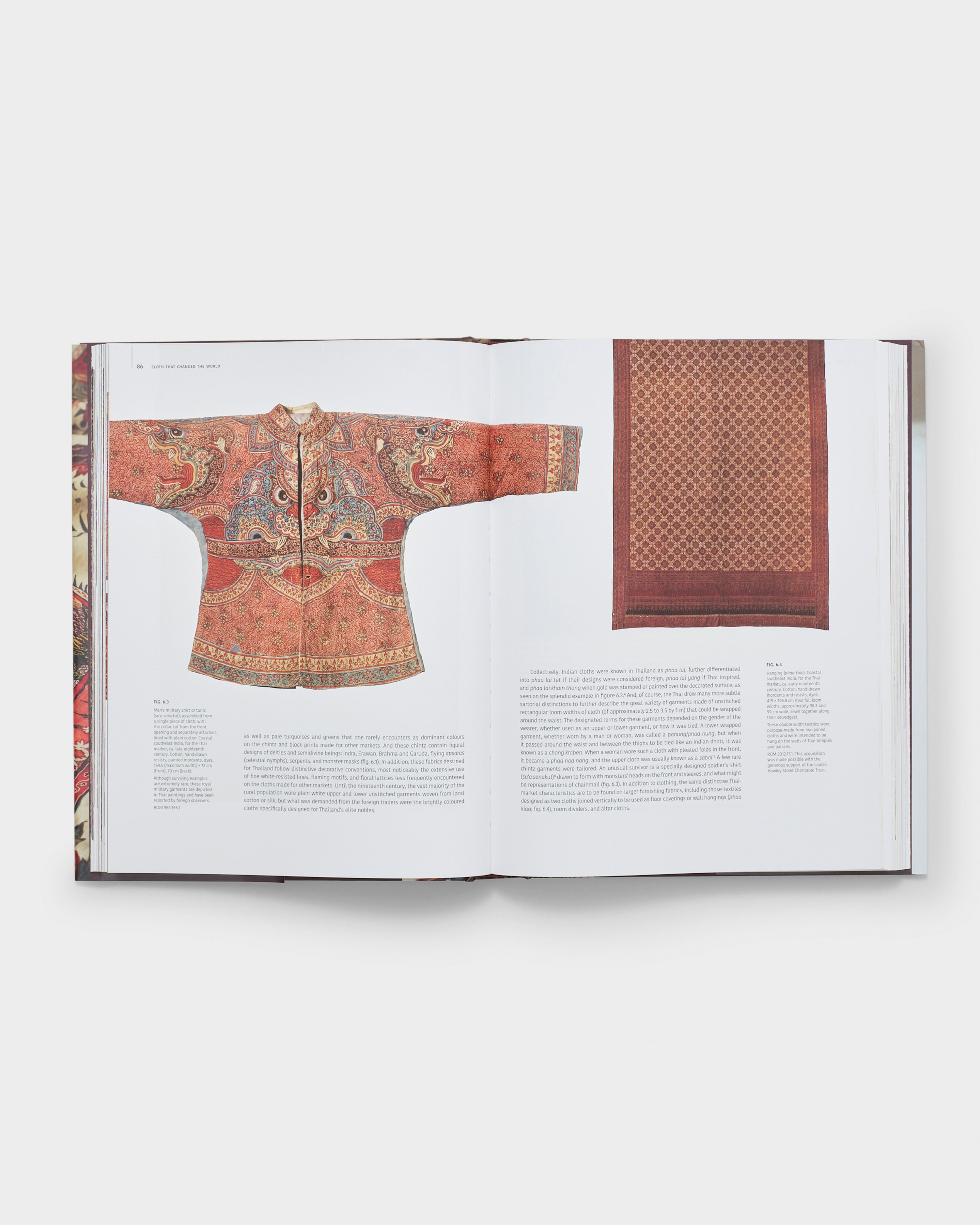
Chintz, a type of multicolored printed or painted cotton cloth, originated in India yet exerted influence far beyond its home shores: it became a driving force of the spice trade in the East Indies, and it attracted European merchants, who by the 17th century were importing millions of pieces. In the 18th century, Indian chintz became so coveted globally that Europeans attempted to imitate its uniquely vibrant dyes and design—a quest that eventually sparked the mechanical and business innovations that ushered in the Industrial Revolution, with its far-reaching societal impacts.
This beautifully illustrated book tells the fascinating and multidisciplinary stories of the widespread desire for Indian chintz over 1,000 years to its latest resurgence in modern fashion and home design. Based on the renowned Indian chintz collections held at the Royal Ontario Museum, the book showcases the genius of Indian chintz makers and the dazzling variety of works they have created for specialized markets: religious and court banners for India, monumental gilded wall hangings for elite homes in Europe and Thailand, luxury women’s dress for England, sacred hangings for ancestral ceremonies in Indonesia, and today’s runways of Lakme Fashion Week in Mumbai.

Sudpsuez David Hicks: A Life of Design
Words by Ashley Hicks
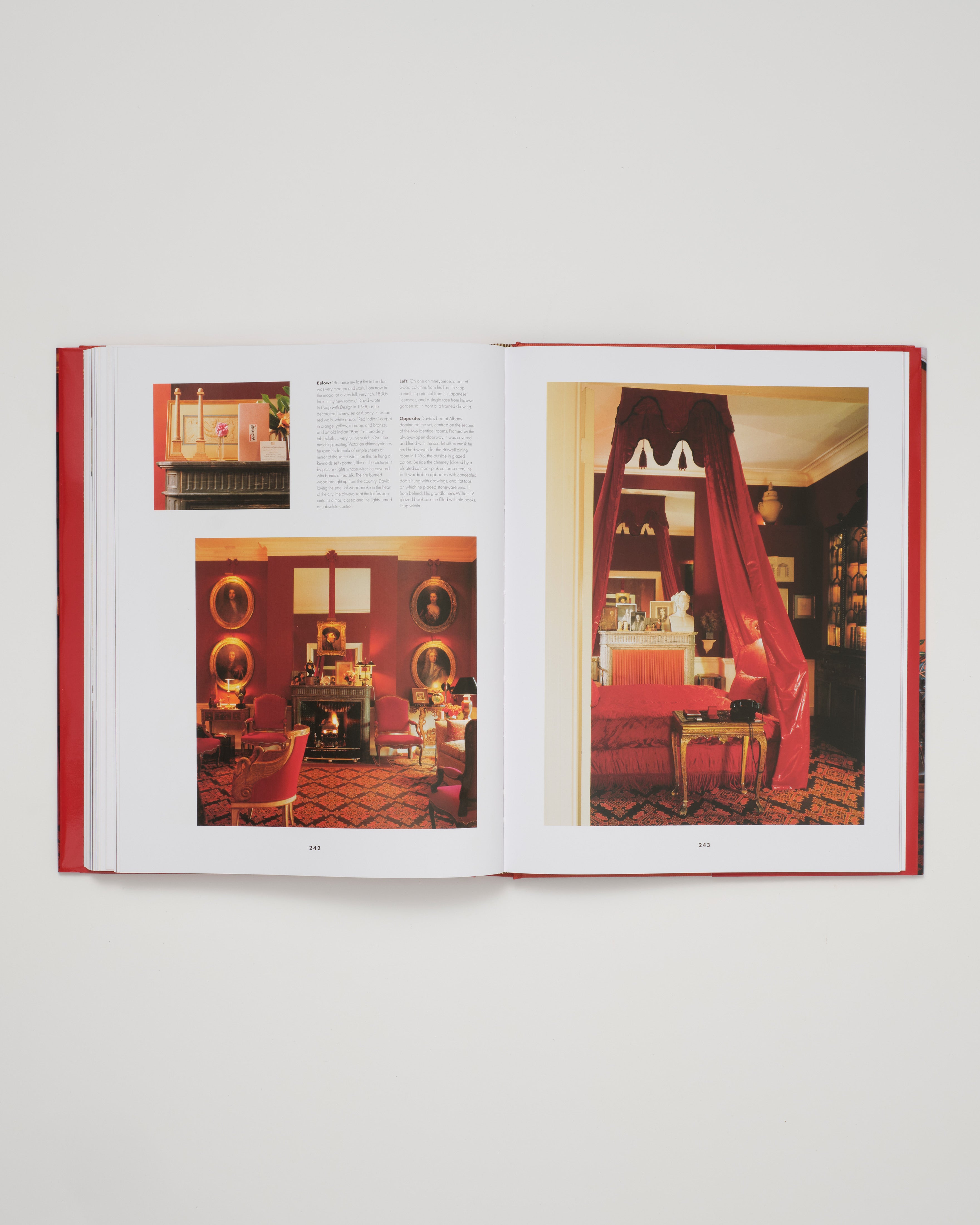
Back in print for the first time in years, this classic of interior-design history showcases the masterful work of David Hicks (1929–1998), who is acknowledged as one of the most important designers of the late twentieth century, in the company of Billy Baldwin and Albert Hadley.
Known for his bold use of color, eclecticism, and geometric designs in carpets and textiles, Hicks turned English decorating on its head in the 1950s and ’60s. His trademark use of electrifying color combinations, and mixing antiques, modern furniture, and abstract paintings became the “in style” for the chic of the day, including Vidal Sassoon and Helena Rubinstein. By the 1970s, David Hicks was a brand; his company was making wallpaper, fabrics, and linens and had outposts in eight countries, including the United States where he worked with the young Mark Hampton, and where his wallpaper was used in the White House. “My greatest contribution as an interior designer has been to show people how to use bold color mixtures, how to use patterned carpets, how to light rooms, and how to mix old with new,” he stated in his 1968 work, David Hicks on Living—With Taste, the last authoritative book on his work. Written by his son, Ashley Hicks, with unprecedented access to Hicks’s archives, personal photographs, journals, and scrapbooks, this book is a vibrantly illustrated celebration of a half century of stunning interiors.
Sudpsuez English Furniture 1680 – 1760 by Christian Jussel and William DeGregorio
Words by Christian Jussel and William DeGregorio
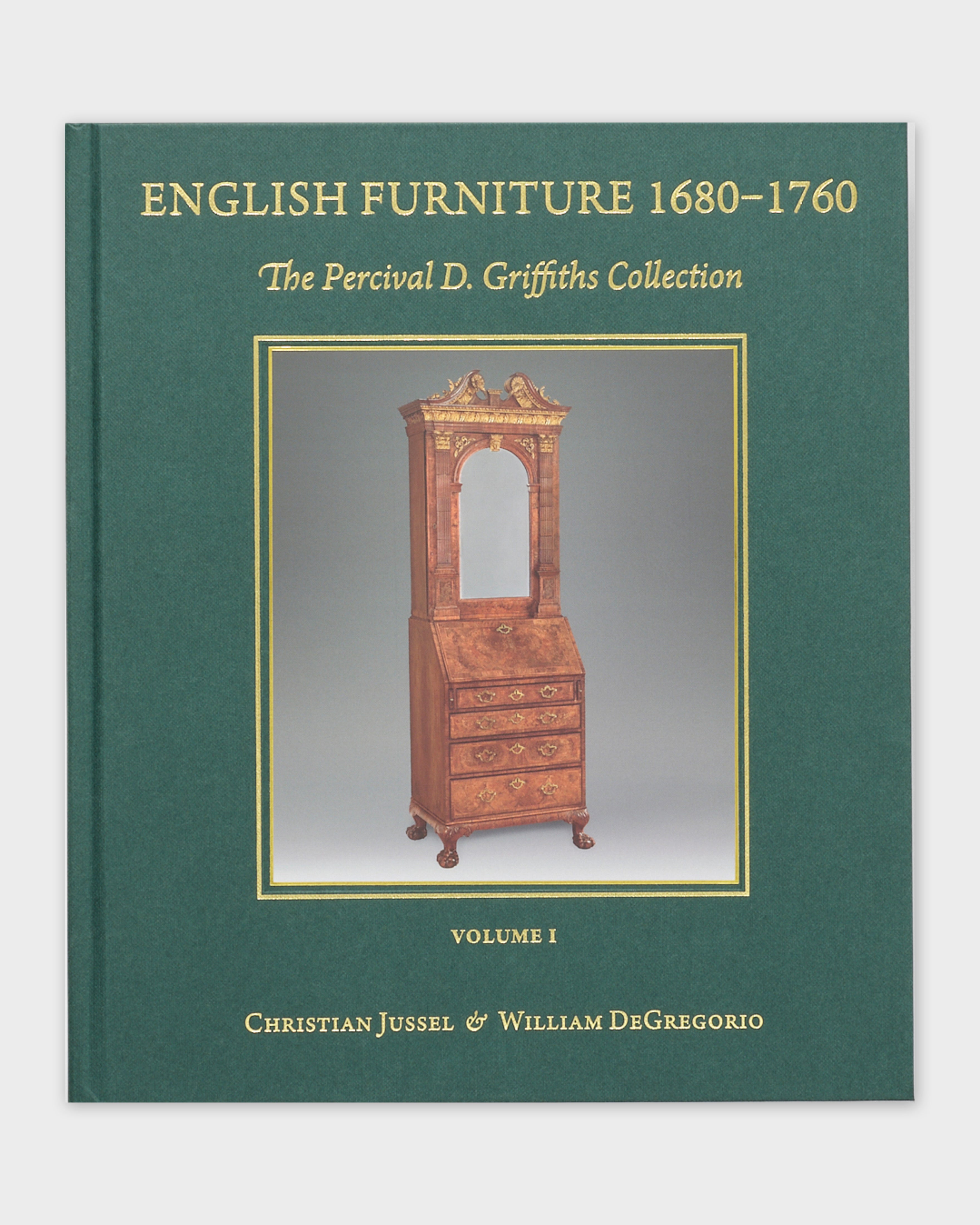
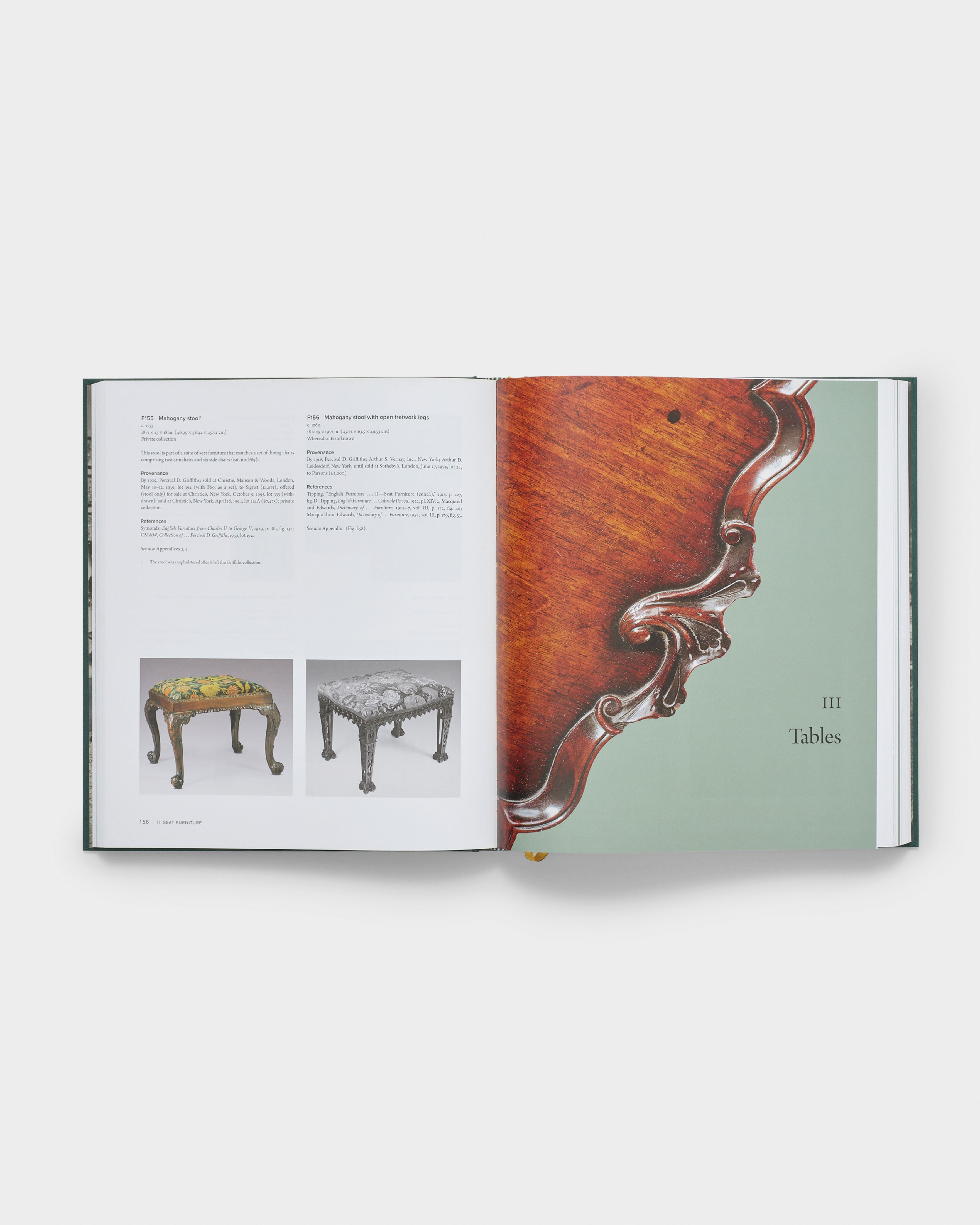
Brings together a superb collection of over 650 detailed examples English furniture and needlework from 1600 to 1760
These volumes are dedicated to one of the finest collections of early English furniture and needlework, formed by Percival D. Griffiths (1861–1937). Together with the noted authority, Robert W. Symonds, Griffiths assembled a pioneering collection of early English decorative arts: furniture, domestic needlework and related objects all dating to the seventeenth and first half of the eighteenth centuries. The book illustrates nearly 700 pieces owned by Griffiths and includes images of his interiors, and biographical data on Griffiths. Catalogue entries provide color images, exhibition histories, references, and provenance. These volumes present a wealth of new information that will aid both the amateur and connoisseur alike.
Sudpsuez Kilim by Alastair Hull & Jose Luczyc-Wyhowska
Words by Alastair Hull & Jose Luczyc-Wyhowska
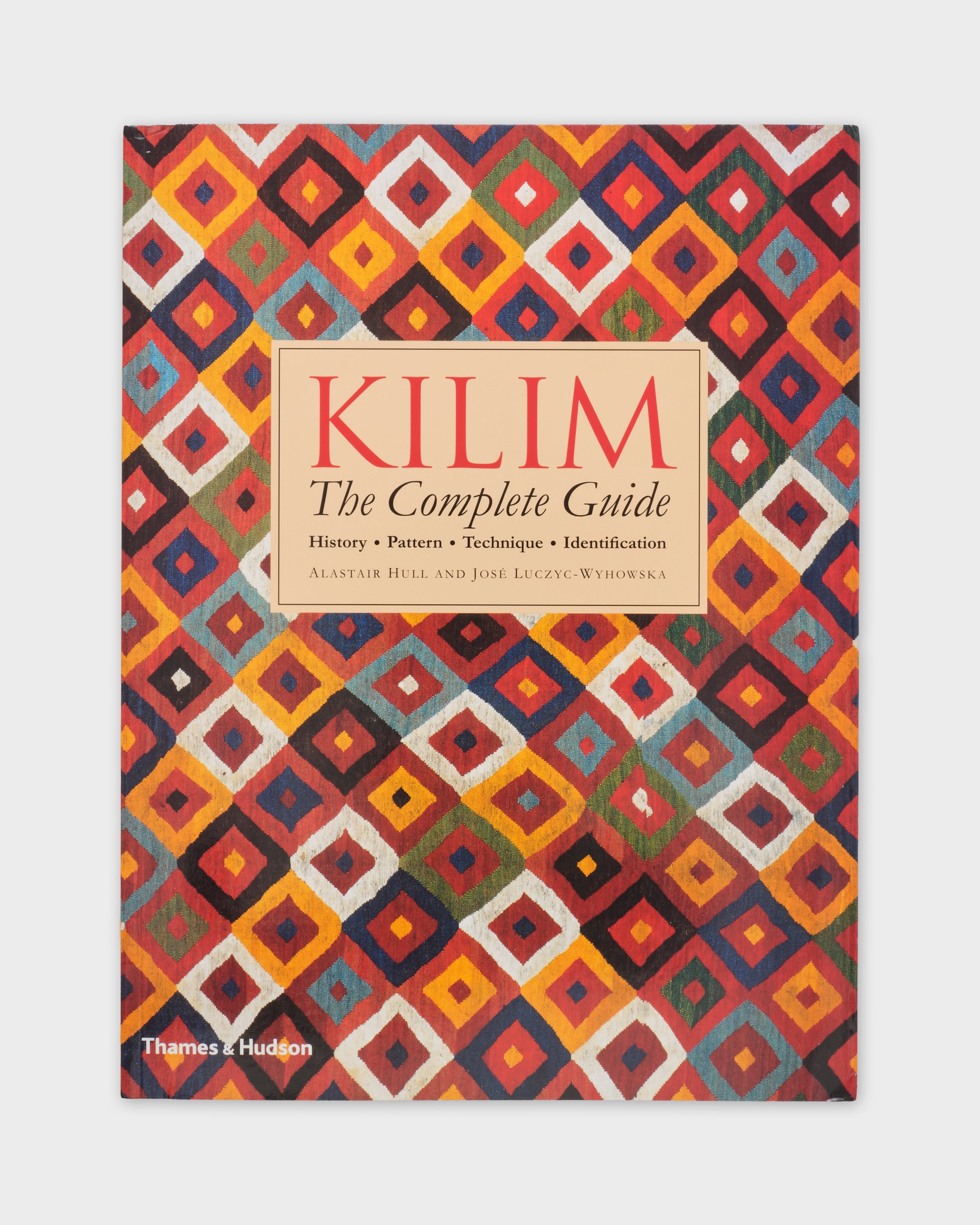
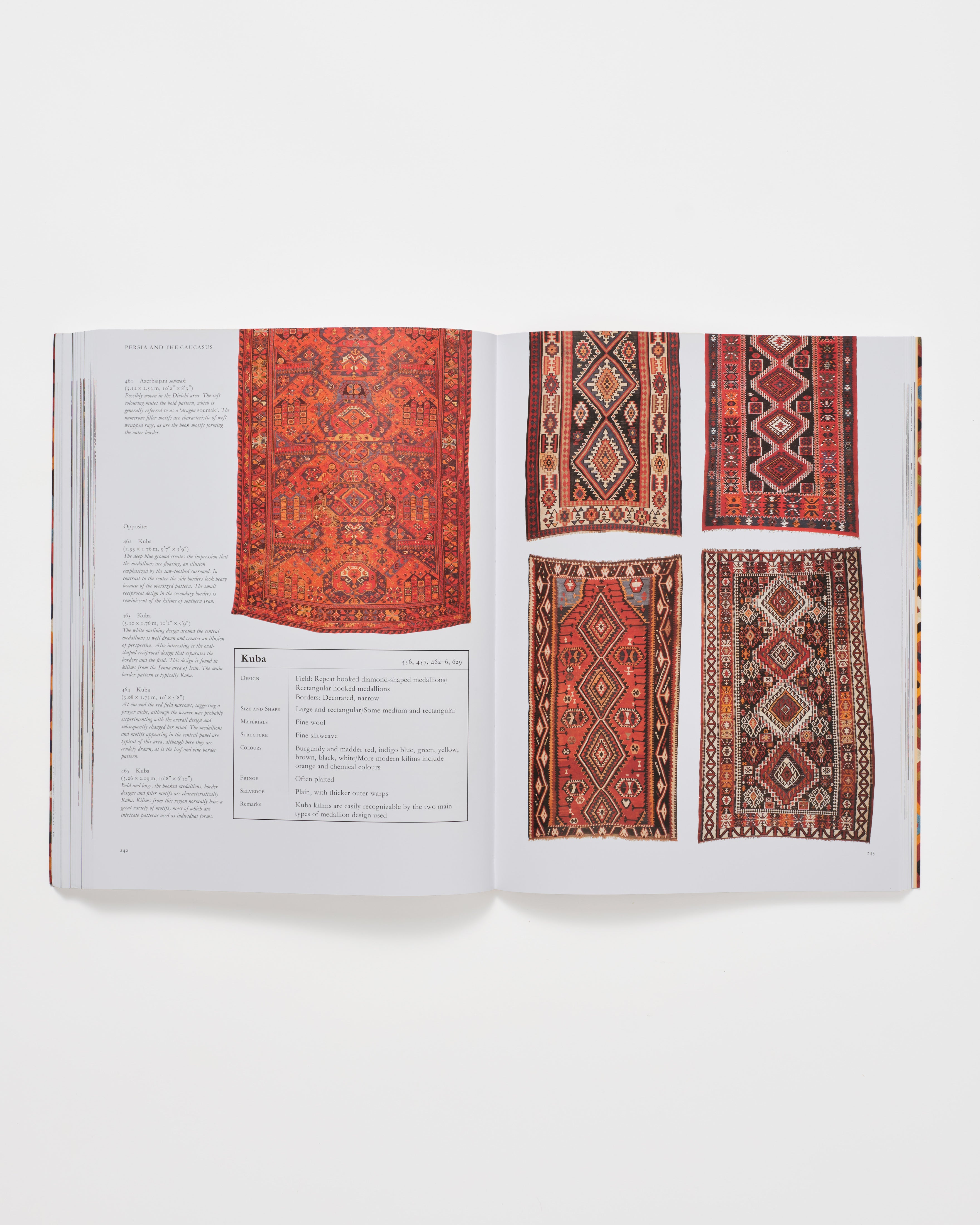
Bold, distinctive patterns; brilliant colors; affordability-these are some of the characteristics that explain the overwhelming popularity of the exquisite, flatwoven textiles from the Near and Far East known as kilims. The most comprehensive and beautifully illustrated survey to date, Kilim contains hundreds of color photographs accompanied by an authoritative text examining the origins, history, and weaving techniques of these unique cloths. A directory to international kilim auction houses; a source listing of dealers and services; and a reference guide to the collecting, care, and further study of kilims conclude this definitive work on a widely appealing subject.
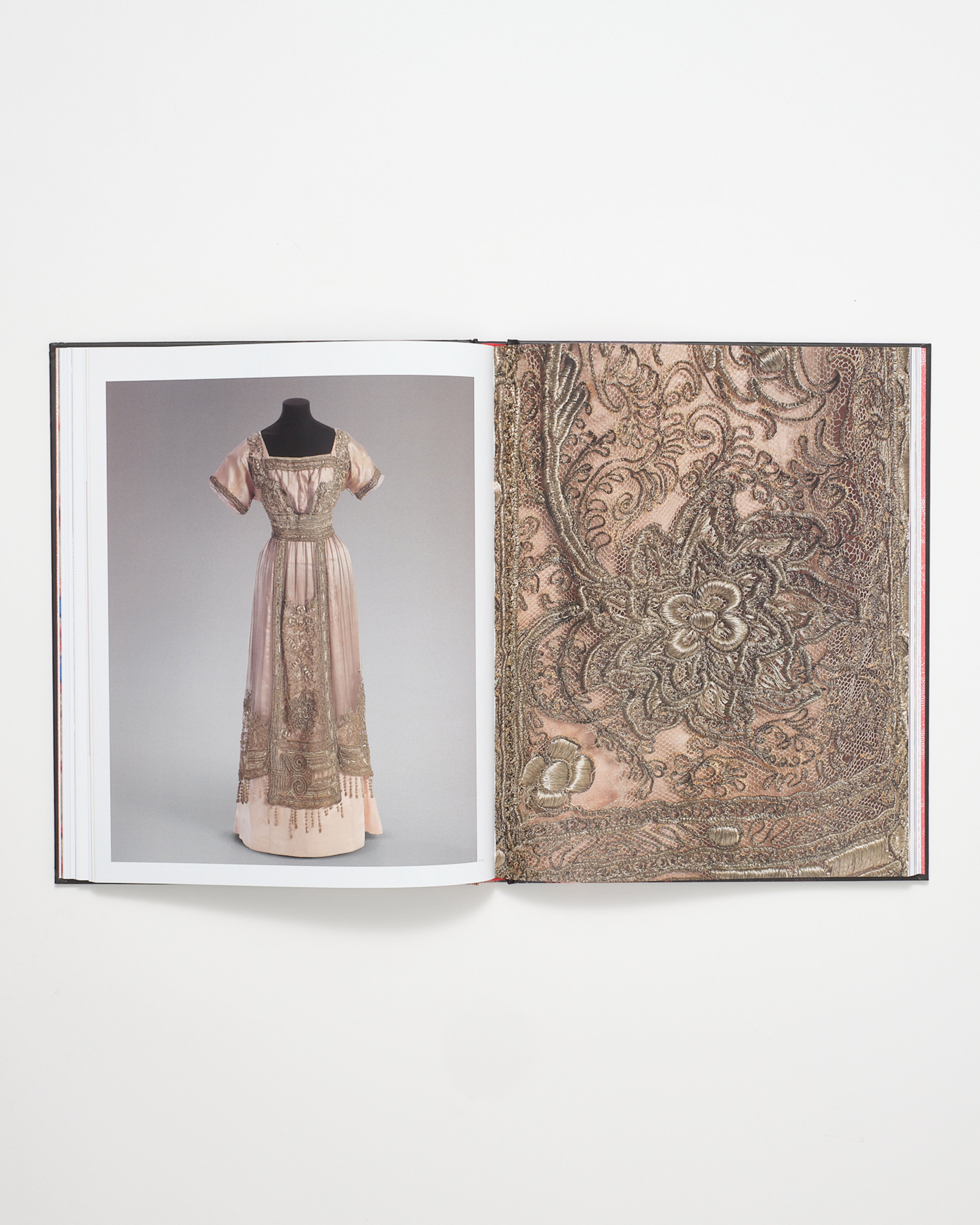
Sudpsuez Kitmir: Mademoiselle Chanel’s Russian Embroideries
Words by Nadia Albertini, Sophie Kurkdjian
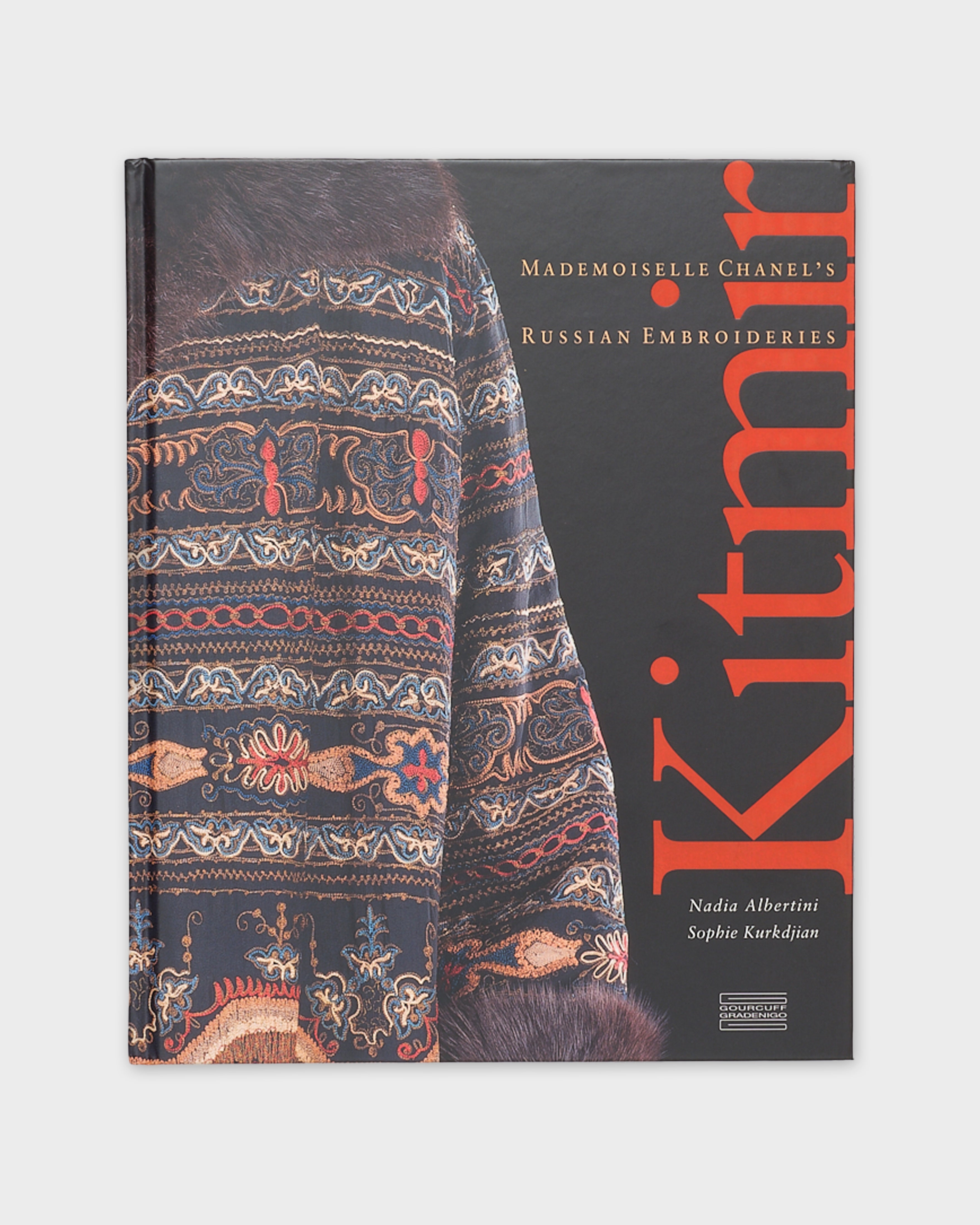
Kitmir's embroideries were characterised by their imagination and fantasy, inspired by the Slavic world and Persia, China and Egypt, in an exotic and cosmopolitan spirit typical of the period. Few garments embroidered by the Kitmir workshop have survived.
Cousin of the Russian emperor Nicholas II, Grand Duchess Marie Pavlovna fled Russia in 1918 and settled in Paris in 1920. The Russian emigrants, who had been needle-wielders since childhood, found that embroidery was a source of income that enabled them to rebuild their lives in Paris. In autumn 1921, the Grand Duchess met Mademoiselle Chanel, who was looking for new inspiration for her designs and found in Marie a valuable ally. She signed an exclusive contract with the house to create and supply embroidery for the seasonal collections and founded the Kitmir company in 1922. The same year, Chanel launched its Russian collection.
This book is dedicated to the history of the Kitmir workshop. It retraces the career of Grand Duchess Marie and her dialogue with Mademoiselle Chanel through part of her production between 1921 and 1928. The book also includes around a hundred samples, carefully preserved and never before published since the workshop closed in 1929.
Sudpsuez Majolica Mania
Words by Susan Weber, Eleanor Hughes, Catherine Arbuthnott, Jo Briggs, Earl Martin and Laura Microulis
Contributions by Paul Atterbury, Gaye Blake-Roberts, Claire Blakey, Julius Bryant, Miranda Goodby, Caroline Hannah, Kathleen Eagen Johnson, Martin P. Levy, Ben Miller, Sequoia Miller and Rebecca Wallis
The first comprehensive study of the most important ceramic innovation of the 19th century
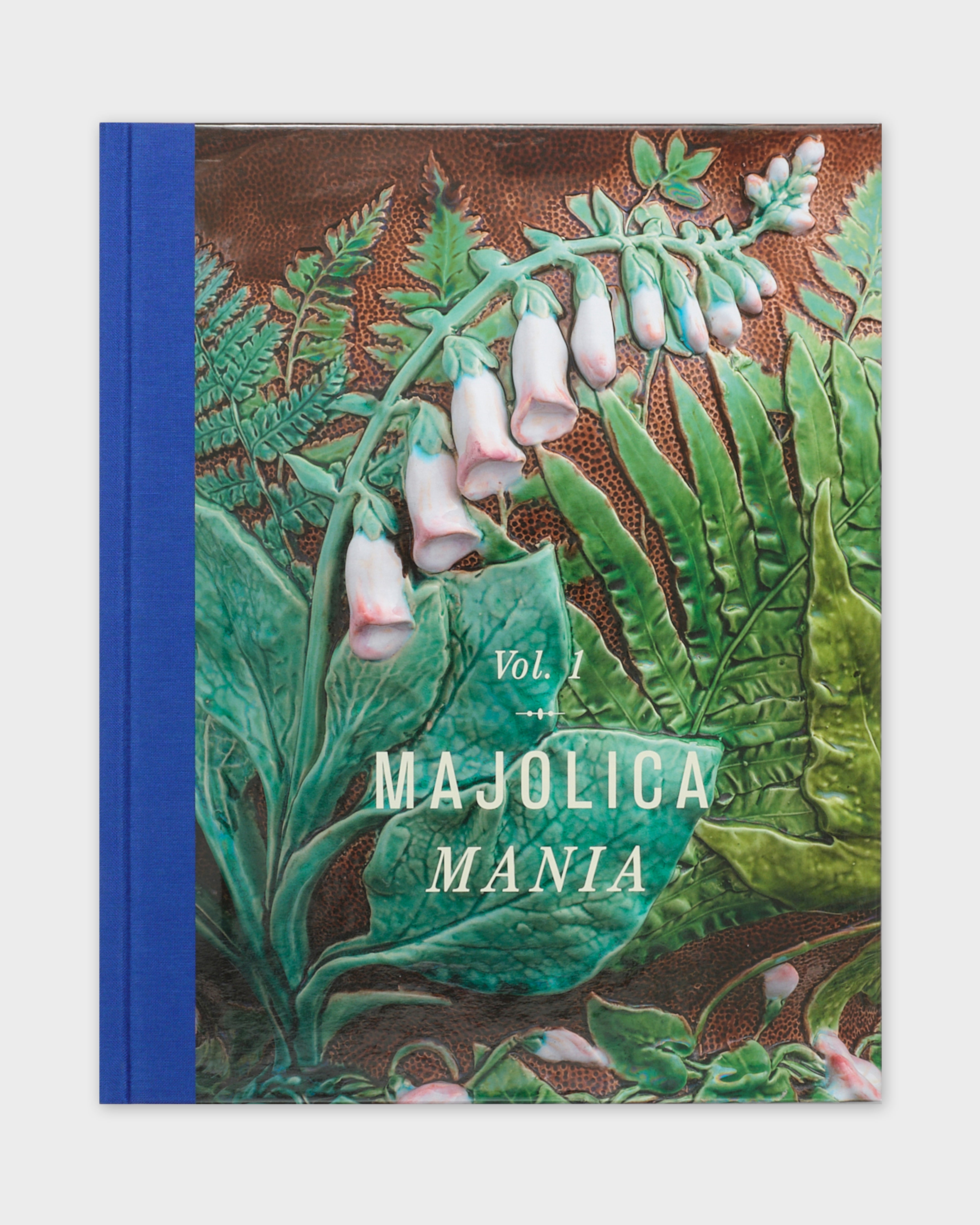
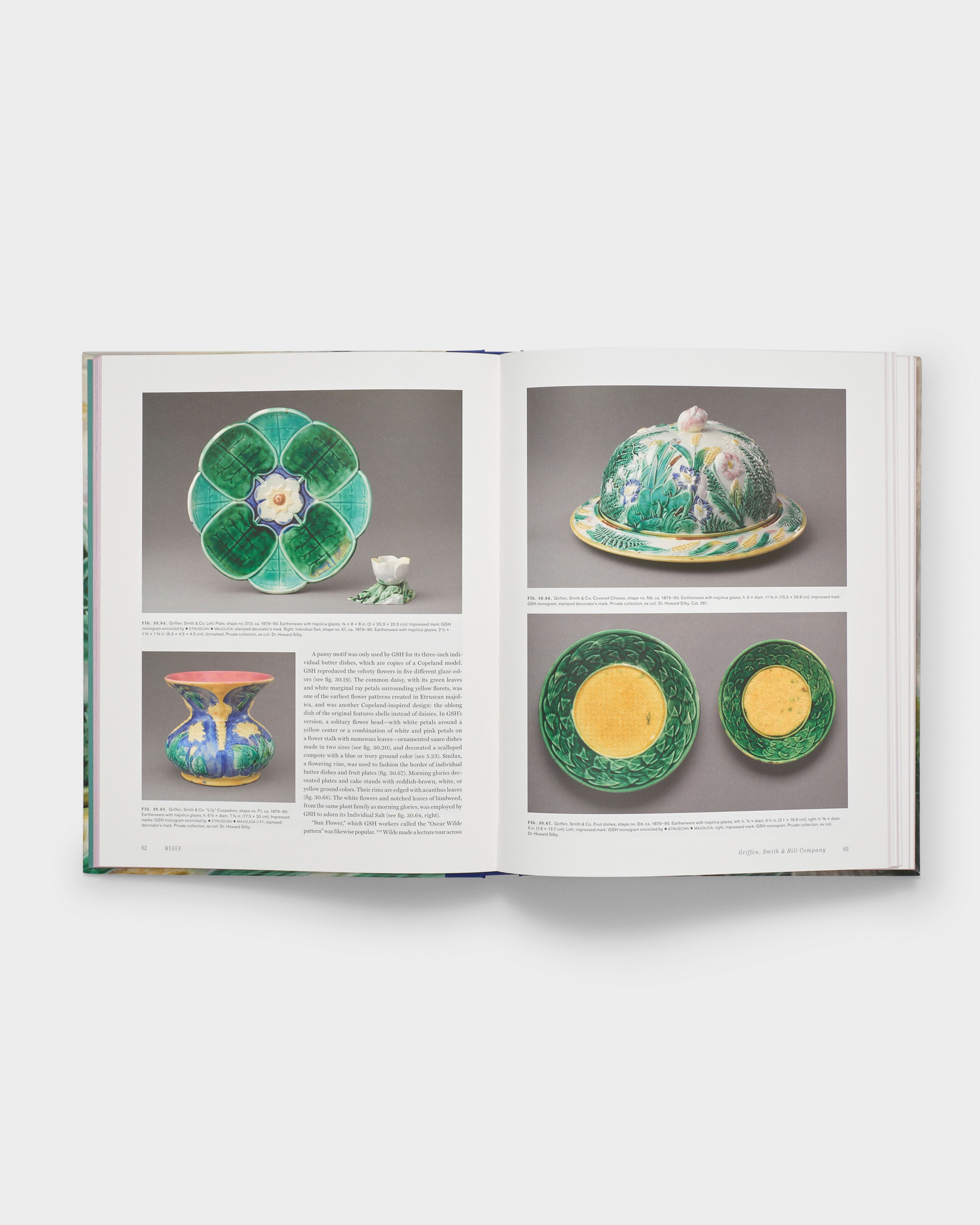
Colorful, wildly imaginative, and technically innovative, majolica was functional and aesthetic ceramic ware. Its subject matter reflects a range of 19th-century preoccupations, from botany and zoology to popular humor and the macabre. Majolica Mania examines the medium’s considerable impact, from wares used in domestic settings to monumental pieces at the World’s Fairs. Essays by international experts address the extensive output of the originators and manufacturers in England—including Minton, Wedgwood, and George Jones—and the migration of English craftsmen to the U.S. New research including information on important American makers in New York, Baltimore, and Philadelphia is also featured. Fully illustrated, the book is enlivened by new photography of pieces from major museums and private collections in the U.S. and Great Britain.
Sudpsuez Painting in Stone: Architecture and the Poetics of Marble from Antiquity to the Enlightenment by Fabio Barry
Words by Fabio Barry
A sweeping history of premodern architecture told through the material of stone
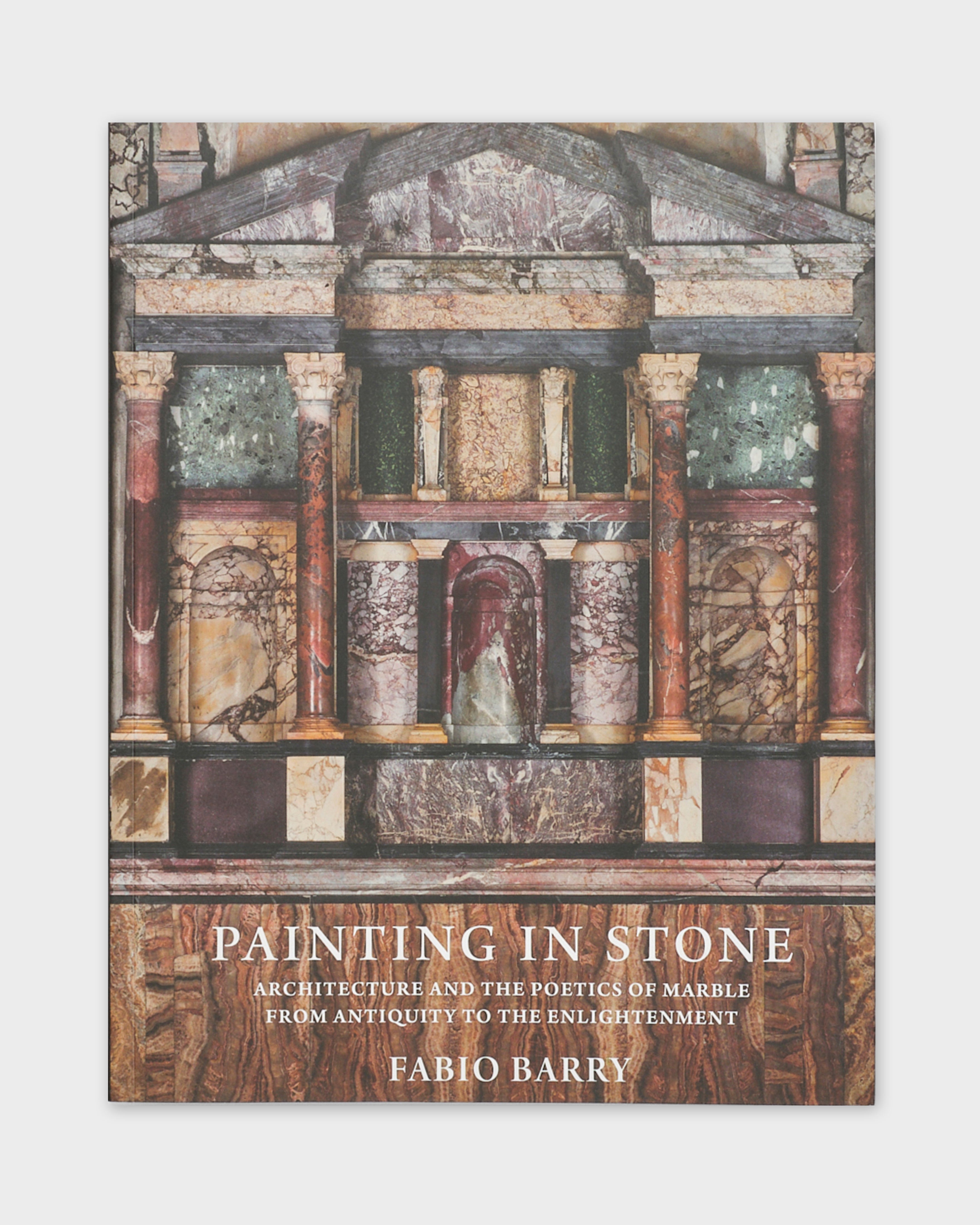
Spanning almost five millennia, Painting in Stone tells a new history of premodern architecture through the material of precious stone. Lavishly illustrated examples include the synthetic gems used to simulate Sumerian and Egyptian heavens; the marble temples and mansions of Greece and Rome; the painted palaces and polychrome marble chapels of early modern Italy; and the multimedia revival in 19th-century England. Poetry, the lens for understanding costly marbles as an artistic medium, summoned a spectrum of imaginative associations and responses, from princes and patriarchs to the populace. Three salient themes sustained this “lithic imagination”: marbles as images of their own elemental substance according to premodern concepts of matter and geology; the perceived indwelling of astral light in earthly stones; and the enduring belief that colored marbles exhibited a form of natural—or divine—painting, thanks to their vivacious veining, rainbow palette, and chance images.
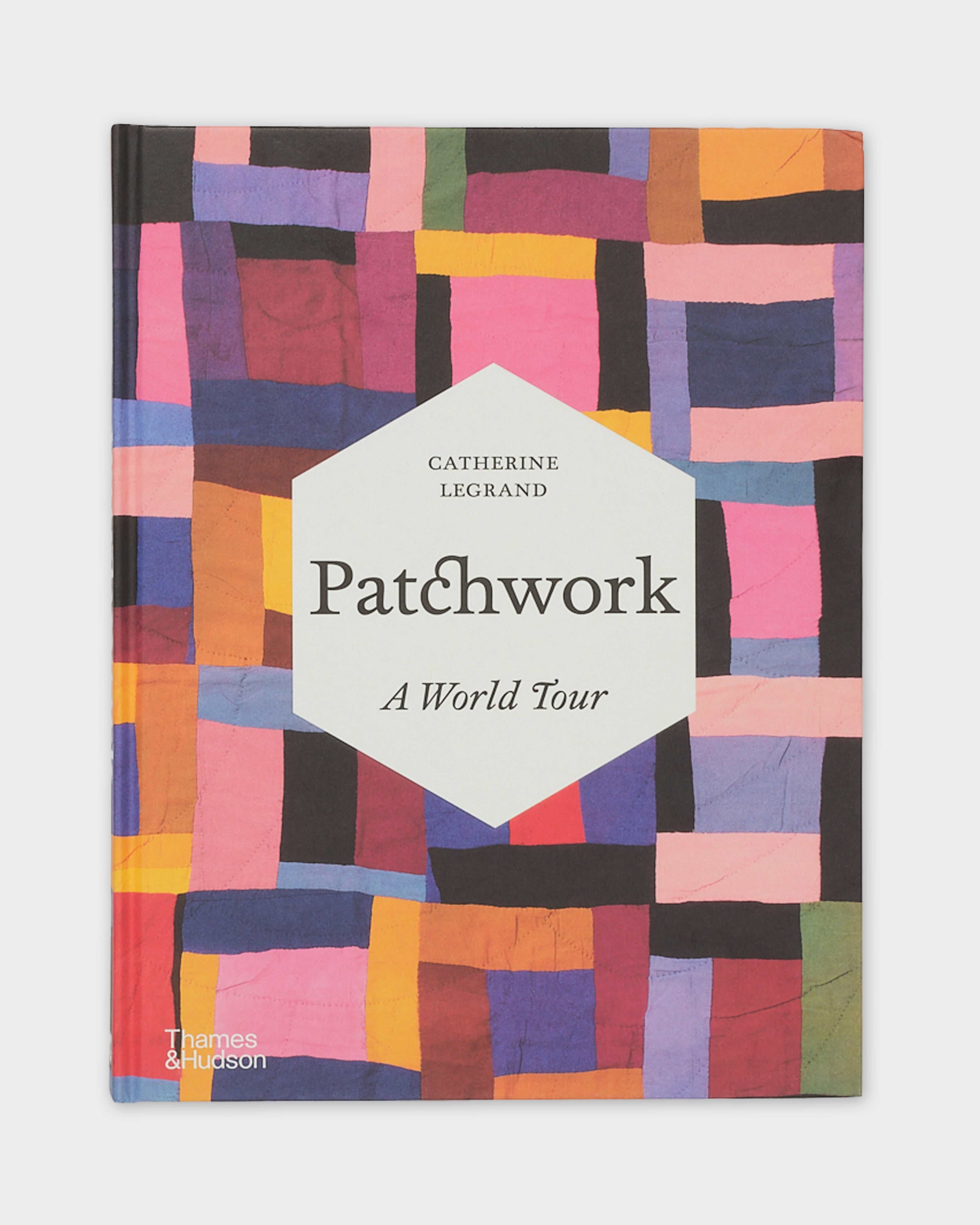
Sudpsuez Patchwork A World Tour by Catherine Legrand
Words by Catherine Legrand
A vibrant, in-depth survey of the techniques and traditions of patchwork around the world.
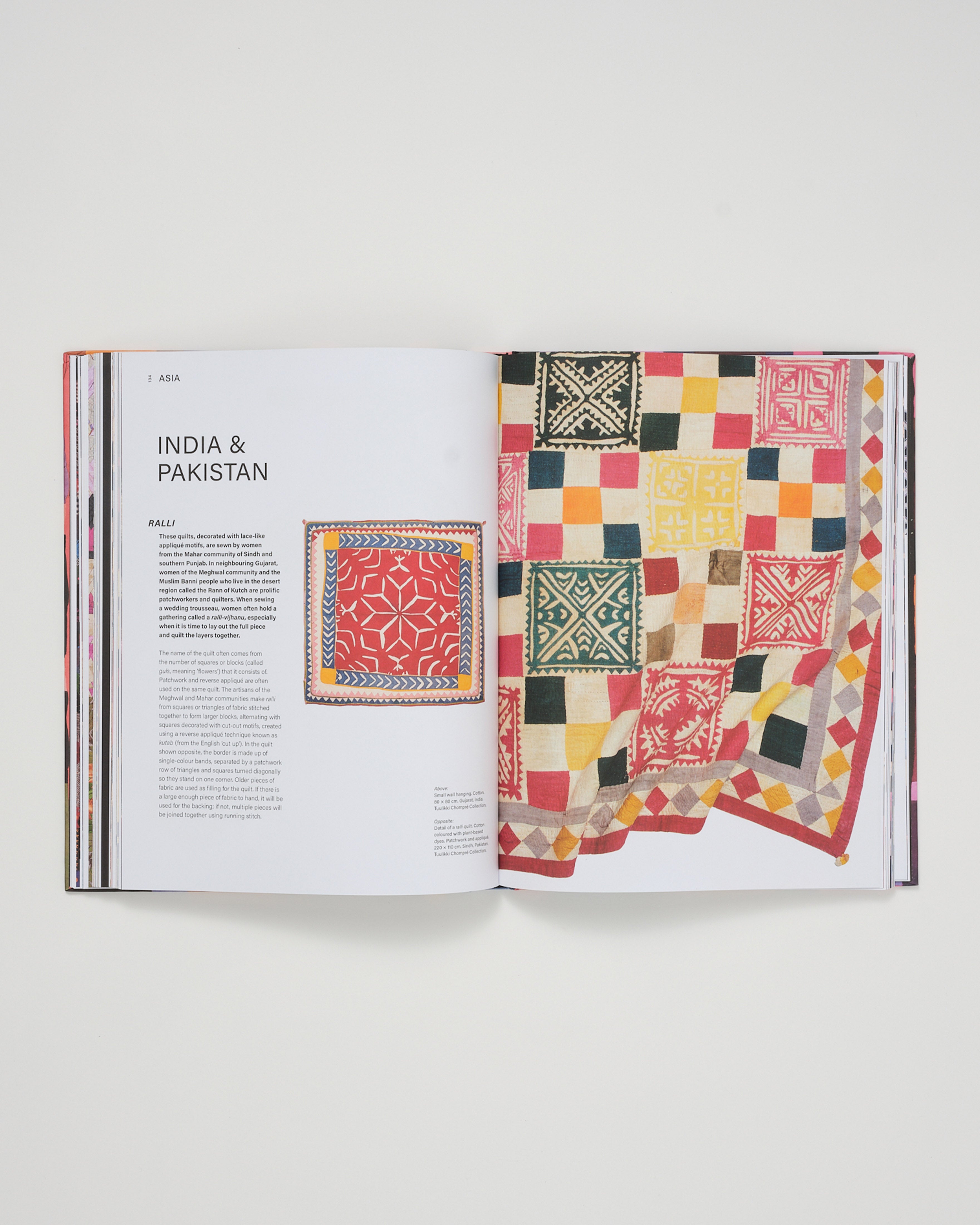
What do Korean bojagi wrapping cloths, Cameroonian Bamileke boubous, Peruvian montera hats, and Hungarian cifraszür shepherd cloaks have in common? Each is made using the ancient technique of patchwork―the art of juxtaposing fabrics and motifs to create blankets, clothes, accessories, and more.
This volume follows Catherine Legrand as she sews together an ethnographic patchwork map. Legrand has spent many years traveling and researching textiles and has a deep knowledge of the techniques and traditions that characterize patchwork, enabling her to create an engaging fabric-inspired travelogue.
Pieced together much like the gorgeous textiles it portrays, Legrand’s beautifully illustrated history features over 300 dazzling photographs of patchwork from around the world and takes the reader from Europe and the Americas to Africa and Asia, where these ancient traditions survive, and patchwork is part of the fabric of everyday life. Textile artists, patchwork enthusiasts, and designers of all stripes will discover an endless source of inspiration.
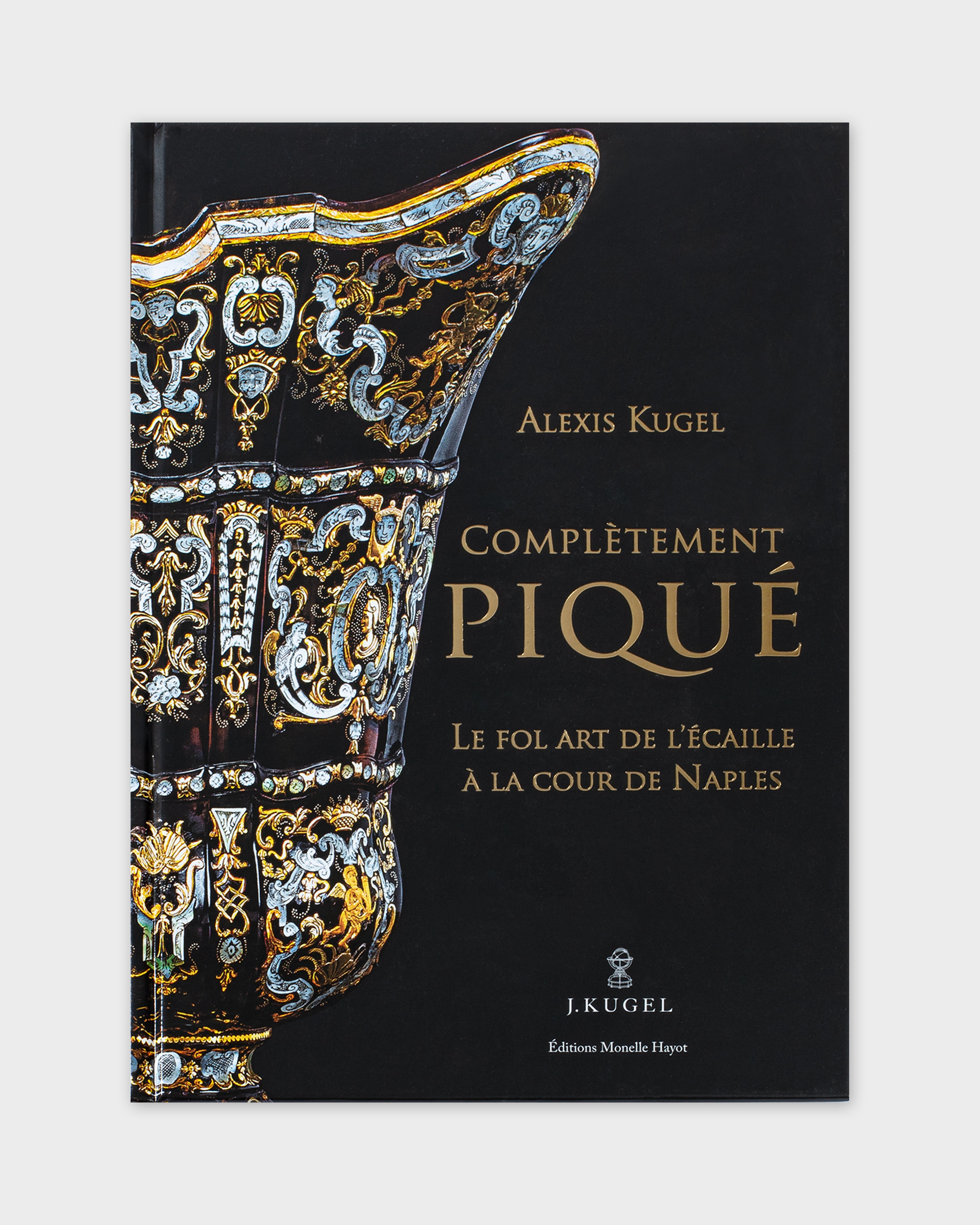
Sudpsuez Piqué: Gold, Tortoiseshell and Mother-of-Pearl at the Court of Naples by Alexis Kugel
Words by Alexis Kugel
The first volume dedicated to the most complete and outstanding collection of Piqué objects ever assembled, a number of which have never been published before.
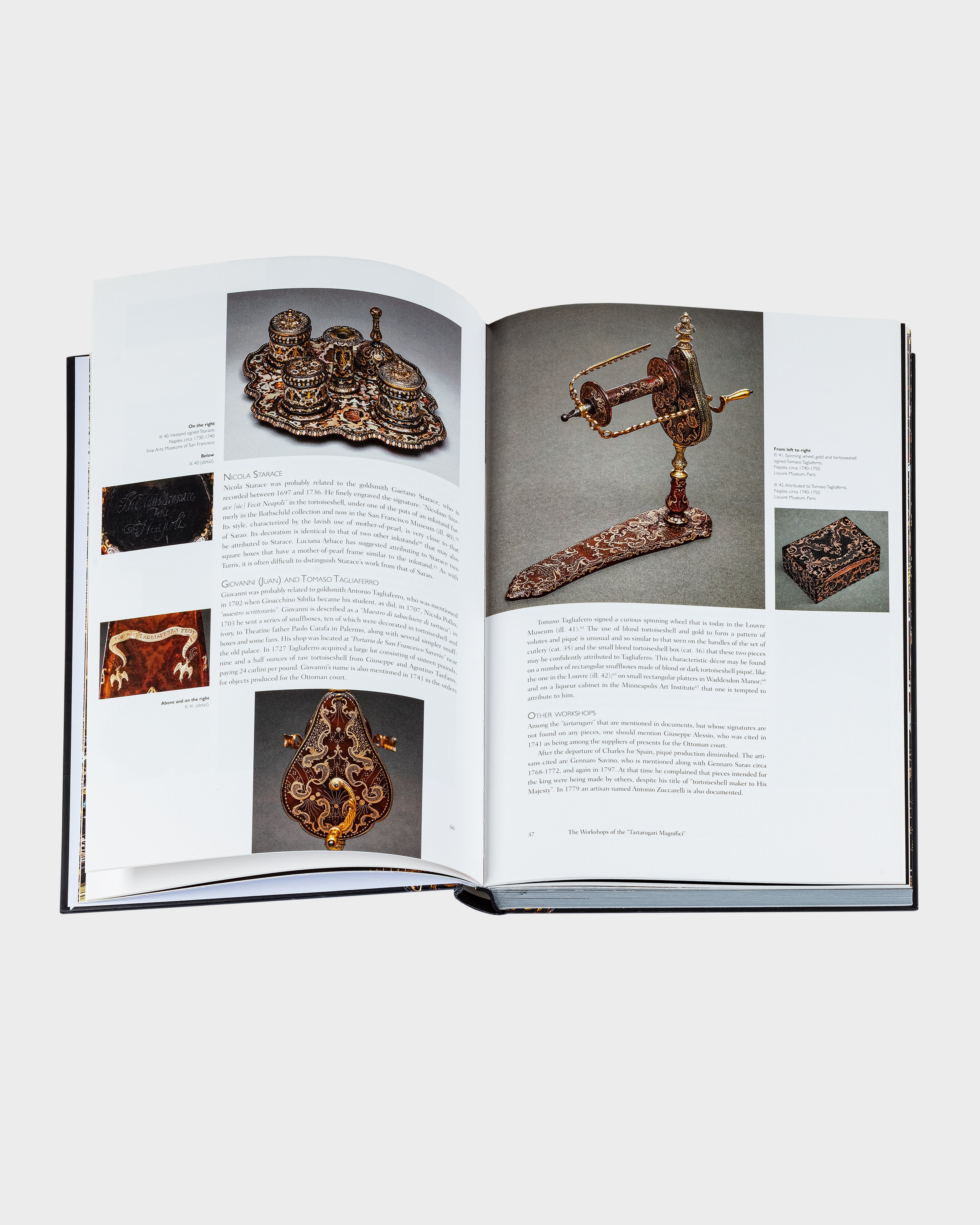
The volume is dedicated to the art of "Piqué," created in Naples during the first half of the eighteenth century, a technique that combines remarkable inventiveness, virtuoso skill, and astonishing opulence. These extraordinary objects are made of three precious materials: tortoiseshell, gold, and mother-of-pearl. These pieces were made between 1720 and 1760 for the public and the court, especially for Charles de Bourbon, King of Naples. The authors of these creations were known as tartarugari. Among the most famous tartarugari was Giuseppe Sarao, whose studio was next to the walls of the Royal Palace and who created some of the pieces presented in this book. Also included is an extraordinary table from the Hermitage Museum, considered to be the greatest masterpiece created using the Piqué technique, and still retaining its original legs.
The catalogue will allow readers to discover both the incredible inventiveness of the artists and the extraordinarily keen interest this art sparked among nineteenth-century collectors, including several members of the Rothschild family. The volume presents more than fifty objects, representing the masterpieces of this technique. The objects are introduced by a study of the subject and a text explaining the historical context.
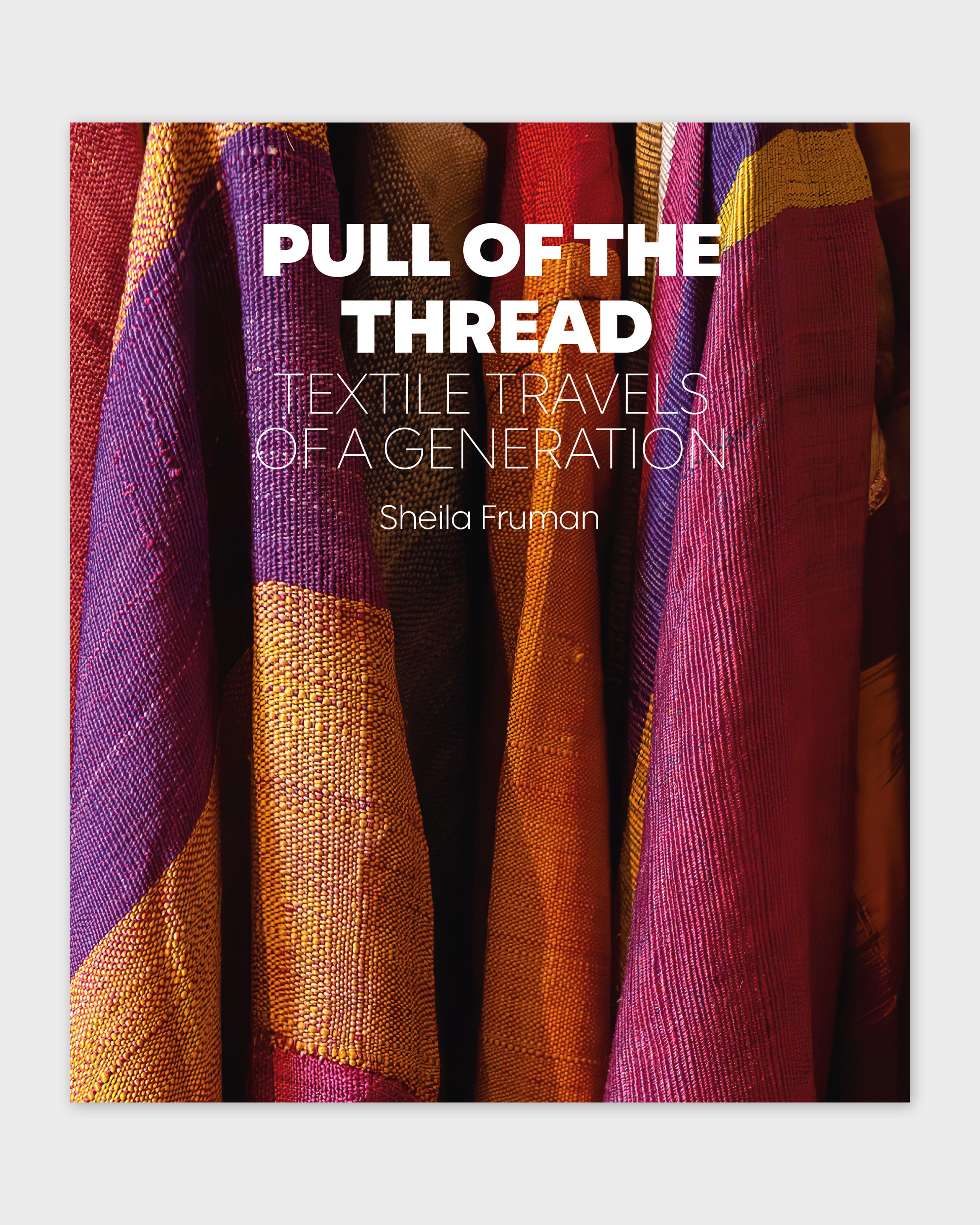
Sudpsuez Pull of The Thread: Textile Travels of a Generation by Sheila Fruman
Words by Sheila Fruman
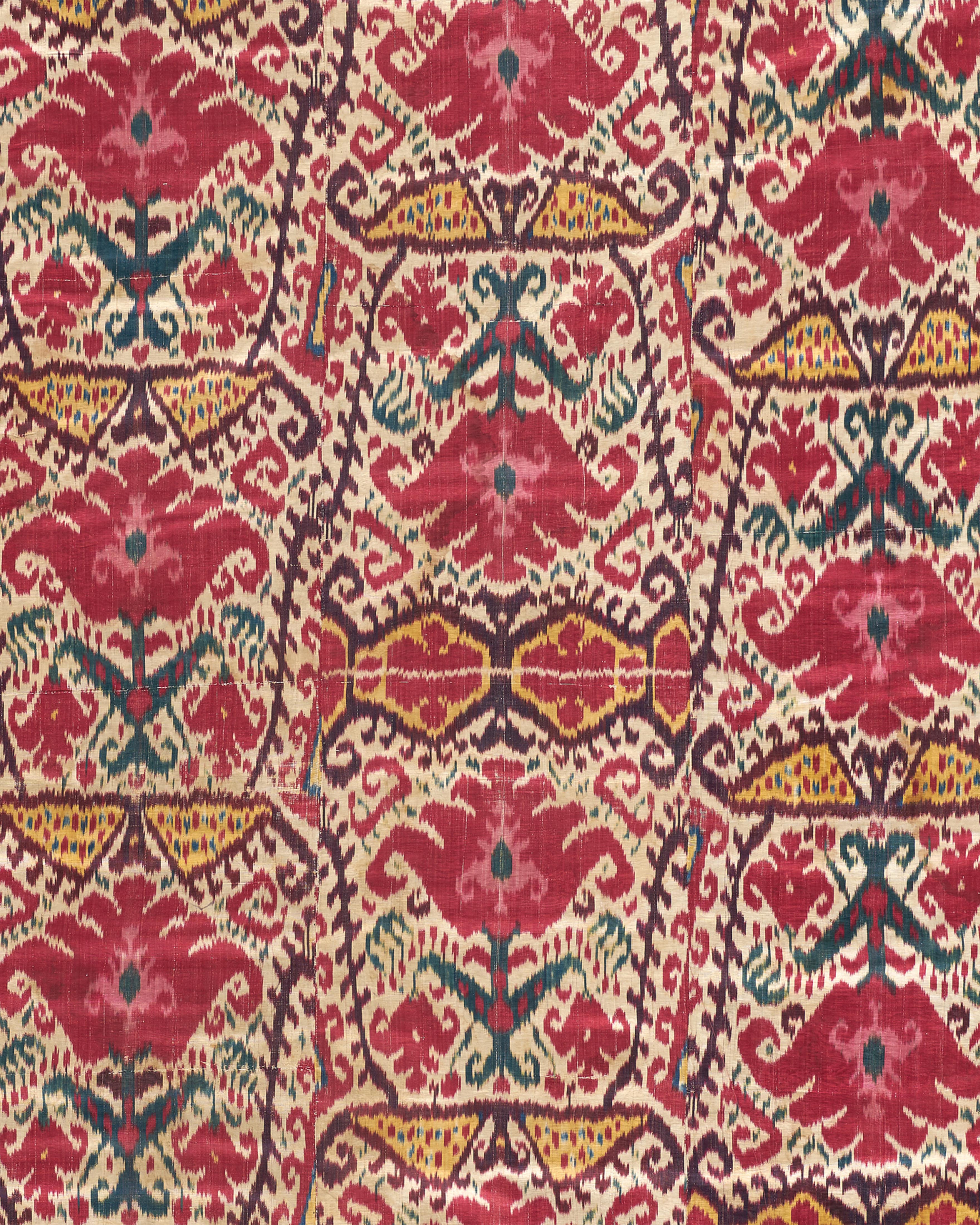
Sheila Fruman, fascinated by the textiles and handmade carpets she saw when she travelled overland in 1969 from Turkey to India, tells the stories of nine intrepid adventurers who have combed the streets and bazaars of Central and South Asia finding, researching, collecting and selling antique Kashmir shawls, embroidered Uzbek textiles and robes, Anatolian kilims, Turkmen carpets and many other textile treasures to interested Westerners.
These stories capture the post-World War II era’s free spirit that briefly coincided with economic prosperity and open borders. With over 200 colour illustrations, the book shows how the indigenous designs and motifs popularised in the US and Europe by these textile travellers can now be found in anything from haute couture to high-end interior design to mass-marketed bedding, tableware and clothing.
The dealers and collectors who have spent their lives seeking these complex pieces of the past have intriguing stories to tell and collections of some of the finest textiles of their kind in the world. Taken together, their stories are an enlightening guide to understanding how we connect to the past, and how textiles connect the world.
Published by HALI