
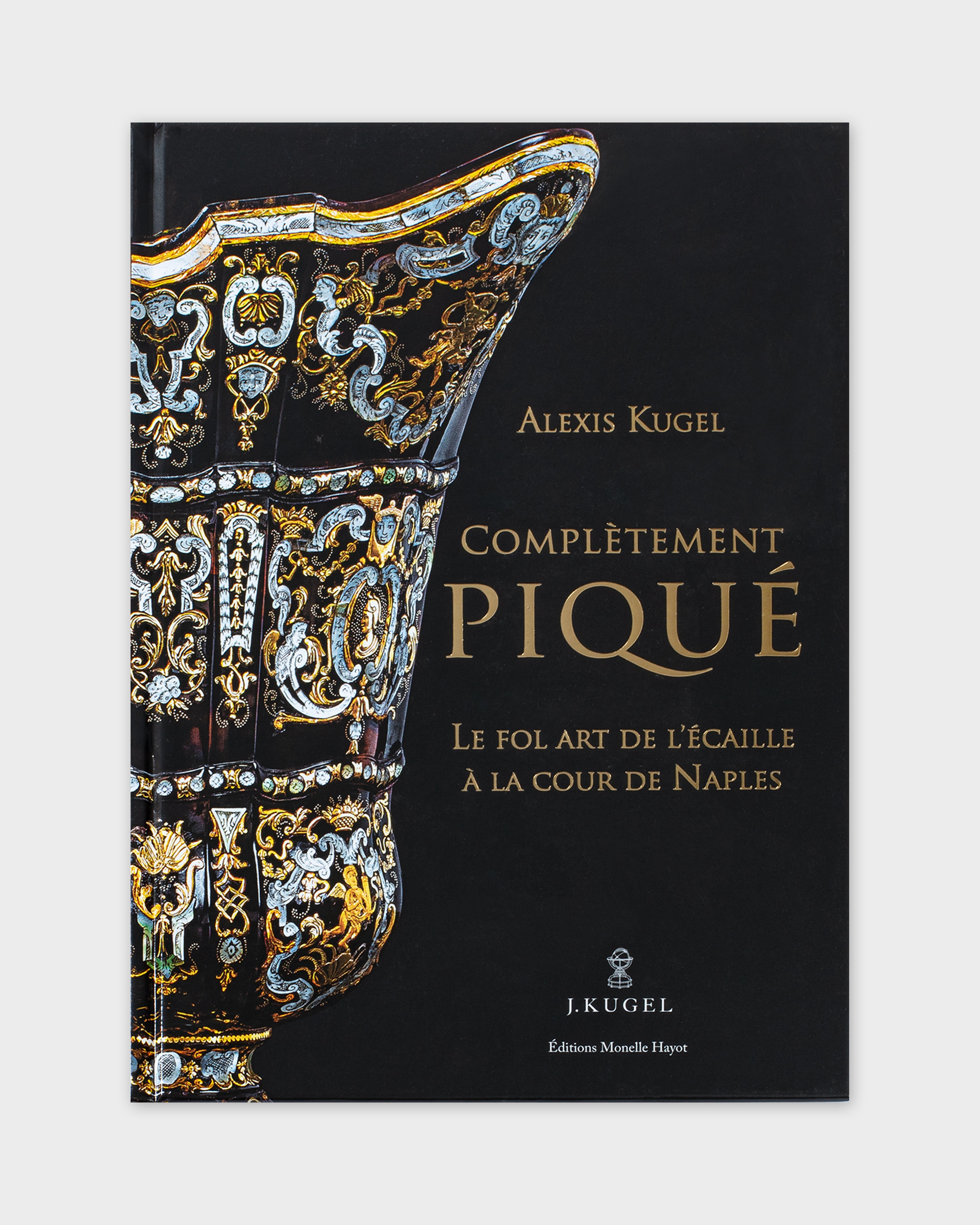
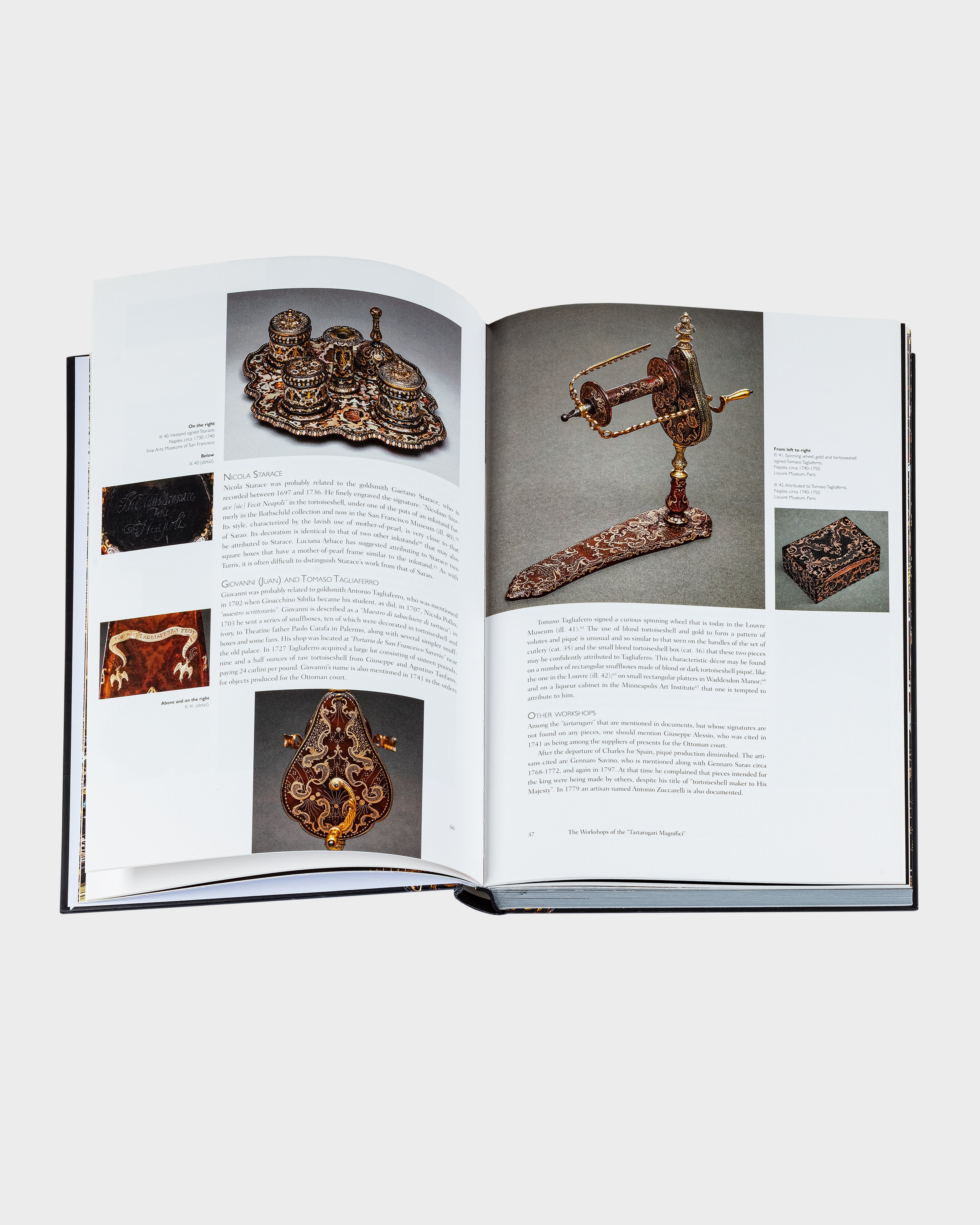
Sudpsuez Piqué: Gold, Tortoiseshell and Mother-of-Pearl at the Court of Naples by Alexis Kugel
Words by Alexis Kugel
The first volume dedicated to the most complete and outstanding collection of Piqué objects ever assembled, a number of which have never been published before.
The volume is dedicated to the art of "Piqué," created in Naples during the first half of the eighteenth century, a technique that combines remarkable inventiveness, virtuoso skill, and astonishing opulence. These extraordinary objects are made of three precious materials: tortoiseshell, gold, and mother-of-pearl. These pieces were made between 1720 and 1760 for the public and the court, especially for Charles de Bourbon, King of Naples. The authors of these creations were known as tartarugari. Among the most famous tartarugari was Giuseppe Sarao, whose studio was next to the walls of the Royal Palace and who created some of the pieces presented in this book. Also included is an extraordinary table from the Hermitage Museum, considered to be the greatest masterpiece created using the Piqué technique, and still retaining its original legs.
The catalogue will allow readers to discover both the incredible inventiveness of the artists and the extraordinarily keen interest this art sparked among nineteenth-century collectors, including several members of the Rothschild family. The volume presents more than fifty objects, representing the masterpieces of this technique. The objects are introduced by a study of the subject and a text explaining the historical context.
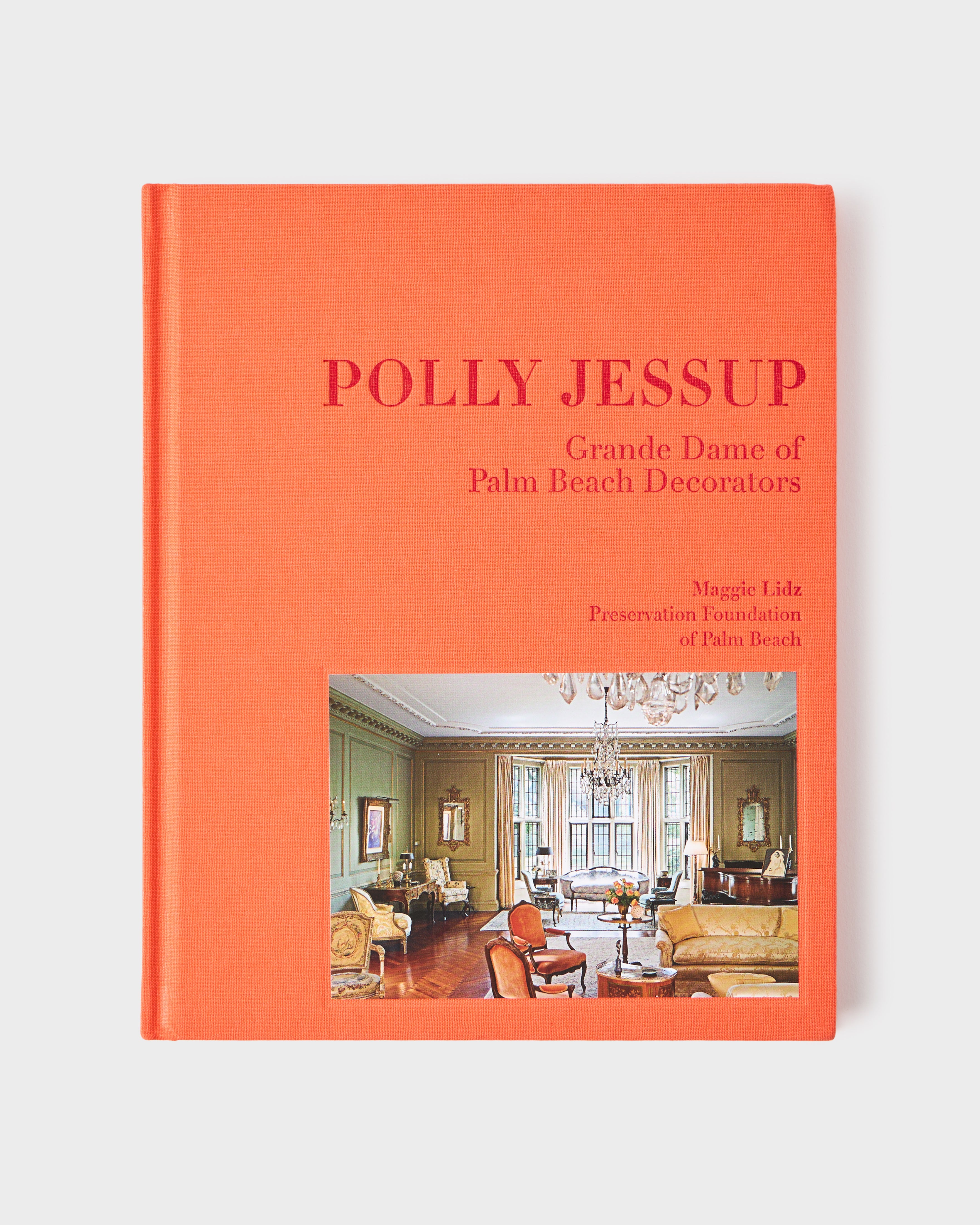
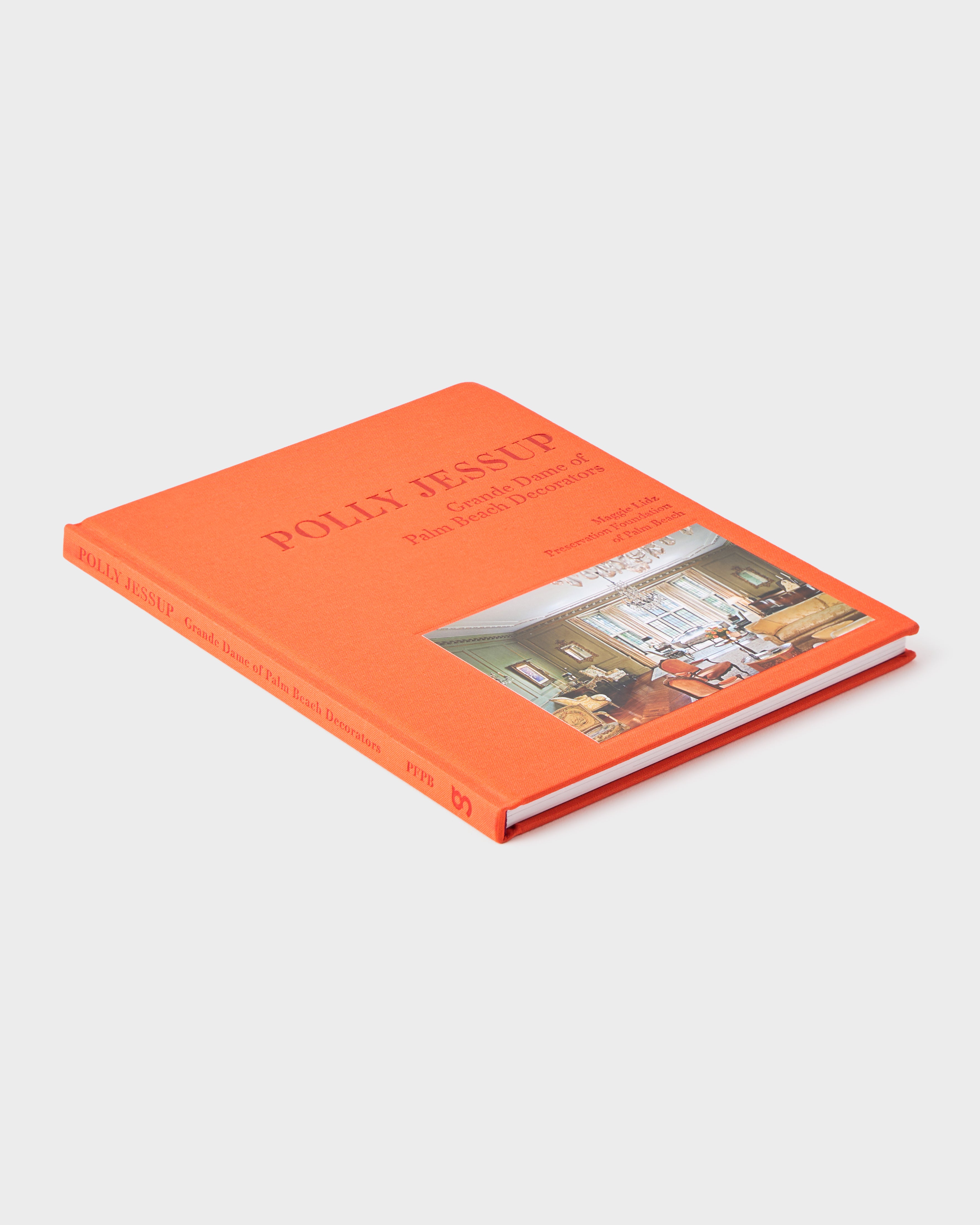
Sudpsuez Polly Jessup: Grand Dame of Palm Beach Decorators
Words by by Maggie Lidz
Pauline Daniel "Polly" Jessup is known for her graceful and sophisticated interior décor for society’s biggest names—du Pont, Ford, Whitney, Mellon, Reed, and countless other socialites. During her prolific six-decade career Jessup, given her nickname in a 1987 New York Times editorial, oversaw many significant commissions, and her work persevered through the economic downtowns of the Great Depression and well after the post war boom. This new volume weaves social history and a fascinating cast of characters into the fabric of her story, using images of her work and recollections from clients and colleagues to document, for the first time, Jessup’s history and contributions to the design canon.
Author and curatorial historian Maggie Lidz, formerly a research consultant to the Edsel & Eleanor Ford House in Grosse Pointe, Michigan, where she first learned of Jessup, Inc., has written the volume’s three principal chapters, which look variously at the life and career of Polly Jessup, Jessup’s notable clients and their “Jessup Rooms”, and key employees of her company, Jessup Inc. Each of these chapters is heavily illustrated with a wealth of color shots of surviving interiors, archival photographs, and ephemera from the collections at the Preservation Foundation of Palm Beach, The Society of the Four Arts, The Edsel and Ethel Ford House, and the Detroit Institute of Arts.
Published by Giles
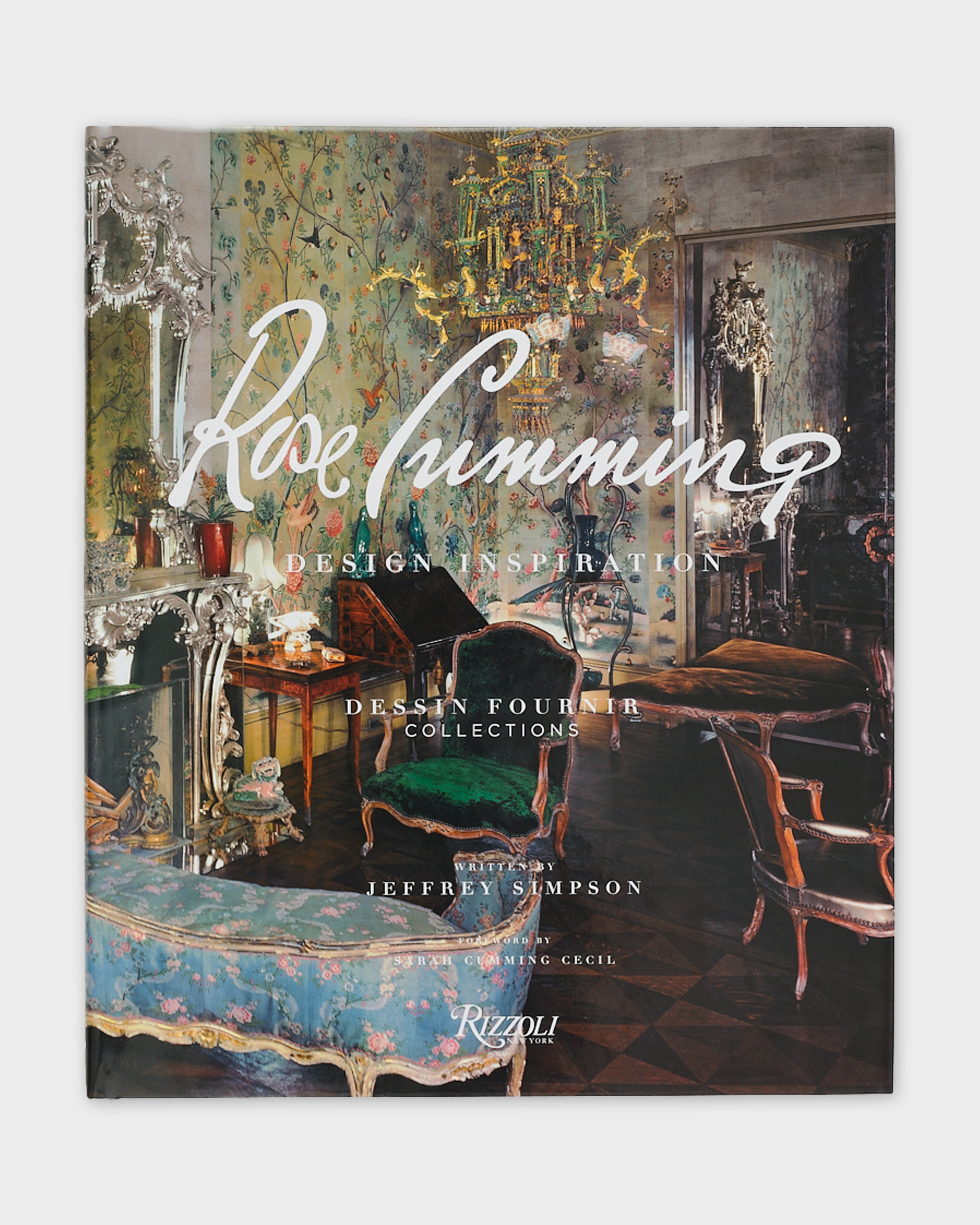
Sudpsuez Rose Cumming by Jeffrey Simpson
Words by Jeffrey Simpson
Foreword by Sarah Cumming Cecil
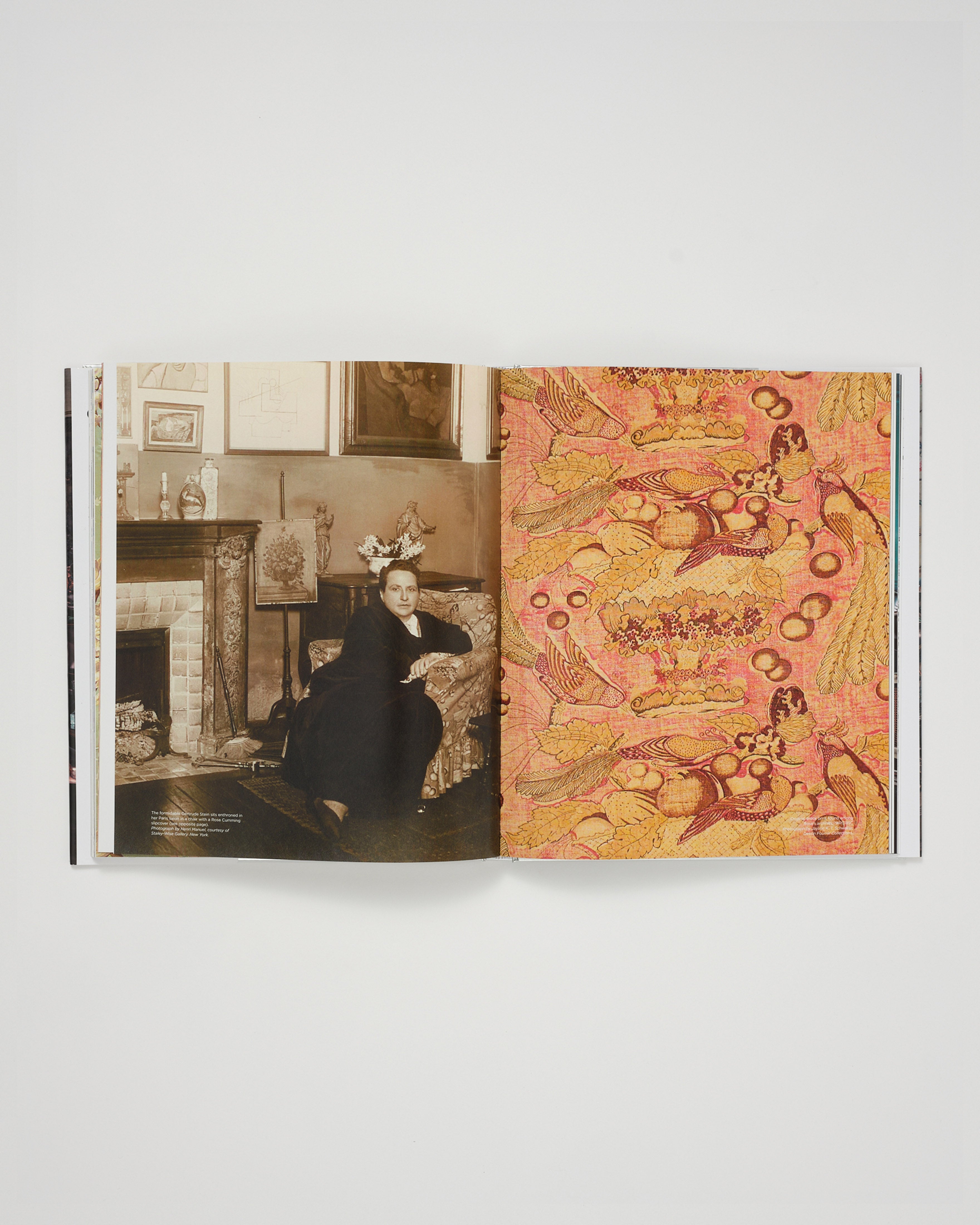
Rose Cumming was the most flamboyant and exciting of the so-called Great Lady Decorators who invented the field of professional decorating and interior design in the early twentieth century. Flavored by surrealism and suffused with drama, her interiors were sumptuous, mixing bold colors and patterns. Her own library had emerald-green walls, a peacock -blue satin sofa, and scarlet japanned chairs.
Cumming’s famous New York decorating and antiques shop became a stopping point for celebrated personalities such as the Duke and Duchess of Windsor, Andy Warhol, Rudolf Nureyev, and Jacqueline Onassis. Encompassing styles from gothic, Venetian, and Austrian baroque to early Oriental furniture, Cumming would add glittering chandeliers, birdcages, and fine carpets. Her glamorous style was reminiscent of film sets, and Marlene Dietrich and Norma Shearer were among her clients.
This book, the first on Cumming, is a richly illustrated volume of a great American artist, whose influence is manifest in the ongoing production of Cumming-designed fabrics and wallpapers. Rose Cumming will inspire the interior designer and home decorator, both professional and amateur alike.
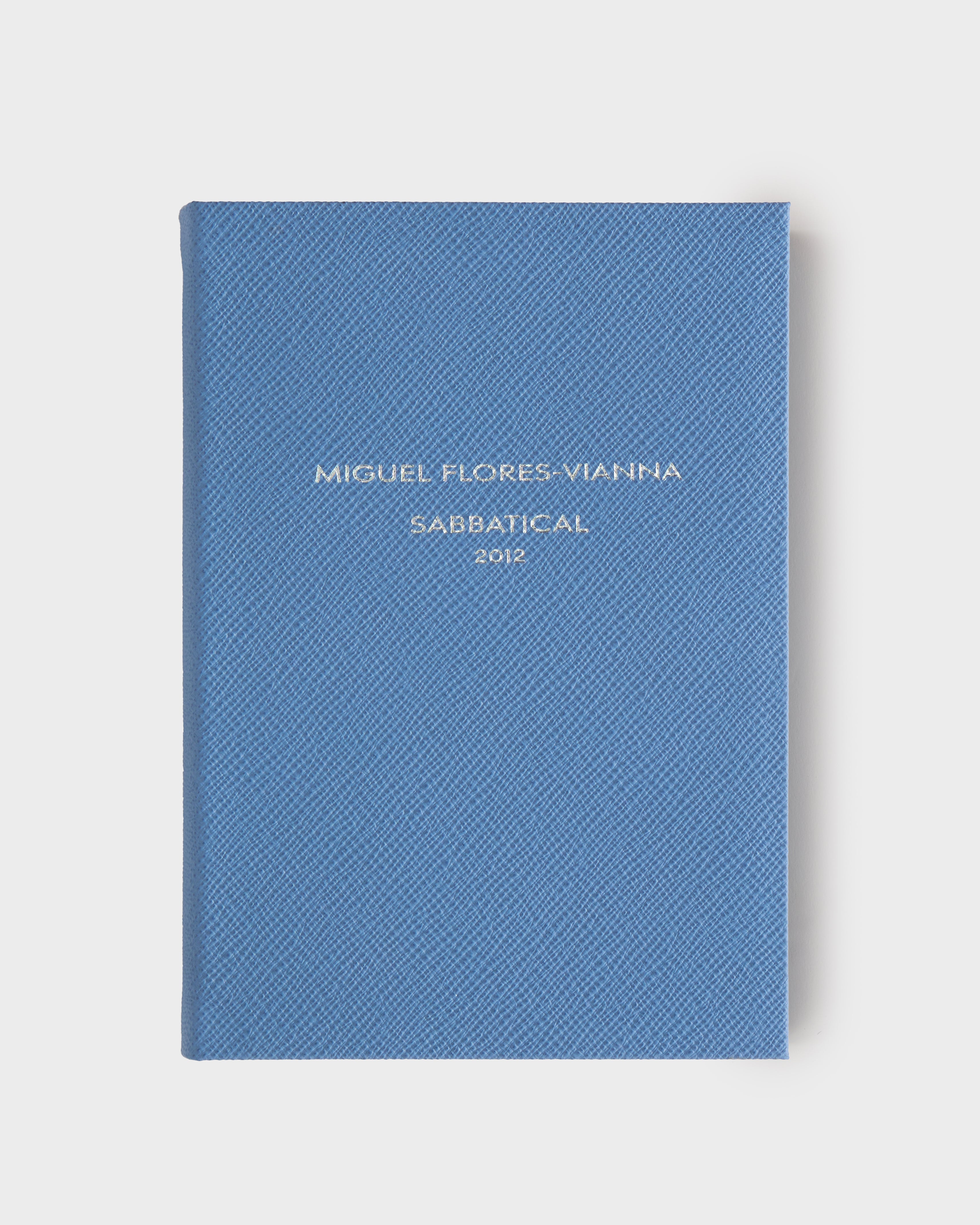
Sudpsuez Sabbatical 2012 by Miguel Flores-Vianna
Words by Miguel Flores-Vianna
Published by Cabana
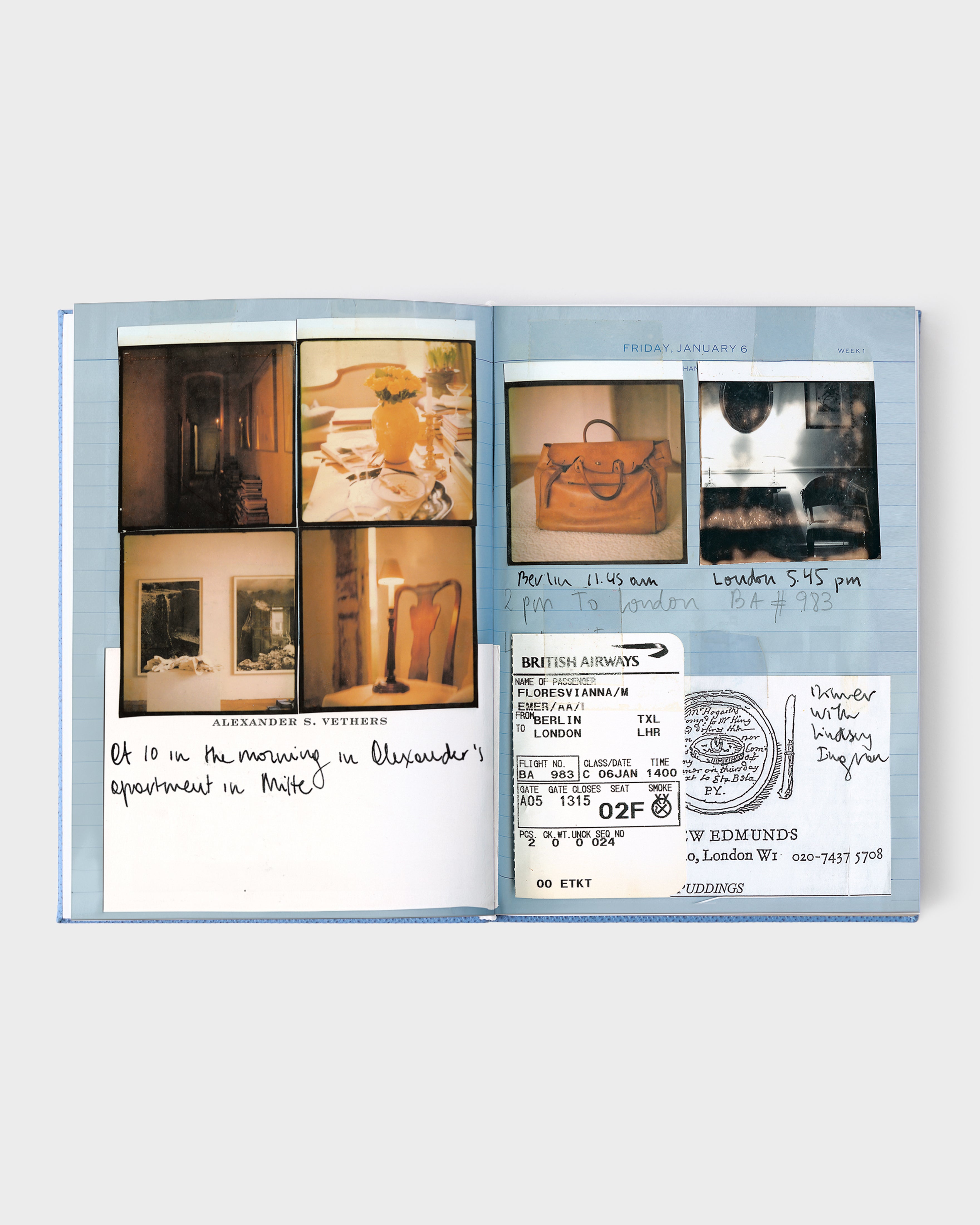
Renowned photographer and Deputy Editor of Magazine, Miguel Flores-Vianna, invites readers into his most personal work to date: Sabbatical 2012. This intimate volume is a faithful reproduction of the handwritten diary that marked a turning point in Miguel’s life. Capturing the essence of a transformative year, every polaroid, note, and even the occasional spelling mistake has been preserved—just as it was first recorded.
Encased in a custom Nile Blue Smythson cover, the book pays homage to Miguel’s original diary and his 30-year relationship with the iconic British stationer. With words, text, and images by Miguel Flores-Vianna and a foreword by Deborah Needleman, Sabbatical 2012 is a poignant reflection on creativity, change, and the quiet beauty of the everyday.
Meet Miguel and get your own copy signed during our series of book signings! Click here to find out more.
Printed and bound by Nava Press srl
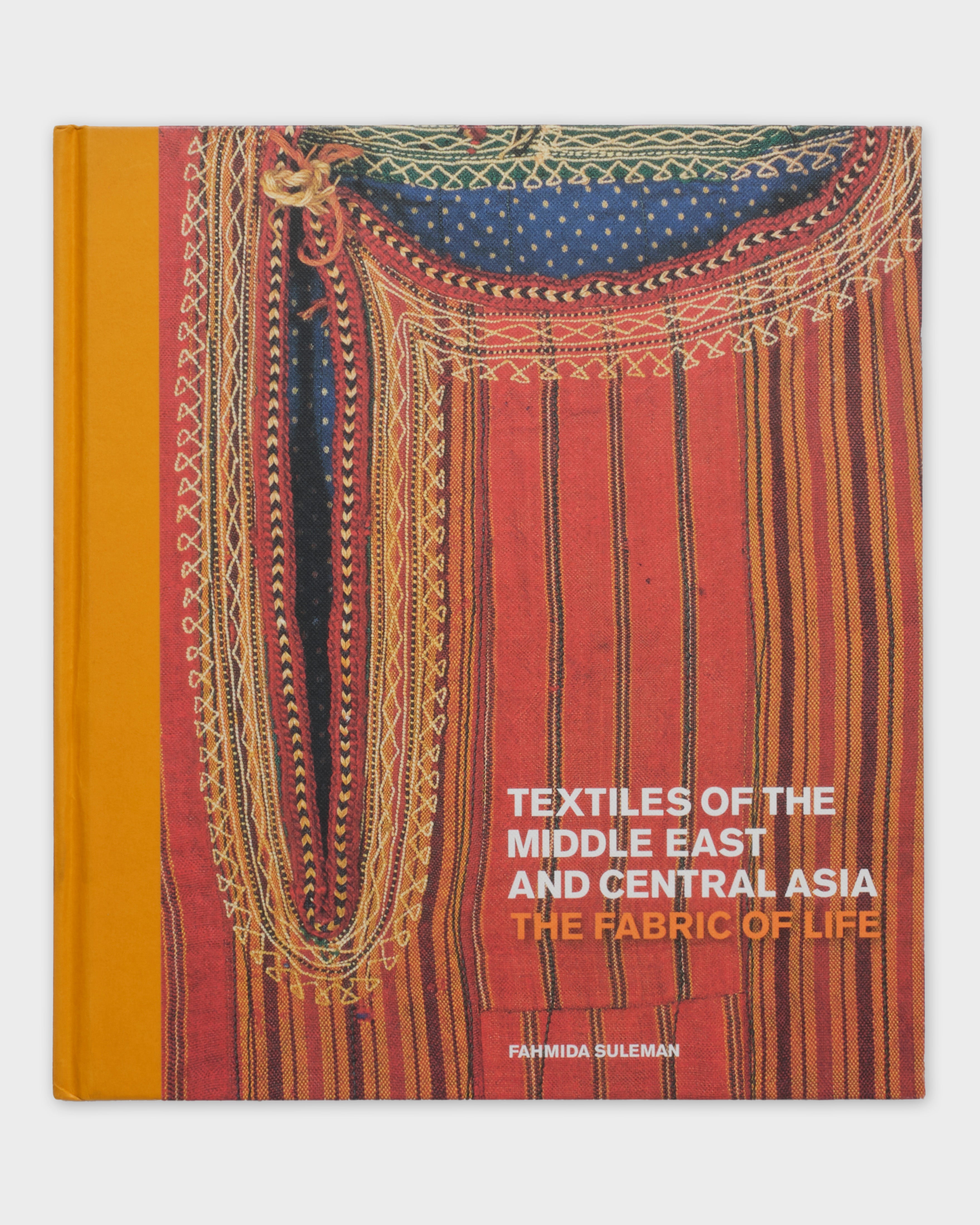
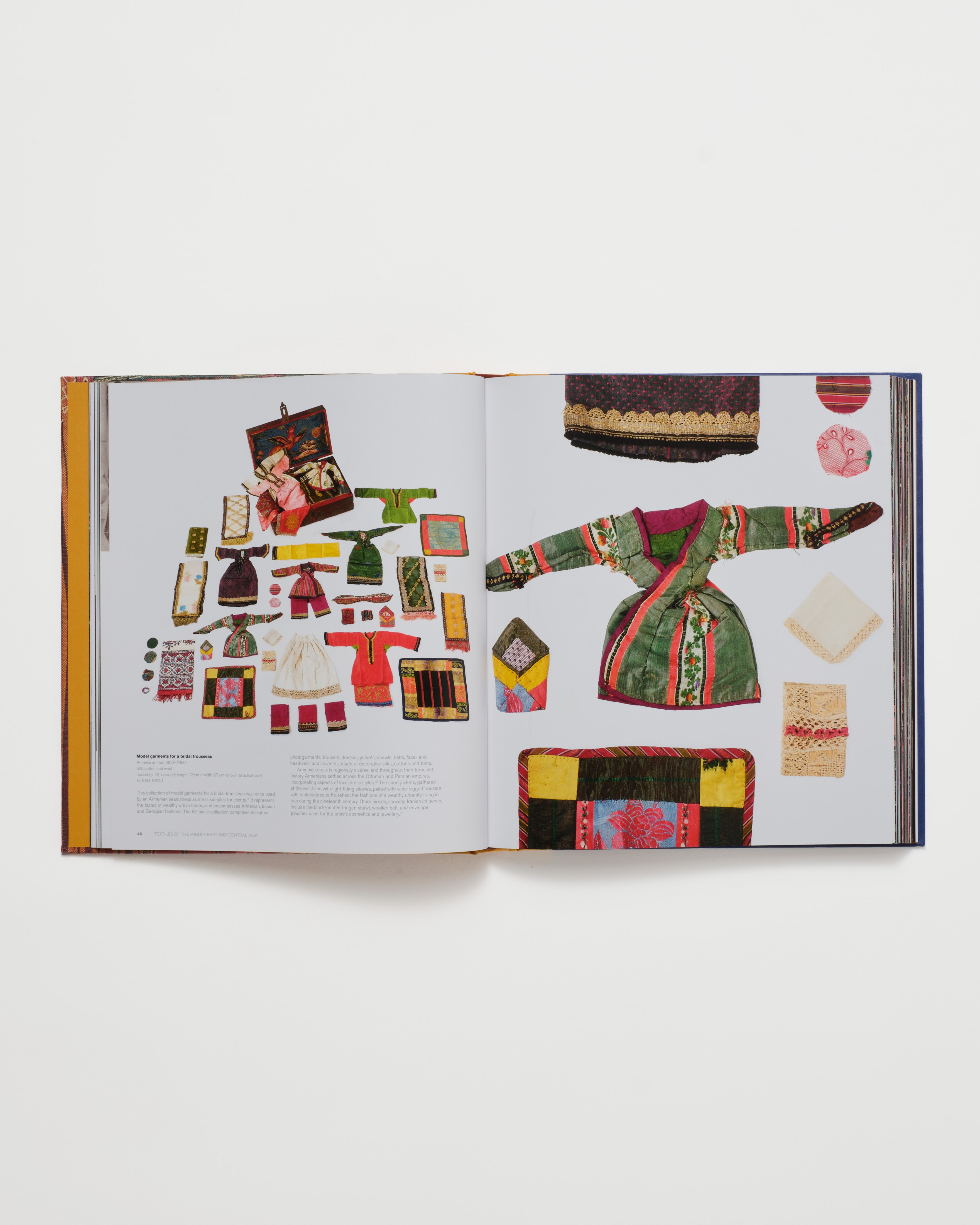
Sudpsuez Textile of the Middle East and Central Asia – The Fabric of Life
Words by Fahmida Sulehman
A beautifully illustrated exploration of the textile traditions of a culturally diverse region, from the late eighteenth century to the present day, featuring works from the extraordinary textile collection at the British Museum Textiles of the Middle East and Central Asia explores the significance and beauty of textiles from across the Middle East, Turkey, and Central Asia. This vast region has been the focus of population movements, exploration, and trade for thousands of years and is home to a wealth of textile traditions. From the intricate embroidery on a Palestinian wedding dress to the complex iconography on an Afghan war rug, textiles reflect the beliefs, practices, and experiences of people from these lands. The book is arranged thematically with pieces grouped according to their purpose or meaning, enabling, for example, the comparison of domestic furnishings, wedding attire, and children’s garments from across the region. The book also includes contemporary works that grapple with modern political issues. The textiles featured include male and female garments, hats and headdresses, rugs and felts, children’s clothing, dolls, tent hangings, amulets and animal harnesses. Focusing on the British Museum’s remarkable collection, Textiles of the Middle East and Central Asia offers a wealth of creative inspiration and will be essential reading for anyone interested in textiles and the cultures of the Middle East and Central Asia.
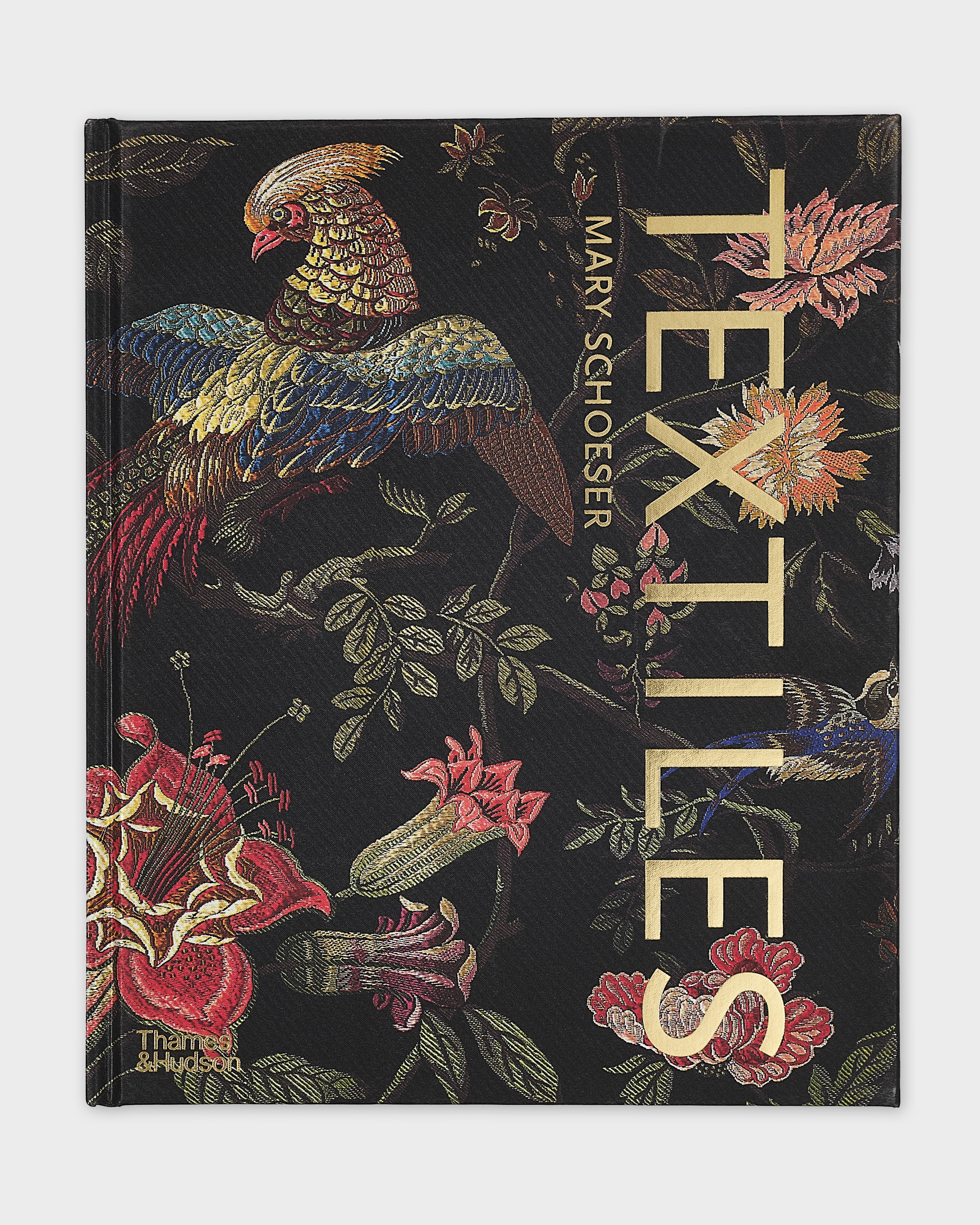
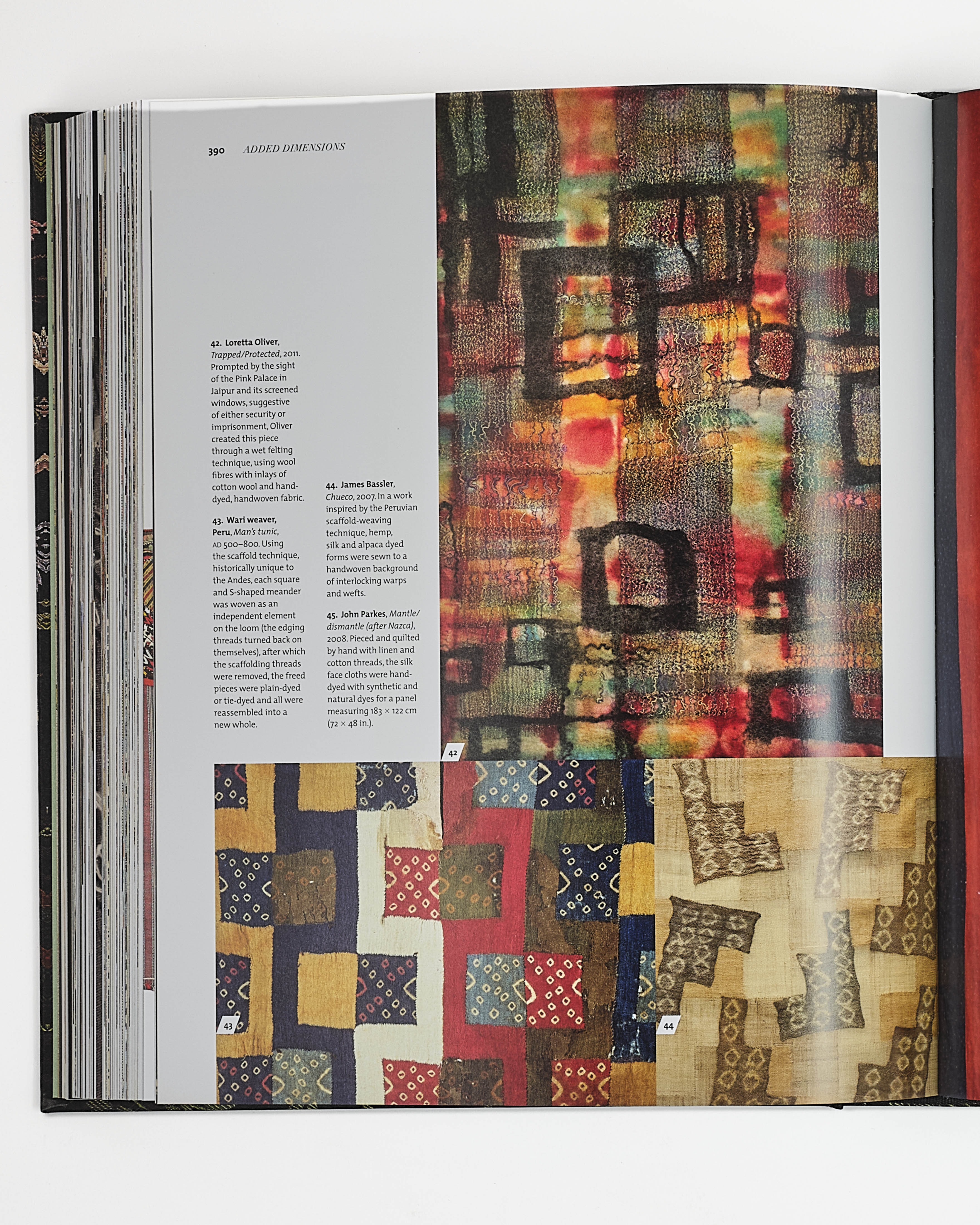
Sudpsuez Textiles, The Art of Mankind
Written by Mary Schoeser
Textiles are the most ubiquitous, diverse, and consistently creative art form on the planet. This major new work comprises more than one thousand images that highlight the beauty, subtlety, simplicity, or complexity of textiles created around the world. Based on the knowledge accrued over a lifetime of immersion in the textile arts, Mary Schoeser’s definitive text offers sweeping insight into the role that textiles have played throughout human civilization. The juxtaposition of historical and contemporary examples highlights the skill and imagination of textile designers through the centuries as well as the remarkable range of achievements. Detailed images and informed captions illustrate the variety and allure of textiles, and the informative descriptions include histories of private collections, underscoring the importance of context for appreciating the exquisite detail of fabric and cloth. An extensive resource section provides valuable information about museum and textile associations across the globe.
Published by Thames & Hudson
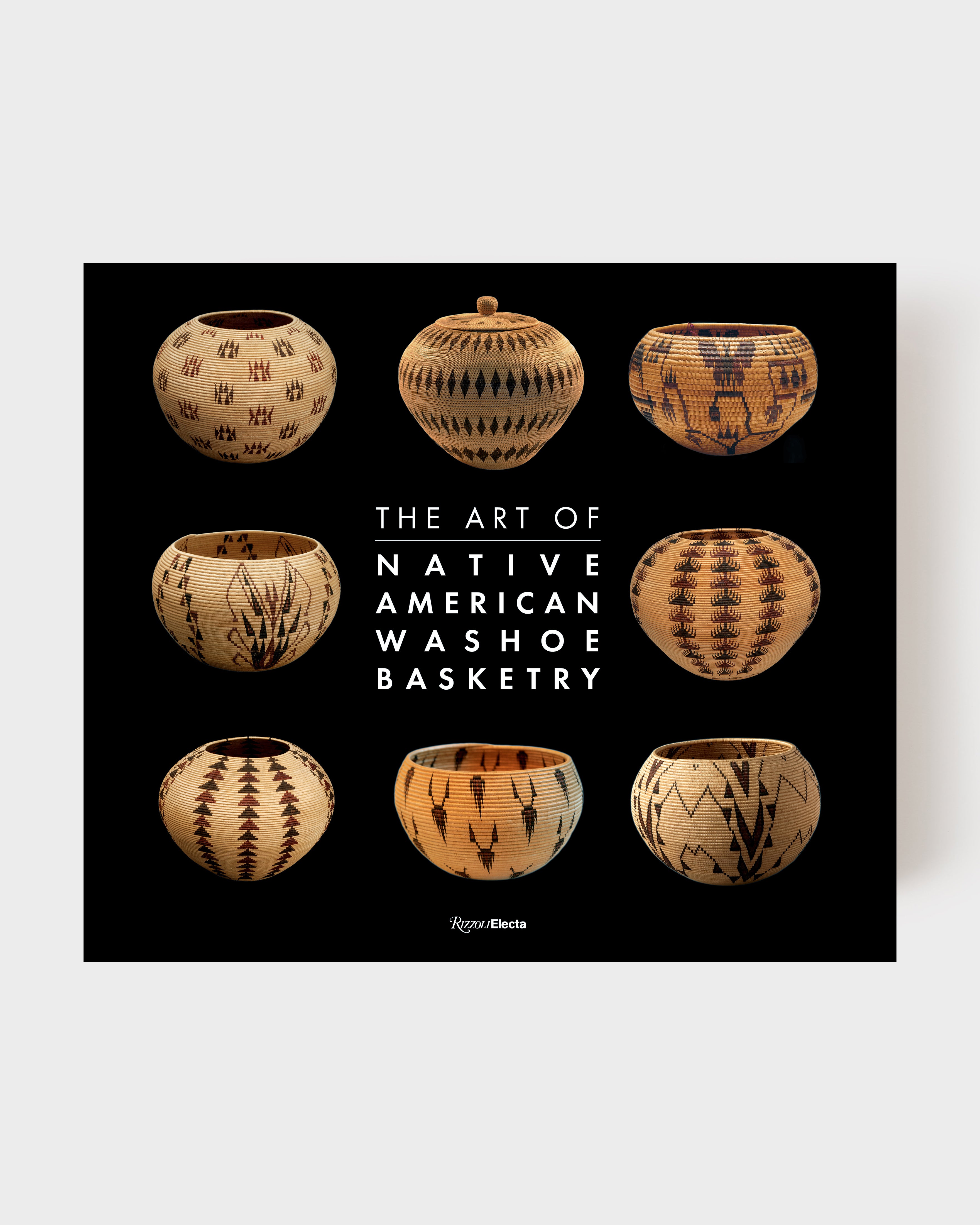
Sudpsuez The Art of Native American Washoe Basketry
Words by Ann M. Wolfe
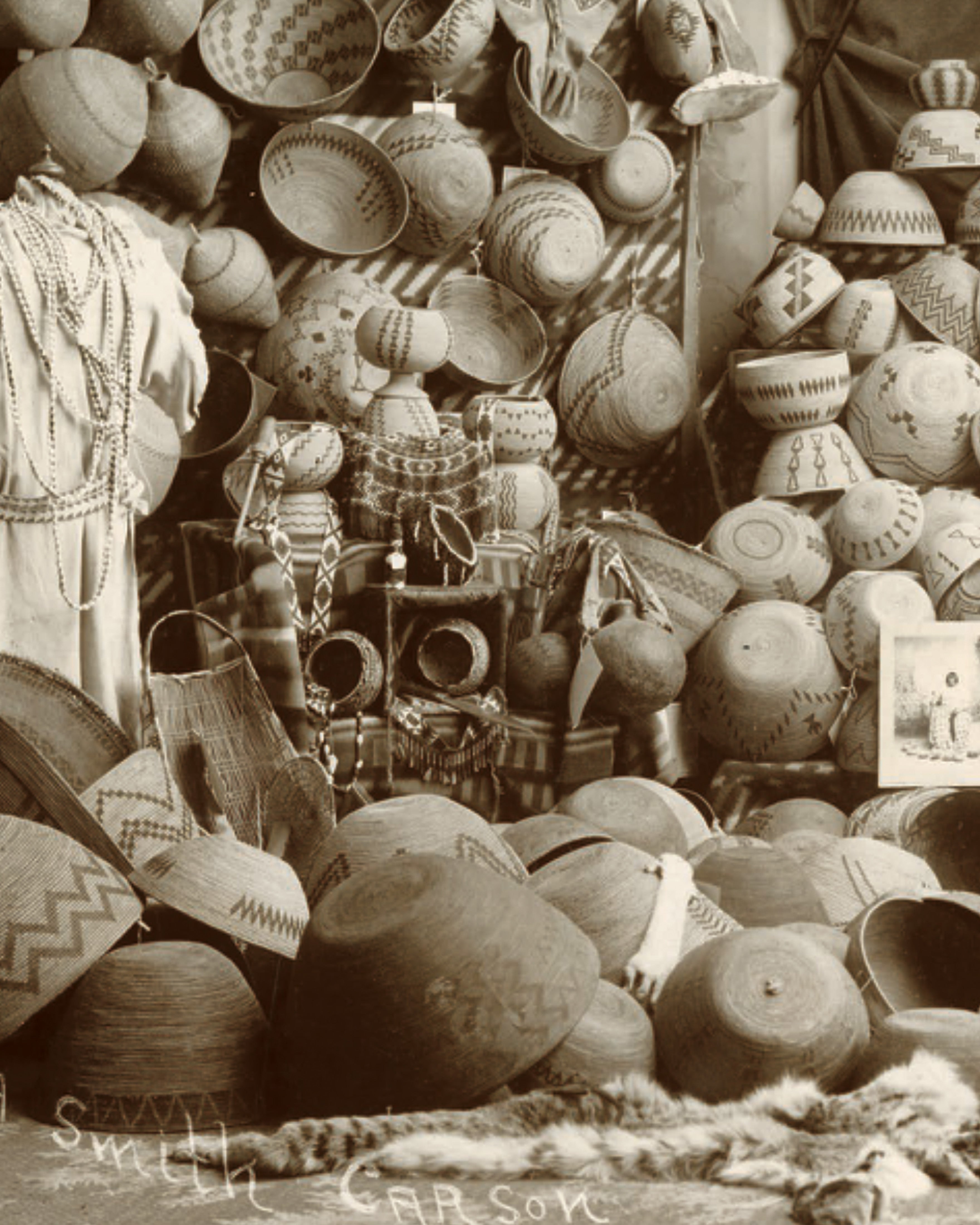
This large-scale book presents breathtaking Native American basketry made by the Washoe people who have lived in the Lake Tahoe region of California and Nevada for millennia.
This book explores fine art and functional basketry made by Washoe weavers, who are recognized for their intricate and meticulous weaving techniques and complex designs. Drawing inspiration and natural materials from their ancestral homelands, Washoe baskets reflect the deep cultural reverence of their makers for the environment, particularly the sacred site of Lake Tahoe, the surrounding Sierra Nevada, and adjacent valleys. Among Washoe weavers, Louisa Keyser, also known as Datsolalee, is widely regarded as one of the most innovative, important, and famous basketmakers in North America. The book provides a deeper understanding of the cultural, historical, and political contexts in which these remarkable baskets were created, making it an essential read for anyone interested in Indigenous art and culture.
Published by Rizzoli
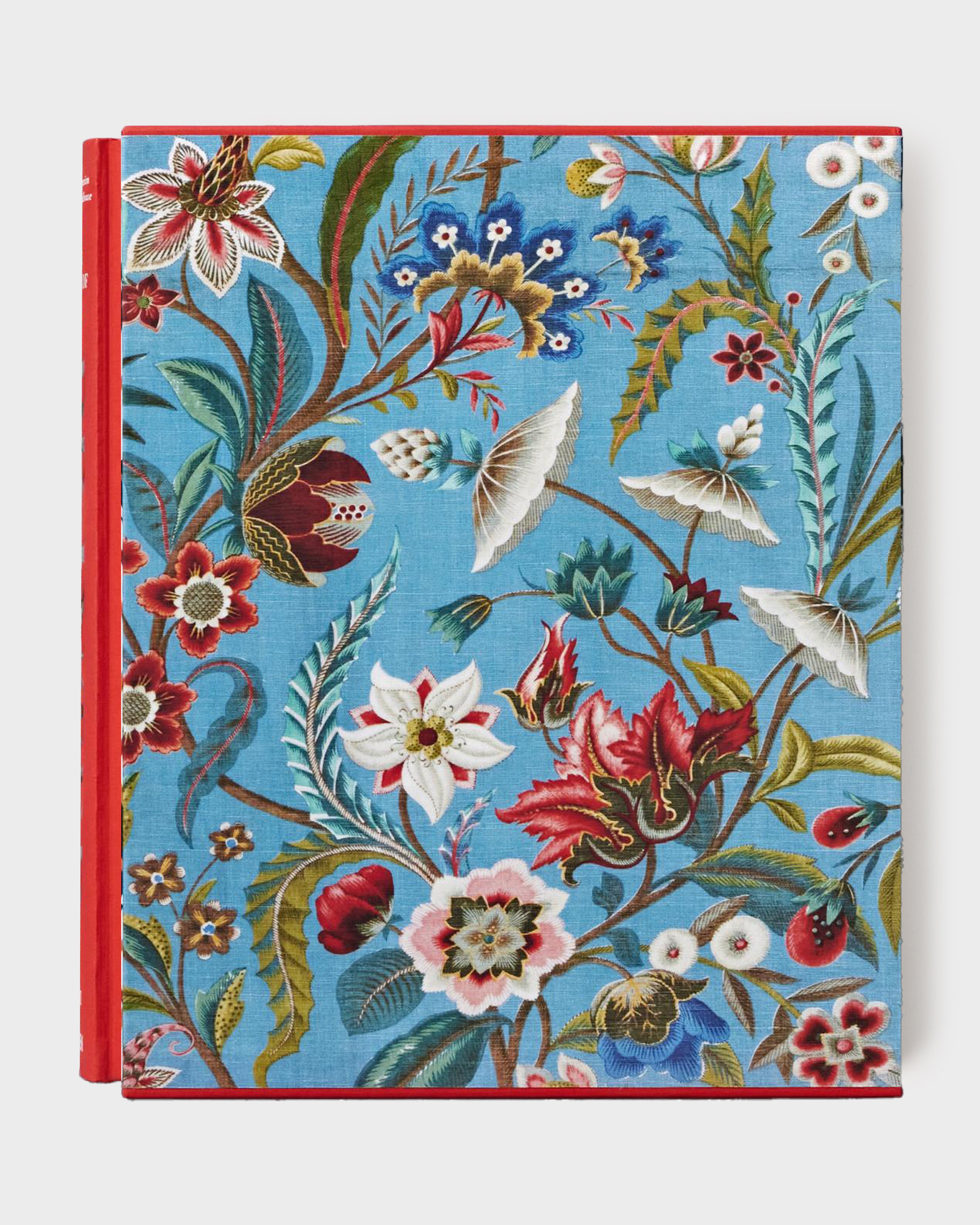
Sudpsuez The Book of Printed Fabrics: From the 16th Century Until Today
In the far east of France, close to the German and Swiss borders, lies the historic city of Mulhouse. During the early 19th century, it became one of the leading centres of textile manufacture in the country. Today it is home to the Musée de l’Impression sur Étoffes, a museum dedicated entirely to the history of fabric printing from the 17th century right up to the present day.
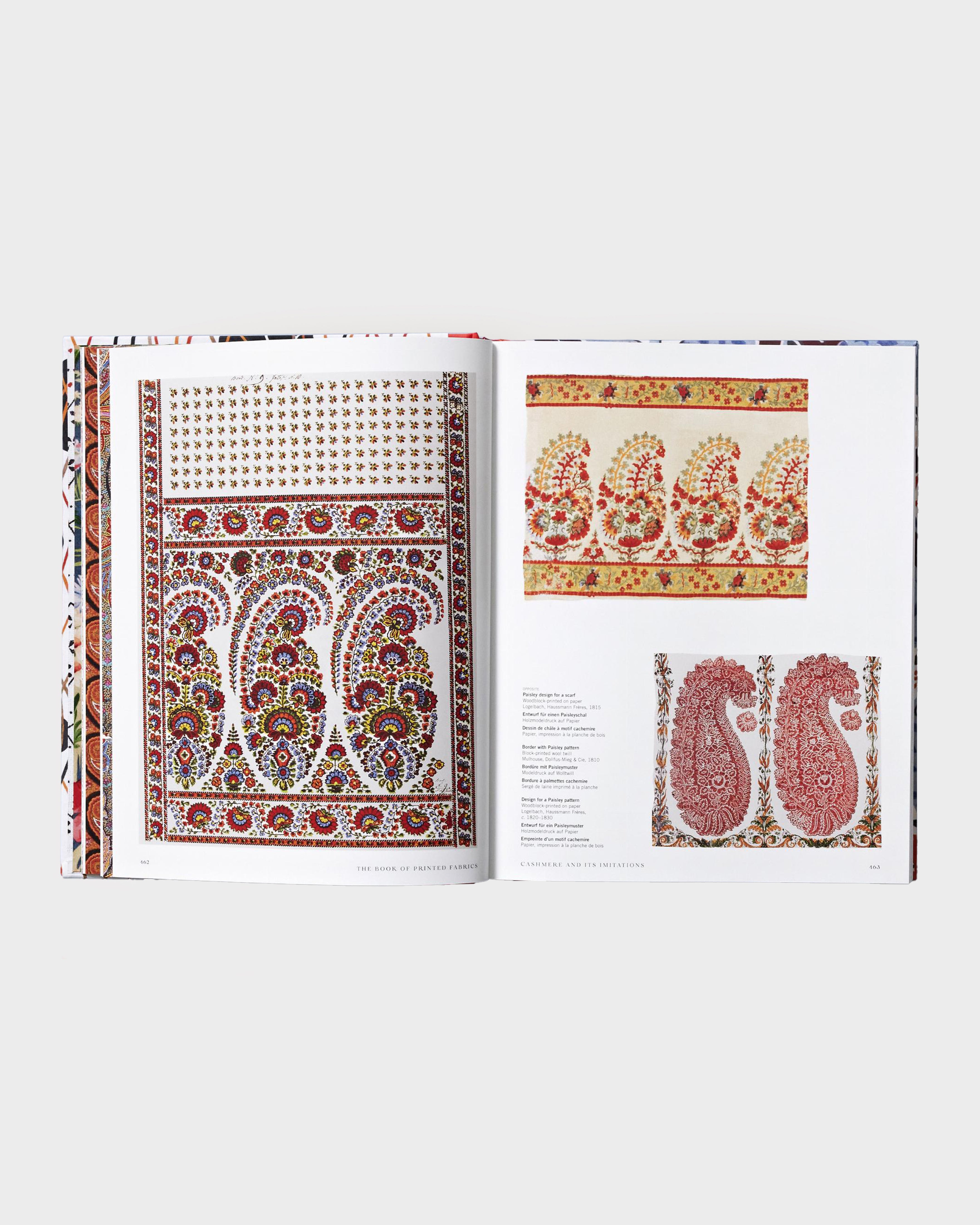
Few are the serious fashion designers who have not come to visit this astonishing temple to textiles. This book, however, gives you the key to those vaults, presenting on its broad pages perfectly captured images of its collections that span four different continents – recounting a fascinating artistic and technological adventure across the world, from its origins in India to the most contemporary creations.
Across two volumes, you’ll discover nine luxuriantly illustrated chapters that being to glorious life a chronological and thematic overview of the Musée’s unprecedented retrospective of the art of printed fabrics. And that journey begins in India, with the first volume devoted to the far east origins of the designs that made these prints famous, and how they came over to the factories of Europe. You’ll also find here stories and images detailing artistic innovations such as toile de Jouy and the development of new colour ranges.
In the second volume, the reader can look back at the incredible inventiveness of manufacturers and their designers throughout the nineteenth and twentieth centuries. Explore eye-catching cashmere motifs and the intense passion for nature and flowers that emerged under the Second Empire, before the artistic avant-gardes and modernity profoundly evolved the artistic creation of textile prints.
With nearly 900 pieces reproduced here to the highest possible standard, you will journey through the extraordinary tapestry of motifs and colours, that make this book such a peerless source of inspiration for textile enthusiasts of all kinds.
Sudpsuez The Cottage in Interwar England
Words by George Entwistle
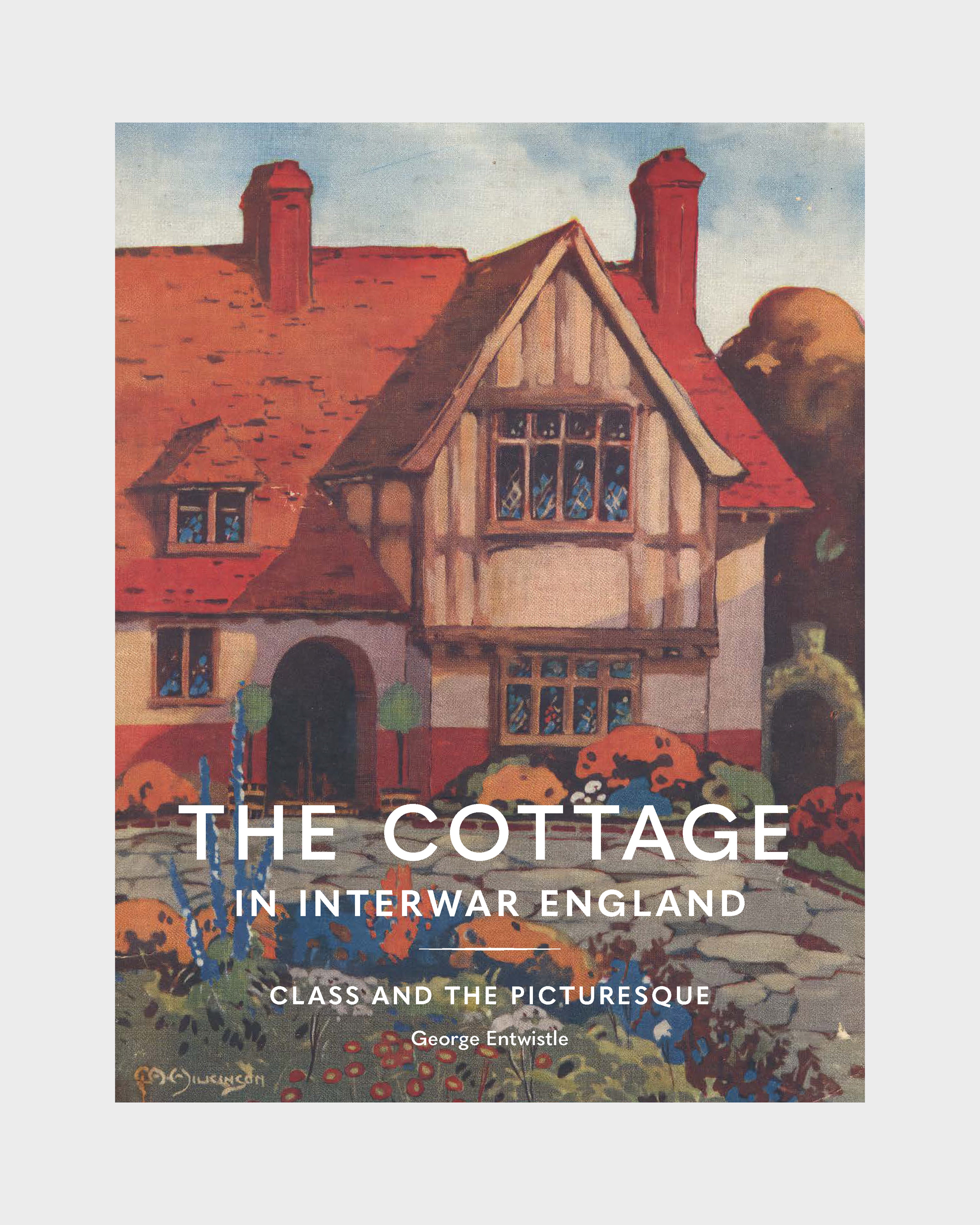
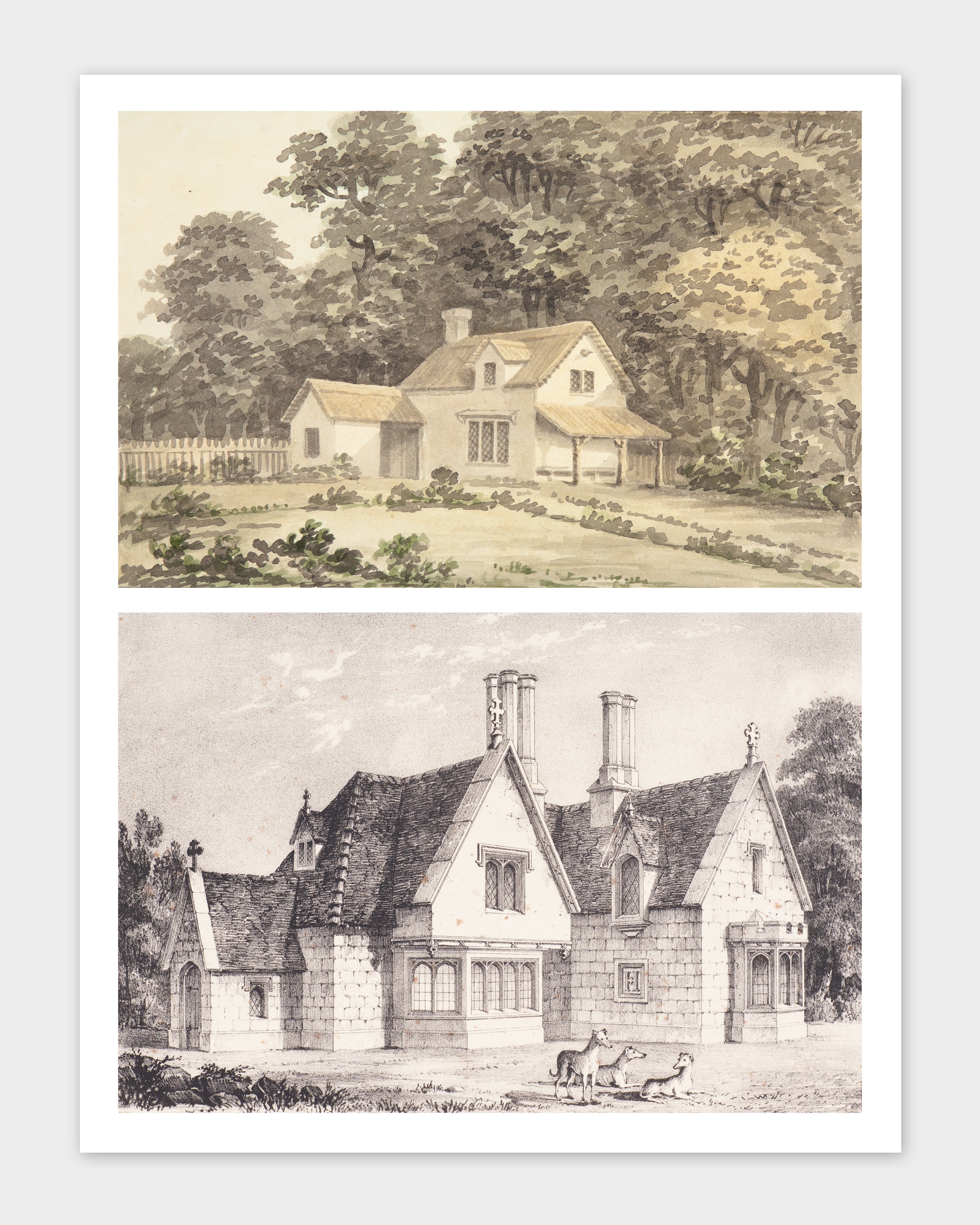
The 20 years between First and Second World Wars were a time of dramatic development for English people and their homes. By the end of the 1930s, one family in three was living in an interwar house. But one thing that did not change was the sentimental affection of the English for the idea of the cottage picturesque – a problematic continuity, with class and cultural dimensions, that inflected English domestic architecture long after the theorisation of the Picturesque in the 1790s.
This book explores the powerful hold on the national imagination of cottage architecture in the interwar period and its hitherto under-examined influence on the politics and aesthetics of class, council housing, conservation, and on the 1920s and 1930s boom in speculative house-building. The book examines the relationships between working-class council houses specifically steered away from looking like the cottage picturesque; traditional cottages appropriated by middle-class weekenders, adopted by conservationists, and mythologised by politicians in the 1920s; new-build speculative housing that the public bought (in the 1920s and 1930s) and architects deprecated because it was designed to evoke the cottage; and early modernist houses, celebrated by architects but treated with suspicion by the public because their aesthetics were at odds with the Picturesque tradition.
Published by Lund Humphries

Sudpsuez The Hamptons: Food, Family, and History
Words by Ricky Lauren
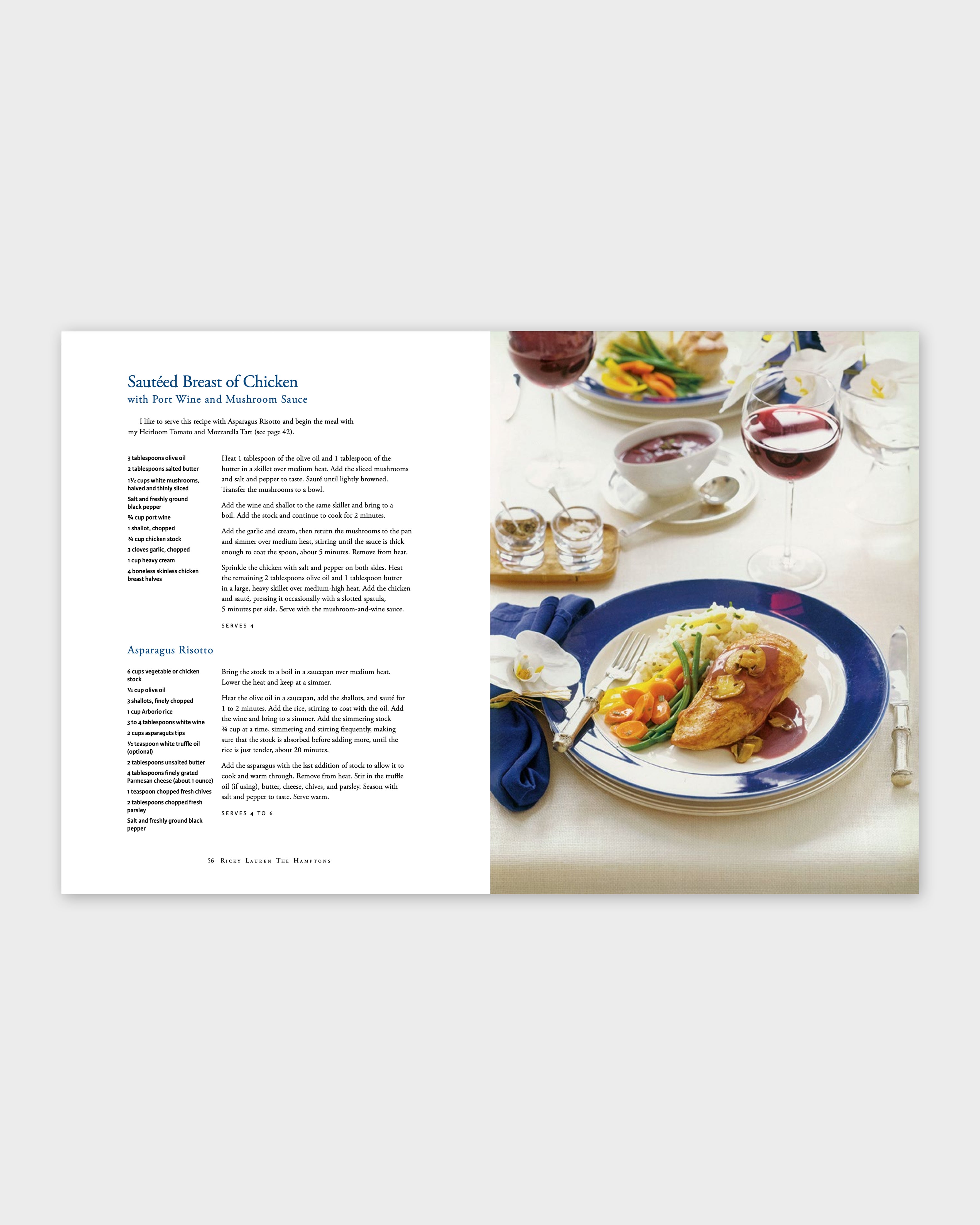
Back in print, this classic book of seaside lifestyle offers Lauren’s ideas for entertaining, cooking, and living by the sea.
This is a beautiful look into seaside living inspired by the world of Lauren’s family beach home.
In the charming coastal town of Amagansett, the Lauren family’s beach house is rich in history, both personal and regional. Drawing on the artistic legends of the Hamptons, and its rich history of famous artists and writers, Lauren celebrates the area’s culture and her family’s connection to it.
Lauren opens the doors to her family kitchen, with more than 100 recipes, sharing her culinary secrets and favorite beach-styled dishes, as well as decorating techniques for creating the perfect table setting and dining atmosphere.
Featuring original photography, artwork, and beloved family snapshots, and full of creativity and ideas, this book is sure to inspire everyone who dreams of living by the sea.
Published by Rizzoli
Sudpsuez The House of a Lifetime: A Collector’s Journey in Tangier by Umberto Pasti
Written by Umberto Pasti and Ngoc Minh Ngo
Foreword by Madison Cox
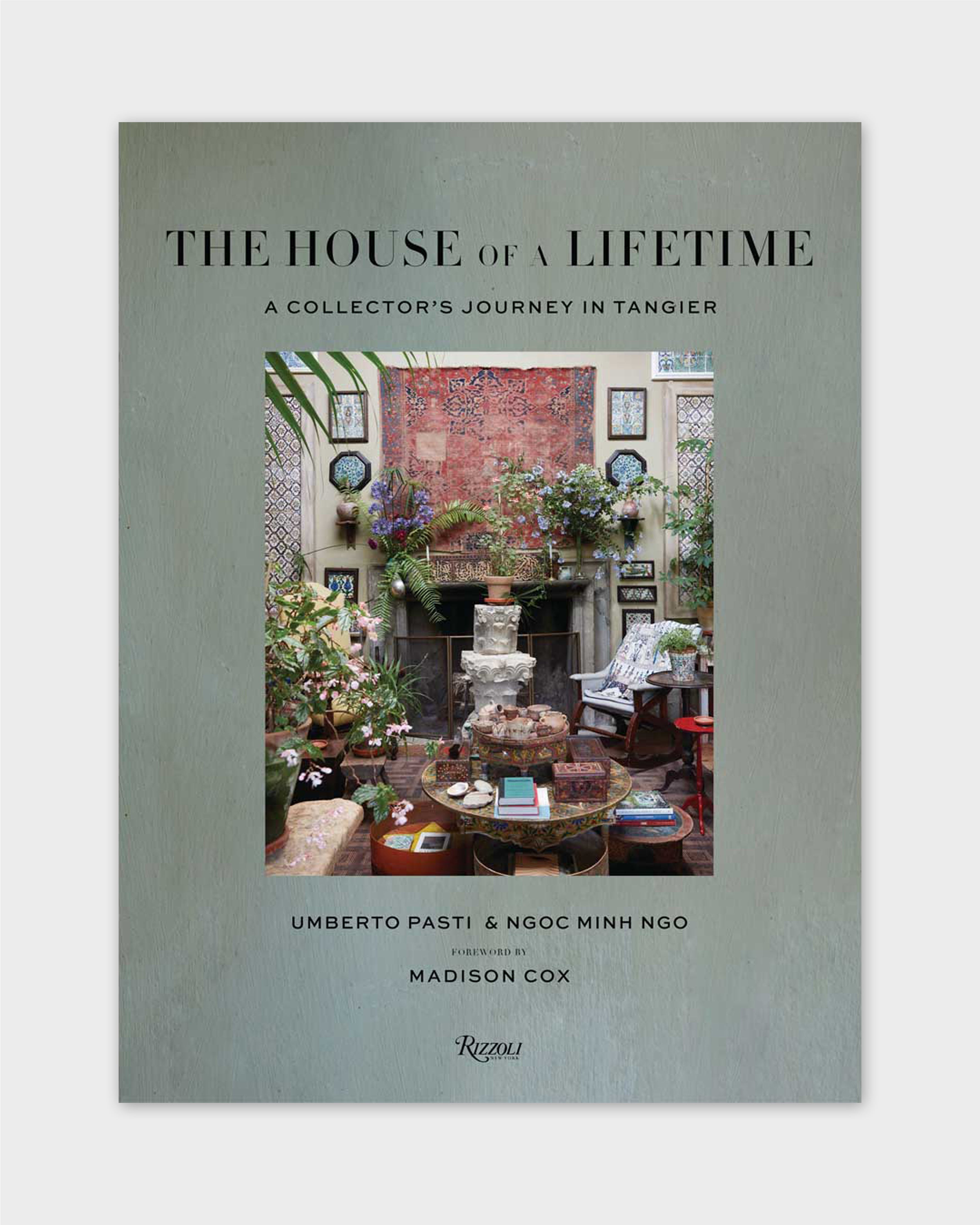
A photographic tour of an exceptional villa in Tangier with a special focus of its museum-worthy collections of Morrocan artworks and objects.
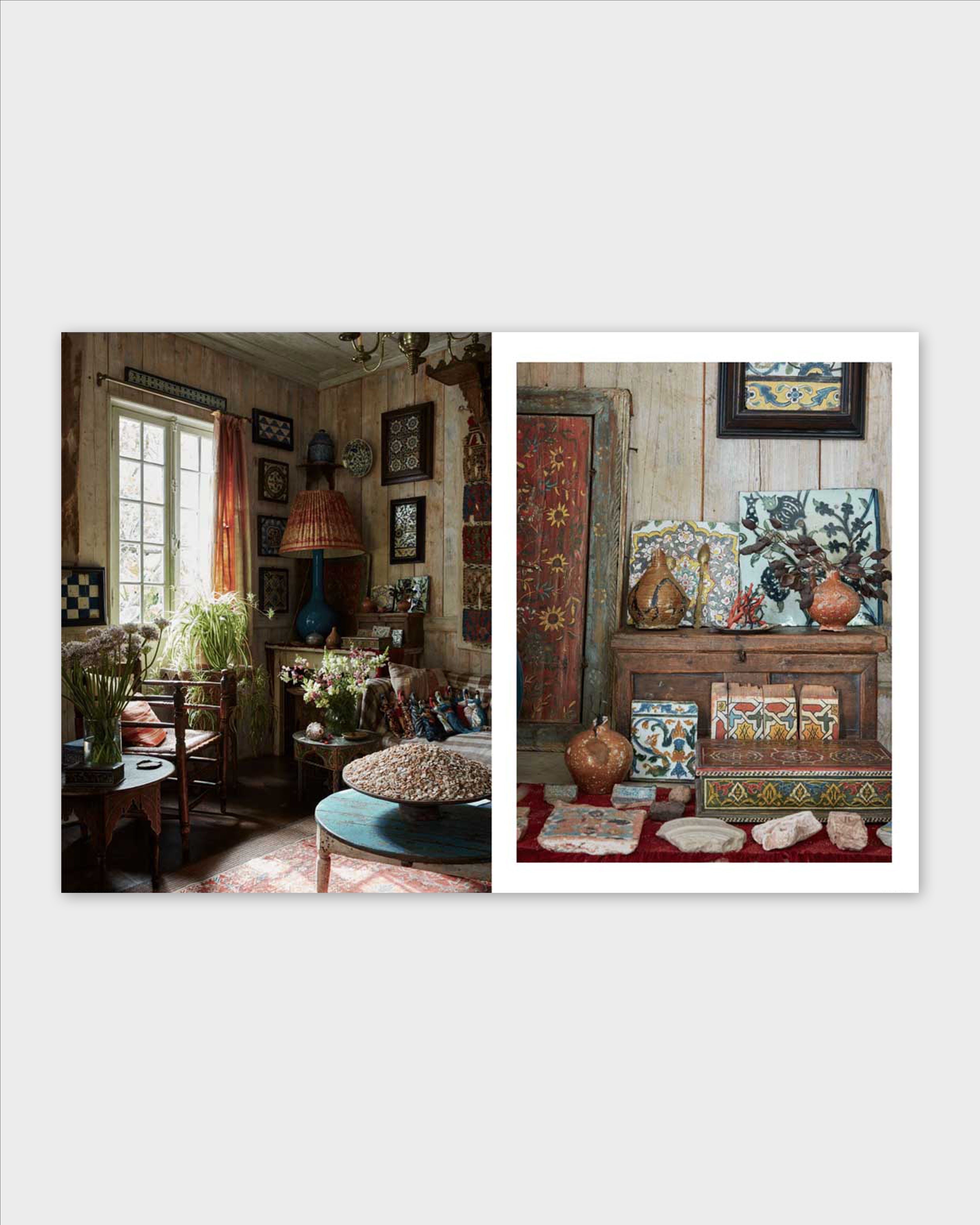
Saturated colors, intricate patterns, striking architecture: writer Umberto Pasti’s house and garden in Tangier is the ultimate example of a well-curated Moroccan villa, filled with museum-quality pieces of furniture, luminous textiles, rare tiles and ceramics, and other objets d’art worthy of a private museum. Set in a lush garden, the house offers glimpses of the serene landscapes and fountains through windows, archways and loggias, as well as Pasti’s scholarly collection of tiles and rare textiles from Africa, the Middle East, and southern Europe. Also on display are highly crafted wooden objects that Pasti has rescued from obscurity and destruction.
With evocative text and gorgeous specially commissioned photographs, this book offers a tour through one of the loveliest homes in Tangier, bringing to life the sophisticated fusion of Morocco’s multicultural blend of cultures. Anyone interested in interior design and scholarly collecting will be inspired by the masterful photographs of this gracious home and its masterful collection.
Published by Rizzoli
Sudpsuez The Queen of the Dolomites. Living in Cortina d’Ampezzo
Photographs by Mattia Aquila
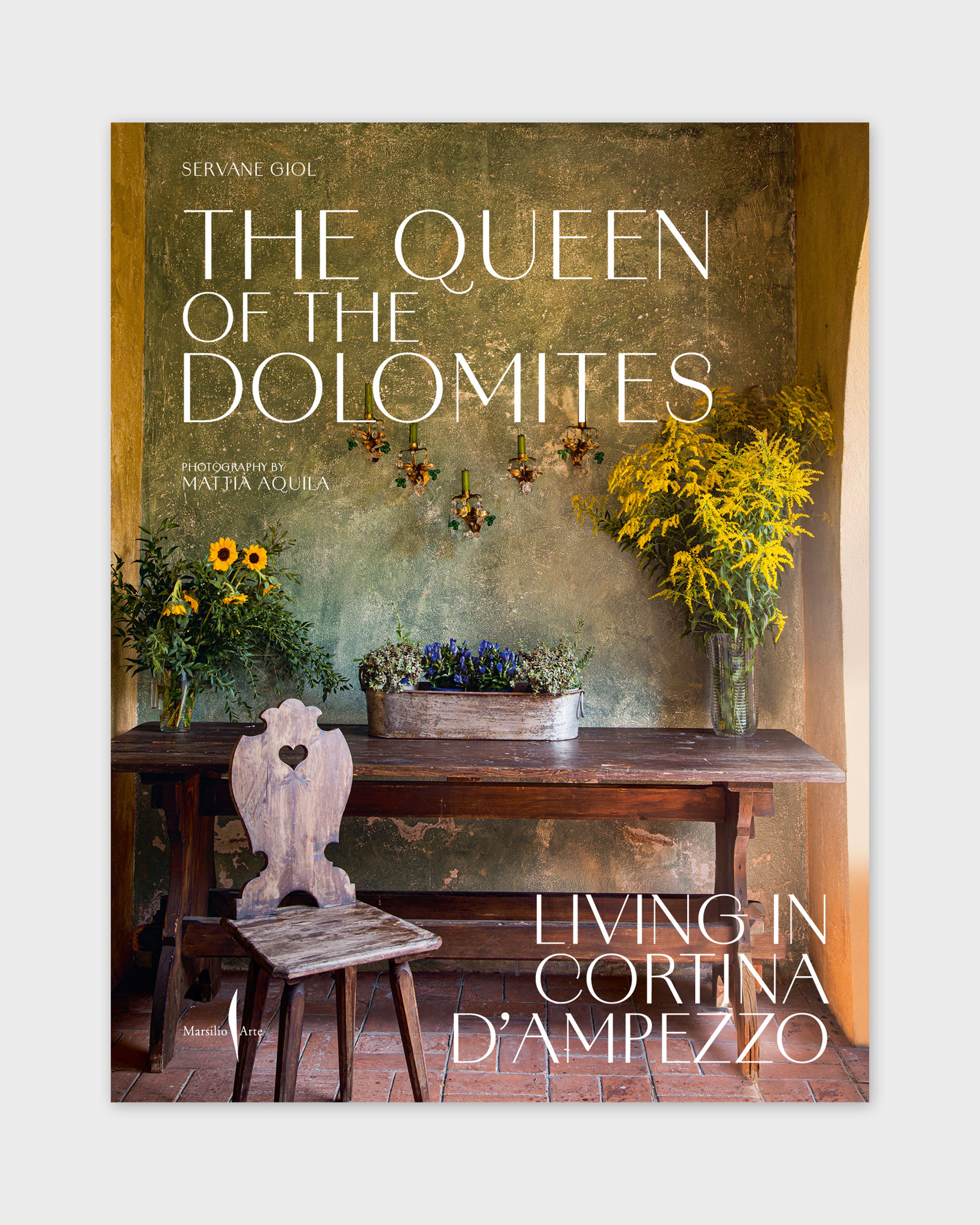
The most exclusive interiors and iconic places of Cortina are told for the first time in a beautifully illustrated book.
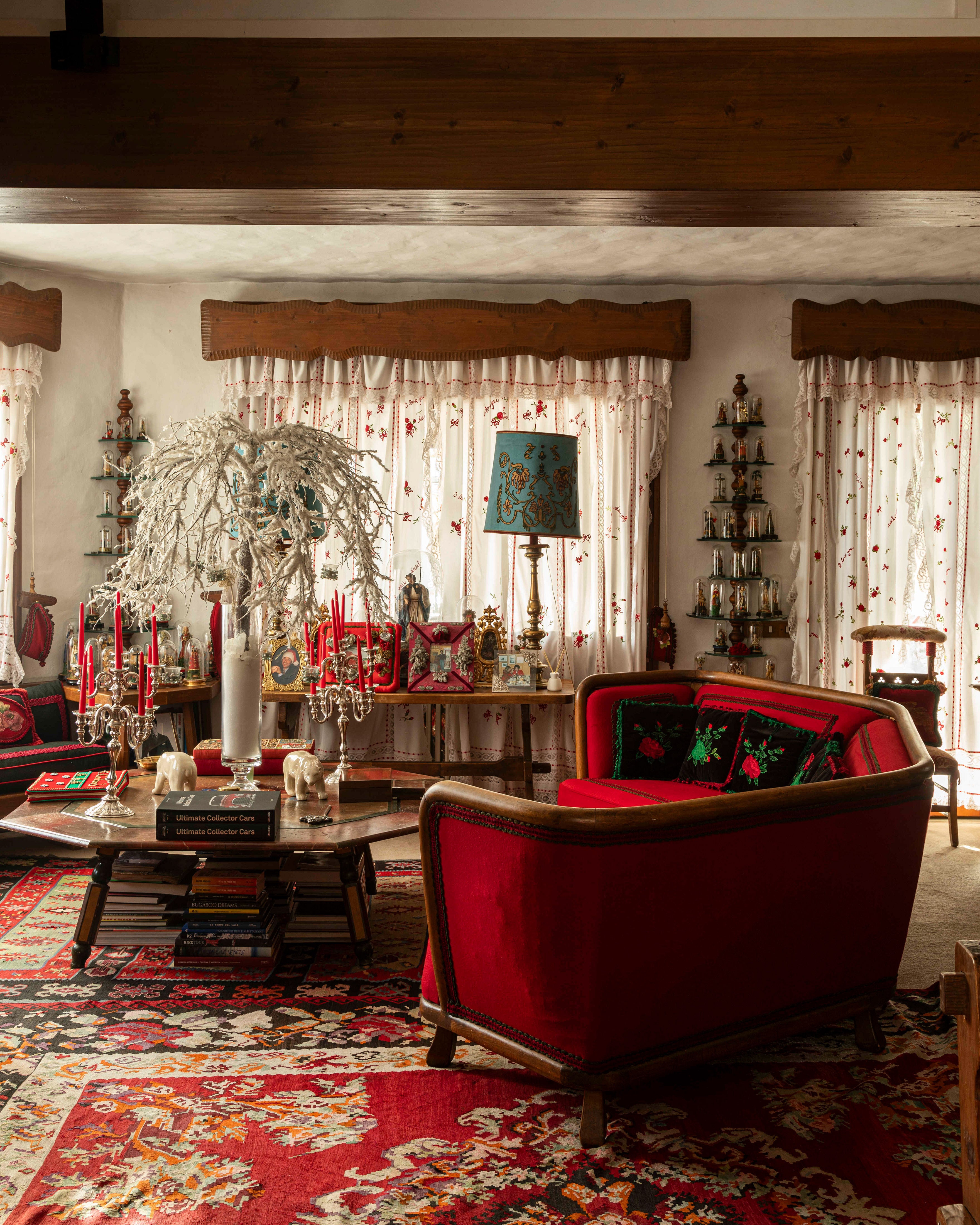
An intimate look at wonderful chalets, huts and private homes, often inaccessible and lovingly lived, chests of objects that reveal anecdotes of famous families and intertwine luxury and family warmth, design and local traditions. The queen of the Dolomites. Living in Cortina d’Ampezzo, published by Marsilio Arte, opens the doors of some of the most exclusive homes of the pearl of the Dolomites, revealing its unmistakable lifestyle.
After An Invitation to Venice, Servane Giol accompanies the reader in a story entirely dedicated to Cortina, which ranges from sports to folklore traditions, from fine fabrics to typical materials, with many curiosities about the characters – writers, intellectuals, artists who helped build the myth of this magical town. Through the unpublished shots of Mattia Aquila, the reader can immerse himself in the intimacy and unique atmosphere of these homes, from the delightful salles de bain to the salons where the wood dominates and the taste for decoration, from the retro style kitchens with richly decorated tables to the sumptuous bedrooms, from unexpected angles with wonderful wooden stairs reinterpreted in a modern key, inlaid chairs, coffered ceilings, verandas, precious doors, up to the windows open on the lush green or whitewashed mountain.
Published by Marsilio Arte