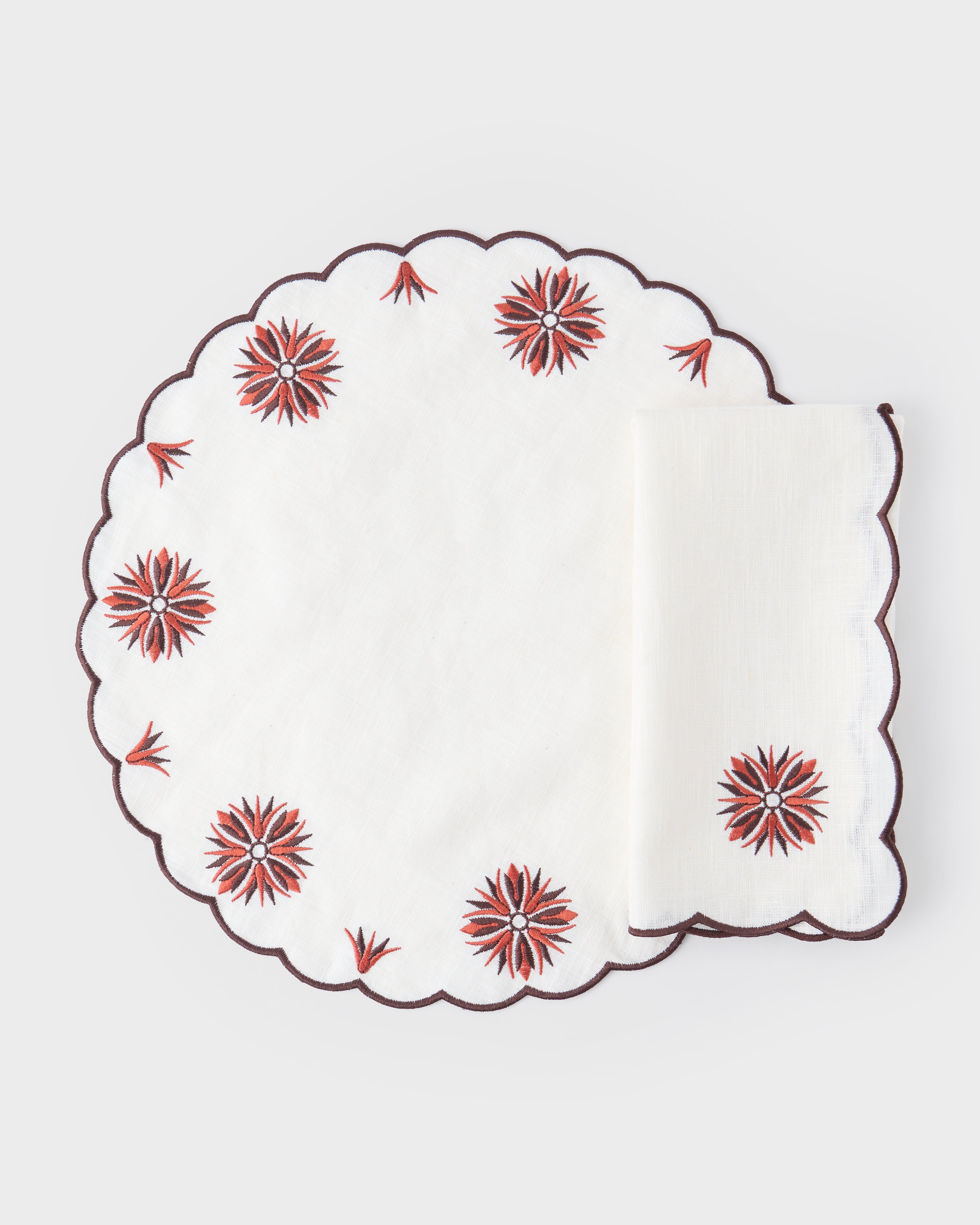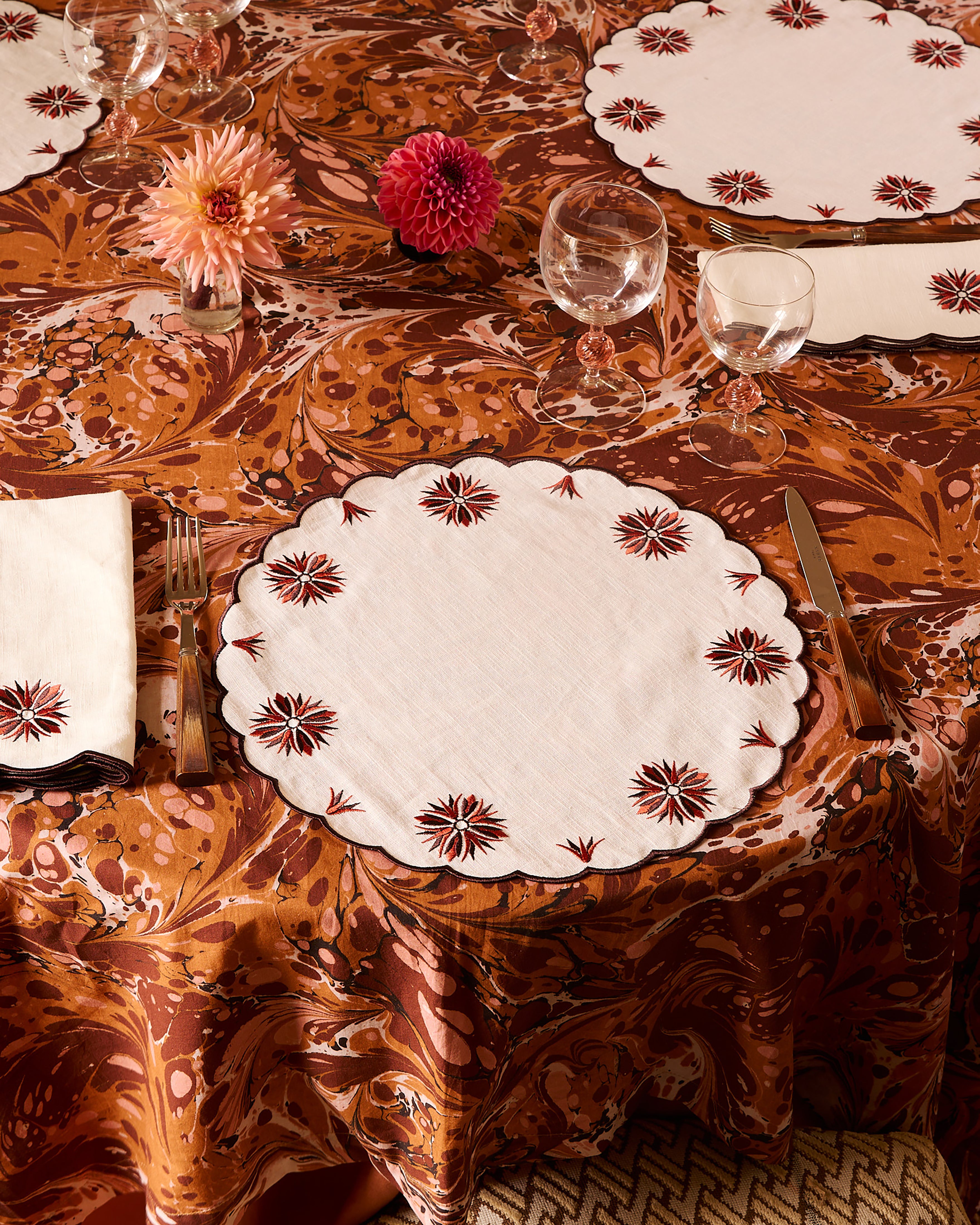
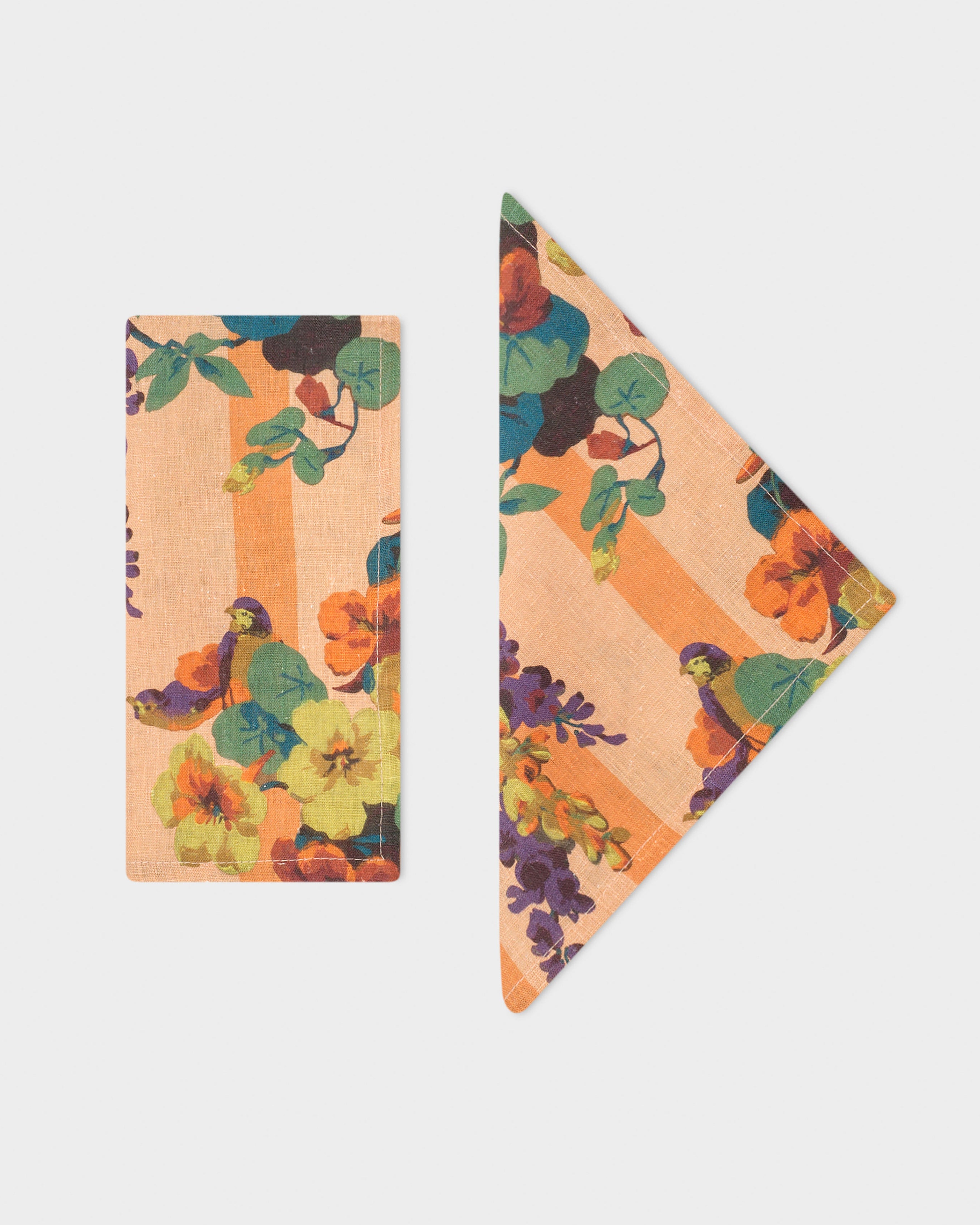
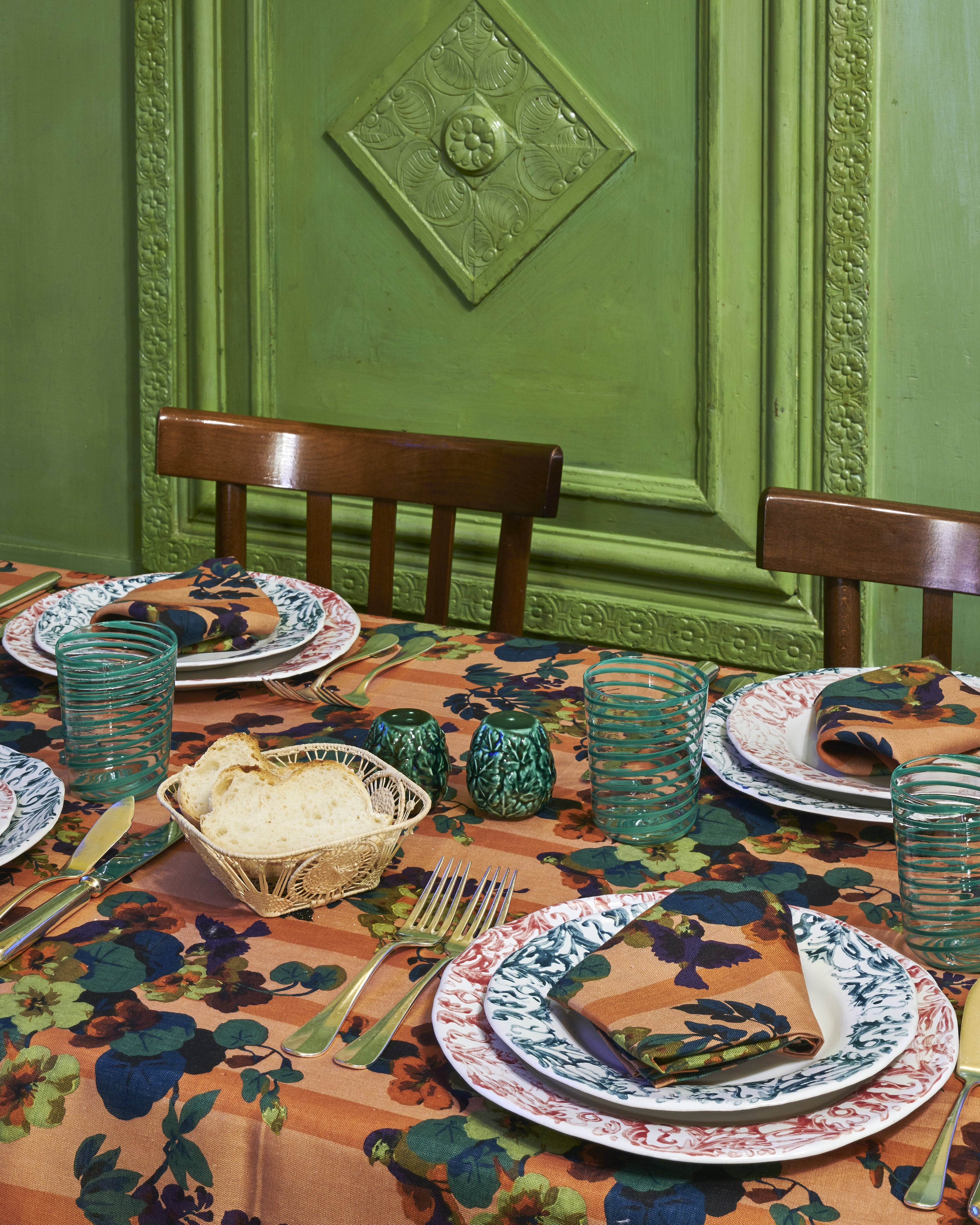
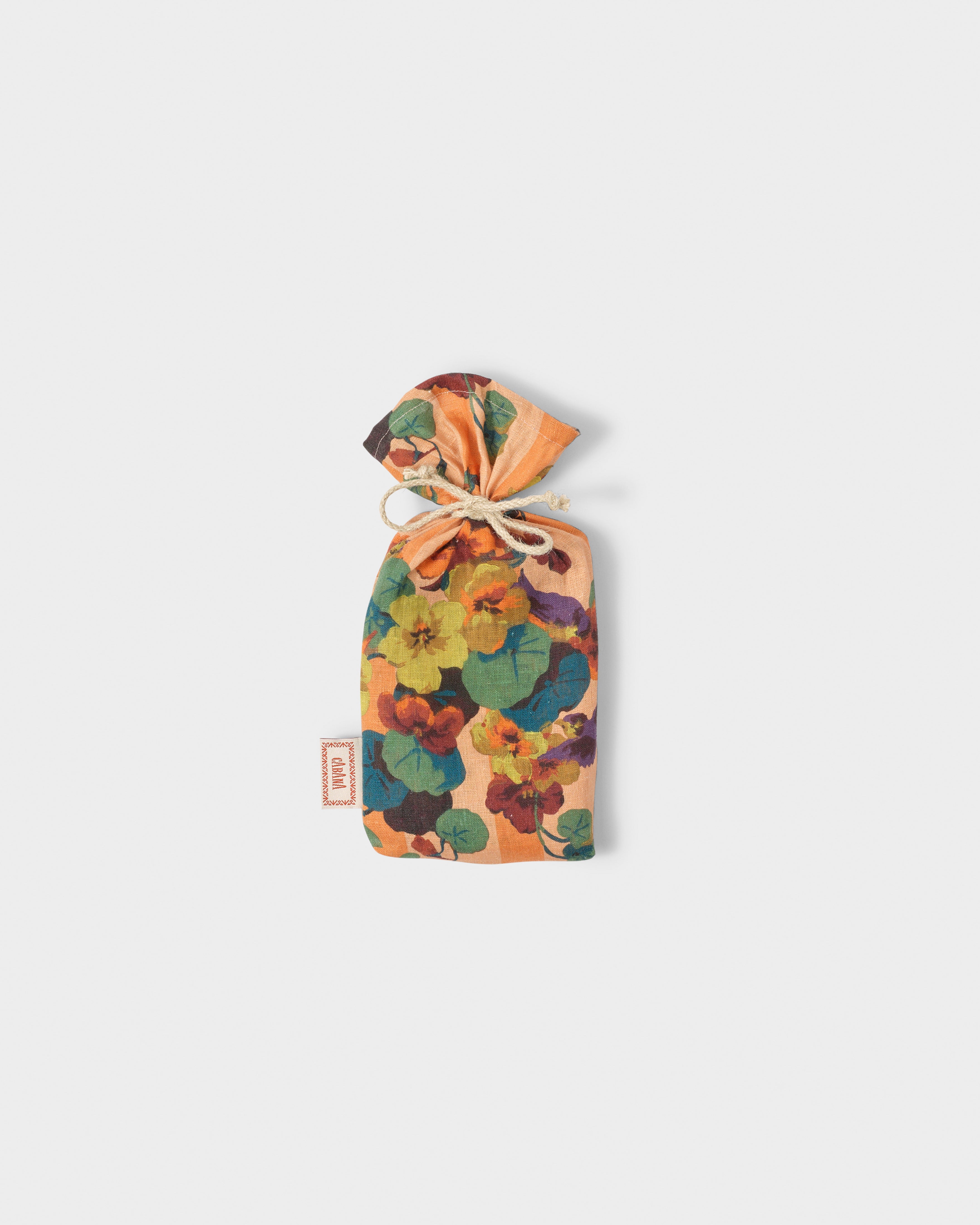
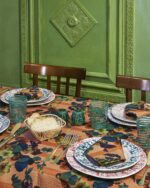
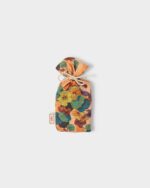
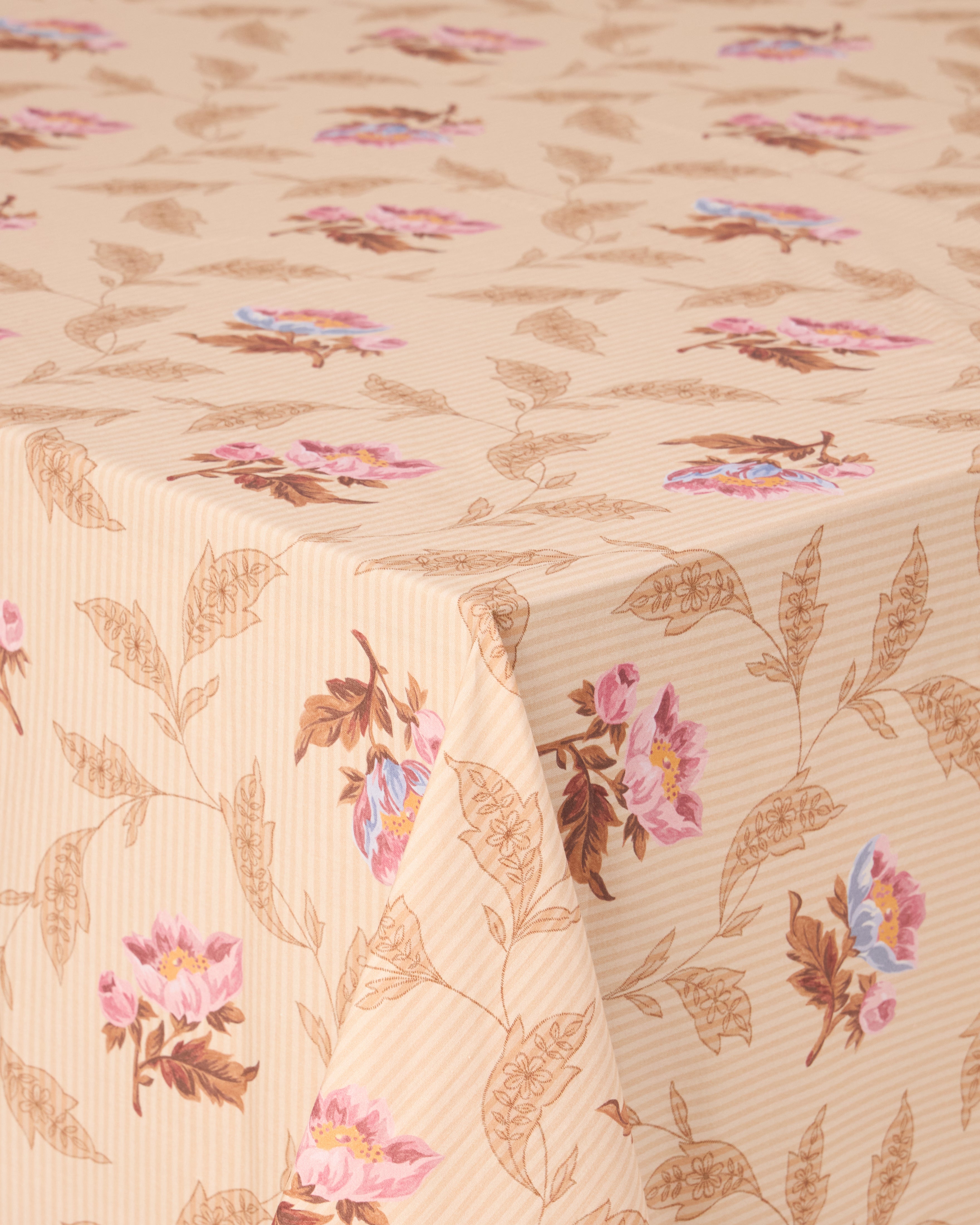
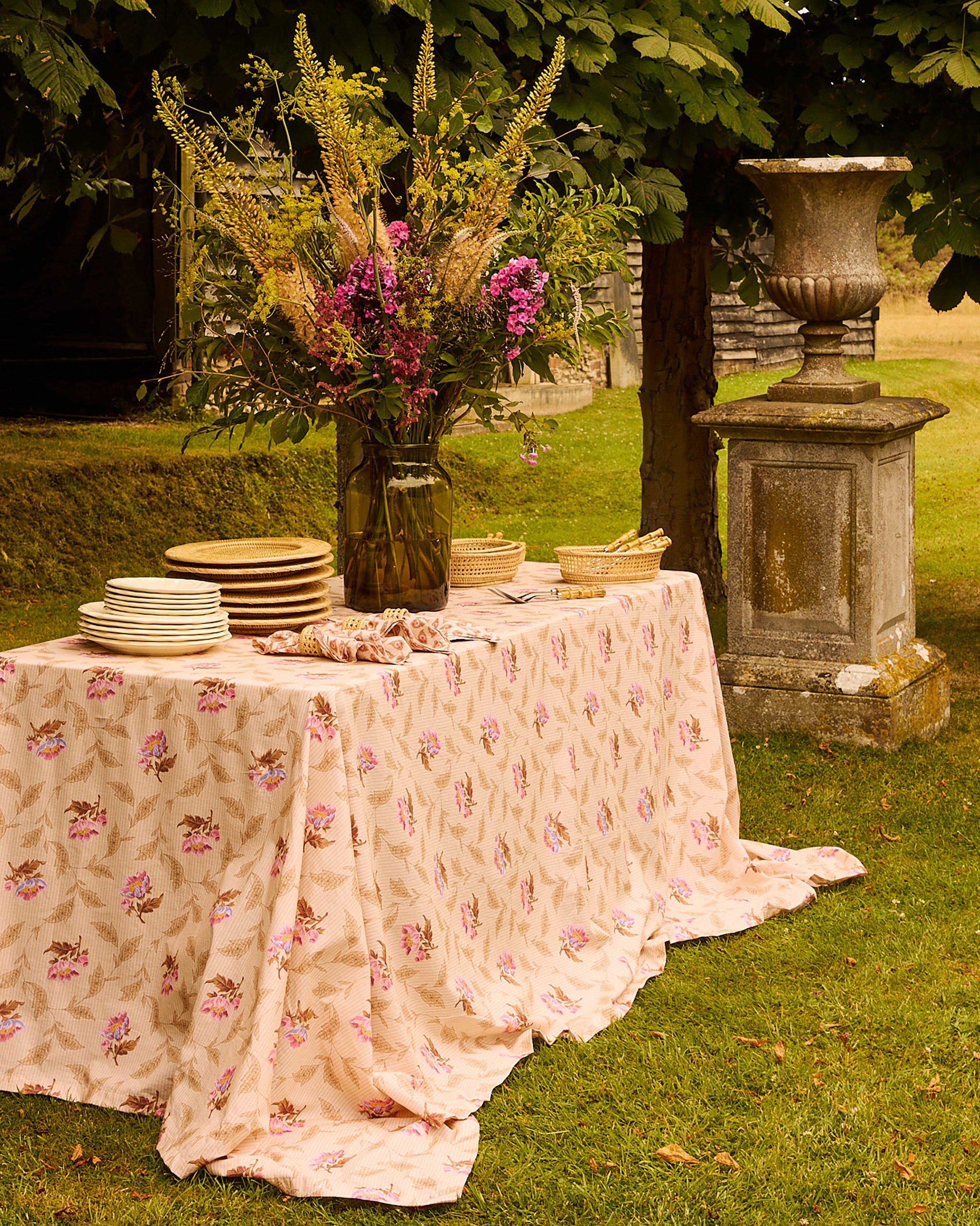
The Terracotta Collection is a stunning ode to Italy's visual identity, defined by the rich, earthy tones of the country’s natural landscape, its celebrated terracotta rooftops and sunbaked joie de vivre. The Lavinia Ivory Tablecloth in Ivory is printed in Italy on 100% cotton with a floral pattern inspired by vintage paper illustrations. Wrapped in a matching patterned bag, it offers an elegant solution for storage.
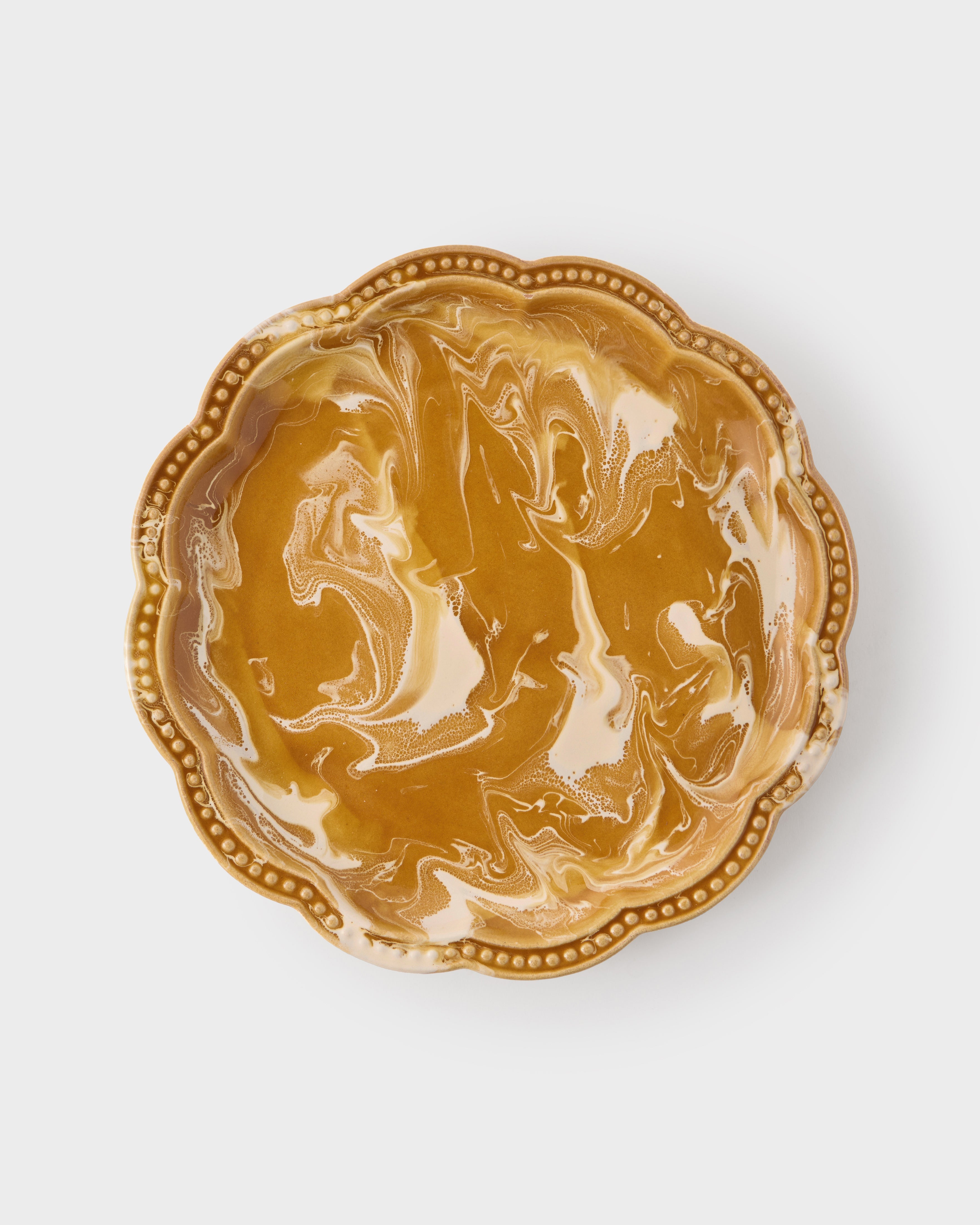
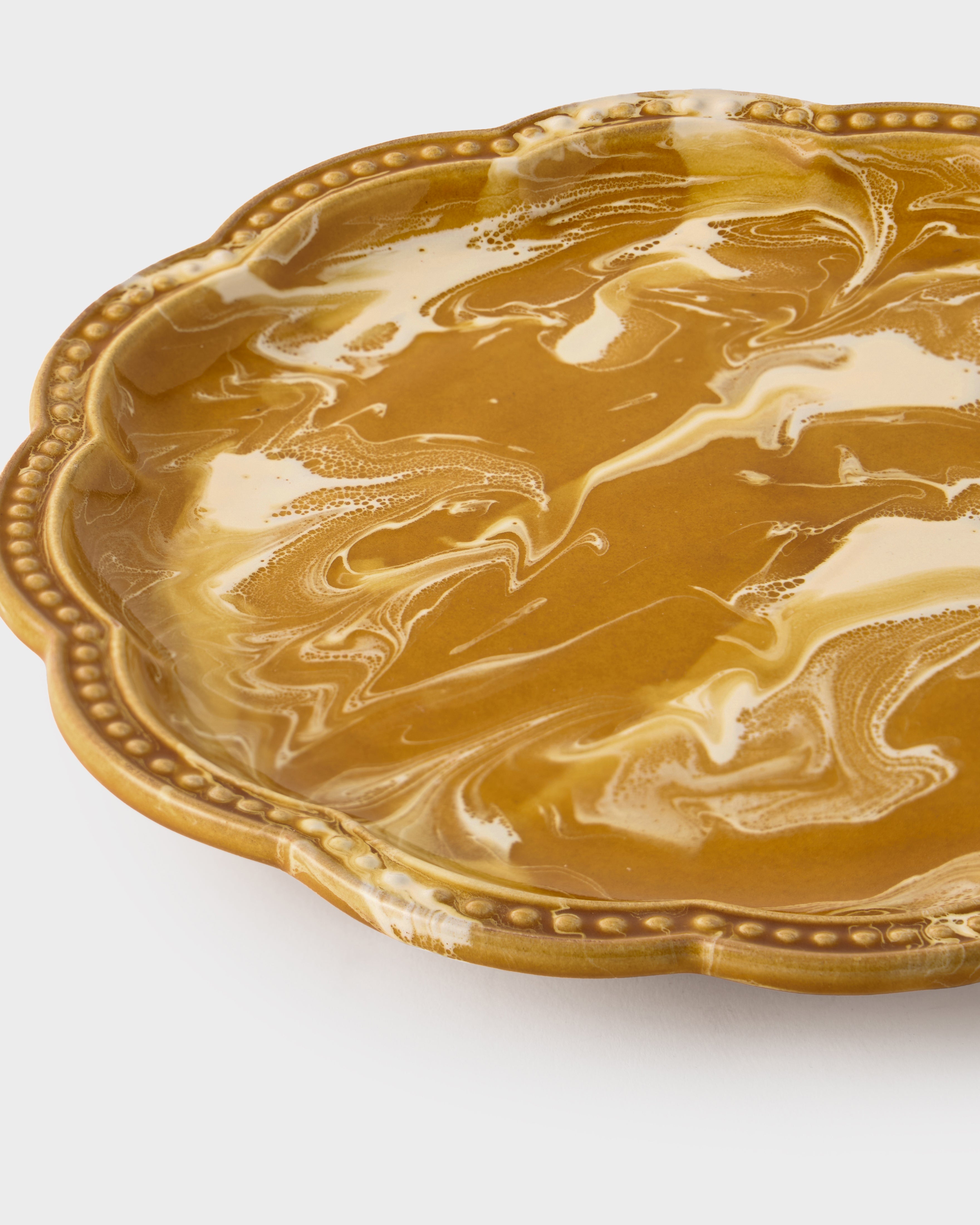
The Terracotta Collection is a stunning ode to Italy's visual identity, defined by the rich, earthy tones of the country’s natural landscape, its celebrated terracotta rooftops and sunbaked joie de vivre. The Marbled Scalloped Dinner Plate features gentle scalloped edges and a marbled pattern in warm hues. Classic with a contemporary feel, this striking ceramic will elevate any table.
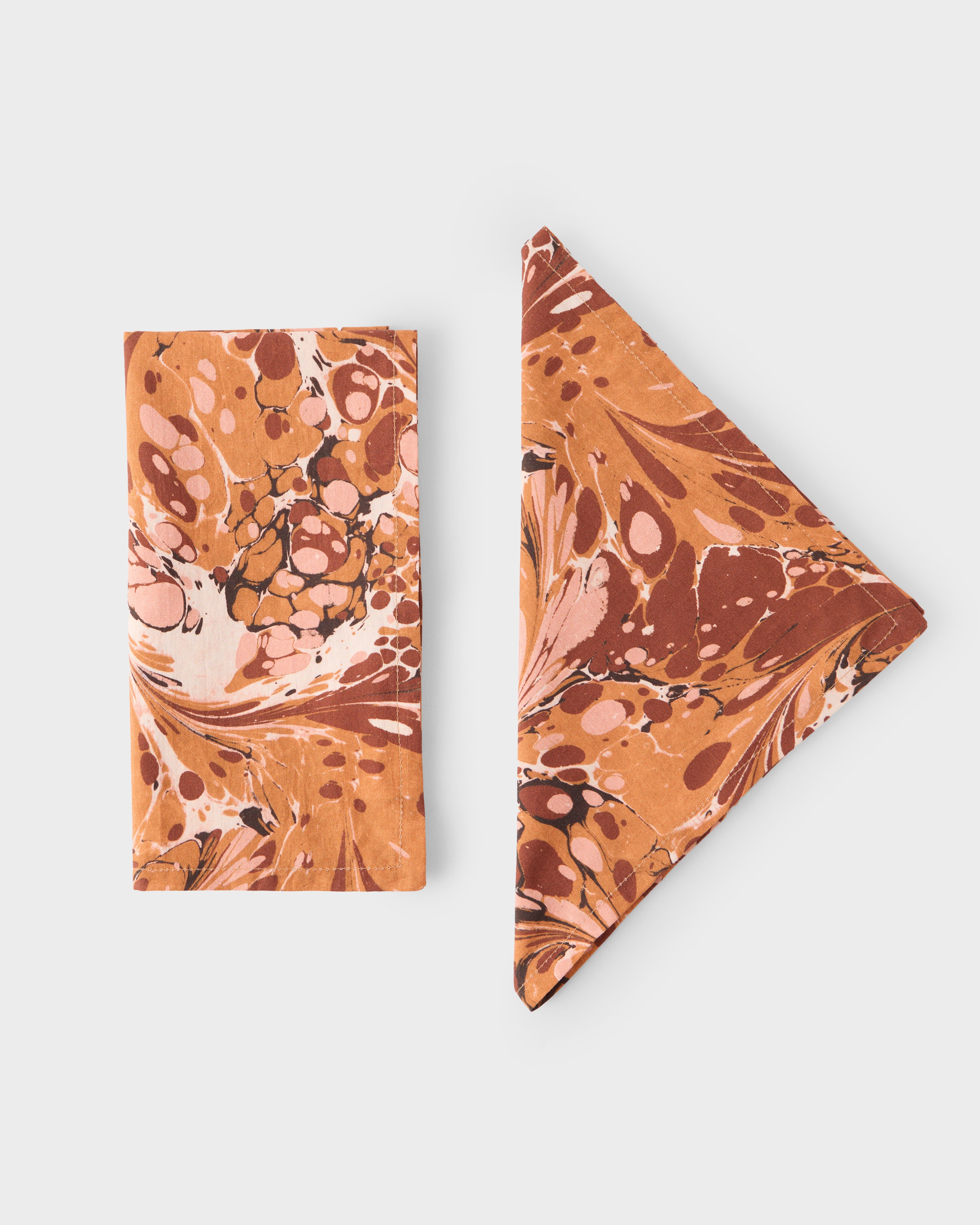
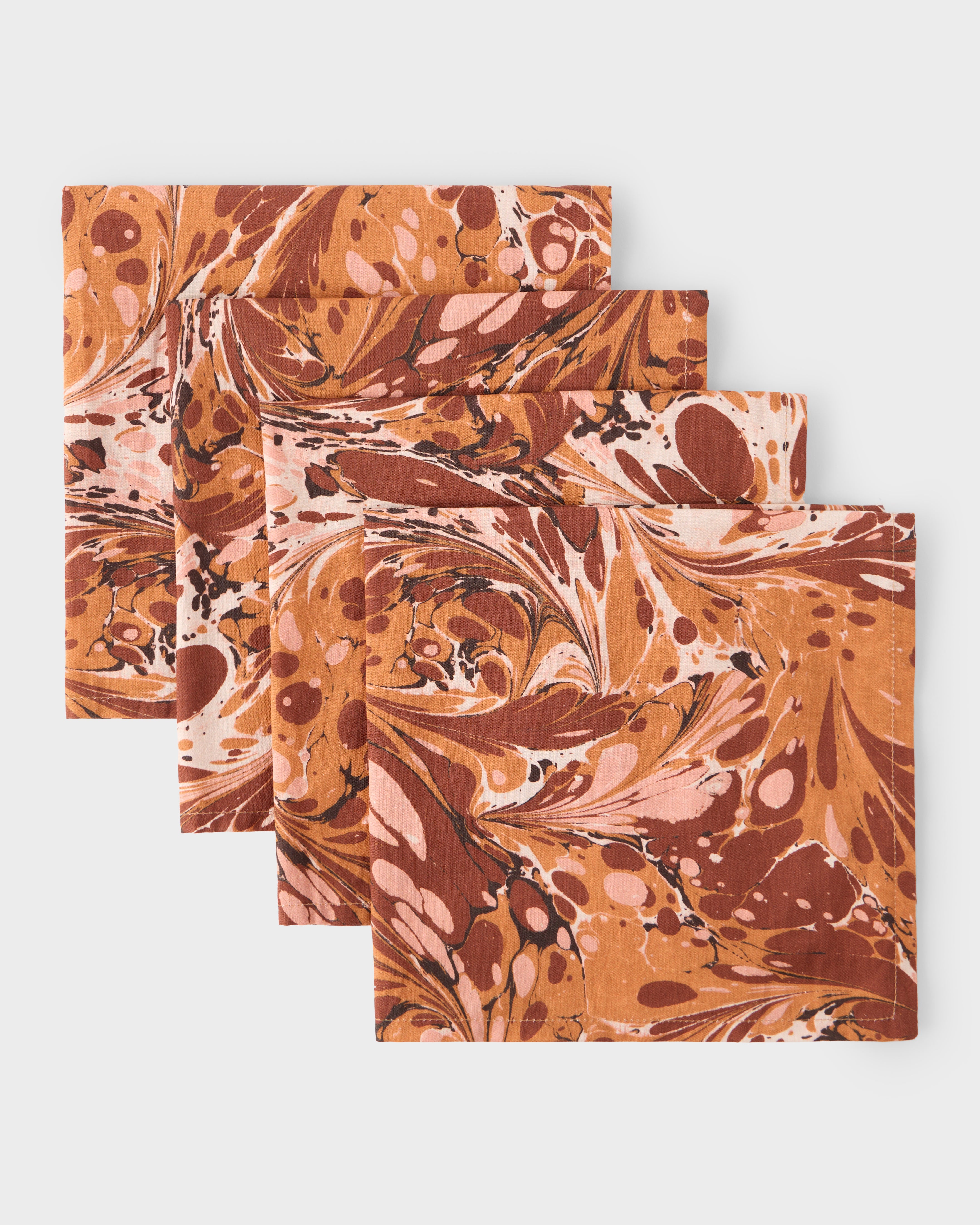
The Terracotta Collection is a stunning ode to Italy's visual identity, defined by the rich, earthy tones of the country’s natural landscape, its celebrated terracotta rooftops and sunbaked joie de vivre. The Perusia Napkins come as a set of four, each showcasing an all-over marbled pattern in warm terracotta tones, inspired by traditional Florentine paper marbling. Printed in Italy on 100% linen, they are a vibrant homage to the centuries-old craft of hand-dyed paper developed in Florence.
No account yet?
Create an Account