




Words by Alexis Kugel
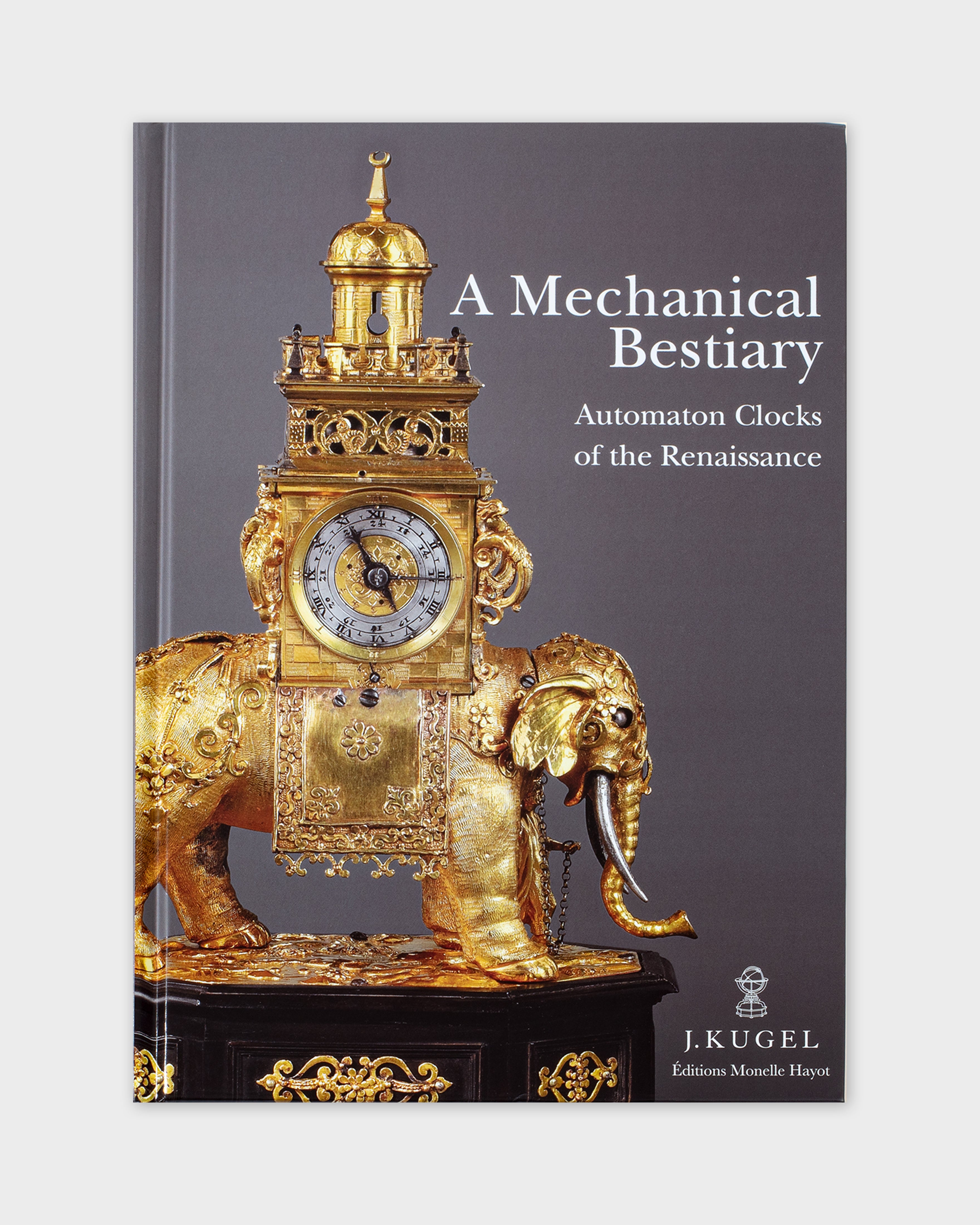
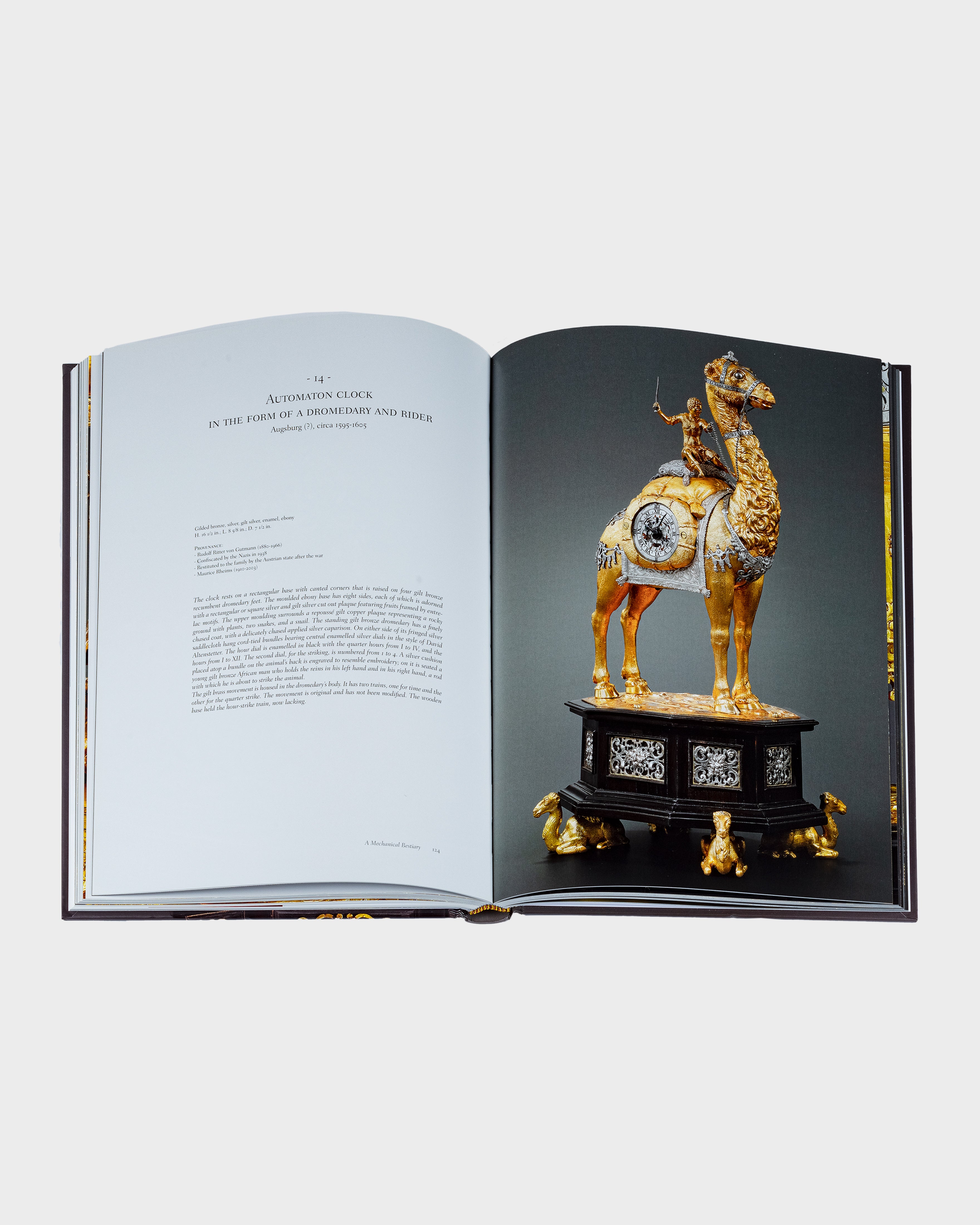
This exhibition, Galerie Kugel’s tenth, continues the tradition of seeking out little-known but fascinating fields in the art world. Renaissance automaton clocks have never been the subject of scientific study, authors of horological reference works devoting at best merely a chapter to them.
These automaton clocks date from 1580 to 1630 and were for the most part created in Augsburg, the main German artistic centre of the time. These wonderful objects combine the arts of sculpture and horology. Rivalling in fantasy and ingenuity, they fascinated the European courts. Today, they can be found in museums holding great princely collections in Vienna, Dresden, Munich. Automaton clocks were also used as diplomatic presents.
The thirty-one automaton clocks presented in this exhibition and book are the largest group ever displayed. While studying them we have made surprising discoveries. For example, the troubling similarities between some of the most extraordinary anonymous clocks displayed here: the Elephant (cat. 3), the large Pacing Lion and his Tamer (cat. 7), the large Seated Lion (cat. 9), and the Chariot of Bacchus (cat. 11), which strongly argue for their having been produced in the same workshop. Among all the clocks published in this book, only one comes from Nuremberg (cat. 21). The chronological presentation that we chose also led us to rethink the conventional dating of certain pieces.
The title “Mechanical Bestiary” is somewhat restrictive, for among the clocks presented here, a quarter represent human figures without animals, and certain pieces possess no mechanical movements. Yet the thirty-one pieces assembled here clearly form a homogeneous and coherent whole. All were created for the same reason: to amuse and delight the collectors of their time.
Words by Helen Bynum
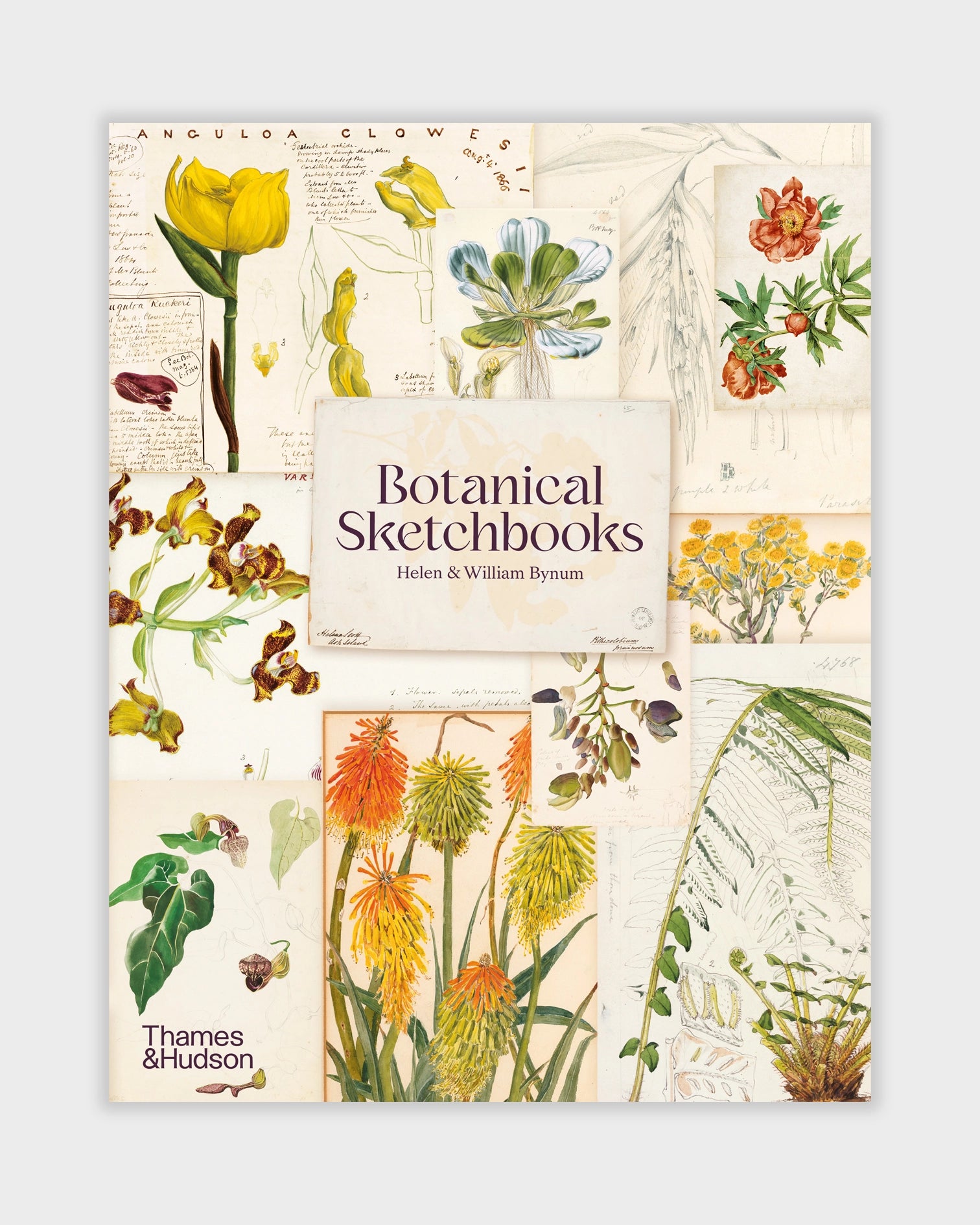
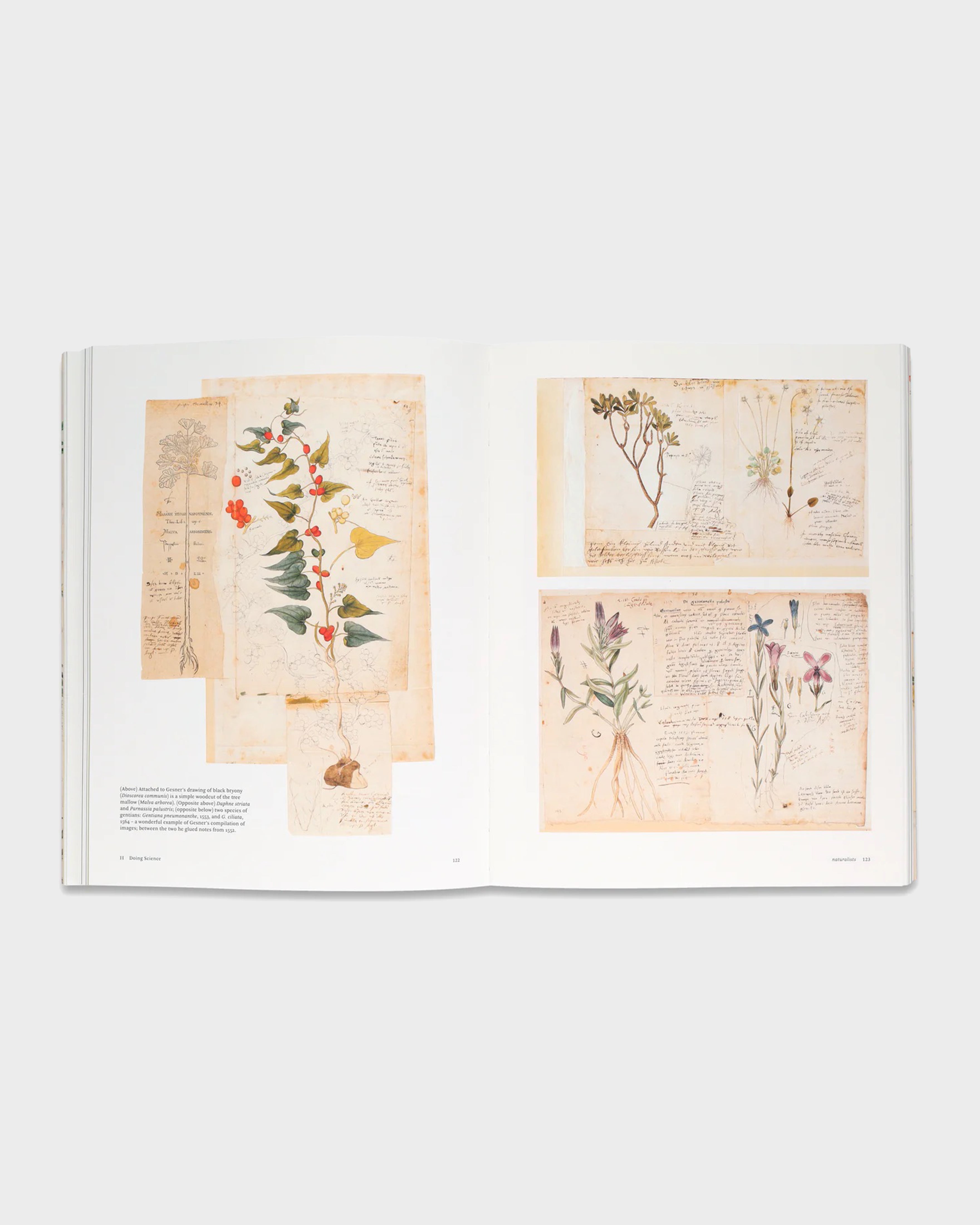
While highly finished drawings and paintings frequently feature in histories of botanical art, the preparatory sketches, first impressions and creative thoughts on paper behind them are rarely seen and have often remained hidden and locked away.
Botanical Sketchbooks brings these personal and vividly spontaneous records gloriously back into the light. In a series of biographical portraits organized thematically into four sections, the book illuminates a range of intriguing characters, from many different countries and cultures, including Germany, France, Italy, America, Australia, Japan and China. Sketchbooks proper are joined by notebooks, journals, albums, loose pieces of paper, works on vellum, manuscripts, letters, herbarium sheets and marginalia – even one drawing on the back of an envelope.
Turning the pages of this book will be an invitation to relive extraordinary experiences, imagine lost worlds, and be immersed in the endeavours, observations and motivations of the makers of such beautiful and enchanting art.
Published by Thames & Hudson Ltd
Magazine is a biannual publication, publishing each April and October. This subscription auto-renews with each issue launch.
When you subscribe today, your first charge will secure the upcoming Issue 24, shipping in mid-October. Your subscription will then renew in April 2026 for Issue 25, and continue with each subsequent issue. You will always receive an email notification before your subscription renews, and you may cancel at any time.
Magazine offers a truly immersive experience, aiming to inspire generations of globe trotters through striking photography, thoughtful prose and beautiful graphic treatments. Each issue features a cover partner with multiple cover patterns. Covers for each issue are selected at random. We are unable to guarantee specific covers at the time of delivery.
To stay informed about your subscription, please be sure to subscribe to our newsletter during checkout to receive important updates, including notifications about delivery, payment issues and cancellations.
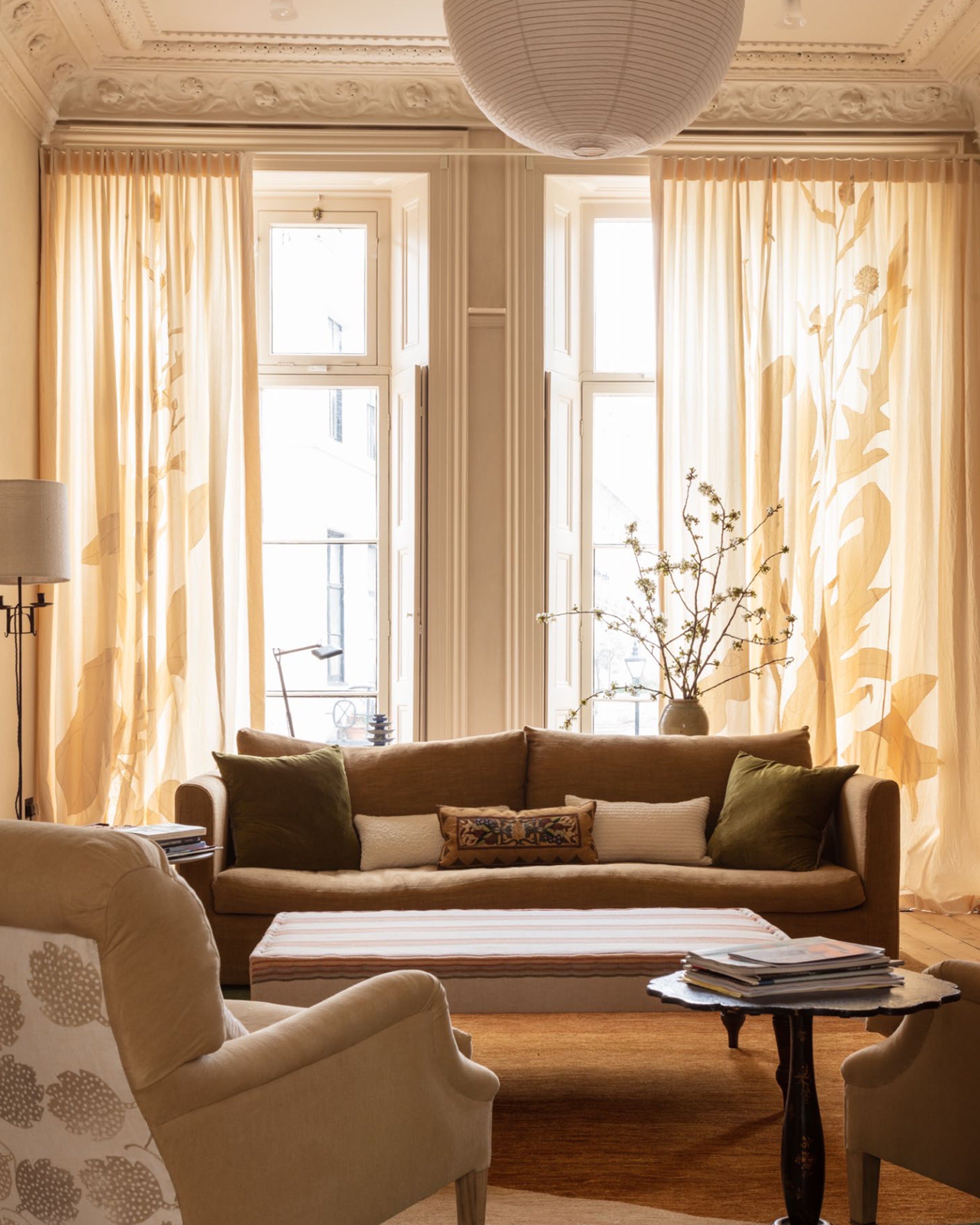
Words by Maria Speake
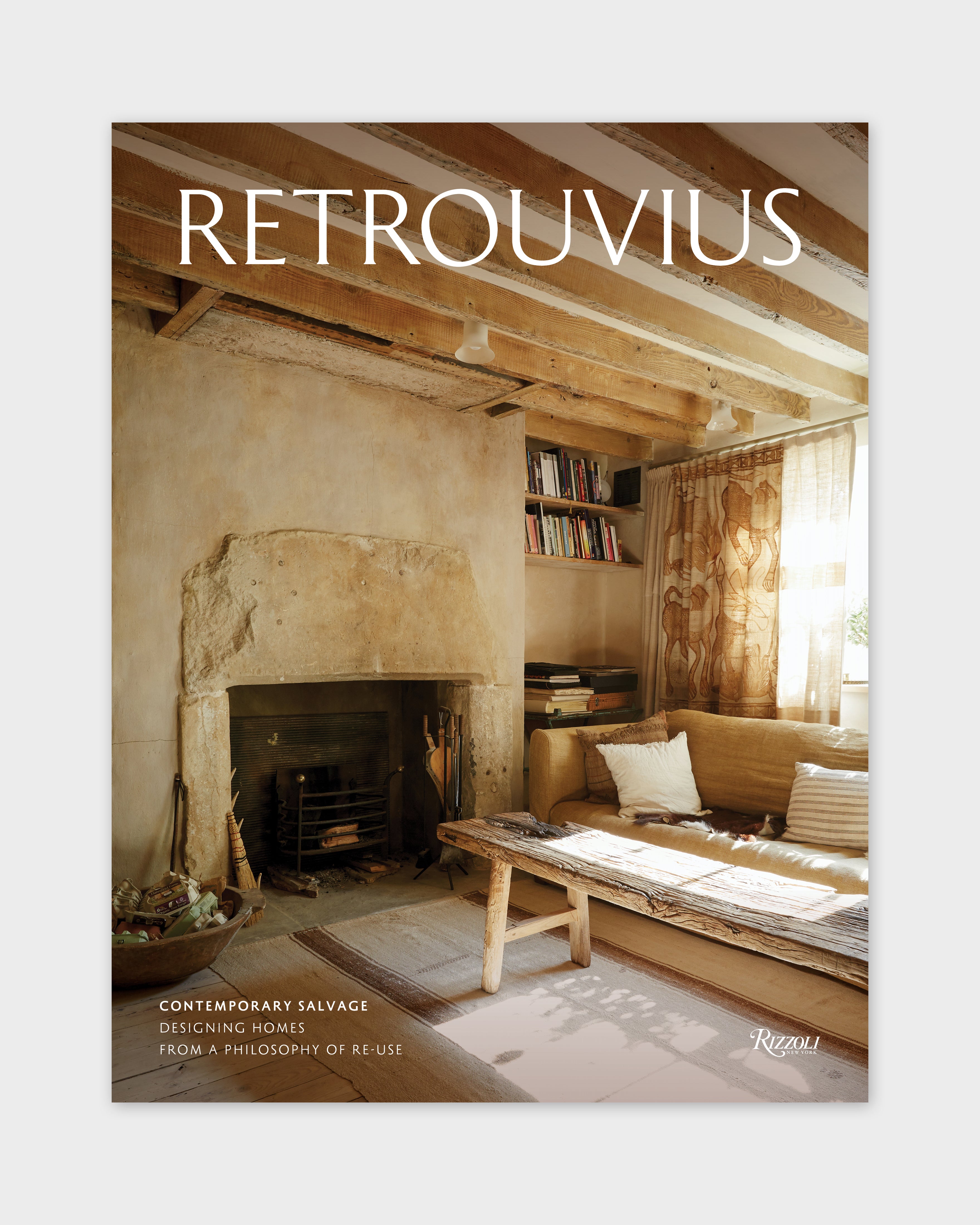
London-based design studio Retrouvius has carved a unique and important niche in the interior design and architecture spheres by blending architectural salvage with innovative design. Every project is a reinvention of the past and a promise made to our shared future.
In a world increasingly defined by the fleeting and the disposable, Retrouvius stands as a beacon of sustainability, creativity, and enduring beauty in interior design. Each space transformed by the studio is imbued with a history and a character uniquely its own, and a deep respect and sensitivity for original, historic designs and materials.
As interior designers and architects increasingly adopt sustainable practices to reduce their environmental footprint, Retrouvius has been discovering new life in the old and patinaed, new purpose in the centuries overlooked. Its work is a testament to the belief that sustainability can be synonymous with sophistication, and that the past can beautifully and intelligently inform the present.
This important volume is an invitation to explore the world of Retrouvius through the design studio’s most significant projects. Through stunning photography and insightful texts, this book journeys into the heart of spaces that are as functional as they are artful, as timeless as they are tailored to contemporary living.
Published by Rizzoli
Delivery in 2 weeks
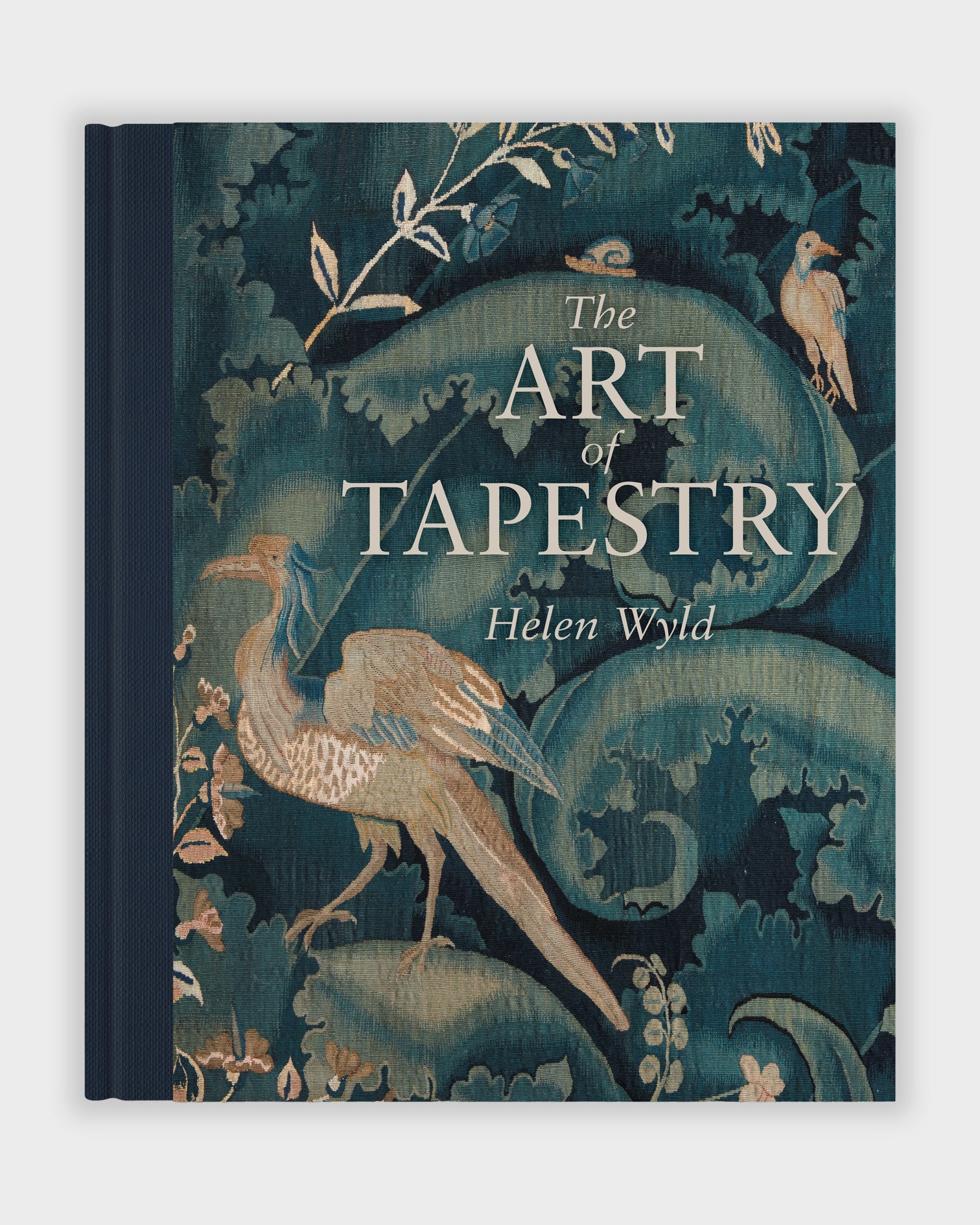
Words by Helen Wyld
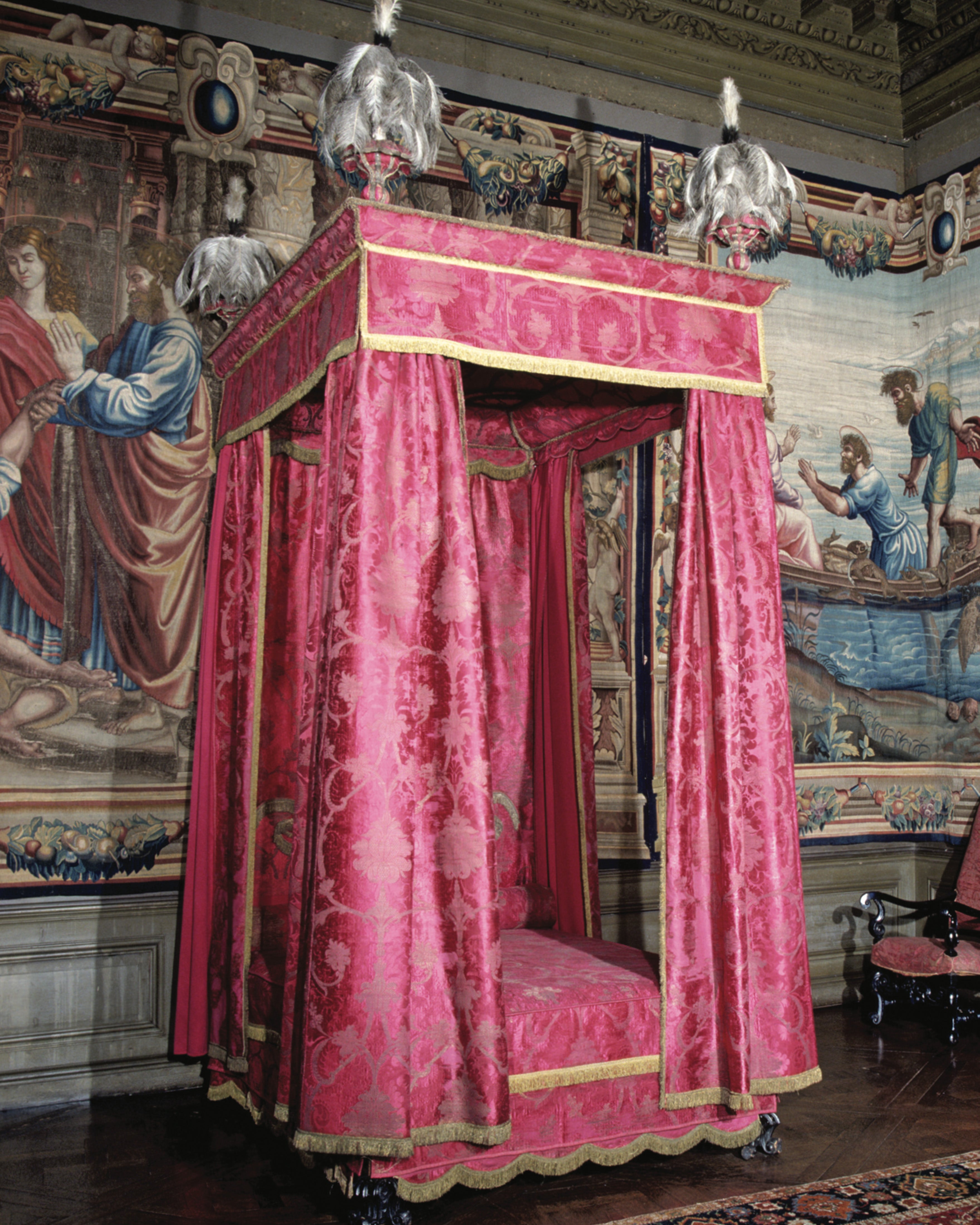
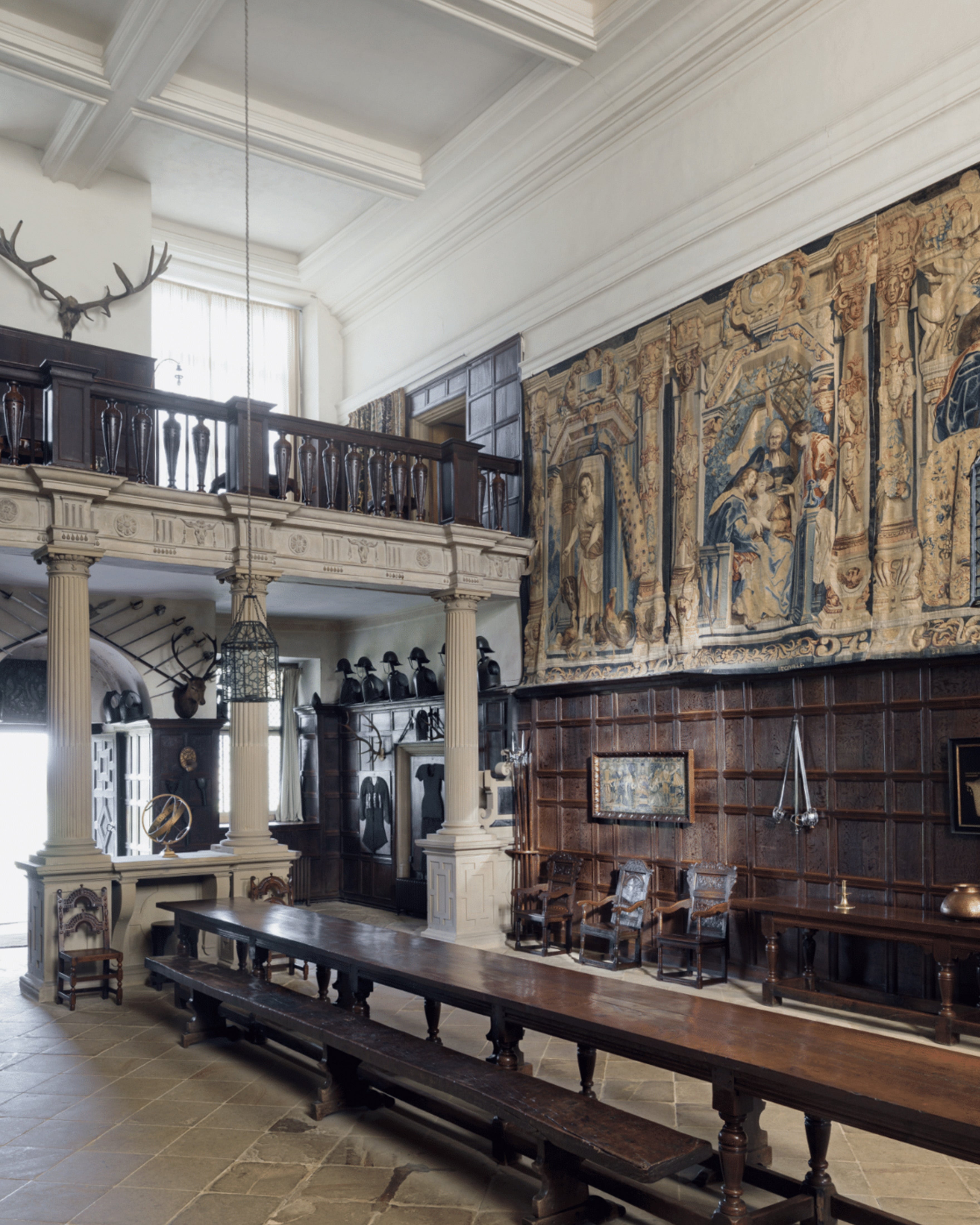
Woven with dazzling images from history, mythology and the natural world, and breath-taking in their craftsmanship, tapestries were among the most valuable and high-status works of art available in Europe from the medieval period to the end of the eighteenth century. Over 600 historic examples hang in National Trust properties in England and Wales – the largest collection in the UK.
This beautifully illustrated study by tapestry expert Helen Wyld, in association with the National Trust, offers new insights into these works, from the complex themes embedded in their imagery, to long-forgotten practices of sacred significance and ritual use. The range of historical, mythological and pastoral themes that recur across the centuries is explored, while the importance of the 'revival' of tapestry from the late nineteenth century is considered in detail for the first time. Although focussed on the National Trust's collection, this book offers a fresh perspective on the history of tapestry across Europe.
Both the tapestry specialist and the keen art-history enthusiast can find a wealth of information here about woven wall hangings and furnishings, including methods of production, purchase and distribution, evolving techniques and technologies, the changing trends of subject matter across time, and how tapestries have been collected, used and displayed in British country houses across the centuries.
Published by Bloomsbury Publishing
No account yet?
Create an Account