



Words by Alexis Kugel
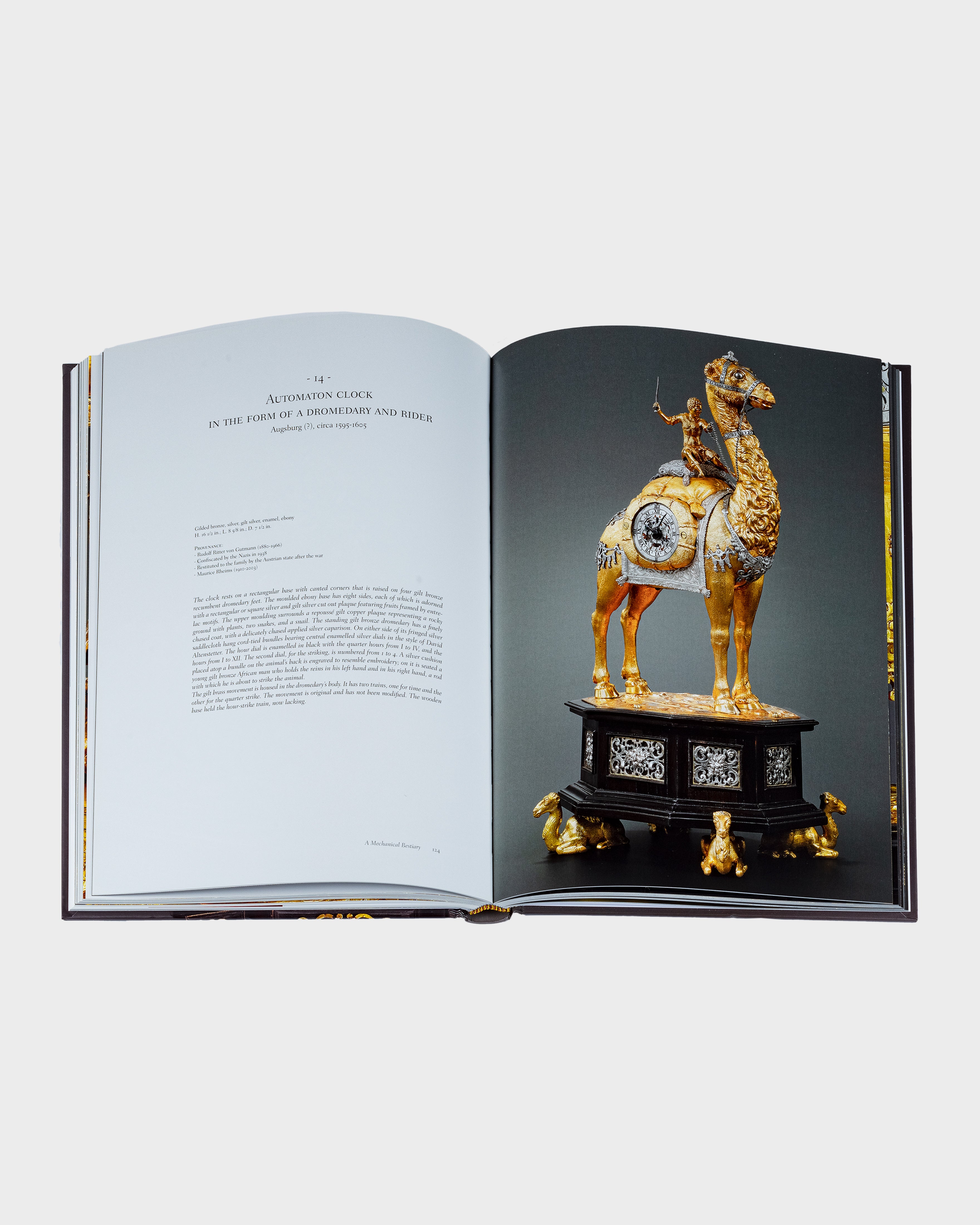
This exhibition, Galerie Kugel’s tenth, continues the tradition of seeking out little-known but fascinating fields in the art world. Renaissance automaton clocks have never been the subject of scientific study, authors of horological reference works devoting at best merely a chapter to them.
These automaton clocks date from 1580 to 1630 and were for the most part created in Augsburg, the main German artistic centre of the time. These wonderful objects combine the arts of sculpture and horology. Rivalling in fantasy and ingenuity, they fascinated the European courts. Today, they can be found in museums holding great princely collections in Vienna, Dresden, Munich. Automaton clocks were also used as diplomatic presents.
The thirty-one automaton clocks presented in this exhibition and book are the largest group ever displayed. While studying them we have made surprising discoveries. For example, the troubling similarities between some of the most extraordinary anonymous clocks displayed here: the Elephant (cat. 3), the large Pacing Lion and his Tamer (cat. 7), the large Seated Lion (cat. 9), and the Chariot of Bacchus (cat. 11), which strongly argue for their having been produced in the same workshop. Among all the clocks published in this book, only one comes from Nuremberg (cat. 21). The chronological presentation that we chose also led us to rethink the conventional dating of certain pieces.
The title “Mechanical Bestiary” is somewhat restrictive, for among the clocks presented here, a quarter represent human figures without animals, and certain pieces possess no mechanical movements. Yet the thirty-one pieces assembled here clearly form a homogeneous and coherent whole. All were created for the same reason: to amuse and delight the collectors of their time.
Words by Helen Bynum
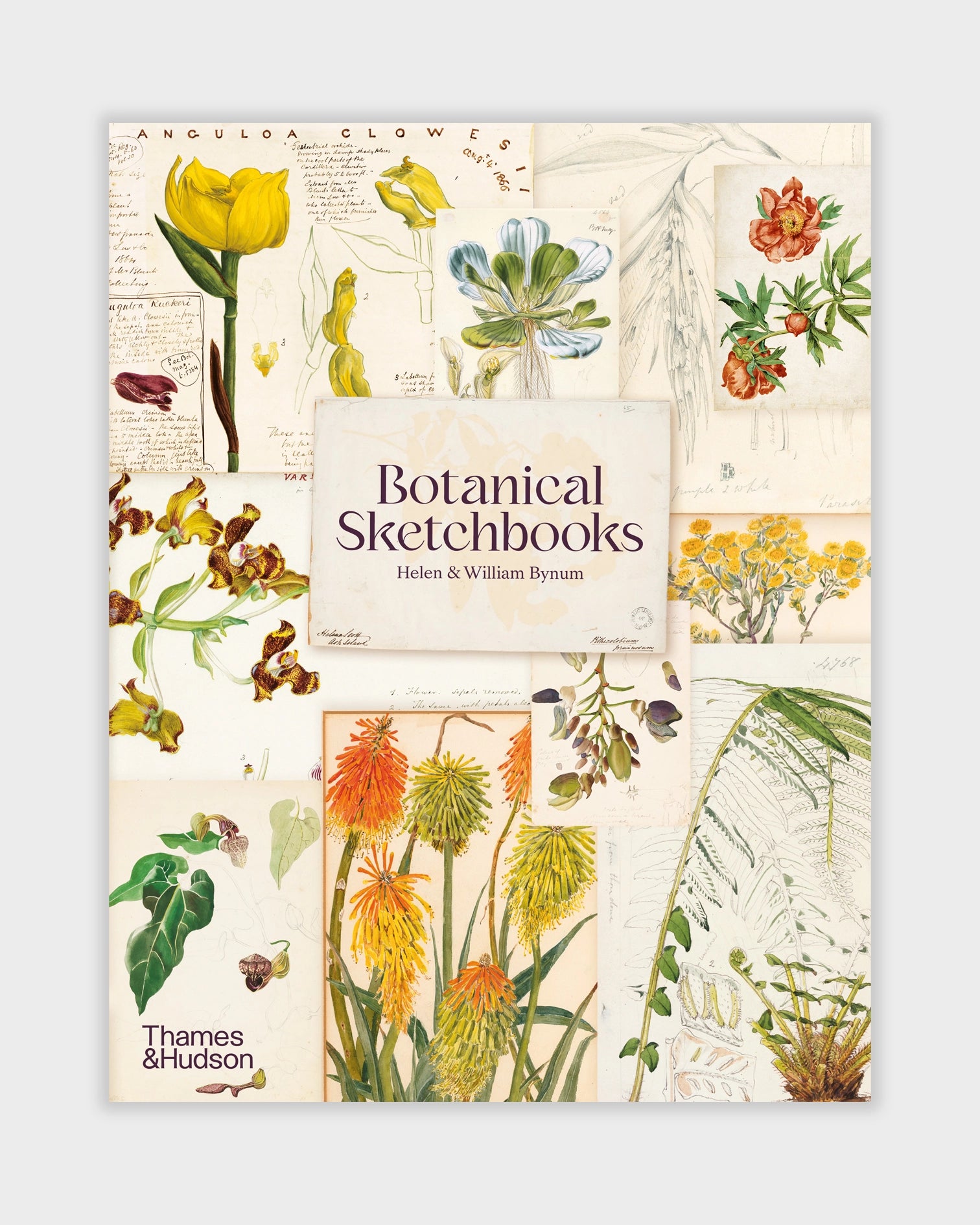
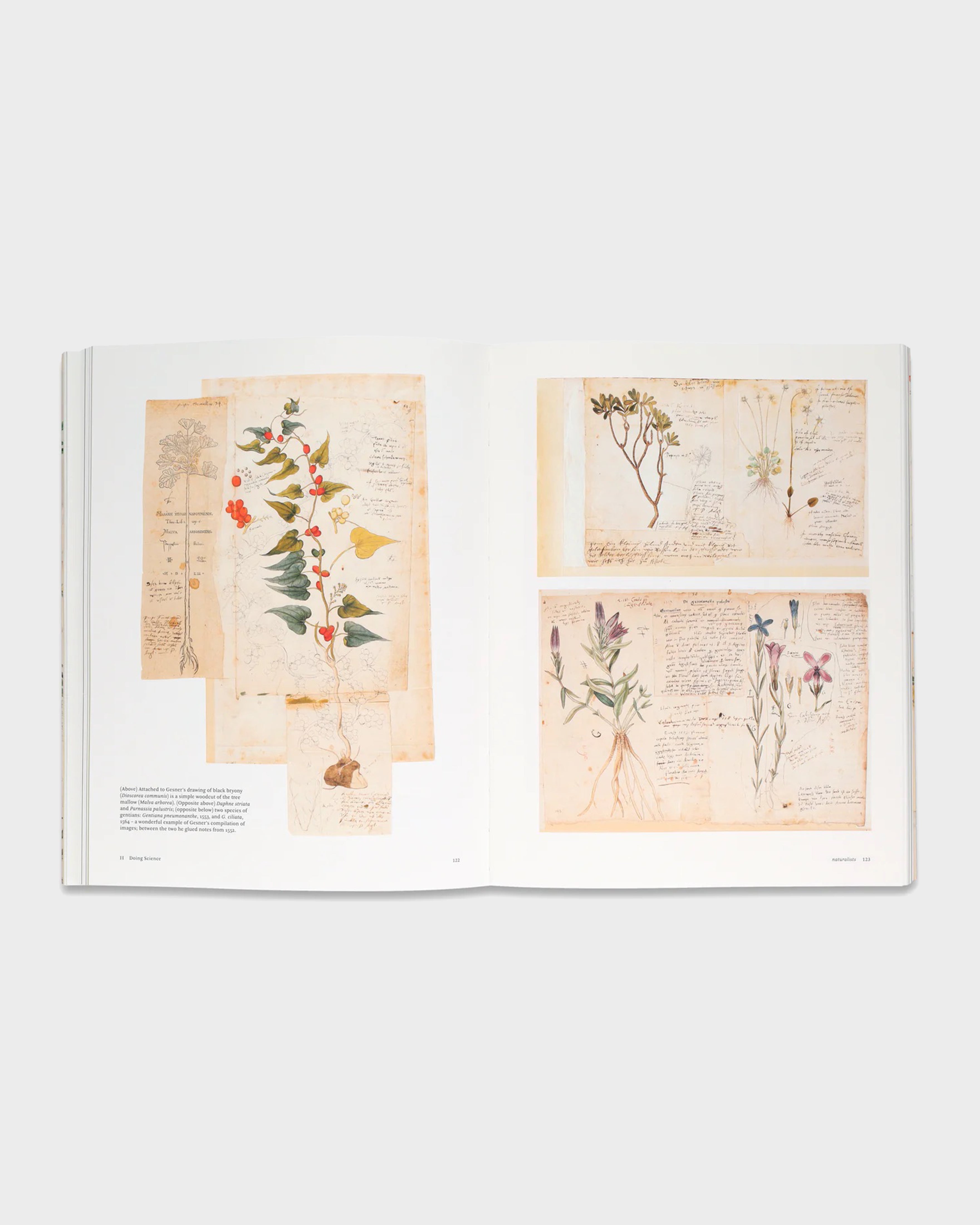
While highly finished drawings and paintings frequently feature in histories of botanical art, the preparatory sketches, first impressions and creative thoughts on paper behind them are rarely seen and have often remained hidden and locked away.
Botanical Sketchbooks brings these personal and vividly spontaneous records gloriously back into the light. In a series of biographical portraits organized thematically into four sections, the book illuminates a range of intriguing characters, from many different countries and cultures, including Germany, France, Italy, America, Australia, Japan and China. Sketchbooks proper are joined by notebooks, journals, albums, loose pieces of paper, works on vellum, manuscripts, letters, herbarium sheets and marginalia – even one drawing on the back of an envelope.
Turning the pages of this book will be an invitation to relive extraordinary experiences, imagine lost worlds, and be immersed in the endeavours, observations and motivations of the makers of such beautiful and enchanting art.
Published by Thames & Hudson Ltd
Words by Cordelia De Castellane,
Photography by Billal Taright
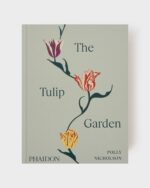
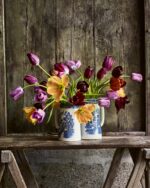
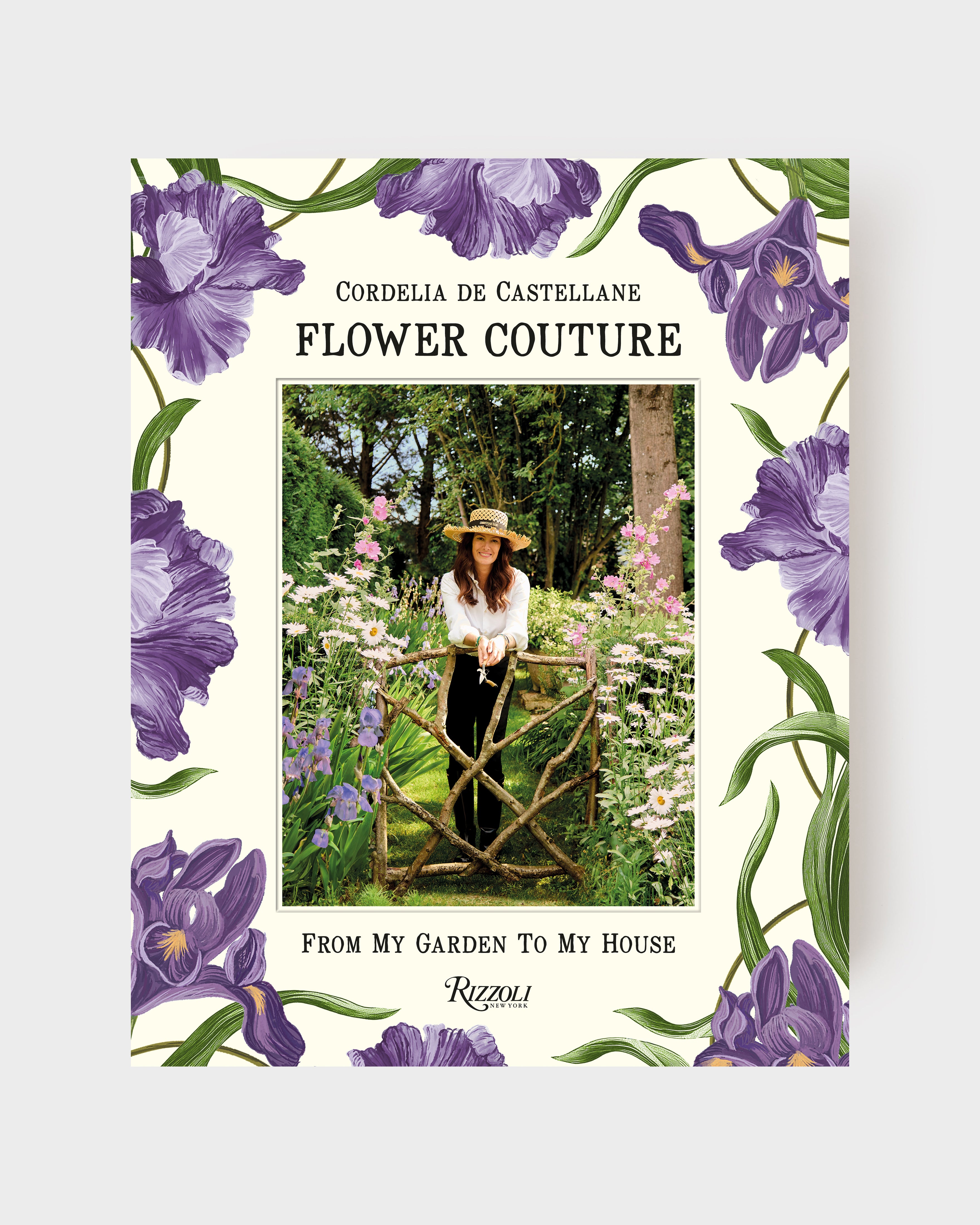
A second book by French tastemaker Cordelia de Castellane, celebrating her garden as an endless source of inspiration for entertaining.
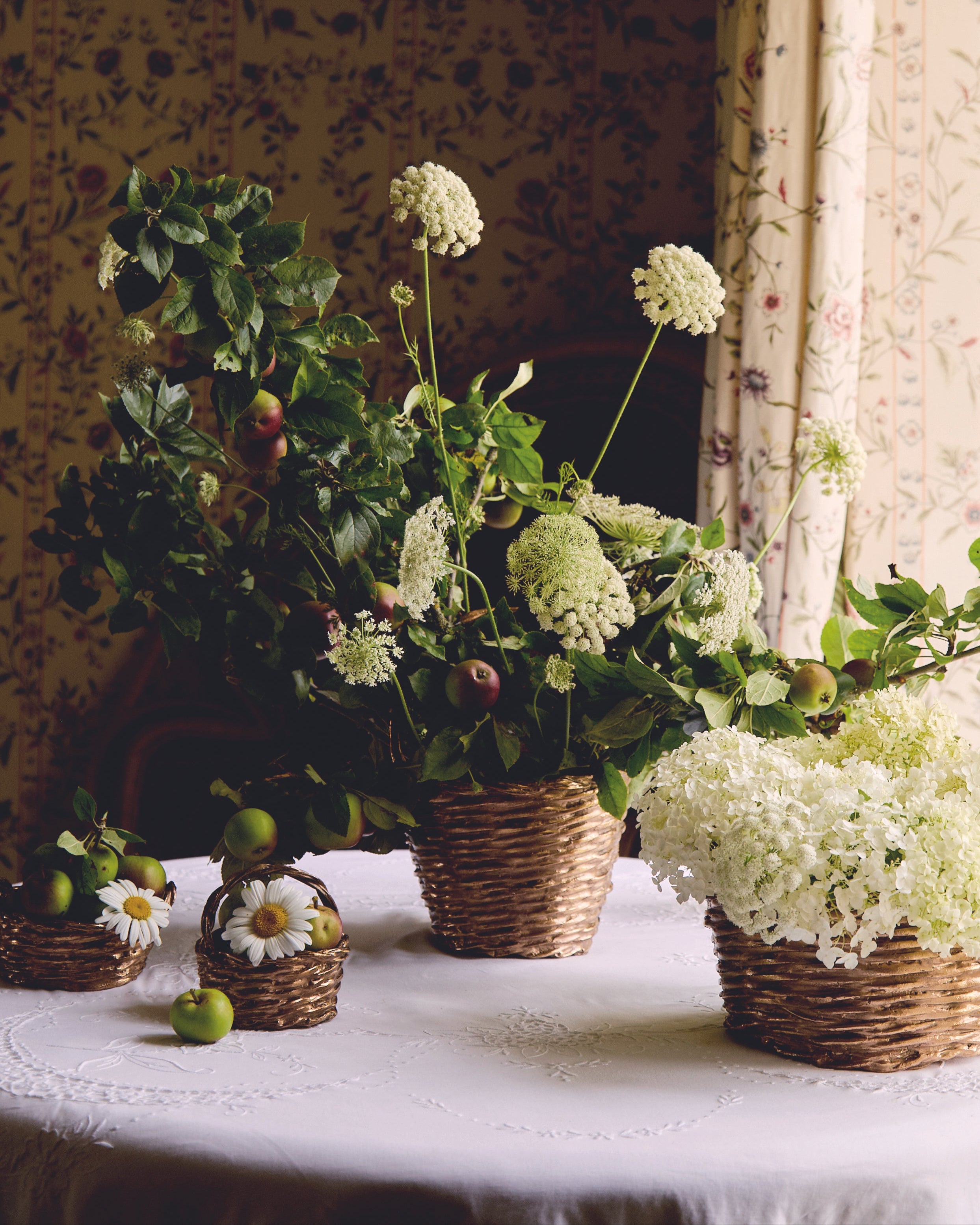
Cordelia de Castellane, true ambassador of French lifestyle, returns with a sequel to Life in a French Country House and offers her inspiring ideas and secrets for gardening, unique flower arranging, and entertaining.
De Castellane turns her eyes to the gorgeous garden of her own private residence in the French countryside to offer insight into how she makes nature her muse. From delicate spring blossoms to vibrant summer bouquets starring on sun-kissed tables, autumnal herbariums, and enchanting winter fetes, each chapter is about a color of her favorite flowers and is complete with informative captions and texts uncovering her tips for living and entertaining à la française. De Castellane offers her recipes for bouquets and perfect tablescaping with examples from her own house: readers discover the journey of a flower from the garden to the tabletop. This book is a must-have guide on how to imbue every day with flair, beauty, and joie de vivre.
Published by Rizzoli
Words by Francois Halard
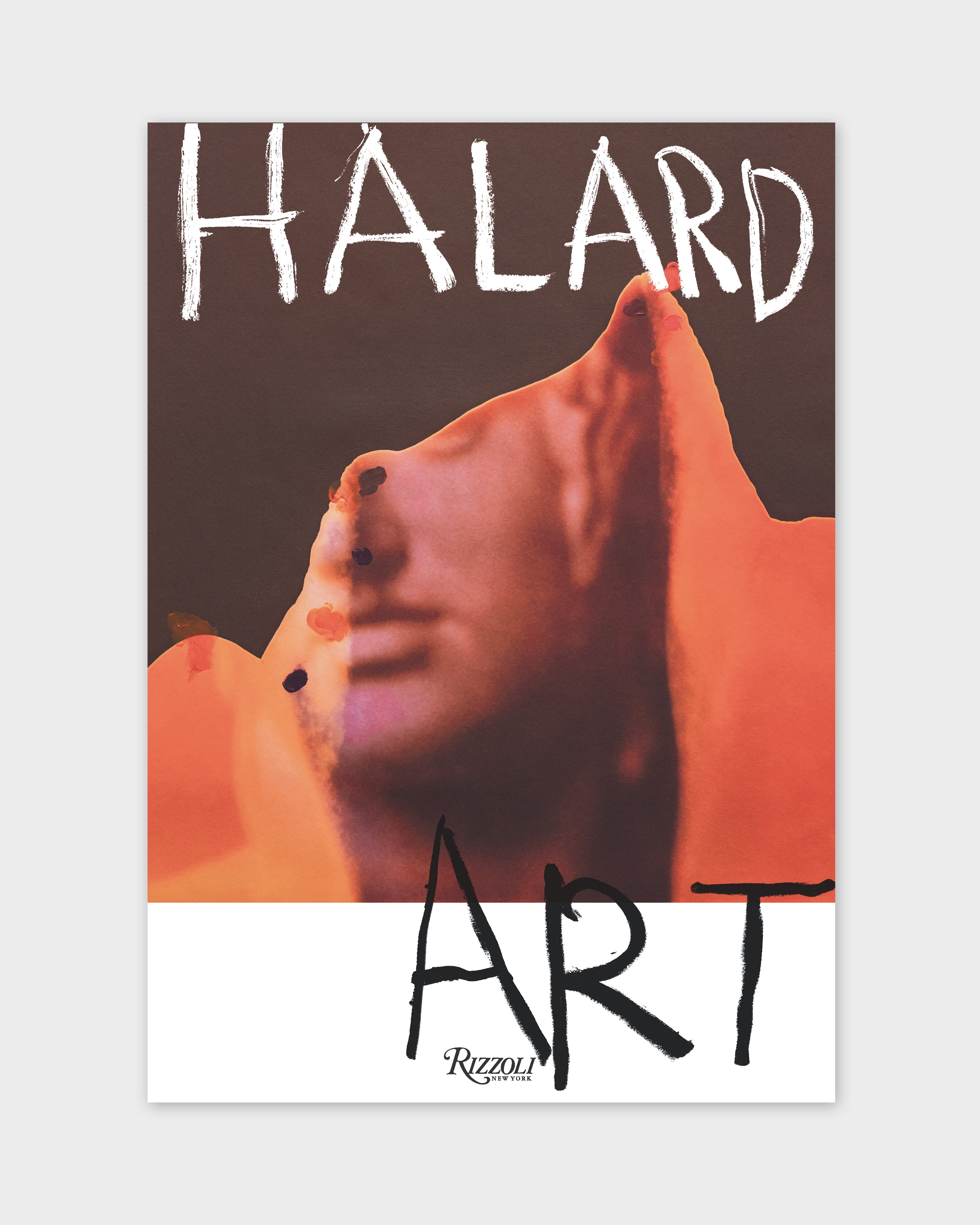
The master photographer’s compelling images of his two most intimate passions: art and flowers.
“His photography has an innate capacity to evoke emotion and tell stories that linger in the mind long after the image is seen,” writes Dries Van Noten in the foreword to this two-volume series of images.
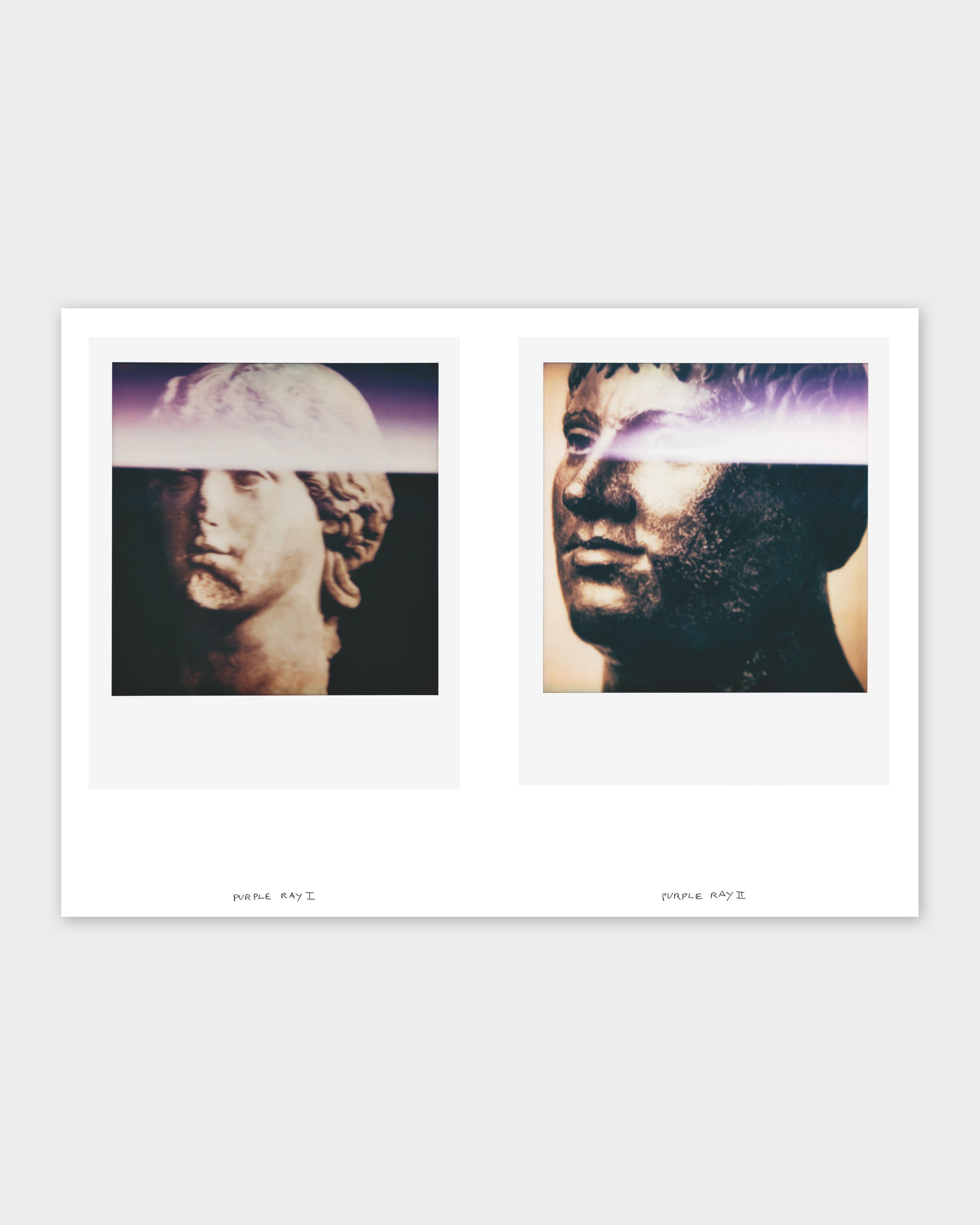
Long revered for his personal photography of the world’s most celebrated buildings and interiors, Halard strikes a new path with two new bodies of work. Confined to his house in Arles after a shoulder injury in early 2024, Halard began photographing the objects immediately surrounding him with his Polaroid camera. In turns traditional and abstract, the Flowers series is a captivating exploration of nature’s beauty. As beautifully described by fashion designer Dries Van Noten, “The Polaroid captures a fleeting moment, blossoming into a lasting memory, while the real flower, vibrant and alive, ultimately withers away, reminding us that beauty can be both preserved and ephemeral.”
In the second series, Art, Halard has enlarged a select number of his Polaroids, which he then worked on top with paint, wax, and other materials to give the final results a strong, layered sense of history and memory. Many of the images are made of ancient statuaries or details of Renaissance paintings from Italy and Greece—the tight crop of a marble head, or the folds of 15th-century drapery. “I am delving into the idea that antiquity can be modern,” Halard states in his interview with art curator Bice Curiger, “I like to start with a specific object to turn it into another, transitory object.” Halard’s transformation of the ephemeral into the permanent, in the case of his flowers; and the permanent into the ephemeral, in the case of his Classical-inspired artworks—give power and beauty to these compelling images.
Published by Rizzoli
Delivery in 2 weeks
Words by David Lane and Marina Tweed
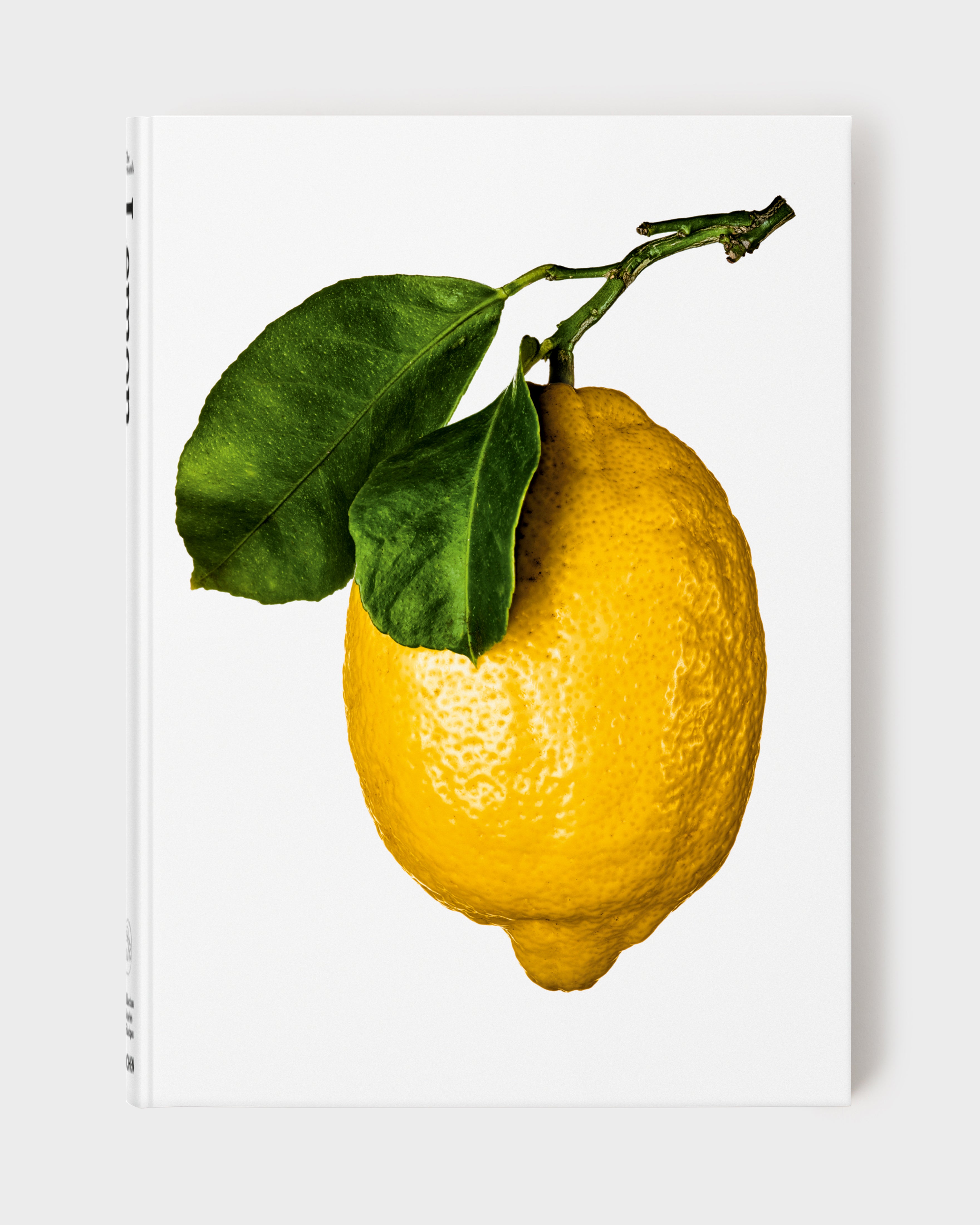
The deceptively simple lemon takes center stage in the second volume of TASCHEN’s collaboration with The Gourmand, masters of the rich intersection of food and art. The star of Renaissance gardens, that shaped the Medici dynasty, have the power to ward off scurvy, had a hand in forming the mob, and whose juice has been used as an invisible ink since 600 CE to pen covert messages, these joyful yellow orbs are ripe with intrigue. The Gourmand charts the fruit’s astonishingly intricate genealogy, explores its role as a literary device for the likes of Joan Didion, F. Scott Fitzgerald, Tom Wolfe, and James Joyce, and examines its unique representation of the American dream through lemonade stands.
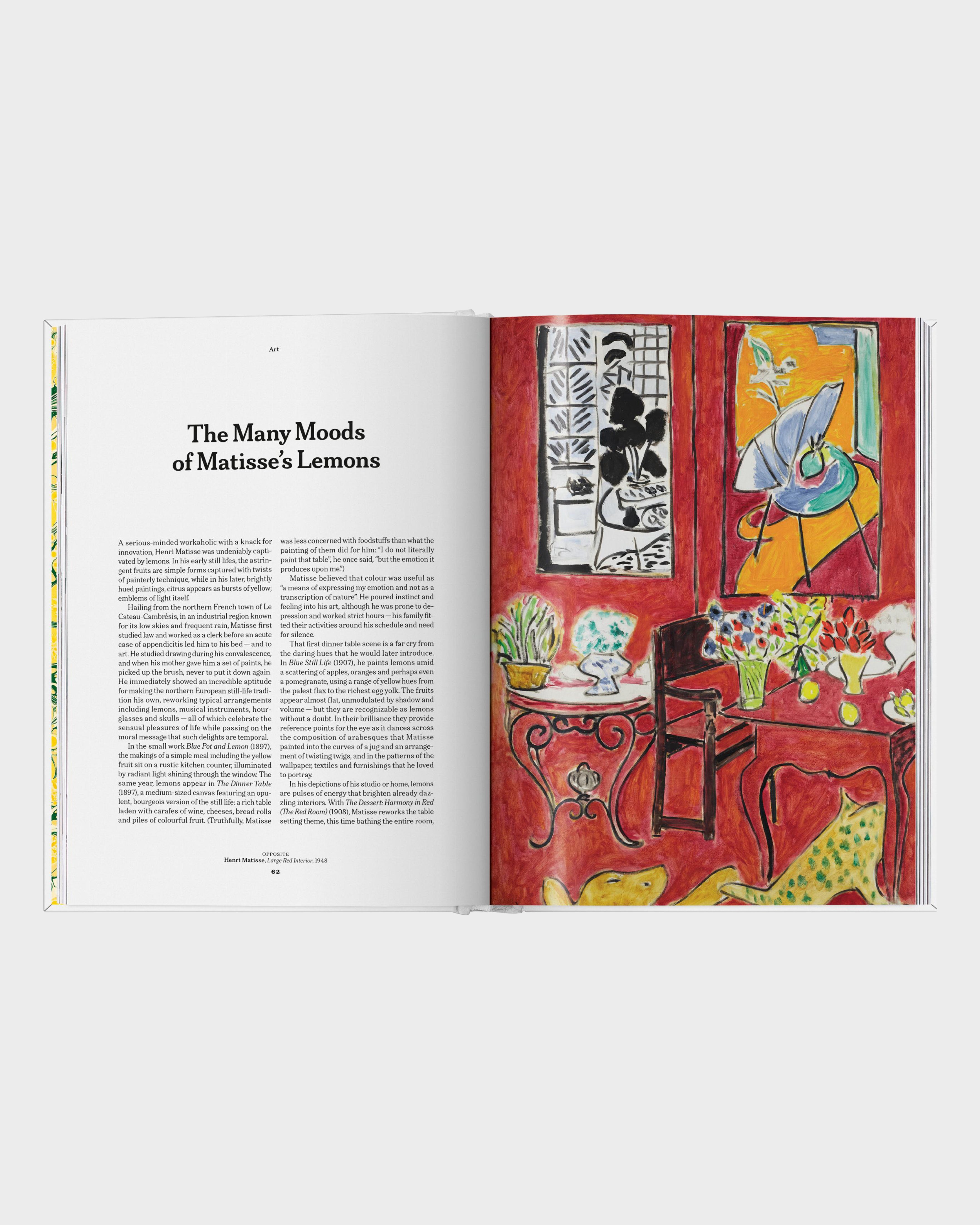
A favorite subject of art history’s giants, the lemon captivates in the still lifes of Old Masters and inspired the breakthroughs of modern visionaries like Picasso, Matisse, and Warhol. Lemons also find themselves at the cutting edge of design in Philippe Starck’s iconic Juicy Salif and the unassuming yet revolutionary Jif Lemon. Their presence extends to the decorative arts, gracing everything from Arts and Crafts wallpapers to mythological ceramics. Even the famed Bloomsbury Group found lemons entangled in their literary love affairs.
Accompanying these citrus-centric anecdotes are a foreword by chef and acclaimed food writer Simon Hopkinson and an introduction by art critic and author Jennifer Higgie alongside more than 60 lemon-infused recipes across global cuisines and for every occasion—including perfect poultry, decadent sauces, classic cocktails, and indulgent desserts, with custom photography by Bobby Doherty.
Published by Taschen
No account yet?
Create an Account